

Angel message Sunday rest invites believers to recognize Sabbath as a divinely given pause where angelic ministry accompanies our slowing, offering consolation, protection, and spiritual renewal through Scripture, prayer, and simple practices that teach the heart to receive rest, repair relationships, and prepare for deeper participation in God’s promised peace.
angel message sunday rest — have you ever noticed how a quiet Sunday can feel like a door? It comes as a gentle invitation, where scripture, silence, and a felt presence invite renewal.
Sabbath in scripture: how rest appears from Genesis to the Gospels
In the book of Genesis the rhythm of seven days begins with creation and ends with a holy pause. On the seventh day God ceases work and names it blessed, not from fatigue but as a model for life: the Sabbath is a sacred pause that honors the created order and invites human beings into the pattern of divine presence. That first pause teaches that rest is built into the making of the world, a gift woven into our very being.
Later, the Sabbath becomes part of covenant life — a shared sign that shapes community and care. The law asks a people to stop labor, remember the vulnerable, and keep time differently from the nations around them. In the Gospels this rhythm is not abolished but deepened: Jesus reframes Sabbath practice toward mercy, healing, and restoration. When he moves in villages and synagogues, his work shows that the Sabbath serves human flourishing and points to God’s compassionate heart.
Seen from Genesis to the Gospels, Sabbath is less a list of rules than a way to reclaim our souls. It teaches that stopping is not failure but invitation — a chance to gather at table, to read scripture, to rest in God’s nearness, and to repair relationships frayed by busyness. As a living practice, the Sabbath helps the heart learn that true rest restores relationship with God, neighbor, and self, and becomes a weekly sacrament of renewal.
Angels and rest: biblical scenes where heavenly messengers accompany peace
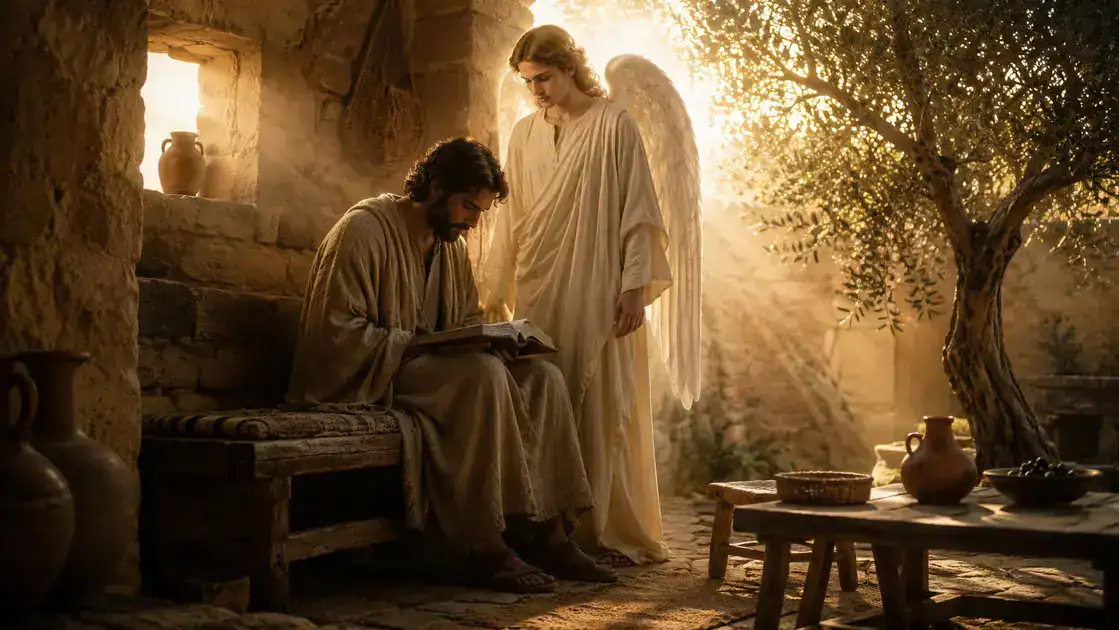
Across Scripture, angels appear at moments of deep need and bring a quiet that settles the heart. In Jacob’s dream and in the stories of sacred hospitality, these messengers do more than deliver a word; they stand as presence that soothes fear and points to God’s care. The text invites us to see that angels bring rest by reminding us we are not alone in trouble or in tiredness.
When we read the Gospels we encounter angels in scenes of weariness and renewal. After temptation and in the garden of anguish, their coming is gentle and practical — not a spectacle but a ministry of strength. This shows a tender pattern: divine help often arrives as quiet support that frees a person to breathe, to trust, and to recover.
The Psalms and the prophets fold that same promise into worship and daily life, speaking of God’s messengers encamping around the faithful. As we practice Sabbath or sit in prayer, we can hold this image: a caring presence that guards and calms. Letting that image shape our rest turns stopping into a holy act — a simple yielding that lets God and the unseen companions restore body and soul.
Psalmic wisdom: praying the psalms as a path to spiritual renewal
The psalms invite the heart to speak simply to God and to be heard. As communal prayers and private cries, Psalms teach a language of return: praise, sorrow, trust. Reading them slowly tunes the breath to prayer and makes room for a gentle rest that feels both honest and hopeful.
Many psalms model a move from lament to renewed trust, like the shepherding comfort of Psalm 23 or the steady refuge of Psalm 46. When we read these lines aloud or hold them in silence, their short phrases reorder anxious thoughts and remind us rest begins in God’s presence. The repeated images and steady rhythm act like a steadying hand on the heart, helping the spirit settle.
Place a short psalm at the center of a Sunday pause: read a verse, breathe its image, and let the phrase sit before you respond. Singing or quietly chanting a stanza can deepen the silence without needing many words. These simple practices turn the psalms into a practical path for spiritual renewal, where the soul learns again to trust and to rest.
Theology of rest: classical and contemporary reflections on divine Sabbath
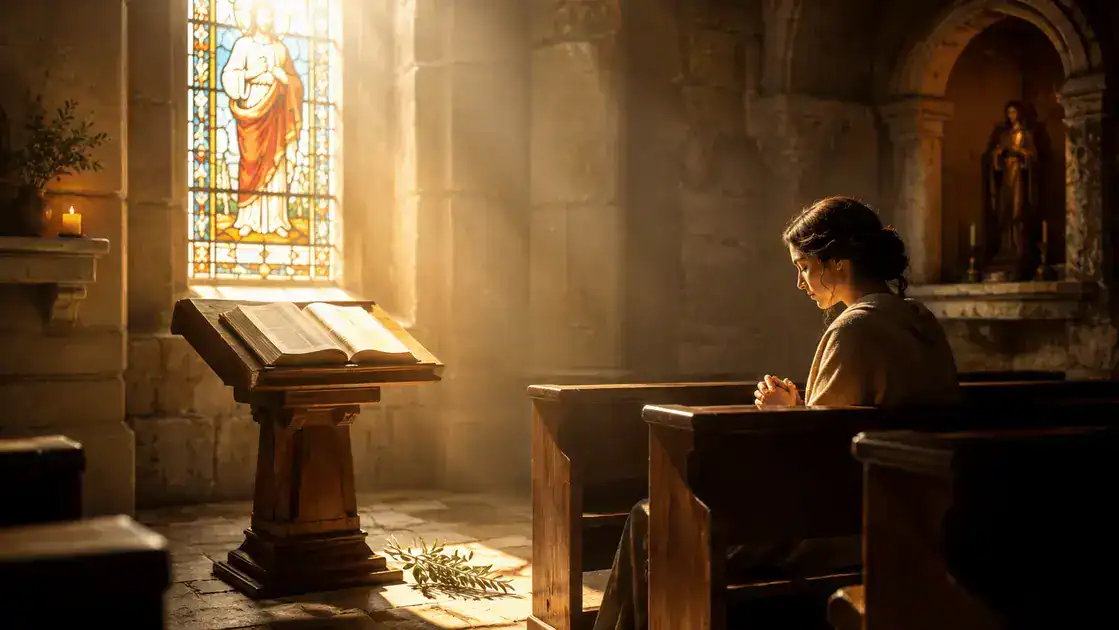
Classical Christian writers read the Sabbath as more than a rule about time. From Genesis and the law given in Exodus, the Sabbath shows a pattern set by God: work, then a holy pause. For thinkers like Augustine and later theologians, this pause is not mere leisure but a sharing in the divine life, a practice that invites people into Sabbath as participation in God’s rest.
This insight shaped worship, ethics, and how communities mark time. Weekly liturgy often becomes a foretaste of what the community hopes for at the end of history. The Sabbath points forward to a promised peace, a final healing of creation, which many theologians name eschatological rest. In that sense, keeping a day of rest trains the heart for both praise now and hope yet to come.
Contemporary reflections
Today pastors and scholars speak of the Sabbath as practical care for body and soul. They remind us that rest is also social: it protects workers, honors the poor, and resists a culture of nonstop consumption. Practically, this can mean slowing devices, sharing a simple meal, joining communal worship, or taking a quiet walk—small acts that make room for rest as resistance and restoration. These modern reflections carry forward the old claim: the rhythm of stopping is a spiritual discipline that renews relationships with God, neighbor, and self.
Practical rhythms: shaping a Sunday practice that invites angelic companionship
On a quiet Sunday morning you can shape small acts that tell the week this day is different. Begin by slowing your steps: set aside screens, make a simple cup of tea, and choose one short verse or psalm to hold. These small choices create room for angelic companionship not as a show, but as a felt presence that arrives when the heart is still enough to notice.
Next, gather gentle practices that fit your life: a brief reading from Scripture, a shared loaf with a neighbor, a walk among trees, or ten minutes of seated silence. Keep each practice short and repeatable so it becomes a rhythm rather than a burden. Over time these patterns teach the body and spirit to rest; the regularity of a simple prayer or a shared meal cultivates an atmosphere where rest can grow.
Finally, tend the inner posture that welcomes presence: attention, gratitude, and simple hospitality toward yourself and others. Offer a short blessing before a meal, breathe slowly through a phrase like “Be still and know,” and let compassion guide how you spend the afternoon. These modest acts turn stopping into an opening, and in that opening a deeper renewal and companionship quietly take root.
Saints and visions: accounts of angels bringing consolation and restoration

Many saints describe moments when an angel’s presence felt less like a spectacle and more like a quiet hand on the soul. Writers such as Teresa of Avila, Julian of Norwich, and Padre Pio speak of visits that brought consolation and restoration in times of deep weariness. These accounts do not promise loud miracles; they point to a tender relief that steadies the heart and renews hope.
Common to these visions is a sense of simple care: a warm light, a calming voice, or a peaceful clarity that replaces fear. Often the vision leads the saint back to prayer, to renewed trust, or to practical healing of broken courage. In this way the stories show that divine comfort often arrives in forms that teach us how to rest—gentle, steady, and rooted in love.
We can hold these accounts as guides for our own Sundays of rest: attend to small invitations to pause, read a short passage from a saint’s diary, or sit in silence with a single breath prayer. Such practices do not force a vision, but they prepare a heart to receive consolation. In the end, these traditions remind us that restoration often comes through simple, faithful presence rather than dramatic display.
Inviting stillness: short prayers and practices to welcome rest today
Begin with a breath and a short phrase to steady the heart. Try a simple breath prayer: breathe in slowly, breathe out while saying “Be still and know” or another short line that draws you to God. This tiny habit shifts the room within you and opens a gentle space for rest without pressure or performance.
Pair the breath with a small, repeatable practice: light a candle or place an olive branch on a table, read a single verse or a two-line psalm, then sit in quiet for three to five minutes. These short rituals act like doorways; they teach the body to pause and the mind to let go, making it easier to notice calm and the quiet company that often accompanies Sabbath rest.
Make a simple plan you can keep: a warm cup, a chosen verse, a brief silence, and a blessing spoken softly over your day. Repeat it across Sundays so the body remembers the pattern and the heart learns to receive rest. Over time these small acts become a faithful habit that invites renewal and a felt sense of presence into ordinary moments.
A closing prayer for Sunday rest
Lord, on this quiet Sunday we come with tired hands and hopeful hearts. We ask for a gentle pause. Let our bodies and minds find rest in your presence.
May the angels that minister in scripture walk near us, not as a show but as calm company. May their quiet care teach us that rest is a gift and a trust, given to heal and to hold.
Teach us to keep small habits that lead to peace—a breath prayer, a short psalm, a shared cup. Let these simple acts become anchors in our week and windows back to you.
Send us out renewed: kinder, quieter, and ready to love. Keep our hearts open to wonder until we meet again in rest. Amen.
FAQ – Questions about Sunday rest, angels, and spiritual renewal
Do angels bring rest according to the Bible?
Yes. Scripture shows angels ministering to those in need and bringing calm—e.g., they ministered to Jesus after the temptation (Matthew 4:11) and tended the sleeping servants of God (Psalm 91:11). Angels are pictured as God’s helpers who support healing, protection, and a sense of peace (Hebrews 1:14).
How does the Sabbath in Scripture lead to spiritual renewal?
The Sabbath is presented from creation as a sacred pause that blesses life (Genesis 2:2–3) and is commanded to shape community and care (Exodus 20:8–11). Jesus shows its heart is mercy and restoration (Mark 2:27), and Hebrews speaks of a promised rest that renews the soul (Hebrews 4:9–11). Practicing it reorders time toward God and neighbor.
Can praying the Psalms really help me rest?
Yes. The psalms give simple, repeatable language for praise, lament, and trust—forms that steady breathing and quiet the mind (see Psalm 23; Psalm 46). Reading or chanting a short psalm aloud anchors attention in God’s presence and turns anxious thoughts into trustful prayer.
How can I tell if a feeling of consolation is an angelic visitation or my imagination?
Discernment rests on fruit and conformity to Scripture. True consolation leads to humility, peace, charity, and faithfulness, not pride or fear, and never contradicts God’s revealed word (1 John 4:1; Galatians 5:22–23). Share the experience with a trusted spiritual guide or pastor for wise counsel and testing.
If saints reported visions of angels, does that mean I should expect the same?
Not necessarily. Saints lived varied lives and some received extraordinary consolations, but tradition does not require visions for holiness. Many faithful grow in rest through ordinary means—prayer, the sacraments, Scripture, and Sabbath practices—while visions remain a grace given to some (see lives of Teresa of Avila, Julian of Norwich, Padre Pio as examples).
What practical Sunday rhythms invite angelic companionship and renewal?
Keep simple, repeatable practices: a short Scripture reading or psalm, a breath prayer, a shared meal, acts of mercy, and brief silence. These habits cultivate interior stillness and hospitality, creating the spiritual space where the Scriptures and tradition expect God’s help—and his unseen ministers—to be felt (Mark 2:27; Psalm 23).