
The difference between an angel and a saint is that angels are created spiritual beings who serve as God’s messengers and guardians, whereas saints are human persons transformed by grace into glorified members of Christ’s body, venerated for their witness and asked to intercede while worship and ultimate adoration belong only to God.
difference between angel and saint — have you ever wondered how Scripture and tradition distinguish these two holy realities? Walk with me through biblical scenes and devotional practices that reveal their different roles while honoring the mystery they share.
Biblical portraits: how angels appear and act
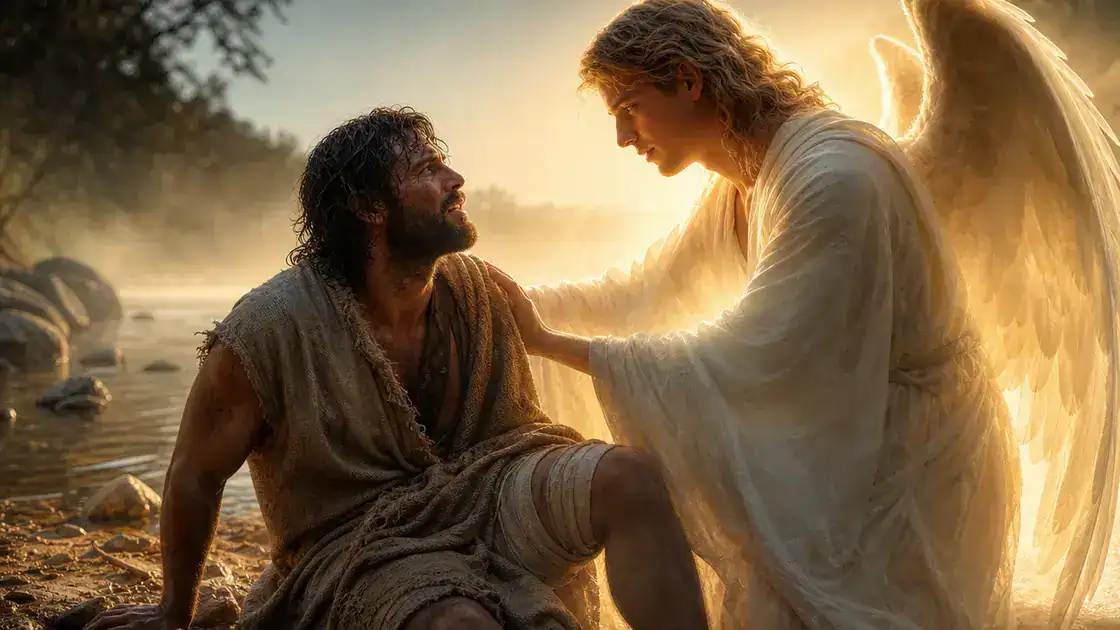
Scripture shows angels in many simple, vivid ways that feel close to everyday life. Sometimes they come as sudden light or a voice in a dream, and other times they appear as ordinary travelers who share a meal. In Genesis, Abraham welcomes three visitors; in Luke an angel speaks softly to Mary. These moments teach that angels often arrive as messengers who bring God’s word into our ordinary world.
Once they have spoken, angels often act to guide, protect, or carry souls into God’s care. The stories of Daniel and of Peter’s release from prison show angels moving with purpose to guard and free. At other times, like in Revelation, angels stand before God’s throne, offering praise. This range of action reminds us that angels serve many roles but always point us back to God.
For devotional life, these portraits invite a gentle attentiveness rather than fear or spectacle. We can learn to notice kindnesses, sudden guidance, or a peace that feels like a presence at our side and to name those moments as part of a larger holy story. While we honor their work, the heart of the practice is simple: receive their help gratefully and let their ministry deepen your trust in God’s care.
Saints in Scripture and tradition: human holiness made visible
Scripture and the Church present saints as ordinary people whose faith became visible in loving acts and quiet endurance. Think of Abraham’s steady trust, Mary’s humble obedience, or Stephen’s calm forgiveness as he faced death. These stories do not make them distant heroes; they show human holiness made visible in daily choices and in moments of trial.
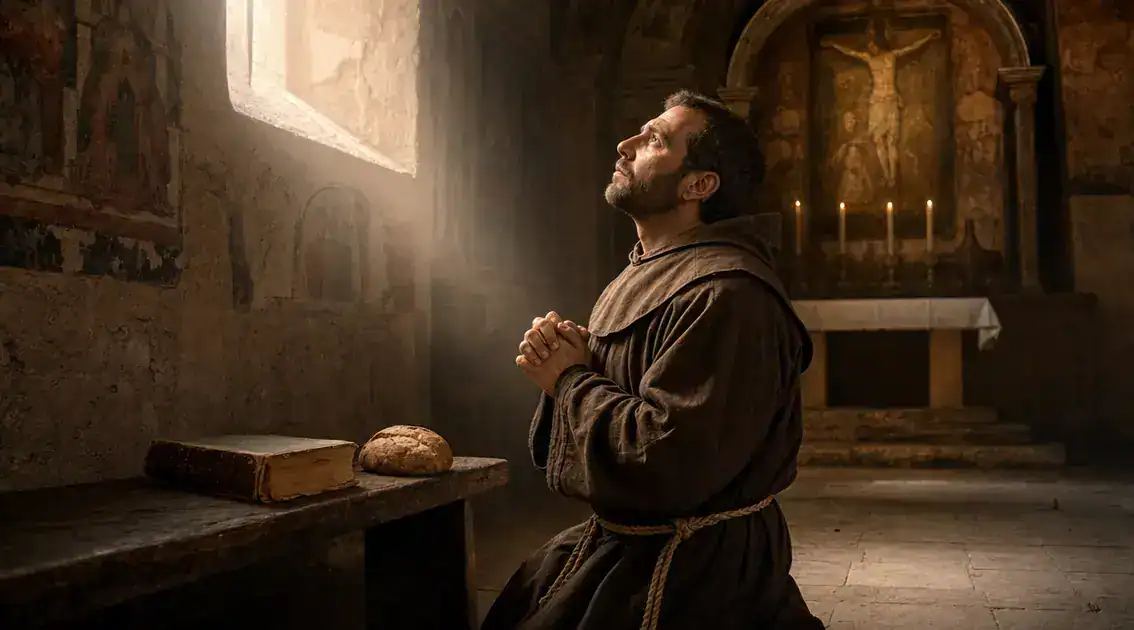
Over time, the Church has remembered many who lived this same path: martyrs who gave their lives, mystics whose prayer burned bright, and simple servants who fed the poor. Saints like Francis, Teresa, and Augustine are not models of perfection but companions who show particular ways of following Christ. Their lives teach practical habits—prayer, mercy, patience—that any believer can try to weave into a small, steady routine.
That witness shapes how we live and pray today. We learn to watch for humble gestures of grace and to imitate virtues rather than seek signs. In devotion, we ask saints to pray with us, trusting their witness, while keeping God at the center; this is veneration, not worship. Their stories invite a gentle courage: to be faithful in small things until holiness quietly shows itself in our lives.
Ontological difference: created spirits versus glorified humans
In Scripture angels are presented as created spirits, beings made by God who exist without a human body. They move with purpose as messengers and servants, often appearing suddenly in light or dreams to bring God’s word. Because they are spiritual, their way of knowing and acting is different from ours, yet their service always points back to God’s care for the world.
Humans, by contrast, are made in the image of God and live as body and soul together, bound to time and place until God restores all things. The hope of the gospel is that our mortal life will be transformed into a new, embodied glory—what Scripture calls the glorified life after resurrection. Saints are thus not another species of creature but human beings who show, by grace, what our faithful destiny looks like.
This is an ontological difference: angels and glorified humans belong to different orders of creation, each reflecting God’s power in distinct ways. Yet both join in the same worship and service to the Creator, which invites reverent awe rather than confusion. In prayer we may look to angels as faithful servants and to saints as beloved companions who share in Christ’s redemption, keeping God at the center of our devotion.
Roles and missions: messenger, protector, intercessor
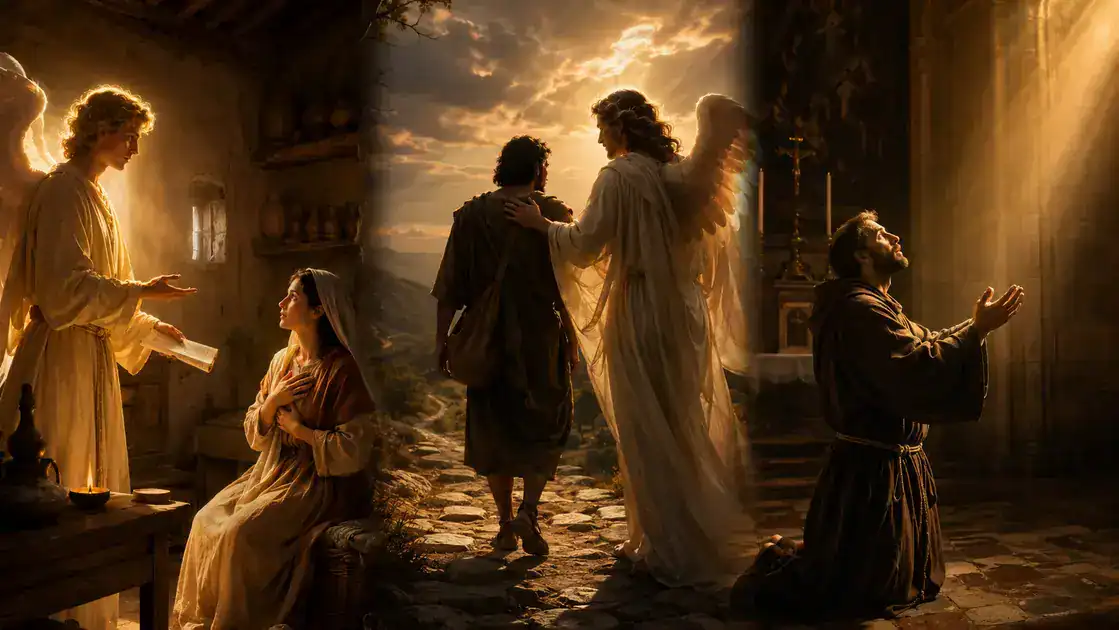
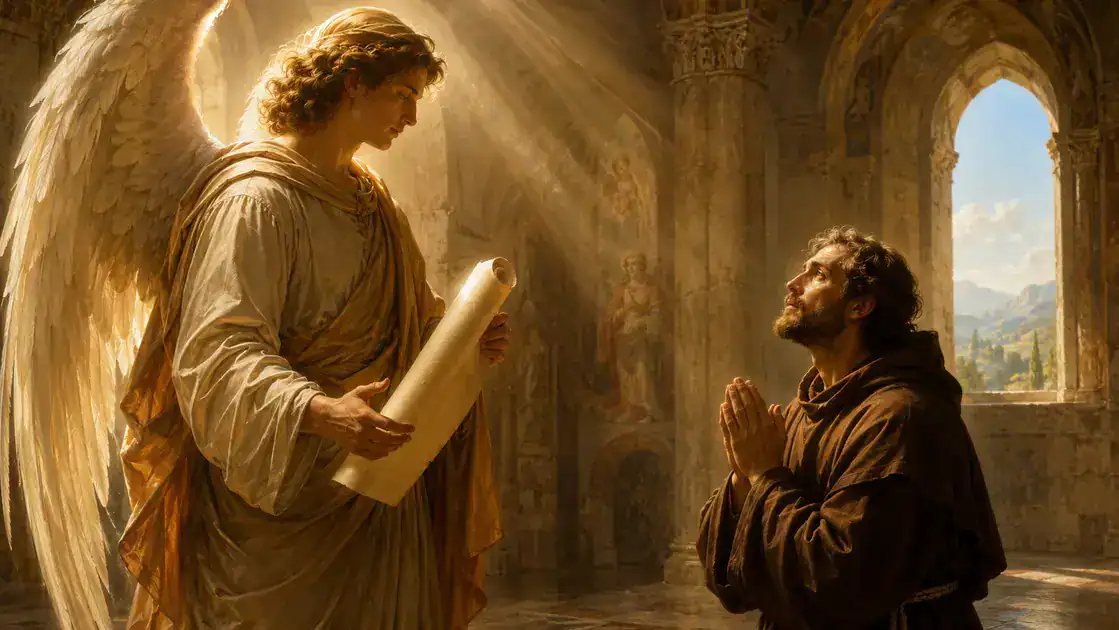
Angels often come as clear, simple messengers who bring God’s word into ordinary moments. In Scripture they speak, warn, or announce good news—think of Gabriel’s visit to Mary or the angel who told the shepherds of Christ’s birth. These encounters are not meant to dazzle so much as to deliver a message that points us to God’s will and comfort.
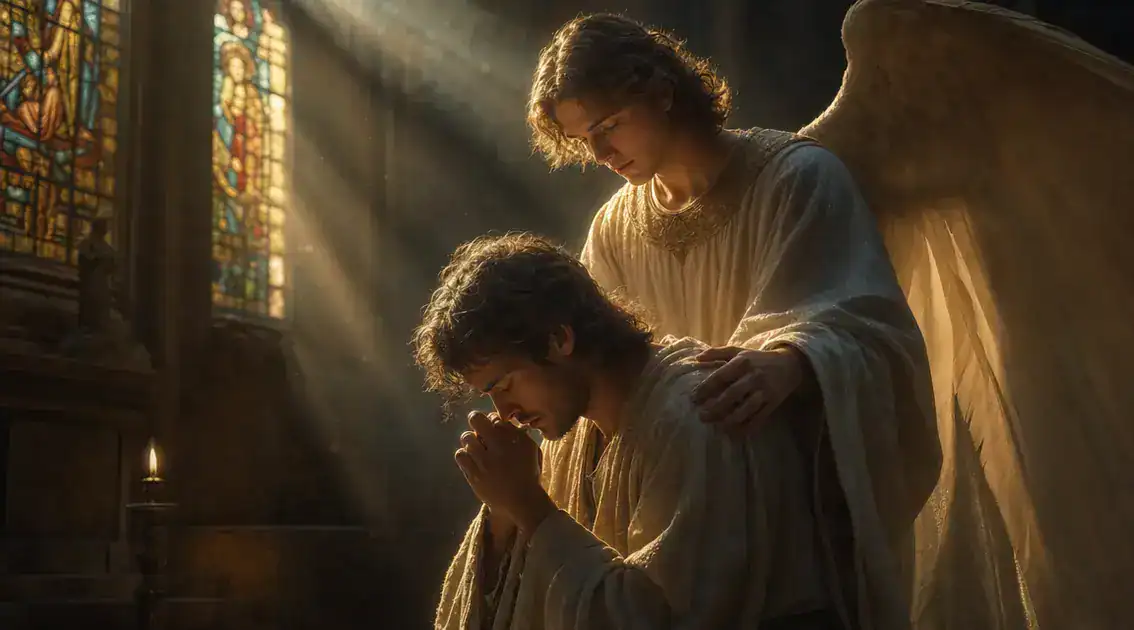
They also act as protectors, moving with care when danger approaches. Biblical scenes like Daniel in the lions’ den or Peter freed from prison give us images of divine protection, and many believers speak of quiet, timely help in real life. Such experiences remind us of God’s care made real through unseen ministry, inviting trust in a protective presence that watches over our steps.
Saints, for their part, join this ministry through prayer and example. They are human companions whose lives show how to follow Christ, and the Church asks them to pray with us and for us. This practice is a form of intercession—asking faithful friends to lift our needs before God—always keeping Christ as the center of our hope. In this way angels and saints work together under God’s hand: angels as messengers and guardians, saints as models and prayerful companions in the life of faith.
Devotional life: how to relate to angels and saints in prayer
When we pray, we can speak simply and honestly to God and also ask for help from those who already share in Christ’s life. Many begin with a short, plain request to their guardian angel—“Protect me today”—or a humble ask to a saint for support in a struggle. These moments are small but steady practices that make prayer habitual and close the gap between the life we live and the life we long for.
In liturgical and private prayer, the Church encourages asking saints to pray for us as we would ask a friend to pray. This is intercession—not a substitute for Christ, but a way to join our needs to the prayers of those who love God. Simple forms work best: a single breath prayer, the reading of a short scripture, lighting a candle in quiet thanks, or keeping a saint’s example nearby to inspire daily mercy and faith.
Discernment matters as we form these habits: stay humble, keep God at the center, and avoid searching for signs or sensations. Let devotion grow through small acts—reading a saint’s story, offering a morning intention, or pausing to ask your guardian angel for guidance. Over time, these gentle rhythms shape a steady heart that listens, serves, and trusts without confusion between worship and veneration.
Pastoral discernment: worship, veneration, and healthy devotion
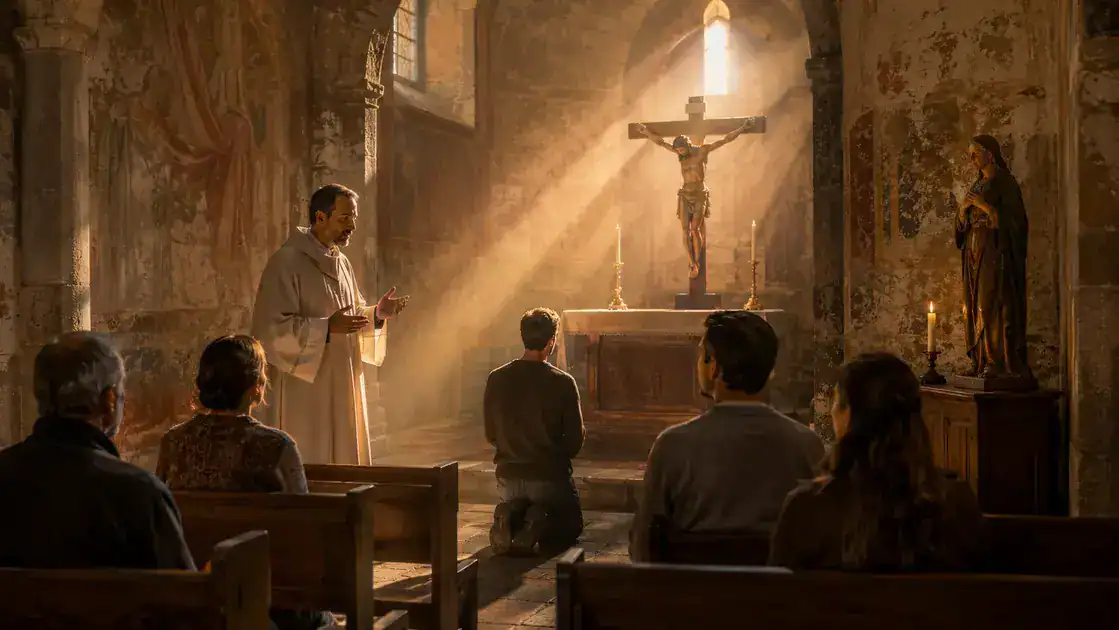
Pastors and trusted guides often help believers see the fine but vital difference between honoring a holy person and giving God alone our highest praise. Worship is due to God alone and is shown by prayer of adoration, sacrifice, and total trust. Veneration honors a saint’s life and asks that they pray for us; it points us back to God through the witness of another human being.
One sign of healthy devotion is that it draws you closer to Christ and to your neighbor. When prayer leads to more love, patience, and service, it is nourishing. If a practice promises secret powers, demands exclusive focus on a relic, or replaces regular prayer to God, that should prompt careful discernment and wise counsel. Healthy devotion is simple, humble, and Christ-centered.
In pastoral practice, leaders teach by word and example, gently correcting excesses and encouraging habits that feed the soul. Ask a spiritual director or pastor when unsure, and measure any devotion by its fruit: greater charity, steadier prayer, and deeper trust in God. These tests help keep worship and veneration distinct, so devotion remains clear, humble, and rightly ordered toward the Creator.
A gentle closing prayer
In Scripture and in our lives we find that we are never alone. Angels watch, saints guide, and God holds us close through every small day.
Lord, grant us a quiet heart to notice your tenderness. Help us to welcome promptings of kindness, to ask for help, and to pray with honesty. Give us wisdom to honor your saints without losing sight of you.
May this truth change how we live: a short prayer when we wake, a kind word in the street, a steady trust when fear comes. Let these small habits build peace and more loving choices.
Go in calm hope. Carry this sacred company into each hour, and may peace rest with you today and always. Amen.
FAQ – Common questions about angels and saints
What is the basic difference between an angel and a saint?
Angels are created spiritual beings who serve God and act as messengers or guardians (Revelation 5:11). Saints are human persons who lived in faithful union with Christ and now share in his redeemed, glorified life (1 Corinthians 15:42–44; Hebrews 12:1). The difference is ontological: two distinct orders of God’s creation, both drawn into worship of the Creator.
Can angels and saints both intercede for us?
Yes. Scripture and tradition show that both play roles in God’s care: angels carry out God’s service and protection (Acts 12; Psalm 91:11), while the saints are commended as a cloud of witnesses who pray for the living (Hebrews 12:1). Asking for their prayer is asking fellow members of God’s family to hold our needs before the Lord.
If I ask a saint to pray for me, am I worshiping them?
No. Worship (adoration) belongs to God alone. Asking a saint to pray is a request for intercession—similar to asking a trusted friend to pray with you—and is understood in tradition as veneration, not the worship due to God.
Does the Bible teach that each person has a guardian angel?
The Bible gives examples of angelic protection and points to personal care (Matthew 18:10; Psalm 91:11), and Acts shows angels intervening in people’s lives (Acts 12). Many Christian traditions read these passages as support for the care of guardian angels, though pastoral emphasis remains on trusting God above all.
How can I tell if a devotion to a saint is healthy?
Healthy devotion draws you nearer to Christ and your neighbor, producing charity, patience, and steadier prayer. If a practice replaces direct prayer to God, seeks secret powers, or causes fear or obsession, seek pastoral guidance and gently re-center your devotion on Christ as the source of grace.
Will I become an angel when I die, and what does being glorified mean?
No—you will not become an angel. Scripture teaches that believers hope for a transformed, glorified body in the resurrection (1 Corinthians 15:51–54; Philippians 3:20–21). Saints are glorified humans who reflect God’s life; our destiny is to be renewed as fully human, not turned into angels.