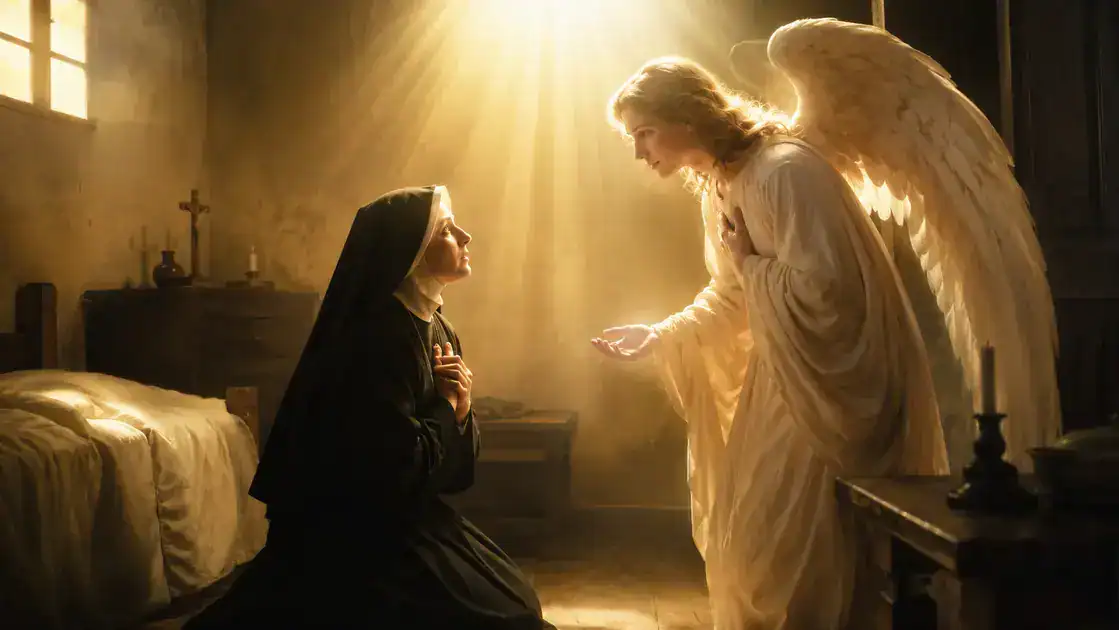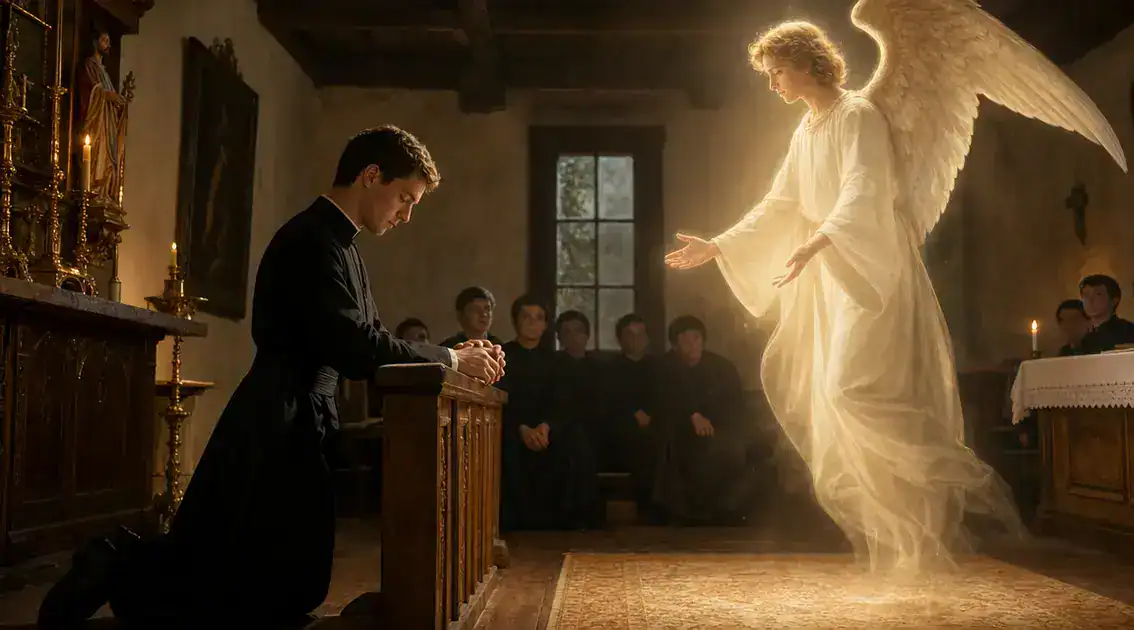

Saint John Bosco’s angelic visions were nocturnal, prophetic dreams in which angels offered guidance, protection, and vocational clarity that shaped his preventive ministry for youth, translating symbolic messages into schools, oratories, and pastoral practices grounded in Scripture and the fruit of charity.
saint john bosco angelic visions — have you ever wondered why some dreams arrive like invitations rather than mere images? These visions quietly shaped a priest’s care for youth, offering gentle warnings, consolation, and vocational guidance that still speaks to pastoral life today.
The dreams that shaped Don Bosco’s ministry
Many of Don Bosco’s deepest convictions began in sleep, where images arrived with the quiet authority of prayer. In those nights he saw angels, frightened children, and clear signs that pointed toward care and protection. These scenes did not feel like puzzles to solve but like gentle invitations — nudges that shaped how he woke and how he worked with young people each day.
His dreams often carried simple, vivid symbols: a guiding figure leading children to safety, a crossroads resolved by a clear light, or a voice that named a vocation. This fits a long biblical pattern of God speaking through sleep — think of Joseph in Scripture, who received direction and warning in dreams. For Don Bosco, the visions were both comfort and commission, rooted in a trust that God can meet the tender and troubled in humble, nocturnal ways.
Those nocturnal events soon became practical: the lessons he received turned into schools, workshops, and the preventive method that placed affection before punishment. What began as a vision became a ministry habit — listening, discerning, and responding with steady pastoral care. Today, these stories invite us to value imagination and prayer together, to practice discernment when spiritual promptings appear, and to let compassion born in silence guide everyday work with youth.
Angelic figures and their symbolic roles in his visions

In Don Bosco’s dreams, angels rarely appeared as distant beings. They came with clear purposes that felt like gentle instructions. One might stand with a small lamp, showing a path through dark streets. Another would gesture toward a door or a school, as if naming a place of safety and learning. These roles made the visions easy to read for a pastor who trusted signs more than fancy visions.
There is a strong echo of Scripture in these images. The angel who points the way recalls the biblical idea of a messenger who brings direction, like Gabriel announcing a task. The figure who stands guard beside a child recalls the notion of a protector, much like Michael who defends the faithful. Don Bosco’s dreams mix these roles, using light, gesture, and place to speak in a language both simple and rich.
Those symbolic roles shaped how he cared for youth. When a dream showed guidance, he built schools and workshops to follow that light. When a vision suggested protection, he created homes and rules that kept children safe and free to grow. The result was a pastoral method born from images — a practice that invites us to pay attention to small, symbolic nudges and to let them shape compassionate action today.
Scriptural echoes: biblical precedents for prophetic dreams
Scripture often treats sleep as a thin place where God can speak simply and kindly. Think of Jacob’s ladder — a quiet image of heaven touching earth that reassured a frightened pilgrim. In the same family of stories, Joseph received vivid dreams that named futures and warned of danger, showing that God can use the language of images to form a person’s path.
Later books deepen that pattern: Daniel’s visions use symbols and angelic explanation to trace hope and trial across years. These episodes remind us that prophetic dreams are not private fantasies but communicative signs, often needing interpretation and care. The presence of a guiding messenger in these scenes points to a consistent biblical truth: God may send direction through images, accompanied by a spirit who helps us understand them.
By the time of the Gospels, dream-messages still appear — the spouse of Mary is warned and guided in sleep so the child will be kept safe. This thread — guidance, warning, and vocation — runs through the whole Bible and helps us read Don Bosco’s dreams with charity. When we encounter a strong inner image or a nocturnal message, prayerful discernment, wise counsel, and quiet obedience help us test its origin and follow what brings life to others.
How visions informed his educational and pastoral methods
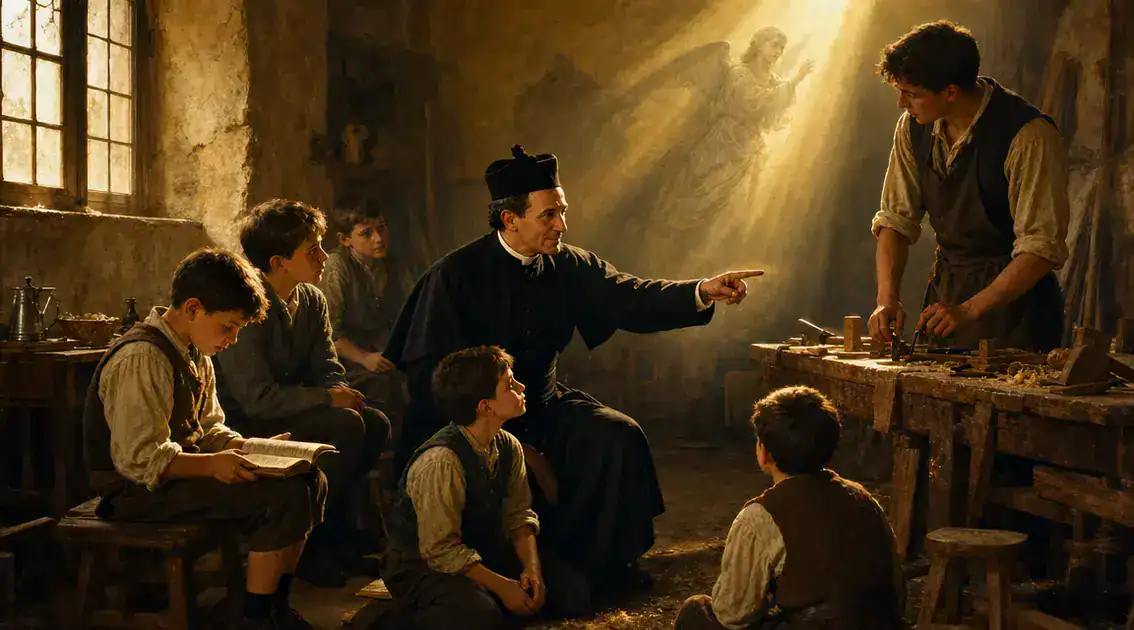
Don Bosco’s visions gave him a clear sense of what young people needed. In dreams he saw frightened boys led into safe rooms, learned hands teaching trades, and gentle faces offering patience. Those images were not abstract ideas; they became a map for daily work with children.
He translated those maps into practice by opening oratories, schools, and workshops where learning and care went together. The rooms were simple, but the rules were shaped by a deep trust in kindness. This practical shape of ministry is often called the preventive method: guiding youth with reason, faith, and warmth rather than fear.
Because his methods grew from visions, they always held a devotional heart. Prayer, clear instruction, and practical skills sat side by side so a boy could feel known and useful. Today that blend invites caregivers to match loving attention with structure, to listen for quiet promptings, and to let compassion guide daily teaching and discipline.
Discernment and reception of prophetic dreams in today’s ministry
Discernment begins in a posture of prayerful listening, not quick judgment. When someone shares a vivid dream, the first response is quiet attention and humble prayer, inviting God’s presence into the conversation. This opens space for the community to weigh the image together, remembering the biblical call to test the spirits and to seek what builds up the body of Christ.
Practical steps follow naturally from that prayerful stance: compare the dream with Scripture, note its fruits in the life of the dreamer, and bring it before a trusted spiritual advisor or pastoral team. Look for signs of love, peace, and charity—these are the plain tests of authentic spiritual fruit. A helpful guide is to ask whether the message prompts service, repentance, or deeper trust, because genuine guidance tends to draw people closer to Christ and to one another.
Reception in ministry needs both care and courage. When a dream seems life-giving, leaders can gently integrate its guidance into prayer, formation, or pastoral practice while keeping clear boundaries and protective care for vulnerable youth. This means offering support, wise counsel, and measurable steps rather than declaring certainties. By balancing openness with prudent oversight, communities can honor the sacredness of such experiences while tending to the common good with steady, loving wisdom.
A gentle closing prayer
Lord of quiet visions, you who meet us in sleep and in longing, stay near our hearts. Teach us to listen when images come as soft invitations rather than loud commands. Let our dreams lead us toward care, not fear.
We remember Saint John Bosco and the angels who guided his work for youth. May his tenderness shape our choices and steady our hands. Help us to see small nudges as calls to mercy, and give us humble wisdom to follow what brings life to others.
Give us courage to turn prayer into action each day. Let compassion shape our homes, schools, and streets so a child finds shelter and a young person finds guidance. May our ordinary tasks be ways to answer gentle promptings of grace.
Hold us in peace as we go. May the light that visited those dreams brighten our steps and keep us faithful in little things. Send us forth to serve with patience, hope, and wonder. Amen.
FAQ – Questions about Saint John Bosco, prophetic dreams, and angelic guidance
Did Saint John Bosco really experience angelic visions, and how does the Church view them?
Yes. Don Bosco reported many nocturnal visions that shaped his pastoral work with youth. The Church recognizes such private revelations in the lives of saints as potentially helpful for devotion, while teaching that they do not add to the deposit of faith. Saints’ experiences are received with prudent discernment and are weighed by their consistency with Scripture, the life of the Church, and the fruit they produce in charity and holiness.
How do Don Bosco’s dreams fit with biblical examples of prophetic dreams?
They fit a long biblical pattern: Jacob’s ladder, Joseph’s dreams, Daniel’s visions, and the angelic warnings in Matthew are all instances where God used images or messengers to guide people. Like those biblical examples, Don Bosco’s nocturnal images offered guidance, protection, or vocational clarity rather than new doctrine. Scripture shows that God can speak through dreams to direct and console (see Genesis 28; Matthew 1:20; Daniel).
How can a pastor or leader discern whether a dream is from God?
Begin in prayer and test the spirit (1 John 4:1). Ask whether the dream aligns with Scripture, leads to love and good fruit (Galatians 5:22–23), and fosters humility and service rather than pride. Seek the counsel of a trusted spiritual director or a pastoral team, observe the long-term fruits in the dreamer’s life, and proceed with cautious, prayerful steps rather than immediate public claims.
What practical changes did Don Bosco make when his visions pointed to youth needs?
He translated images into concrete care: oratories, schools, workshops, and homes where learning, prayer, and affection were joined. His approach—often called the preventive method—stressed reason, religion, and loving kindness over punishment. In short, he let visions shape structures that protected and formed young people in body, mind, and spirit.
Are prophetic dreams common today, and how should ordinary believers respond to vivid dreams?
Prophetic dreams are relatively uncommon and should be treated with humility. When a vivid dream occurs, respond with prayer, Scripture, and wise counsel rather than immediate certainty. Test its fruits: does it encourage charity, repentance, and trust in God? If so, it may bear spiritual value; if it brings confusion or fear, seek guidance and pastoral care.
Listen with gentle attention and prayer, offer a safe, non-sensational space, and compare what is shared with Scripture and healthy spiritual practice. Bring the matter before a trusted mentor or pastoral team, provide emotional and spiritual support, and ensure safeguarding and pastoral boundaries. Encourage service, formation, and humility so the experience leads to growth in faith and charity rather than personal exaltation.