
Who created the angelic hierarchy: a late‑antique mystical theologian known as Pseudo‑Dionysius articulated the ninefold ordering, and medieval authorities such as Thomas Aquinas wove his devotional reading with Scripture and tradition to present an enduring, prayerful map of heaven’s ordered roles.
Have you ever wondered who mapped the ranks of heaven? who created the angelic hierarchy; I follow Scripture, Pseudo-Dionysius, and medieval theologians to reveal a living tradition that guides devotion and quiet awe.
Origins in Scripture: angelic orders from Genesis to Revelation
From the first pages of Scripture we meet angels in different roles that reveal a sacred pattern rather than a neat chart. In Genesis we see the cherubim placed to guard Eden and angels who visit Abraham as messengers, gentle and urgent at once. These early scenes set a tone: angels act for God, moving between heaven and earth with a clear purpose.
Prophetic visions deepen that portrait. Isaiah’s fiery vision names the seraphim around the throne, and Ezekiel describes living creatures like cherubim with layered faces and motion. The Gospels show angels as compassionate messengers—announcing the birth of Christ and ministering to him in trial—while Revelation offers a sweeping liturgy where many kinds of heavenly beings gather in ordered worship.
Scripture never hands us a formal taxonomy, but its pages give repeated, faithful glimpses of roles and relationships. These scenes invite us to see angels as servants of God, worshipers before the throne, and ministers to humanity, a vision that comforts and calls us to reverent trust. As we read, each biblical glimpse adds a brushstroke to a living picture of heaven’s ordered care.
Theologians who shaped the classification: Pseudo-Dionysius to Aquinas
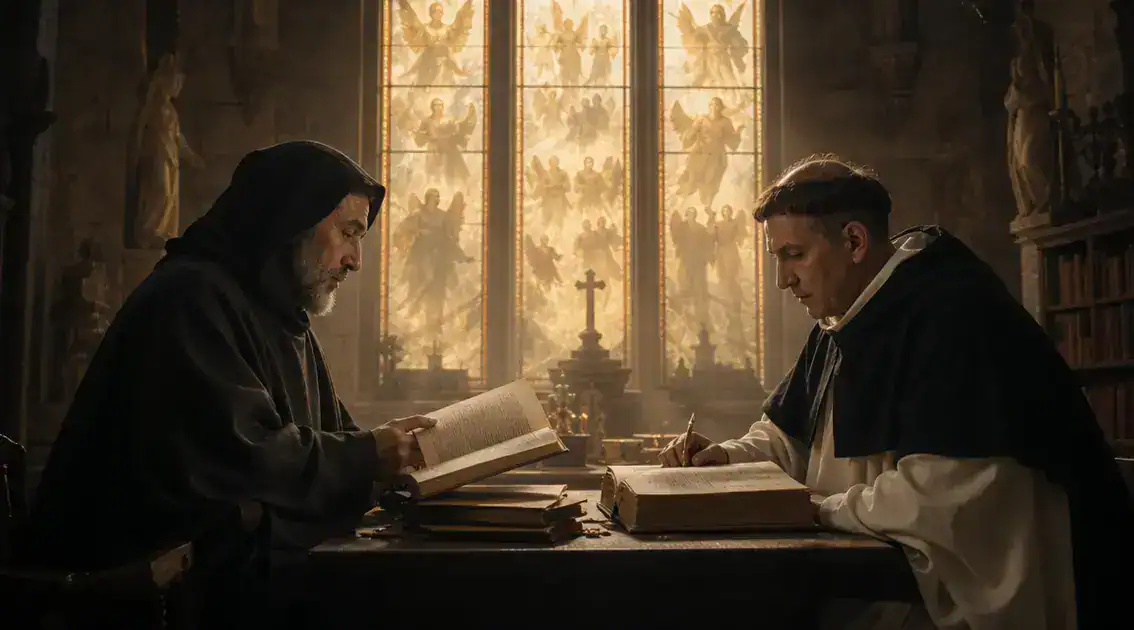
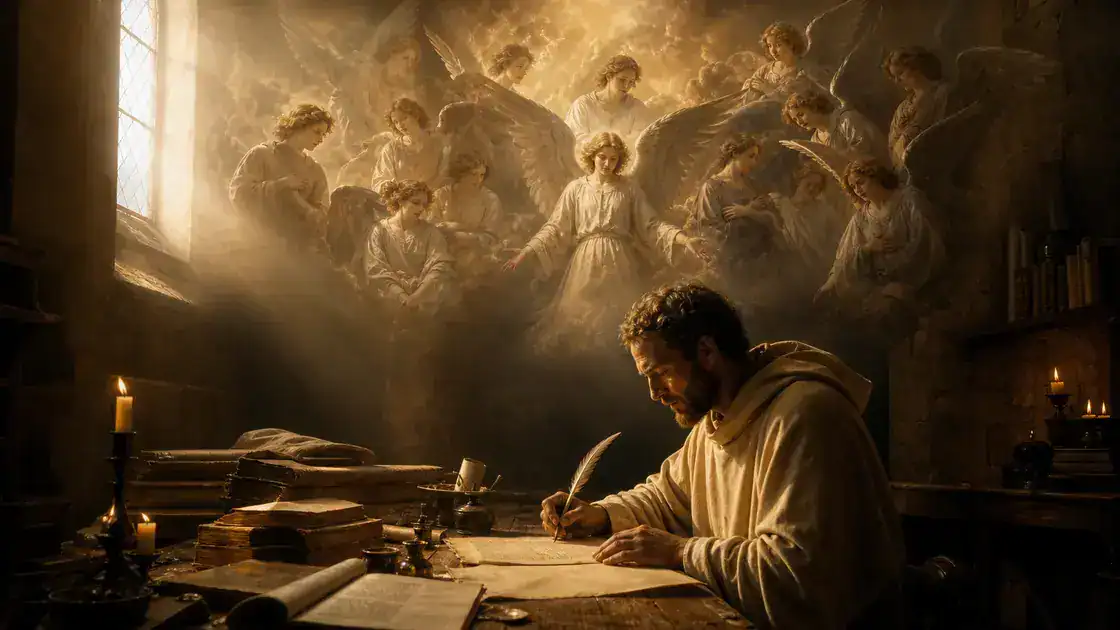
Many of the labels we use for angels came from a monk writing under the name Pseudo-Dionysius. In the late centuries he offered a vision of heaven arranged in three spheres, naming a pattern often called the nine orders. He wrote not to classify for pride but to give a spiritual map that leads the soul upward toward God.
Centuries later, thinkers such as Saint Thomas Aquinas read and shaped that picture for the life of the church. Aquinas kept the poet’s sense of wonder while clarifying how these beings serve as messengers, guardians, and worshipers who act for God’s will. His work helped pastors and teachers place the heavenly order alongside Scripture and sacrament without turning it into a strict ladder of power.
The result is a tradition that feels devotional and useful rather than merely academic. Those who pray with these names often find a calmer faith, a sense that the world is held by ordered love. Even as scholars continue to debate origins and detail, the classification invites us to worship with humility and trust in heaven’s care.
How Pseudo-Dionysius structured the celestial hierarchy
Pseudo-Dionysius wrote with a quiet, prayerful voice that shaped how many Christians imagine heaven. He proposed a visible pattern in the invisible world, naming a structure of three spheres that gather the life of heaven around God. He did not intend a cold catalog but a living map to help the soul move toward divine light through contemplation and worship.
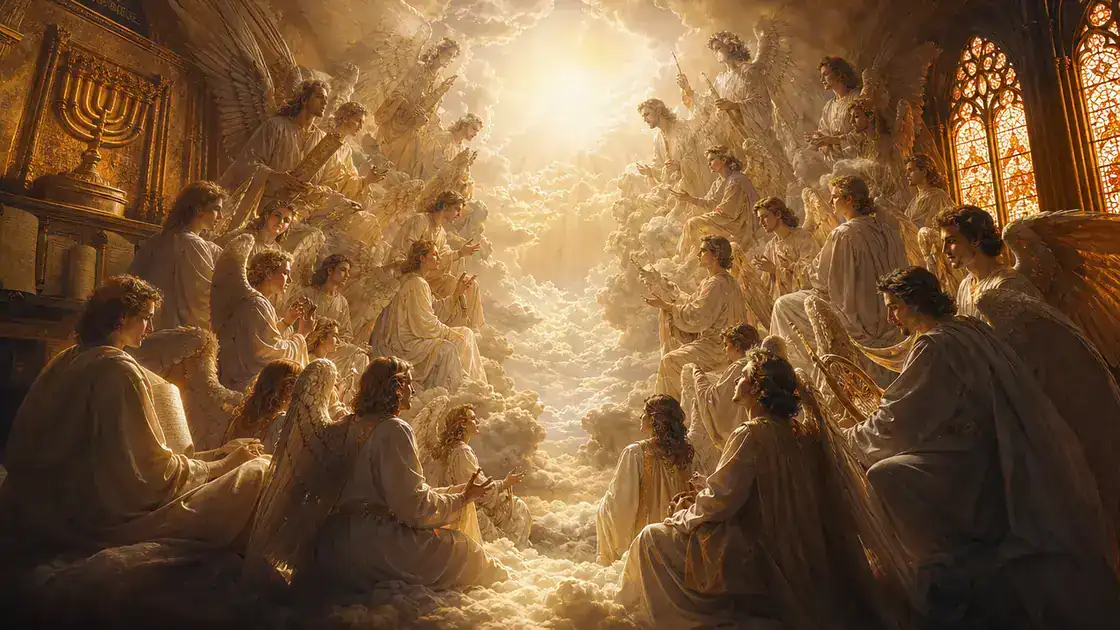
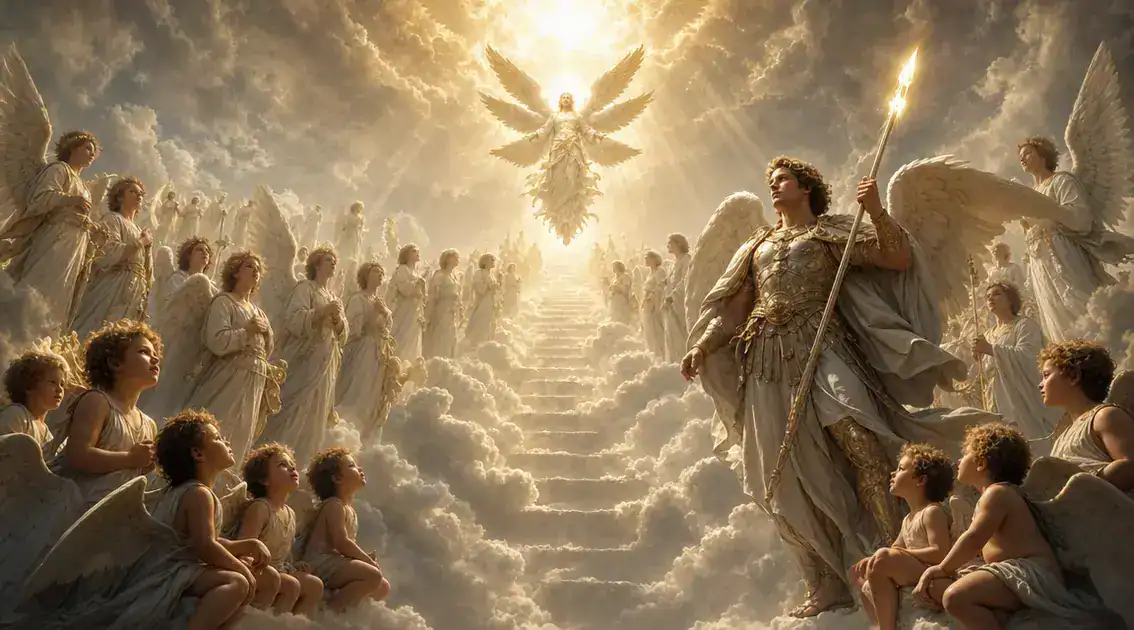
Within those spheres he speaks of the nine orders, each with a gentle role in God’s work. The first sphere includes seraphim, cherubim, and thrones—beings closest to God’s face. The second sphere holds dominions, virtues, and powers—those who order creation and sustain holy strength. The third sphere brings principalities, archangels, and angels—those most present in human life and history. This arrangement helps readers see degrees of participation in God’s glory rather than a hierarchy of prestige.
Pseudo-Dionysius used an apophatic way of speaking, meaning he named heaven by what it is not, so a seeker learns by wonder and silence as much as by words. His aim was devotional: to guide prayer, deepen humility, and lift the heart toward union with God. When we read his description, we are invited not to master a system but to enter a path of ascent, where each rank points us to praise and simple trust in the ordered love that holds all things.
Biblical passages most cited in angelic orders
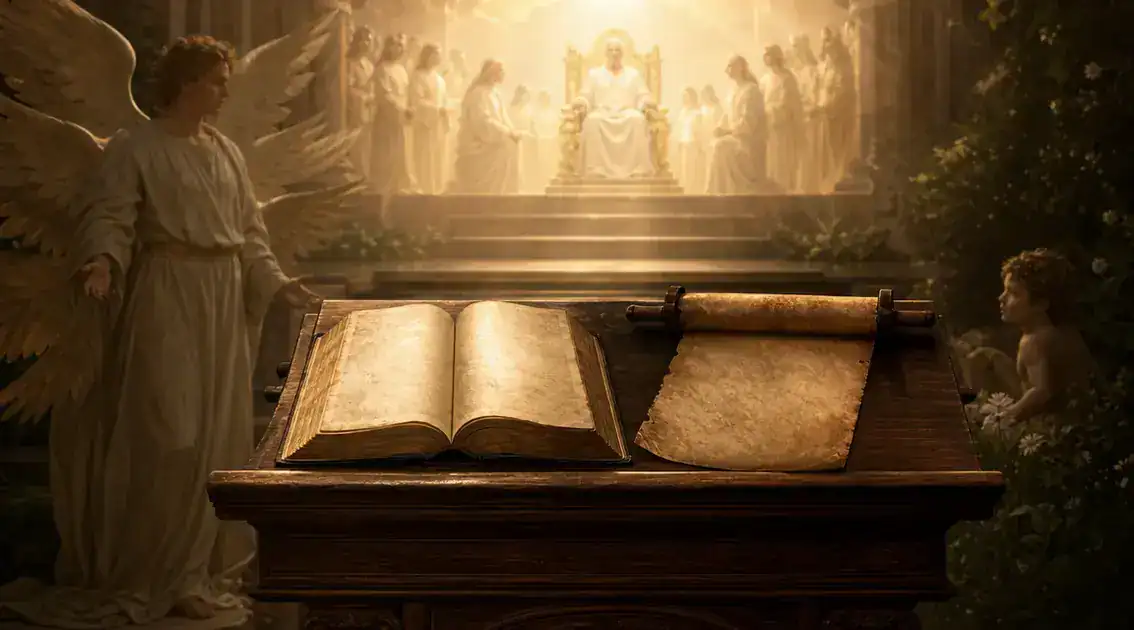
Many of the Old Testament visions are the first sources scholars and worshipers cite when speaking of angelic orders. In Genesis we meet the cherubim guarding Eden, a striking image of holy presence and boundary. Isaiah 6 gives us seraphim circling the throne with voices of praise, and Ezekiel’s living creatures offer complex, moving symbols of God’s power and care. These texts provide vivid roles more than a neat list.
The New Testament adds clarity about how angels act among us. Luke’s account of the annunciation names Gabriel as a messenger, while Matthew and the Gospels show angels serving, announcing, and protecting. Hebrews calls them ministering spirits, and Revelation unfolds a wide, ordered liturgy of heaven around the throne. Together these passages sketch both function and worship across Scripture.
Rather than handing down a single chart, the Bible supplies scenes and roles that later teachers wove into a pattern. Readers over the centuries have gathered these motifs—throne-room worship, messenger ministry, guardianship—and used them to form a devotional map of heaven. When we read these passages slowly, they invite prayerful wonder and a trust that God’s ordered care surrounds our lives.
Spiritual meaning: what the ranks reveal about divine governance
The ranks of angels teach us to imagine divine rule as ordered love rather than raw power. When Scripture and tradition name different orders, they are showing how God’s care reaches every level of life—from the throne-room of heaven to the quiet corners of our days. This helps us trust that authority in heaven is first of all loving and wise.
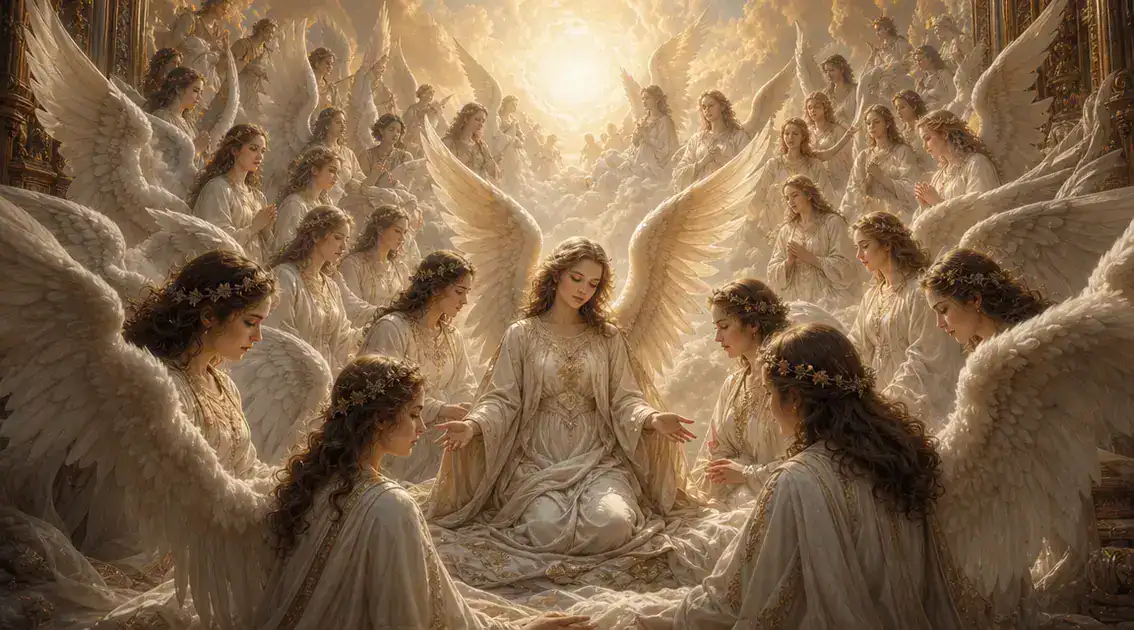
Each rank shows a way that heaven governs the world: some angels are drawn to constant praise near the throne, others keep the cosmos in steady motion, and still others carry messages and guard people. Seeing these roles together lets us feel the whole of God’s work as coherent and kind. The picture is less about rank for pride and more about varied service in one divine purpose.
That vision has clear devotional value: it invites humility, steady prayer, and a calmer courage in daily life. Knowing that creation is held by a web of ordered care can free us from fear and call us to worship and service in our small places. When we match hope with action, the heavenly order becomes a model for how we live with others under God’s steady, loving rule.
Devotional practice: encountering angelic presence today
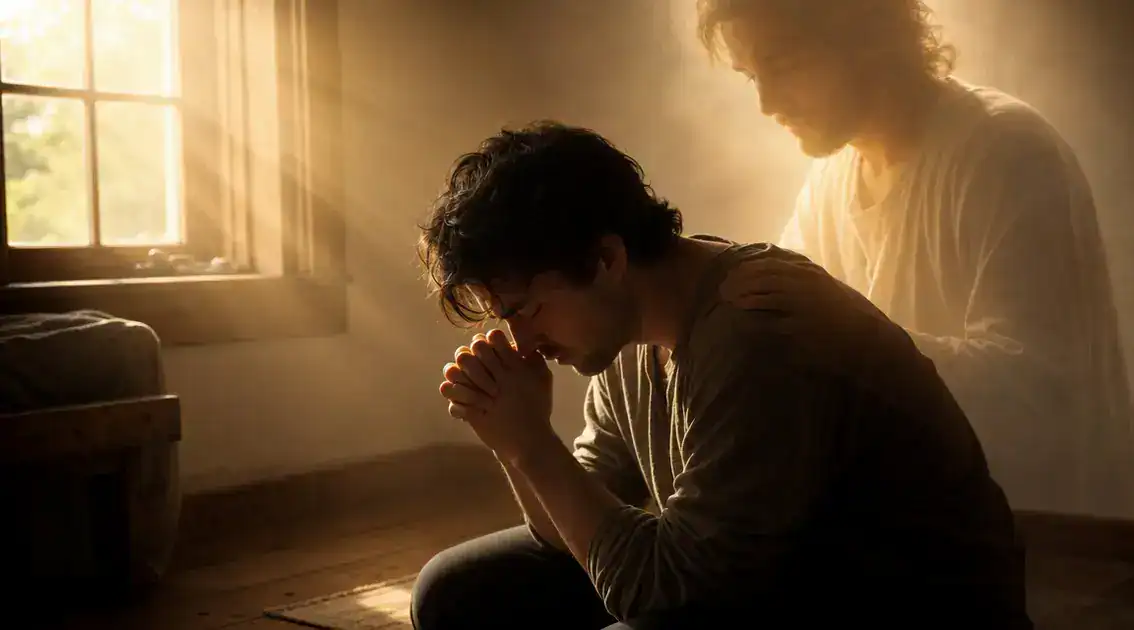
Learning to sense angelic presence begins in small, steady practices of prayer and attention. Sit with Scripture, breathe slowly, and let a short prayer invite quiet. In these simple habits we open a gentle space where the soul can notice kindness, consolation, or a sudden clarity that feels like a nudge from beyond our own thoughts. This is not about visions but about a felt nearness that steadies the heart.
Many find helpful rhythms: a daily examen to name moments of peace, a brief invocation of a guardian angel before sleep, or listening in silence after Communion. These practices train the will to discern what deepens faith and what excites the imagination. When prayer leads to calmer love and clearer service, it is a trustworthy sign that grace is at work rather than mere emotion.
Finally, encountering angels today shapes how we live with others. A life attentive to heaven grows kinder, more patient, and more ready to serve the weak. Look for small promptings to mercy and for courage to act in love; test every interior sense by Scripture, charity, and humility. In this way the ancient map of ranks becomes a living help: not a list to master, but a guide that draws us into worship and service in daily life.
A Prayer to Carry into the Day
Lord, thank you for the quiet company of heaven that watches with gentle care. As we close this time of reading, help us remember that the images of angels point to God’s ordered love, not to distance or fear. Let that truth settle our hearts and steady our steps.
Give us eyes to notice mercy in small things and ears to hear the soft promptings that lead us to kindness. When worry or hurry comes, remind us to breathe and return to simple prayer, trusting the unseen care that holds our lives.
May our wonder become humility and our worship spill into service. Let the pattern of heaven shape how we treat one another, so our daily actions reflect the compassion we have received.
Walk with us now, steadying our hands and opening our hearts, that we may live each day with peace, hope, and a quiet trust in God’s faithful presence.
FAQ – Questions about the angelic hierarchy and its meaning
Who first proposed the classification of angelic orders?
The system most familiar to Christians comes from a late-antique writer known as Pseudo-Dionysius, whose works (the Celestial Hierarchy and The Divine Names) sketched a threefold ordering of heaven. He wrote in a mystical, devotional style; later theologians like Thomas Aquinas integrated his insights with Scripture and church tradition.
Are the nine orders of angels spelled out in the Bible?
The Bible does not present a formal ninefold chart, but it gives the building blocks: Genesis (cherubim), Isaiah 6 (seraphim), Ezekiel’s living creatures, Luke and Matthew (messenger angels, Gabriel), Hebrews 1:14 (angels as ministering spirits), and Revelation’s throne-room liturgy. Tradition weaves these passages into a coherent devotional pattern.
Is relying on Pseudo-Dionysius compatible with Scripture?
Yes, when read devotionally and with care. Pseudo-Dionysius does not replace Scripture but reflects on biblical images to guide prayer and contemplation. Church teachers (including Aquinas) treated his work as a theological and mystical resource to help the soul ascend toward God, always tested against Scripture and the life of the church.
Should Christians pray to angels or ask their help directly?
Christian tradition distinguishes prayer to God from devotion regarding angels. We do not worship angels; Scripture warns against that. Many traditions encourage asking God to send help through angels or invoking the protection of one’s guardian angel in a brief devotional way, while keeping prayer directed to God as the primary act of worship (see Matthew 4:10; Hebrews 1–2 for context).
What spiritual benefit does learning the ranks offer today?
Knowing the ranks helps shape a humble, ordered imagination of God’s care: angels as worshipers, sustainers, and messengers remind us that creation is held by ordered love. That vision can deepen prayer, steady hope, and inspire service, rather than feeding curiosity or pride.
How can I discern genuine spiritual consolation from imagination when I feel an angelic presence?
Test interior experiences by Scripture, charity, and peace. Genuine consolation leads to greater love of God and neighbor, humility, and clarity, not confusion or pride. Simple practices—reading the biblical texts about angels, quiet prayer, and seeking wise spiritual counsel—help you discern whether a sense of presence is comforting grace or something to be examined further.