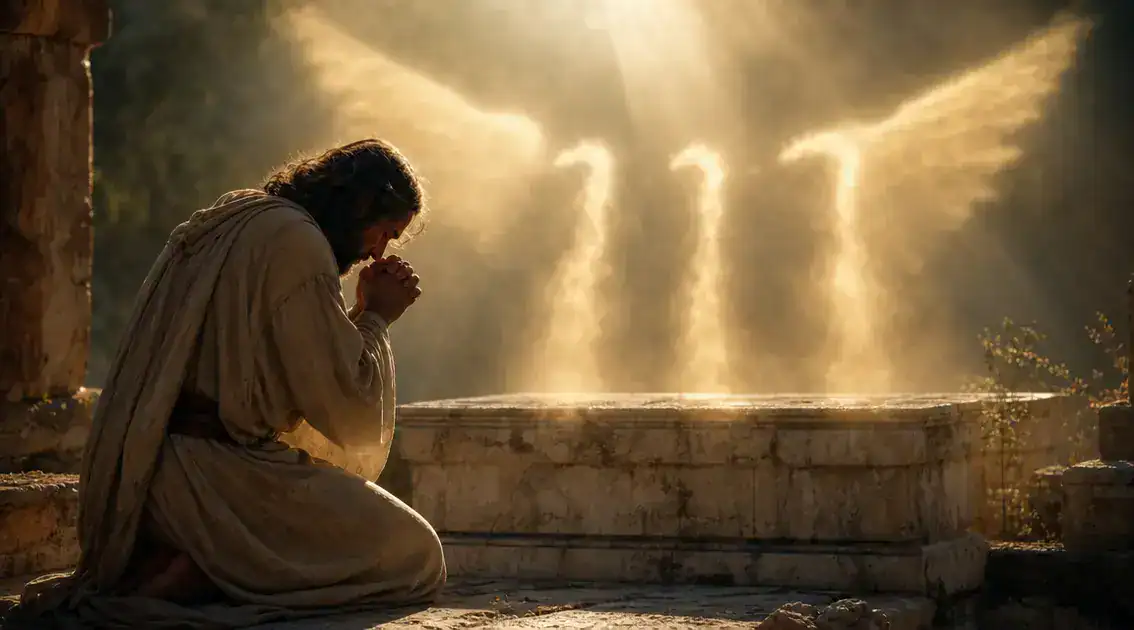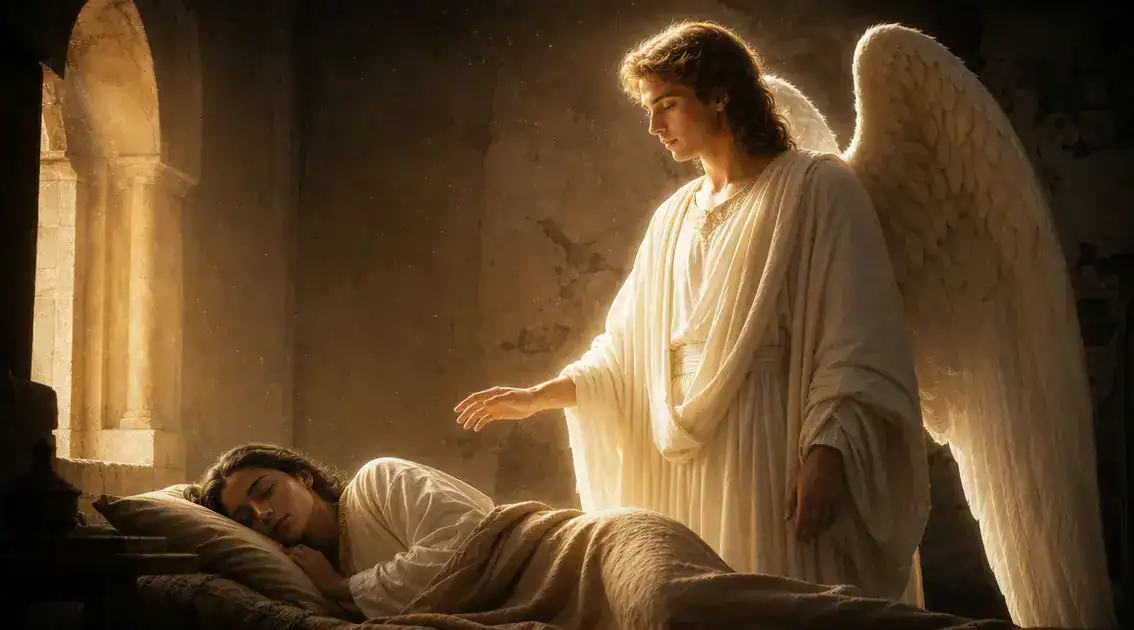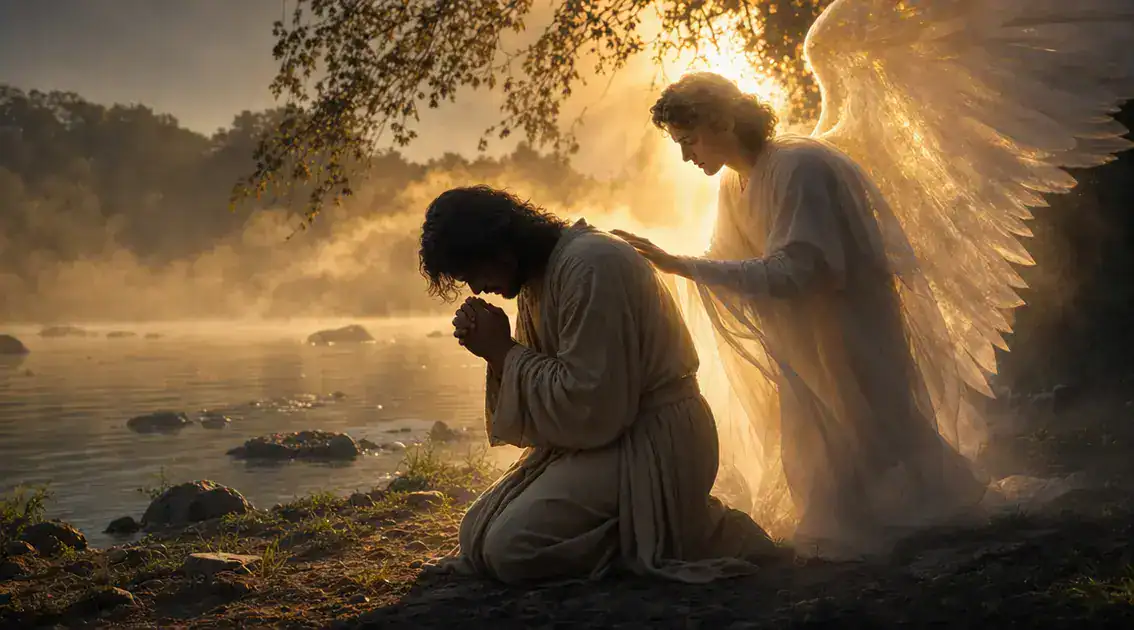

rainbow as angelic sign is read in Scripture and tradition as a visible covenant token that both reflects heavenly light around God’s throne and invites believers to recognize angelic mediation of divine mercy, prompting prayer, liturgical remembrance, and ethical care for creation as a living sign of God’s enduring promise.
rainbow as angelic sign — have you ever wondered why this arch of color can feel like a gentle, hopeful message from the divine? Come closer; the Bible and the saints offer surprising layers of meaning to explore.
Rainbow in Genesis: covenant and promise
After the flood, when the earth was quiet and the ark had come to rest, God placed a bow of light across the sky. In Genesis this arch becomes a sign of the covenant between the Creator and every living creature. The rainbow is given as a promise that life and mercy will be preserved, a visible pledge born from a sacred moment.
The band of color reaches from horizon to horizon, a bridge that links heaven and earth in a single gaze. Each time we see it, the rainbow calls us back to that vow. It is not only a natural wonder but a steady reminder of God’s faithful promise made after judgment and held through time.
For prayer and worship, the rainbow invites a simple, grateful response. When storms pass and color appears, we can pause, recall the covenant, and let that memory shape our trust. In quiet devotion the sign asks us to live with hope, to remember mercy, and to bear witness to the ongoing care that the covenant promises.
Angelic imagery and the spectrum in Scripture
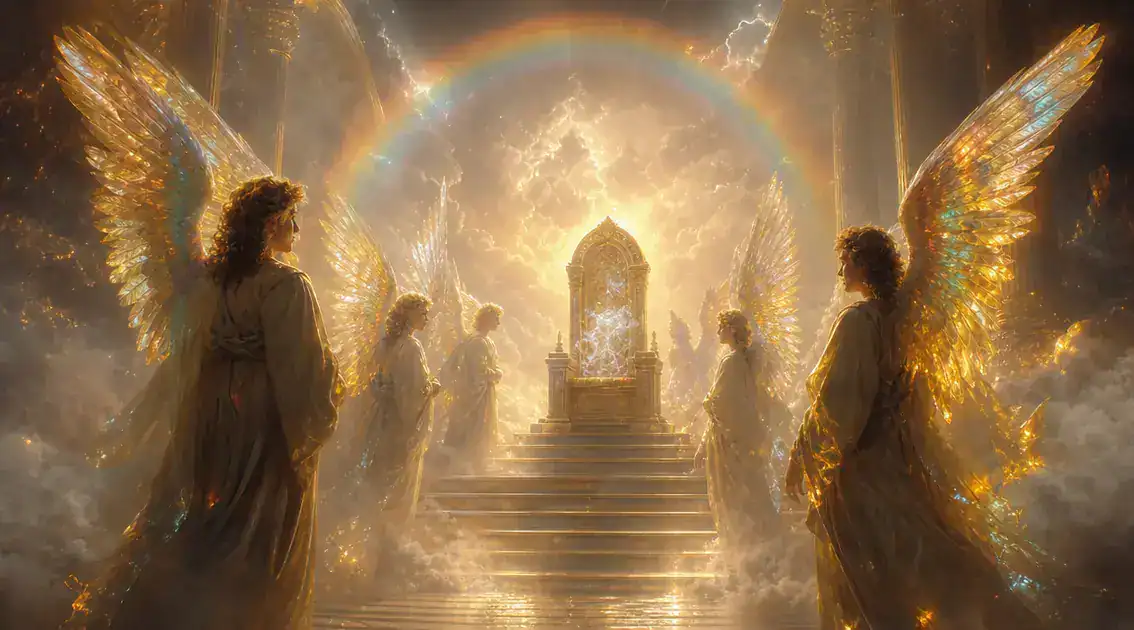
Scripture often links angels with brilliant light and color, offering glimpses of the sacred through visual signs. In visions the heavenly court appears with a rainbow encircling the throne, and angels stand in that radiance as messengers whose presence reflects God’s glory. These images help readers sense that color and light are part of how the divine breaks into human sight.
Prophetic books give other vivid pictures: creatures with flashing wheels, wings that gleam like burnished metal, and seraphim whose motion feels like fire. Together, these details suggest that the spectrum is not merely decoration but a way the sacred shows itself—angels as messengers of light who make the invisible visible. The banded colors we call a rainbow can therefore be read as a language of presence rather than a simple weather effect.
For devotional life, this means paying attention when color or a sudden brightness arrests our spirit. A rainbow or an iridescent light can invite a moment of prayer, a quiet listening for what the heart most needs to hear. In that silence we may come to understand the spectrum as a tender, embodied symbol of God’s care, mediated through angelic wonder and the promise that creation itself participates in divine communication.
Patristic and medieval readings of the rainbow
Early Christian writers often read the rainbow through the story of Noah as a living lesson for the church. They saw in the bowed light a clear, visible promise that follows judgment and opens the way to restoration. For many Fathers, the rainbow spoke of God’s mercy made plain to human eyes, a covenant sign that invites trust rather than fear.
Medieval thinkers and mystics carried that view forward and added a rich symbolic language. Monks and theologians like the Venerable Bede examined the colors as moral and cosmic signs, while mystics such as Hildegard of Bingen described vivid visions where color itself carried spiritual meaning. In those readings the rainbow becomes both a reflection of God’s order and a ladder for the soul, a spectrum that points toward holiness and inward growth.
That tradition shaped prayer, art, and preaching across centuries: stained glass, illuminated manuscripts, and cathedral sermons used the rainbow to teach about promise, repentance, and hope. Seeing a rainbow in that context becomes a moment to pause, to remember the covenant and the steady mercy it reveals, and to let the colors lead the heart back toward faithful living and quiet wonder.
Rainbow as a sign in liturgy and devotional life
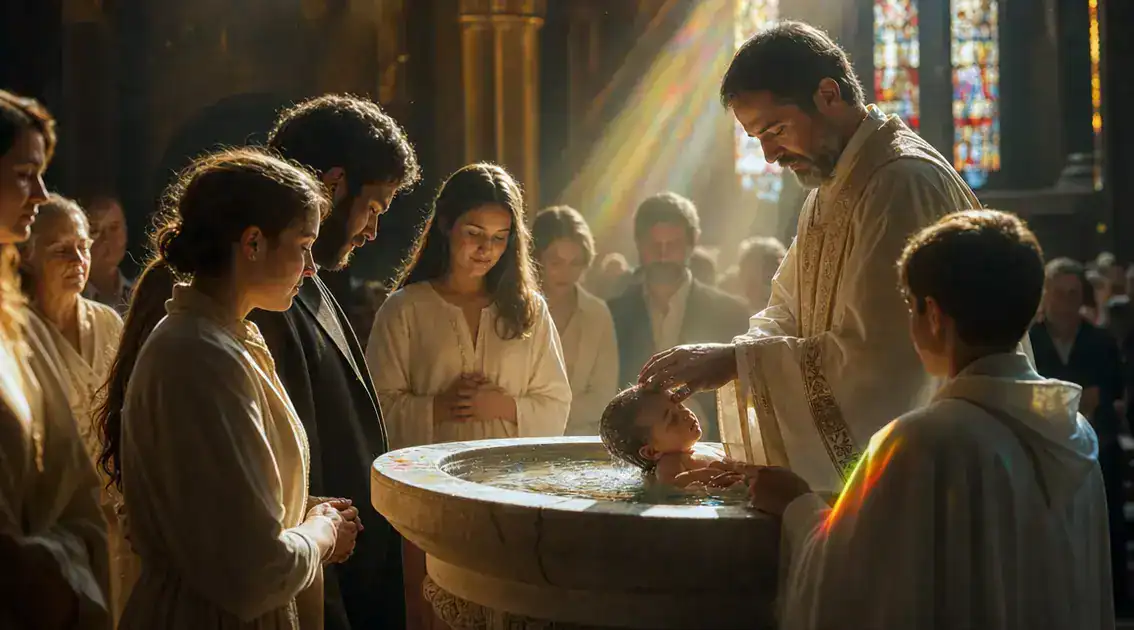
In many churches the rainbow appears in the worship space as a gentle reminder of God’s promise. Stained glass windows, altar cloths, and hymn texts sometimes pick up the bow of color to echo the story of Noah and the vision in Revelation. These visible signs help worshipers connect what they sing and hear with a long biblical memory of covenant and mercy.
At baptisms and funerals the rainbow can take on warm, tender meaning. In baptism it echoes the promise that life is held in God’s care, and in funeral rites it comforts those who grieve with a sense of ongoing hope. Many congregations also place the rainbow in prayers for creation, letting the colors lead them into silence and gratitude for God’s steadfast love.
At home and in small groups the rainbow can shape simple devotional practices. Pause after a storm, name a promise aloud, or hang a small colored ribbon where it will catch the light and remind you to pray. These small acts turn a natural wonder into a lived memory of hope, calling the heart back to trust and to the daily work of kindness and care in the world.
Contemporary testimonies and theological reflections
Many believers today tell quiet stories of seeing a rainbow at a tender moment and feeling held by God’s care. A parent may glimpse color after a long night of worry, or a community may notice the bow after shared loss. These testimonies are simple and real, and they show how the rainbow continues to touch ordinary lives with a sense of hope.
Theologians and pastors listen to these stories and offer reflection that ties them to Scripture and tradition. They remind us that the rainbow can function as a sacramental sign of God’s presence in creation, pointing back to Noah and forward to the promises written through the Bible. When we name it this way, the rainbow becomes more than weather; it becomes a lived memory of covenant that helps faith make sense of pain and joy.
Many congregations now welcome these contemporary meanings into worship and care. People are invited to share a rainbow story in prayer, to place a colored ribbon during a service, or simply to pause and pray when they see one. These small practices teach us to pay attention, to listen for God’s voice in creation, and to let shared testimony deepen our courage and trust.
How to honor the rainbow as a sacred sign in practice
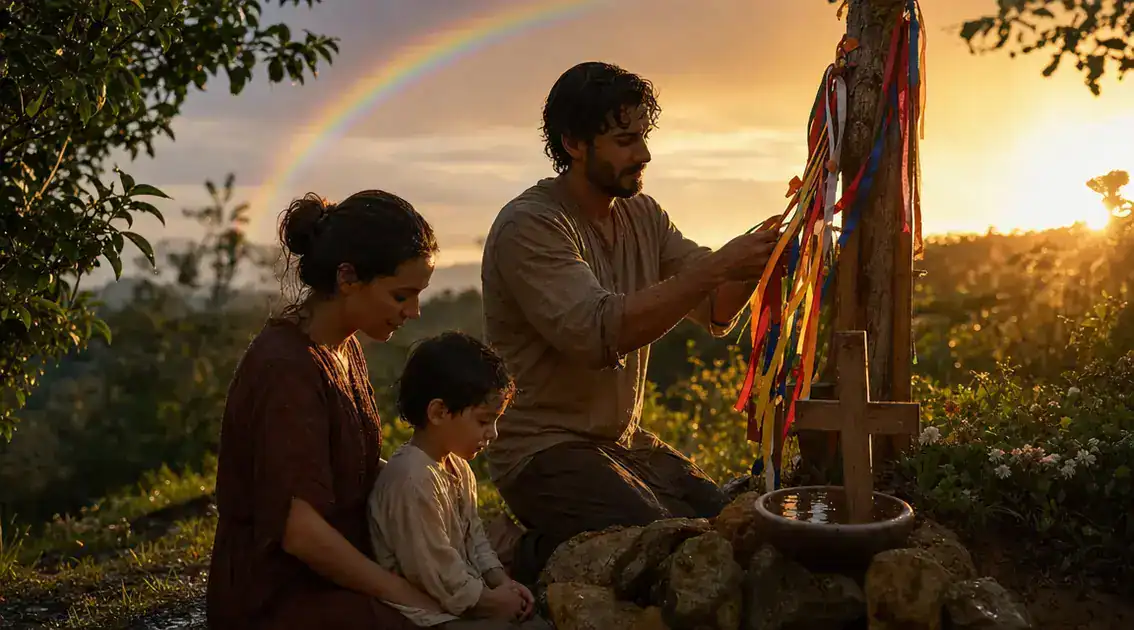
After a storm, when the air feels clean and a bow of color rests on the horizon, pause and breathe. Offer a short prayer that names the covenant in Genesis or simply says “thank you” for mercy seen. Such a small habit trains the heart to regard the rainbow as a visible promise rather than a fleeting spectacle.
Bring the rainbow into shared worship with modest, reverent acts: tie a colored ribbon to the baptismal font, place a small spectrum of cloth on the altar for creation prayers, or invite a moment of silence when the colors appear. These simple gestures link personal memory to church memory and help a congregation remember God’s steady care. Blessing water, reading a short passage about covenant, or lighting a candle near colored glass can make wonder into a communal act of faith.
At home, make steady practices that keep the sign alive: craft a small rainbow to hang in a window, keep a ribbon in a prayer corner, or teach children a quick prayer to say when they see color in the sky. Let the sign lead to action—offering a meal, tending a garden, or joining a local cleanup—to show that honoring the rainbow also means caring for creation and neighbor. These daily habits cultivate hope and faithful care in ordinary life.
A gentle blessing
May the sight of a rainbow as angelic sign stay with you as a quiet reminder of God’s covenant and care. When color crosses the sky, let it call your heart to hope and to trust.
Carry this sign into small acts each day: a quiet prayer after rain, a ribbon placed where light will touch it, a kind deed offered without fanfare. These simple habits turn wonder into faithful living and keep the promise close.
May you rest in mercy, grow in kindness, and walk with eyes open to beauty. Go in peace, holding the rainbow’s promise in your heart and sharing its light with others.
FAQ – Common questions about the rainbow as a sacred sign
What does the rainbow mean in the Bible?
The Bible first names the rainbow as God’s covenant sign after the flood (Genesis 9:12–17). It points to God’s promise to sustain life and to hold back final destruction. Revelation also places a rainbow around the divine throne (Revelation 4:3; 10:1), linking the bow of color with the heavenly court and the glory that surrounds God.
Is the rainbow specifically an angelic sign?
Genesis does not call the rainbow explicitly an “angelic” sign, but Scripture and tradition often link rainbows, light, and celestial presence. Because angels are described as beings of light and appear in visions around God’s throne, many faithful readers have seen the rainbow as a fitting symbol of angelic mediation of God’s care. This reading honors both the biblical text and long spiritual reflection.
If I see a rainbow, does that mean an angel visited me?
Not necessarily. A rainbow is primarily a sign of God’s covenant and mercy rather than a guaranteed record of a personal angelic visitation. Still, many find that seeing a rainbow prompts prayer, gratitude, or gentle wonder. Scripture invites us to respond to signs with faith; a prayer of thanks is a fitting response whenever the heart is moved.
Is it superstition to treat rainbows as sacred signs?
There is a difference between superstition and faithful symbolism. Superstition treats a sign as a magical cause; Christian devotion sees a sign as a pointer to God. When a community uses the rainbow to remember Genesis, to pray for creation, or to deepen trust in God, it follows biblical and liturgical practice rather than superstition.
How can churches and families honor the rainbow in worship and daily life?
Practical, humble acts work best: use stained glass and art that recall covenant, invite a brief prayer when a rainbow appears, include rainbow motifs in baptism or creation prayers, or hang a small ribbon in a prayer corner. These gestures root wonder in Scripture and pastoral care, helping people remember God’s promise and respond with mercy toward neighbor and creation.
Did saints or theologians write about the rainbow?
Yes. Early Christian writers and medieval thinkers reflected on the rainbow as a visible sign of God’s mercy; monastic authors and mystics developed rich symbolic readings. Later pastors and theologians have continued this conversation, connecting Genesis, Revelation, and pastoral practice so the rainbow remains a living sign within worship and devotional life.