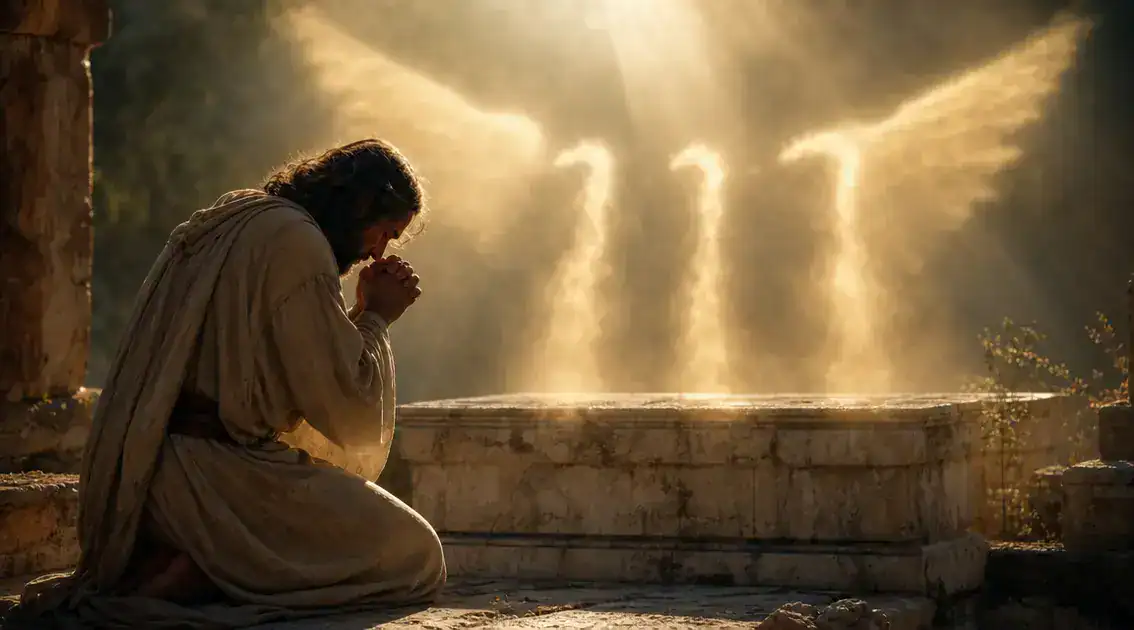

angel number 1111 meaning is best read devotionally as a gentle sign inviting spiritual awakening, urging attentive prayer, heartfelt conversion, and humble discernment within Scripture and community, so that the experience leads to greater love, increased obedience, and steady acts of charity rather than superstition or secret lore.
Have you ever seen repeating numbers and felt a hush like sunlight through stained glass? angel number 1111 meaning opens as a gentle invitation — a sacred nudge toward waking, discernment, and prayerful attention.
What the number 1111 has meant in biblical symbolism
In Scripture, the single unit often points to God’s unity and first place in all things. When that single is repeated, the sense of urgency and intimacy grows. The repeated one becomes an invitation—a soft summons to lift the heart and notice the nearness of the living God.
Ancient Jewish witness, like the Shema, places the oneness of God at the center of faith, and the New Testament echoes that unity in Christ’s close union with the Father. These biblical rhythms show that repetition in sacred texts is not empty ornament but a way to deepen attention. Repetition strengthens meaning, drawing the reader from thought into devotion.
Viewed devotionally, a pattern of ones can serve as a small altar for prayerful attention rather than a secret code to unlock. It asks for quiet discernment: pause, offer a short prayer, and listen for how God may be inviting you to trust or to step forward. Let that gentle witness shape humble action, where prayer and obedience become the faithful response to what feels like a sacred nudge.
How church tradition interprets repeated numbers and divine signs

For centuries the church has read signs through a lens shaped by Scripture, liturgy, and pastoral wisdom. Repetition in the Bible—threefold assurances, sevenfold gifts, patterns of return—was never treated as random decoration but as a way God deepens our attention. Tradition asks us to listen, not to tally; the goal is spiritual opening, not secret knowledge.
Fathers and mystics alike held a patient posture toward small wonders. Augustine warned against eager guesses about private revelations, while mystics such as Teresa and John of the Cross learned to read God’s voice in ordinary life without turning wonder into superstition. This line of witness invites a simple discipline: bring any felt sign into prayer, place it under Scripture, and weigh it with the counsel of faithful community.
Practically, the church offers humble tests for discernment: does the sign call you to charity, deeper faith, or greater obedience? If it does, treat it as a gentle summons to action—prayer, confession, or a small step of service. Discernment is an act of relationship, cultivated by prayer, Scripture, and the steady company of the church, not by counting patterns alone.
1111 as a call to spiritual awakening: theological perspectives
Many who notice patterns like 1111 feel it as a gentle call to wake up spiritually. In biblical language, God often speaks with invites to wake from sleep and to live in the light of truth (see passages like Romans 13:11 and Ephesians 5:14). Rather than offering a secret code, this repetition can be read theologically as an invitation to renewed attention and a pointed reminder of God’s nearness.
That call to awakenness points toward inner change more than outward signs. The church has long taught that true awakening leads to a conversion of heart—a turning toward mercy, prayer, and faithful obedience. When a moment of wonder stirs you, the faithful response is simple: bring it into prayer, place it before Scripture, and let the habits of communal worship and the sacraments shape your next steps.
Practically, theology asks us to test such promptings by their fruit. Does the sense of being called lead you to love more deeply, to serve more willingly, and to seek God with humility? If so, treat the feeling as a sacred nudge and practice small acts of repentance and generosity. Over time, these steady responses form a life that matches the inner awakening the sign seemed to suggest.
Practical devotion: discerning messages without superstition
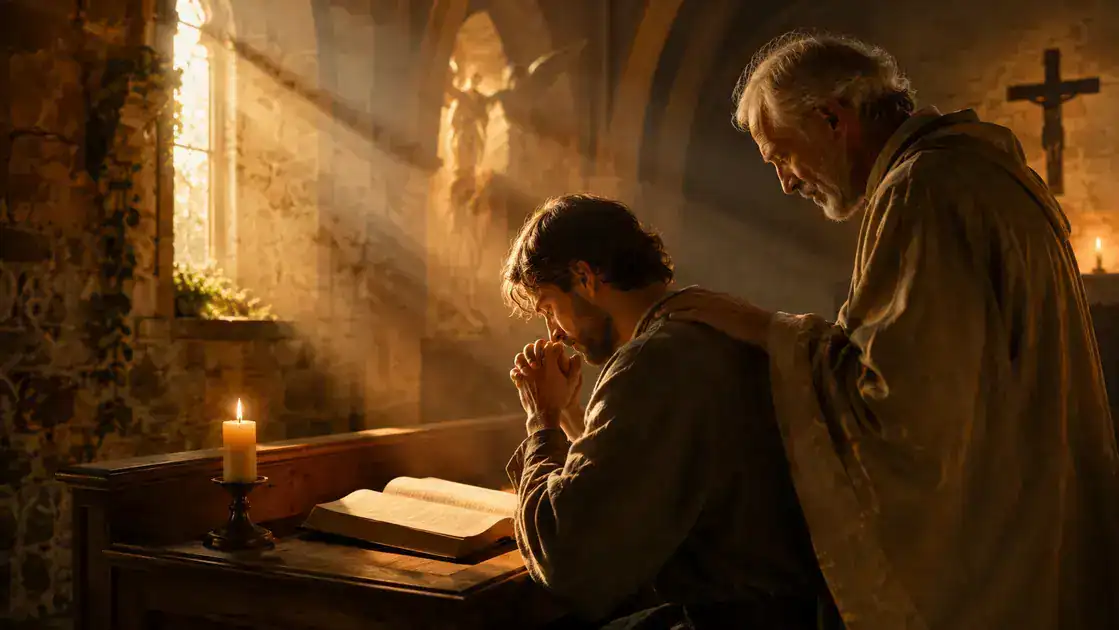
When a pattern catches your eye, it can feel like a private sign from heaven or a harmless coincidence. The church teaches a careful path between wonder and worry. Trusting that feeling is fine, but discernment asks you to slow down, pray, and place the moment under Scripture and the wisdom of faithful companions rather than under your quick conclusions.
Begin with simple acts: stop, breathe, and offer a short prayer asking for clarity. Read a short passage of Scripture and sit with it for a few minutes. If the sense of meaning leads you toward greater love, humility, and service, that is a healthy sign; if it pushes you to fear, secret lore, or selfish gain, step back and seek counsel. The rule here is practical and gentle: let prayer and the community test the impulse.
Over time, these small practices shape a steady devotion that resists superstition. Keep a short prayer journal, bring the experience to a trusted pastor or spiritual friend, and tend the habits of worship and charity. In this way, a moment of wonder becomes a chance to grow in faith, where the true test is not the number you saw but the fruit of love and obedience it bears in your life.
Stories from scripture and saints that echo the 1111 theme
Scripture often shows God drawing attention through repeated calls. Think of young Samuel, who hears a voice more than once before he understands it is the Lord. That steady calling in the quiet night teaches us that repetition in holy stories can be a way God breaks into our ordinary pace and asks for a listening heart.
Later witnesses in the church reflect the same pattern. Saints and mystics tell of small, repeated nudges that led them deeper into prayer and service. Their stories do not promise signs as shortcuts; rather, they show how gentle persistence from God moves a soul toward conversion and care for others. This steady nudge is less about mystery and more about relationship.
When such echoes appear in your life, the faithful path is simple and tender: bring the feeling to prayer, read a short passage of Scripture, and remember the saints who learned to respond with humble obedience. Let the moment draw you into small acts—an extra hour of prayer, a kind word, a quiet offering—that show the call is shaping you toward love.
Cultivating sacred attention: prayer practices when 1111 appears
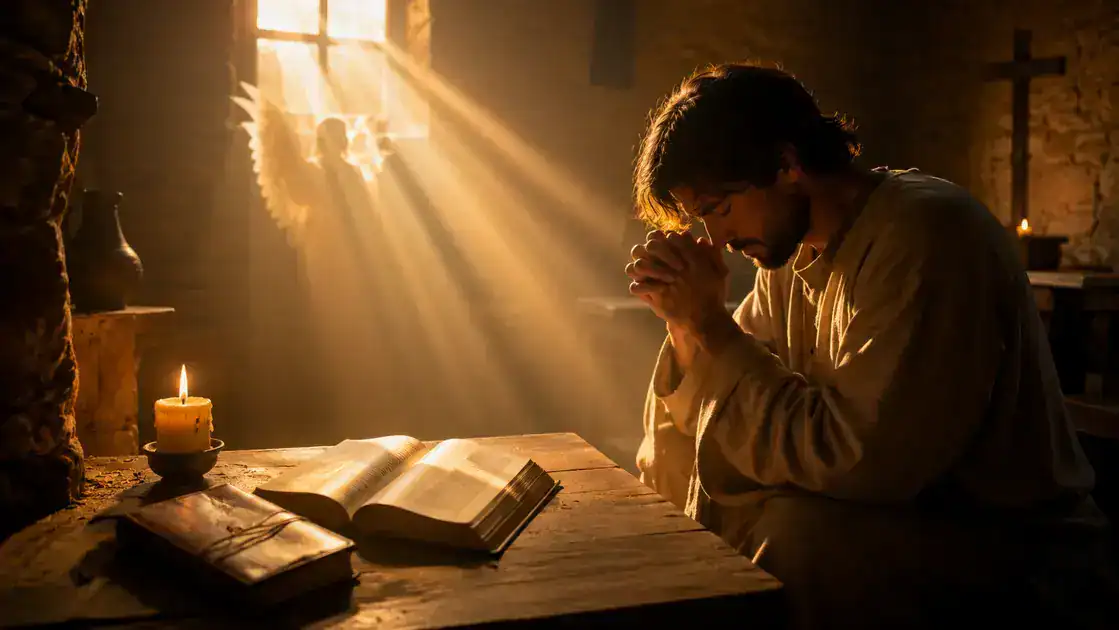
When the moment catches you, the first practice is simple: pause and breathe. Take a slow breath, place your hand over your heart, and offer a short breath prayer such as, “Lord, open my eyes”. This small act steadies the body and invites a sacred pause where the ordinary rush softens and attention turns toward God.
From that calm place, bring the experience into prayer and Scripture. Read a single short verse slowly and let it sit in your mind for a minute; try the Examen—ask where you felt God’s presence, where you felt distance, and what small step you can take tomorrow. Share the moment with a trusted friend or a pastor if it feels weighty, because discernment grows best within the company of the faithful and the sacraments.
Finally, practice simple, steady habits that make sacred attention natural. Light a candle, keep a tiny prayer journal of one line, offer a quick act of kindness, or set aside three minutes each evening to remember the day’s blessings. These small responses help ensure the sign becomes a source of growth rather than a distraction, and they let the moment bear the clearest test: increased prayer, service, and the fruit of love in your life.
A quiet prayer for those who notice
May you walk in gentle wonder when signs touch your day. When a pattern opens your heart, may it lead you to prayer rather than to fear. May God’s presence meet you in small, steady ways that calm and guide.
Turn each nudge into a simple pause: breathe, read a short verse, and offer a brief prayer. Let the feeling lead to loving action—a kind word, a small help, a moment of mercy. These humble responses show the sign’s true meaning.
Rest in the care that holds you. Trust that this quiet invitation asks you to wake, to love, and to serve. Go forward with peace, eyes open for grace in ordinary moments, and a heart ready to answer.
FAQ – Common questions about 1111, signs, and faithful discernment
What does “1111” mean spiritually according to the Bible?
The Bible does not name modern number patterns, but Scripture values oneness and repeated calls as ways God draws attention (see Deuteronomy 6:4; Romans 13:11). Read devotionally: such repetition can be an invitation to notice God’s presence and to wake toward prayer and faithful action.
Is it wrong or sinful to notice repeating numbers like 1111?
No—noticing is natural. Tradition warns against turning wonder into superstition, so the church encourages bringing the moment into prayer, Scripture, and the counsel of the faithful rather than treating it as secret lore (see Augustine’s cautions about private revelations).
How should I respond the moment I see 1111?
Pause, breathe, and offer a short prayer asking for clarity (for example, “Lord, show me”). Read a brief verse, practice a short examen, and consider a small act of charity; these simple steps help test whether the feeling leads to greater love and obedience (James 1:22; Romans 12:1).
Could 1111 be a message from an angel?
Scripture shows angels can bring messages (Gabriel to Mary; Luke 1), but the church counsels careful discernment. Test any perceived message by its fruit: does it produce humility, charity, and deeper faith? If so, treat it with prayer and pastoral guidance (Matthew 7:16; Galatians 5:22–23).
Are there saints who received small, repeated nudges and learned from them?
Yes. Mystics and saints such as Teresa of Avila, John of the Cross, Padre Pio, and Saint Faustina reported gentle, repeated promptings that moved them to prayer and service. Their witness shows the faithful response is humble discernment, not sensationalism—turning a nudge into steady spiritual growth.
How can I avoid superstition and grow in faithful discernment?
Bring the experience to Scripture and to a trusted spiritual guide, test it in prayer, and weigh its fruits in daily life (1 Thessalonians 5:21; 1 John 4:1). Regular practices—the sacraments, communal worship, a short prayer journal, and simple acts of service—train the heart to recognize true guidance and resist fearful or self‑seeking interpretations.