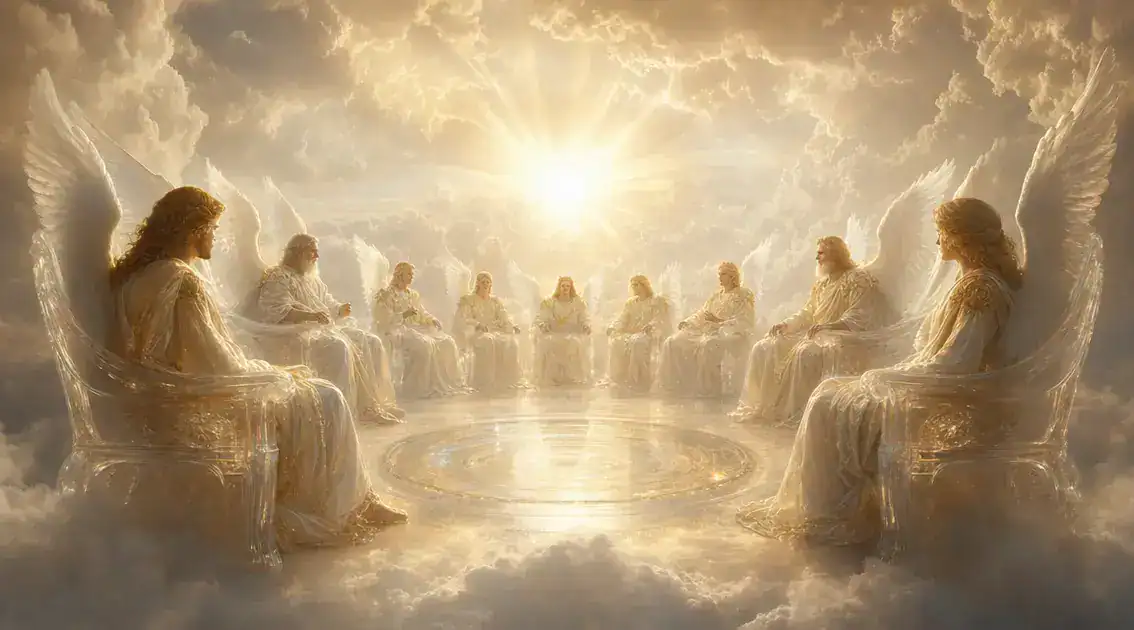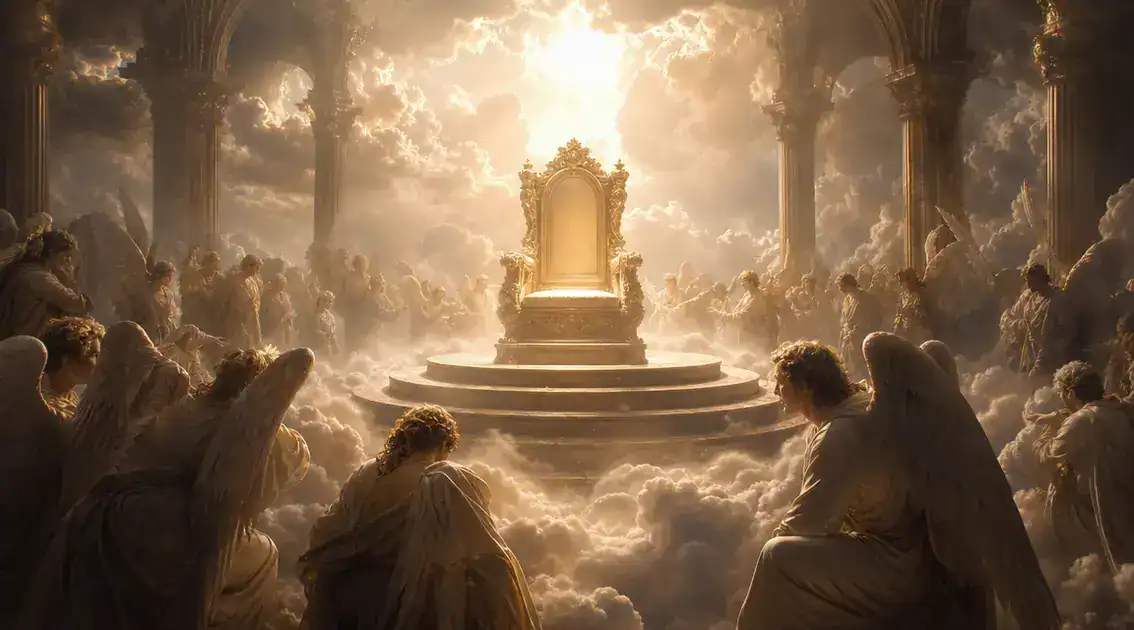
Thrones, the third angelic hierarchy, are celestial orders depicted in Scripture and tradition as bearers of God’s settled authority, joining worship and judgment by holding the divine presence, fostering contemplative service, and orienting believers toward ordered justice and humble prayer.
thrones third angelic hierarchy — have you ever felt the hush before a revelation, the sense that something ordered and holy watches the unfolding? This brief guide invites a devotional look at the thrones’ scriptural echoes, theological meanings, and how their presence can deepen prayer and reflection.
What thrones represent in biblical cosmology
In biblical vision, thrones often stand as places where heavenly order meets God’s will. They are not mere chairs but visible signs of rule and guardianship that hold the shape of authority in the unseen world. Thrones mark divine authority in a way that invites awe rather than fear.
Scripture paints scenes of thrones gathered around the central seat of God and of elders who attend in solemn watch. These images show thrones as both witness and instrument of justice, where mercy and right are weighed in quiet service. They tie worship to the work of making truth and care present in the world.
For prayer and devotion, the idea of thrones calls us to a calm and ordered faith. It suggests that God’s rule is steady and that our lives belong within a larger, holy pattern of care. This image can shape prayer into still attention, hopeful trust, and simple acts of faithful obedience.
Scriptural appearances and key passages
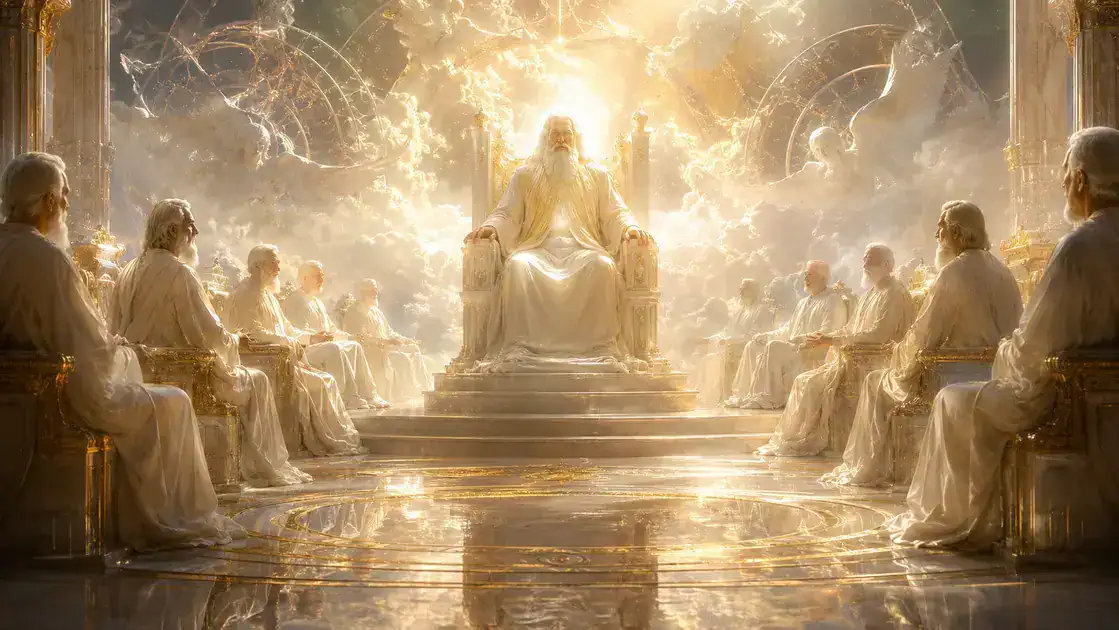
Many of the Bible’s most vivid visions place thrones at the heart of heavenly scenes. In Daniel’s courtly vision the image is striking: “thrones were set” and the Ancient of Days took his seat, a scene that names authority and judgement with simple, solemn words. That same sense carries into Revelation, where a radiant throne sits at the center of worship and the gathered elders and living creatures give voice to God’s holiness.
The New Testament also names thrones among spiritual ranks in lists of powers and authorities. Paul writes of thrones alongside dominions and principalities, which suggests that thrones function both as symbols of rule and as real, ordered beings in the unseen world. Reading these passages together helps us see a pattern: thrones are not random power, but part of a structured, relational order under God’s headship.
Prophetic books like Ezekiel and Isaiah add texture to the image by linking the throne to cherubim and seraphim, moving scenes of motion and worship into the same sacred frame. Those visions teach a devotional truth: the throne is where God’s justice and mercy meet, and where creatures respond in steady, reverent service. Holding these passages in prayer can turn our attention from chaos to the steady presence of God who reigns with ordered love.
Theological interpretations across Christian traditions
Across Christian traditions, the image of the Thrones carries different emphases without losing its sacred pull. In the Eastern Orthodox world, thrones appear within liturgy and iconography as signs of ordered worship and mystical participation. Believers are invited to stand within a living cosmic prayer, where the image serves more as a doorway into encounter than as a rigid chart of beings.
Roman Catholic thought, shaped by Pseudo-Dionysius and later scholastics, tends to describe a clearer hierarchy and specific functions for the orders of angels. In that view, thrones are linked to contemplation, justice, and the steady bearing of God’s presence — a theological language that aims to help worshipers order their minds and hearts toward divine truth. Devotional reflections in this tradition often use the throne-image to deepen reverence and to remind the faithful of God’s orderly rule.
Many Protestant voices caution against elaborate angelology, preferring to root reflection in Scripture and the centrality of Christ. Yet even here the throne motif can be spiritually fruitful: as a picture that redirects our trust to God’s sovereignty and invites humble obedience. These different readings together encourage a balanced posture — curious about the mystery, careful with speculation, and open to how holy imagery nourishes prayer.
Thrones and the hierarchy: relation to Seraphim and Cherubim
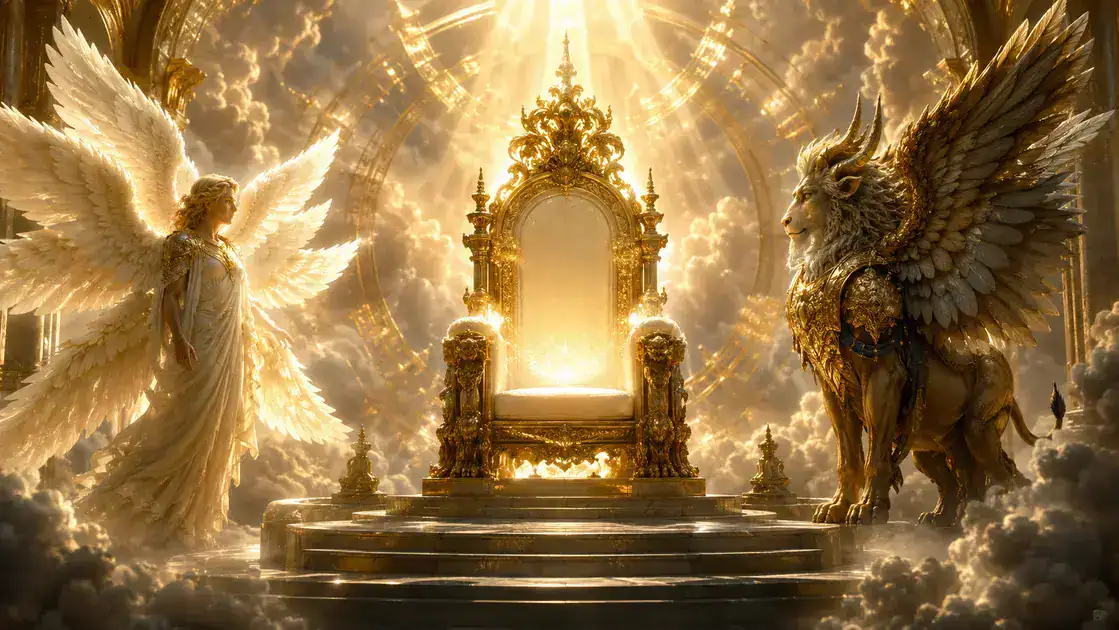
In the heavenly pageant, thrones, seraphim, and cherubim play distinct but linked roles. Thrones stand for calm rule and the steady presence of God, the kind of authority that holds the cosmos in right order. Thrones point us to God’s justice and ordered care, a slow, dependable governance that prayer can rest upon.
Seraphim appear as burning ministers of worship in Isaiah’s vision, praising with the cry of holiness and drawing creatures into love. Cherubim appear in Ezekiel as close attendants and guardians near the divine seat, often paired with wheels and motion that speak of God’s presence moving with the world. Seeing these images together helps us notice how worship, protection, and rule are not separate, but woven in the same sacred fabric.
For devotion, this trio guides a balanced spirituality: the throne steadies our trust, the seraphim kindle our love, and the cherubim guard what is holy. Prayer that holds all three tends to be both quiet and fervent, rooted in justice and alive with wonder. Let these images shape how you come before God — with steady faith, warm affection, and humble awe.
Symbolic functions: justice, contemplation, and divine presence
In sacred imagination, thrones act as symbols that bind three simple truths together: justice, contemplation, and divine presence. These ideas do not float apart. They form a single picture of how heaven holds and cares for the world.
The throne as justice reminds us that God’s rule weighs mercy and right with steady hands. Biblical visions place thrones where judgement and compassion meet, inviting us to trust a justice that is neither harsh nor distant but ordered and wise. Holding this image shapes how we pray for fairness and healing in everyday life.
From justice we move to quiet watching. Thrones also call us to contemplation, a calm attention that listens rather than rushes. In that silence we sense divine presence more clearly, and our worship becomes a steady, rooted gaze rather than a hurried list of requests. Let the throne teach you to sit in attentive prayer, to meet God in hush and hope.
Devotional practices: praying with the thrones
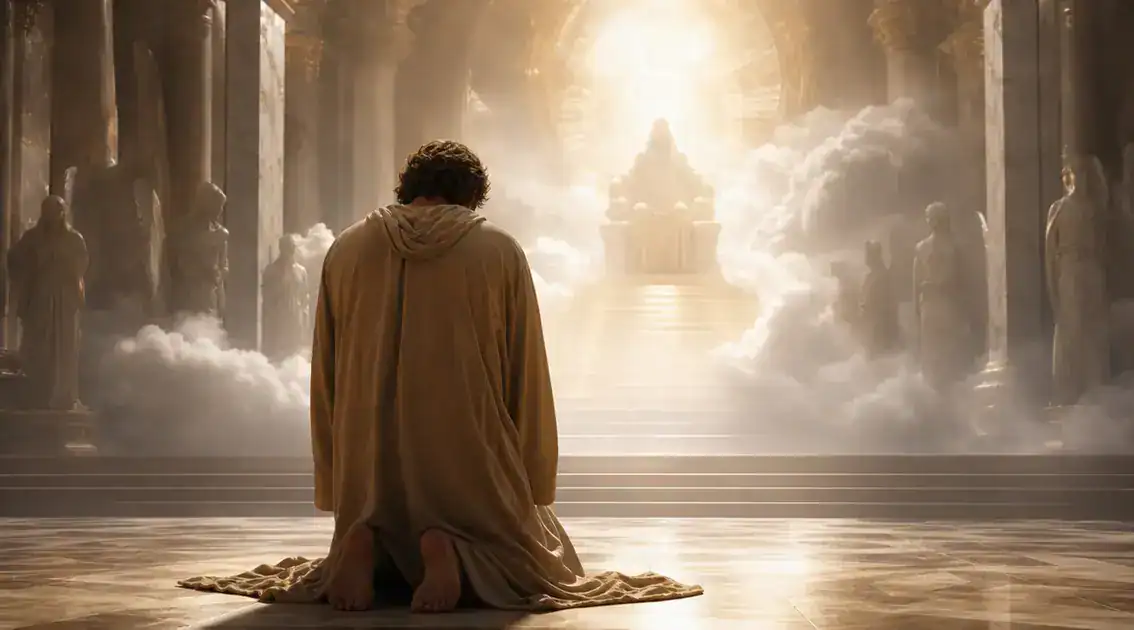
To pray with the thrones is to slow down and imagine God’s steady rule as a gentle presence that holds the world. Picture a quiet place where a distant throne stands in soft light, and let that image steady your breathing and your thoughts. This practice is simple: sit, breathe, and let the idea of a calm, ordered presence guide your mind away from noise.
Start with a short Scripture passage that names God’s rule, then sit in silence for a few breaths. Use a single phrase of prayer that points to what the throne means for you — perhaps a plea for justice or a soft offering of thanks for care received. The steady image of the throne helps prayer turn from hurried asking into calm attention and steady trust.
Bring this prayer into daily life with small, faithful acts: a morning pause, a brief night prayer, or a quiet piece of music that draws the heart to worship. Let the practice be humble and practical, not curious about hidden secrets but open to growth in love. In time, praying with the thrones can shape how you move through the day, filling ordinary moments with humble awe and quiet hope.
Modern spiritual relevance and interpretive cautions
Today, many find the image of thrones a helpful bridge between ancient worship and daily life. It can steady prayer, remind us of God’s care, and shape how we seek justice in small acts. When used simply, the throne helps ordinary faith feel rooted and hopeful.
At the same time, practice calls for discernment. It is wise to read throne imagery alongside clear Scripture and humble community teaching. Avoid chasing sensational claims or private visions; keep questions gentle and guided by careful reading and love for neighbors.
Practically, let the throne image serve prayer, study, and service. Use it to calm the heart before reading Scripture or to motivate acts of fairness and mercy. With humility and steady guidance, these images can deepen devotion without leading us into needless speculation.
A gentle closing prayer
May the image of the thrones rest quietly in our hearts, steady our breath, and remind us of God’s calm rule when days feel loud. Let that steady sight bring a small peace to our busy minds.
Teach us the way of contemplation so we learn to listen, and teach us the way of justice so our hands reach out in care. May wonder shape our choices and turn small acts into true worship.
Send us back into the world with soft courage, simple kindness, and clear hope. Let our steps be humble, our speech gentle, and our service steady.
May this holy image guide our mornings and bless our nights, so we carry its light in quiet, faithful ways. Amen.
FAQ – Questions about Thrones and their place in Scripture and devotion
What does the Bible mean by “thrones” in heavenly visions?
In Scripture, “thrones” often point to divine rule and ordered authority rather than a mere piece of furniture. Passages like Daniel 7:9 and Revelation 4 describe thrones as places where God’s rule is made visible and where heavenly beings gather in worship. They remind us that God’s justice and care are steady and present.
Where do thrones appear most clearly in Scripture?
Key passages include Daniel 7 (the Ancient of Days and thrones set), Revelation 4–5 (the throne in heaven and the worship around it), and New Testament lists such as Colossians 1:16 that name thrones among spiritual orders. Ezekiel and Isaiah also offer close-up visions that link thrones with cherubim and seraphim.
Are the Thrones the same as angels like seraphim or cherubim?
Thrones are named among ranks of spiritual beings but serve a distinct role. Tradition and Scripture suggest a relational picture: seraphim kindle worship, cherubim guard and attend near God, and thrones represent ordered rule and settled authority. They work together under God’s headship rather than functioning as identical beings.
How can I pray with the thrones in a faithful, healthy way?
Use simple, Scripture-rooted practices: read a brief passage that mentions God’s rule, sit in quiet attention, and offer a short prayer for justice, peace, or gratitude. Ground the practice in Christ and Scripture, keep it humble and communal when possible, and avoid chasing sensational claims or private revelations.
How do different Christian traditions interpret the Thrones?
Eastern Orthodox devotion tends to emphasize the throne-image as a window into cosmic liturgy and mystical participation. Roman Catholic theology, influenced by Pseudo-Dionysius and scholastics, often maps the orders more systematically, linking thrones to contemplation and justice. Many Protestant traditions caution against speculative angelology while still finding devotional value in images that point to God’s sovereignty.
Might focusing on Thrones distract from Christ or Scripture?
It can if the image becomes an end in itself. But when held rightly, thrones point us back to God and the Lordship of Christ (see Colossians 1:16–17 and Revelation’s focus on the Lamb). Let the throne-image deepen worship, encourage just action, and lead you more fully to Scripture and the life of faith rather than replace them.