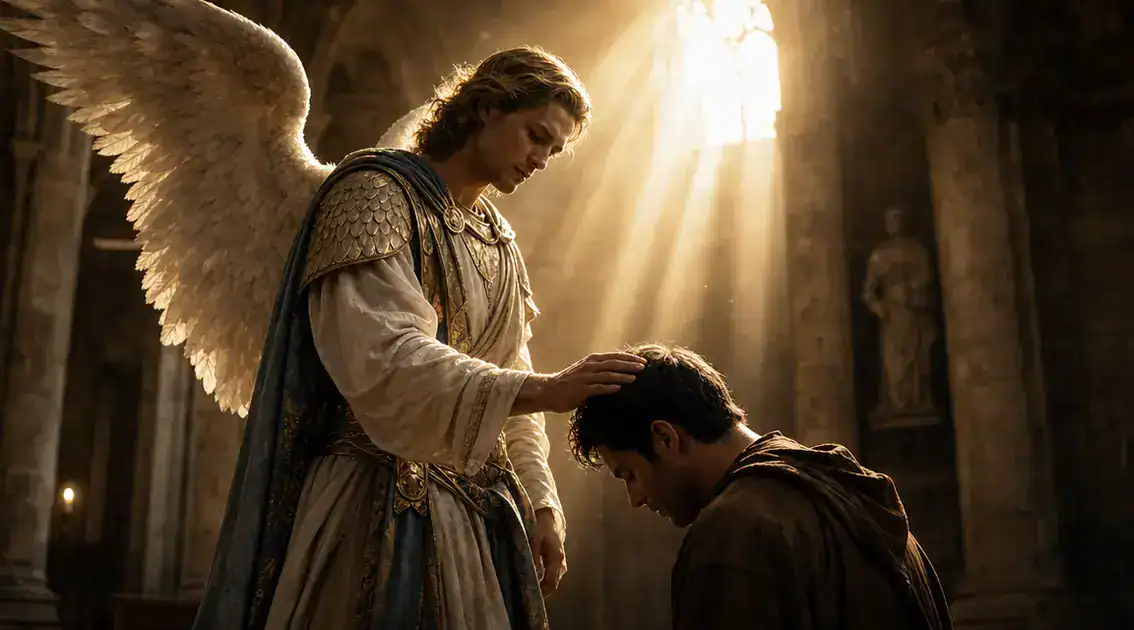

Powers angels and exorcism concern how angels, acting under God’s authority in Scripture and tradition, help restrain hostile spiritual forces, accompany prayer and sacraments in deliverance, guide pastoral discernment, and uphold human freedom while directing the faithful toward healing rather than replacing professional care.
powers angels and exorcism; — have you ever wondered how these themes converge in Scripture and prayer? I share biblical passages, pastoral reflections, and gentle insights that illuminate how angels participate in spiritual liberation.
Scripture shows angels acting with purpose and power against the forces that harm us. In visions like Daniel 10, an angelic messenger meets resistance from dark spirits, which reveals that heavenly beings can engage with evil under God’s direction. Jesus also promises authority over hostile powers when he commissions his followers, a truth found in Luke 10:19 that frames angelic action as part of God’s entrusted care.
These passages teach that angels are not independent champions but servants of God’s will, sent to guard, guide, and sometimes restrain what threatens life and faith. Their interventions often come quietly—a protection that opens space for healing, a timely warning, a presence that steadies the heart. When Scripture shows angels at work, the point is the relief and order they bring as instruments of mercy and justice.
For the life of prayer and pastoral care, this biblical witness asks for both hope and humility: hope in divine help, humility in recognizing that deliverance follows God’s ordering. We are invited to respond with discernment and prayer, seeking scripture, sacrament, and wise guidance rather than quick answers. In that rhythm, the texts offer comfort: God dispatches help into our shadows, and angels act to hold back what would undo us while God draws us toward freedom.
Archangel Michael and spiritual combat: biblical portrait and tradition

In Scripture, Archangel Michael appears as a figure who stands at the edge of human struggle and divine action. In the book of Daniel he is called a prince who contends with hostile spiritual forces, and in Revelation 12 he leads the heavenly host against the dragon. Jude briefly records Michael’s firm but reverent restraint when he disputes the devil over Moses’ body—an image that shows both authority and submission to God.
Over centuries the church has kept these images as more than stories; they shape how communities pray and minister in times of trial. Michael is honored in liturgy, iconography, and popular devotion as a protector and guide. Yet the tradition always places him under God’s command: he is a servant of divine justice and mercy, called when evil needs to be restrained but never acting apart from the will of the Creator.
For pastoral care and prayer, Michael’s biblical portrait invites a balance of courage and careful discernment. Believers are encouraged to seek the sacraments, to pray with trusted spiritual companions, and to ask for angelic aid without turning it into a private technique. In simple devotion—lighting a candle, turning to Scripture, or asking for discernment and prayer—people find that Michael’s presence points them back to God, offering comfort and the steadying hope that they do not face darkness alone.
How angels appear in deliverance narratives: from gospel stories to hagiography
Gospel scenes of deliverance often focus on the tender aftermath as much as the act itself. After the tempter leaves, an angel ministers to Jesus (Matthew 4:11), and in Gethsemane an angel brings consolation and strength (Luke 22:43). These quiet moments show that angelic presence in deliverance is frequently gentle and restorative, a companion arriving to steady the body and spirit when the struggle has passed.
Lives of the saints echo this pattern in humble, human detail. Hagiography records angels guiding exorcists, standing guard over the newly freed, or simply lighting the way for someone to find prayer and confession. The emphasis is rarely on spectacle; instead, the narratives keep pointing to God’s mercy made visible through a benign, loving presence that helps reweave a person’s trust in God and community.
That pattern shapes how we pray and care for one another today: seek help in community, receive sacramental support, and practice discernment and prayer when facing spiritual affliction. Angels in these stories do not replace pastoral wisdom but participate in it, inviting us to a rhythm of prayer, counsel, and gentle care so that freedom grows from both divine aid and human compassion.
Angels and the rites of exorcism: historical practice and liturgical presence
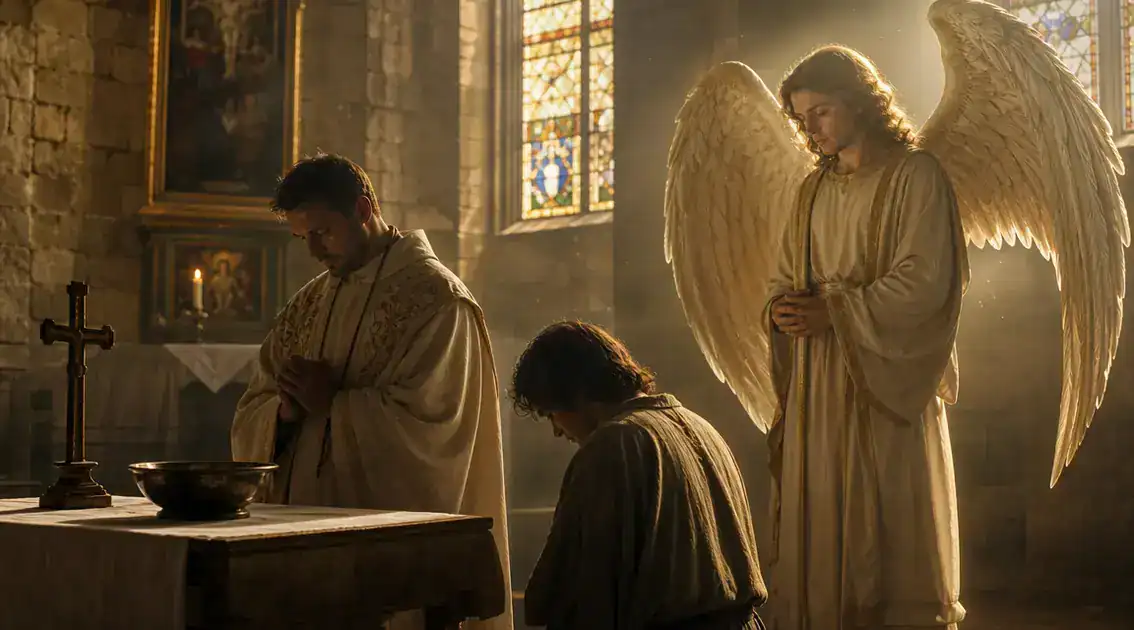
From the earliest days the church read its deliverance practices through the lens of Scripture, where expulsions of unclean spirits and the quiet care of angels appear side by side. Gospel stories show both struggle and gentle tending, and the community learned to name those moments as acts of God’s mercy. Over time, this memory shaped prayers that ask not for spectacle but for healing and protection, keeping angels in the background as signs of God’s care.
As rites developed, worshiping communities wove angelic language into liturgy and pastoral action. Early sacramentaries included prayers that call on God’s messengers, and the later church preserved formal prayers in texts like the Roman Ritual, while also using simple sacramentals—blessings, holy water, and prayer—to mark God’s presence. The constant thread is clear: angels are invoked not as independent powers but as companions sent within the church’s ministry of care.
In practical pastoral work, this heritage asks for caution and tenderness rather than drama. Ministers are called to accompany people with prayer, discernment, and community support, inviting the faithful to the sacraments and to steady practices of faith. Throughout, angels remain a devotional motif—comforting, ordering, and pointing hearts back to God—so that every act of deliverance stays rooted in pastoral care and prayerful discernment.
Discernment and pastoral care: telling angelic intervention from other phenomena
When someone speaks of an angelic visit, the first gift we offer is careful listening. Scripture urges us to “test the spirits”, which here means paying attention to fruit: does the experience draw the person toward peace, charity, and humility, or does it sow fear, pride, or confusion? A clear sign of healthy spiritual movement is that it invites deeper prayer, steadier trust in God, and better relationships with others.
Pastoral care asks for gentle, steady steps rather than dramatic judgments. This looks like prayer together, reading Scripture aloud, and inviting the person into community and the sacraments. Spiritual directors and pastors watch how the story fits with the life of faith: are there consistent changes toward hope and service, or is the report isolated and alarming? In all of this, discernment and prayer guide choices, not quick conclusions or techniques.
Practical questions help the process: who else knows the story, has anything changed over time, and does the person feel freer or more burdened? When needed, pastors encourage medical or psychological support alongside spiritual care, because human healing often needs both prayer and professional help. Above all, the aim is to restore freedom and flourishing, trusting that God’s messengers come to lead us gently back into life and love.
Prayer, sacrament, and the angelic ministry in healing encounters
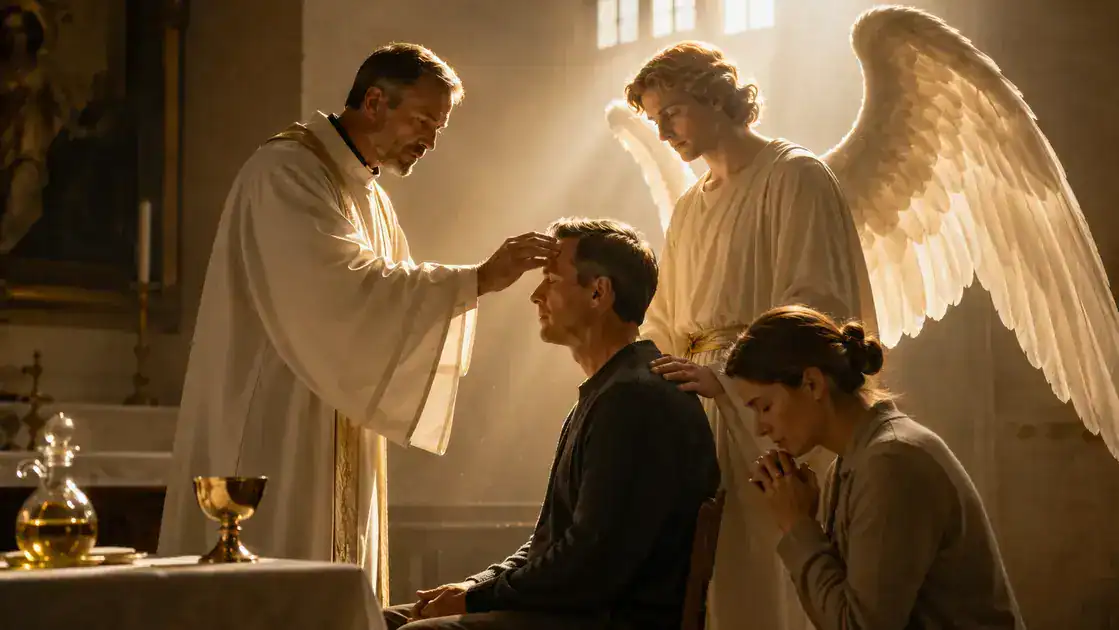
Prayer often opens the space where we feel most fragile, and it is there that the angelic ministry quietly appears as a companion to our weakness. The Gospels show angels coming to Jesus after struggle, offering food and comfort, which reminds us that God sends help into ordinary human need. In quiet prayer or loud pleading, believers can sense that their petitions are carried by more than words—a hope rooted in Scripture and lived prayer.
Sacraments give form to this hope, making God’s mercy visible and tangible in the life of the community. In rites like the Eucharist and the anointing of the sick, faithful hands and simple signs point to a deeper work of healing; these moments invite the faithful to receive grace through concrete acts. We should remember that angels are not a substitute for these means of grace but often portrayed in tradition as accompanying liturgy and bringing attention to the sacred action at work.
Practically, this means bringing prayer, sacrament, and community together when someone seeks healing. Ask for anointing, share the need with a trusted minister, and pray with others, all while holding to discernment and humility in expectation. In that humble rhythm—prayer, sacrament, and pastoral care—angelic presence becomes one more way God draws us back toward health, peace, and the steady life of faith.
Theological reflections: angels, power, and the mystery of human freedom
Angels show us a kind of power that serves rather than seizes. In Scripture they act under God’s command and often prepare a way for people to choose life. This means angelic action supports human freedom instead of replacing it, so power and choice live together in the story of salvation.
The tradition speaks of this as cooperation with grace. Angels may restrain harm or offer clarity, but they do not make our will for us. The pattern invites us to respond: grace comes first, yet our free answer matters. In this dance, angels are companions who help the heart turn toward God without removing responsibility.
That theological balance shapes how we pray and care for one another in times of spiritual struggle. Pastoral practice pairs prayer and sacrament with sober discernment, welcoming angelic help while protecting each person’s dignity and choice. Hold to discernment and prayer, trust the God who honors freedom, and let angelic ministry point us back to loving, life-giving decisions.
A gentle prayer as we go forth
May you walk with the quiet confidence that you are never alone. In moments of struggle, remember that Scripture and tradition point to helpers sent by God—angels who guide, protect, and point us back to grace.
Hold fast to simple practices: a brief prayer, a reading of a healing text, the comfort of sacraments, and the company of a faithful friend or pastor. Let discernment and prayer shape your steps, so that power always serves freedom and love.
May the light that steadies the angels steady your heart. May you find peace in small acts of faith and courage to choose life each day. Go forward with wonder, humility, and a quiet trust that God’s mercy surrounds you.
FAQ – Common questions about angels, power, and deliverance
Do angels play a role in exorcism and deliverance?
Yes. Scripture shows angels restraining hostile forces (see Daniel 10; Revelation 12), and Christian tradition often speaks of angels accompanying God’s work of liberation. Still, exorcism is ultimately an act of God carried out within the church’s ministry, practiced with prayer, sacraments, and pastoral oversight (see the Roman Ritual and pastoral norms).
How can I tell an angelic encounter from a psychological or medical issue?
Discernment requires care: Scripture urges us to “test the spirits,” looking for signs of peace, humility, and growth in virtue (1 John 4:1). Pastoral response typically includes prayer and spiritual discernment alongside medical or psychological evaluation when needed. A trustworthy spiritual director or clinician can help separate spiritual consolation from conditions that need professional care.
Is it appropriate to pray to or ask angels for help?
Tradition allows asking angels to intercede as God’s servants, while prayer is always directed first to God. Jesus’ teaching about the angels of little ones (Matthew 18:10) and longstanding liturgical invocations show that brief, reverent petitions to angels are compatible with Christian devotion, provided they lead us closer to God and the sacraments.
What is Archangel Michael’s place in spiritual combat?
Michael appears in Scripture as a chief protector and warrior who acts under God’s command (Daniel 10; Revelation 12). Tradition honors him as a defender against malign forces, a model of faithful courage, and a reminder that spiritual struggle is waged under divine authority and ordered toward the protection of God’s people.
Can angels overpower a person’s free will during deliverance?
No. Biblical and theological tradition emphasizes that angels act as God’s servants and do not override human freedom. Their role is to assist, restrain harm, or open possibilities for grace while leaving the person’s freedom and dignity intact—what many theologians call cooperation with grace.
What should a parish do if someone reports demonic activity or possession?
Pastoral practice calls for calm, prayerful accompaniment: listen carefully, pray together, encourage the person toward sacraments and community, and seek medical or psychological evaluation when appropriate. If signs persist, clergy should consult experienced pastoral leaders or a bishop and follow authorized rites and guidelines (e.g., the Roman Ritual and diocesan instructions) rather than attempting improvised public rites.