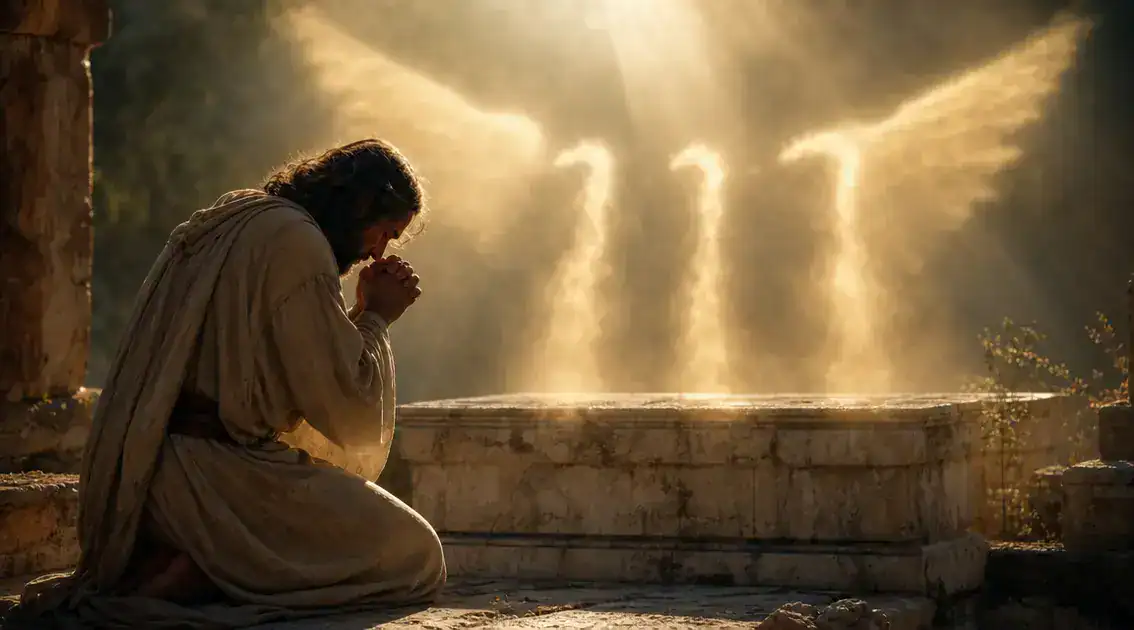

butterfly as angel sign: White butterflies are not a doctrinal proof of angelic messages, yet in Christian devotion they often act as gentle, providential prompts that invite prayerful attention, Scriptural testing, and pastoral discernment when such moments draw hearts toward comfort, hope, and loving service.
butterfly as angel sign — have you ever paused in a sunlit garden and felt a hush, as if a small white visitor carried a whispered message? This gentle mystery invites curiosity, prayer, and careful discernment.
Biblical images of transformation: butterflies and resurrection
The life cycle of a butterfly often moves the heart toward wonder. A caterpillar withdraws, becomes still within a chrysalis, and then a new shape appears. That quiet change can feel like a small echo of Scripture’s greatest truth: resurrection as life transformed, not simply continued, but reborn in a different and more radiant way.
For centuries Christian artists and writers have used the butterfly to speak of the soul’s renewal. A white butterfly, with its gentle light and simple beauty, suggests purity and the soft arrival of new life; it can invite a moment of prayer where grief loosens and hope breathes again. When we linger with that image we are invited to see how God brings life from what seemed finished.
At the same time, symbols point us back to the Gospel rather than standing in for it. We read signs with Scripture and prayer, allowing them to deepen faith without replacing it. Like baptism, which Scripture links with sharing in Christ’s death and rising, the butterfly asks for a faithful response: patient trust, loving action, and quiet joy in the slow work of grace.
White creatures as signs: theology and folk devotion

White creatures appear across Scripture and sacred art as gentle signs that point beyond themselves. A dove at Jesus’ baptism and the white robes in Revelation both use light and color to speak of purity, peace, and God’s nearness. These images do not give us a full map, but they invite us to pause and see how God often uses simple, quiet things to reveal deeper truth.
In folk devotion this language of signs becomes very personal. Families tell of a white butterfly that arrived at a funeral or a pale bird that lingered by a window during a long night of waiting. Such moments offer comfort and consolation because they touch an inner hope that God notices even the smallest things of our lives. Those stories are part of how ordinary people weave faith into daily life.
A faithful response
When a white creature appears, a wise and loving response rather than hurried certainty. Bring the moment before Scripture and the gathered community, and practice discernment through prayer, simple rituals, and pastoral counsel. Lighting a candle, saying a short prayer, or offering thanks can root the experience in Christian worship and keep our hearts open to grace without slipping into superstition.
Scripture passages about signs, omens, and God’s messengers
Scripture speaks often of signs and of God’s messengers, and these verses invite careful listening rather than quick conclusions. In the Gospels, Jesus points to works and events as signs that reveal God’s kingdom, and the prophets often describe signs that lead people back to faith. These passages teach that a sign is meant to point us toward God’s work, not to satisfy curiosity about the unknown.
At the same time, the Bible warns against seeking omens or practicing divination, which turn our trust away from God and toward uncertain methods. Yet Scripture also shows moments when faithful people ask God for a sign and receive gentle confirmation. The tension here is important: God may give signs, but he calls us to discern them through prayer, Scripture, and humble community, not through fear or superstition.
So when a sign feels present—a white butterfly, a sudden light, an unexpected word—bring it into quiet prayer and honest reflection. Talk with a trusted spiritual guide and test the experience against the Gospel. Let the practice of discernment be simple: read a short passage of Scripture, pause in prayer, and ask whether this sign draws you closer to love, hope, and service. That steady, prayerful approach helps the heart remain open and rooted in what truly matters.
Saints and witnesses: historical accounts of butterfly encounters

Across church history and parish memory, small stories surface about white butterflies arriving at sacred moments—at a bedside, during a vigil, or in the hush after a funeral. These accounts live in hagiographies, letters, and family testimony, and they are often tender rather than dramatic. People who share them do not claim magic; they describe a quiet consolation that helped them feel seen and held.
Saints such as Francis of Assisi taught a deep respect for creation, and that teaching makes it natural for believers to notice God’s hand in small creatures. Over time, monks, nuns, and laypeople have folded these sightings into devotional life as gentle reminders of God’s care. Such testimonies invite a theology of creation that honors how God can comfort us through ordinary, beautiful things, without turning those moments into rules or superstitions.
A pastoral holding
When a white butterfly appears to someone in grief or prayer, a faithful response is simple and calm: offer a short prayer, name the feeling aloud, and share the experience with a trusted companion or spiritual guide. These small acts keep the moment rooted in community and Scripture rather than in private certainty. In that way, stories of butterflies become aids to trust—helping hearts return to prayer, to memory, and to acts of love that speak the Gospel most clearly.
Discerning spiritual meaning: prayerful questions and pastoral wisdom
When a white butterfly appears in a quiet moment, begin with a gentle breath and a short prayer. Let the first response be wonder and thanksgiving, not a quick judgment. This calm posture opens the heart and invites God to clarify what the moment might mean.
Bring the sight into simple questions: Does this sign draw you closer to Christ and to love for others? Does it lead to peace, hope, and service rather than fear or selfish gain? Discernment here means testing the fruit of the experience against Scripture and the witness of the church, not making a private rule from a single event.
Practically, read a brief passage of Scripture, speak the experience aloud to a trusted pastor or friend, and offer a small act of gratitude—lighting a candle, a short prayer, or a quiet offering of service. These steps root the moment in community and in worship. When signs move us to prayer and to loving action, they are kept faithful and free from superstition.
Symbols versus superstition: how tradition guides interpretation

Symbols invite us to look beyond the visible and to name what God is doing in our lives. A white butterfly as a sign can point us toward hope, beauty, or a memory held in prayer. By contrast, superstition tries to control outcomes or to make sacred things into guarantees; it closes the heart rather than opening it.
The church helps us learn the difference by placing signs inside worship, Scripture, and the lives of the saints. When tradition meets a tender moment—a butterfly at a graveside or an answered prayer—it asks us to test that moment with Scripture, prayer, and pastoral counsel. This practice keeps wonder honest and roots our response in communal faith rather than private fear.
Practical discernment
Begin with a quiet prayer of thanks, then ask whether the sign leads you to love, mercy, and service. Share what you saw with a trusted friend or leader, read a short passage of Scripture, and offer a simple act of worship like lighting a candle or giving time to help another. These steps turn a fleeting moment into a seed of faithful action and help us keep symbols as windows to grace rather than tools of fear.
Practical devotion: honoring perceived angelic signs with reverence
When a white butterfly or another small sign touches your heart, begin simply with a moment of quiet thanks and a short prayer. Breathe slowly, name the feeling aloud, and offer thanks to God for the gentle reminder that you are held. This first, calm response keeps the moment devotional rather than sensational and invites a posture of trust.
After that quiet prayer, place the experience into small, practical acts of devotion: light a candle, write a short note in a prayer journal, or read a brief passage of Scripture that comforts you. Share the moment with a trusted friend, pastor, or prayer group so the memory rests in community and not only in private. These gestures help the sign become part of a faithful rhythm—rooted in prayer, Scripture, and fellowship.
Finally, let the sign lead you to love and service rather than to certainty or fear. Offer a simple act of charity in honor of what you felt, or keep a quiet remembrance in your daily prayers and liturgy. By turning wonder into worship and action, we keep symbols as windows to grace and avoid turning them into rules or superstitions; this is the humble way tradition guides devotion.
A gentle closing prayer
Lord, in the hush of this moment we thank you for quiet signs that nudge our hearts toward you. Help us receive them with wonder, humility, and trust.
May the sight of a white butterfly or any small kindness remind us that we are seen and held. Keep us from superstition and guide us instead to prayer, Scripture, and loving action.
Turn our wonder into worship and our comfort into care for others. Let these gentle moments shape how we live, rest, and pray each day.
Walk beside us, breathe peace into our hearts, and send us forth with hope. Amen.
FAQ – White butterflies as signs and sacred meaning
Do white butterflies really mean angels are near?
Scripture does not teach a fixed rule that butterflies equal angels. The Bible shows God can use creation to speak (Psalm 19:1) and angels as ministering spirits (Hebrews 1:14). So a white butterfly may feel like a sacred nudge, but we read such moments with prayer, Scripture, and wise counsel rather than certainty.
What should I do if a white butterfly appears during a time of grief?
Begin with a short prayer of thanks and let the moment bring comfort, not a rush to interpret. Turn to comforting passages (for example, Psalm 23 or John 14), share the experience with a trusted friend or pastor, and let the feeling move you toward prayer and acts of love for others.
Can signs like butterflies become superstition, and how do I avoid that?
Yes—signs become superstition when they replace trust in God or try to control outcomes. Scripture warns against divination (Deuteronomy 18:10–12); instead, practice discernment by testing the fruit of the experience, checking it against Scripture, and seeking pastoral guidance.
Are there examples in the Bible where God used nature as a sign?
Yes. Jesus’ baptism was marked by a dove (Matthew 3:16), and prophets often heard God through everyday events; Scripture also reminds us that creation declares God’s glory (Psalm 19:1). These examples show God can use simple things to point us toward truth.
Should I tell others about a meaningful butterfly sighting?
Sharing with humility is wise and often helpful. Telling a trusted spiritual companion or pastor invites communal discernment, keeps the experience rooted in tradition, and helps you see whether it leads to deeper faith, hope, and service.
How can I honor such experiences in my daily devotion without making them central?
Keep them as gentle invitations to prayer and action: light a candle, write a short note in a prayer journal, read a Scripture passage, or offer a small act of charity. These simple practices root wonder in worship and steady service, which is the healthiest way tradition asks us to hold signs.