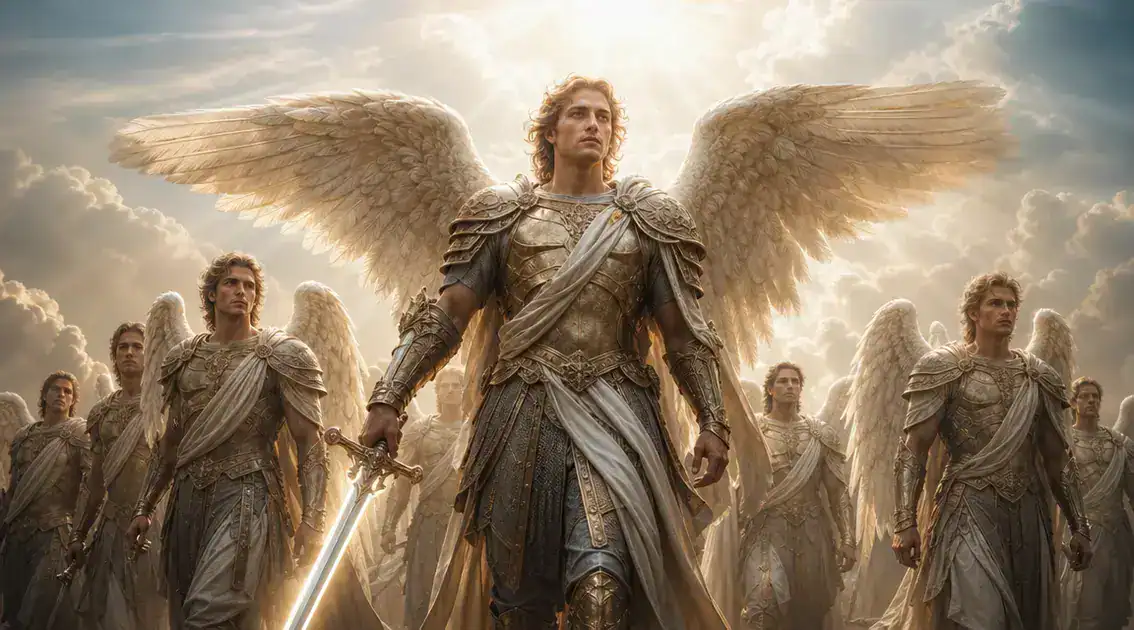

principalities daniel angel of persia: In Daniel 10 the ‘prince of Persia’ denotes a spiritual authority tied to a nation, where an angelic messenger is delayed by opposition until Michael assists, teaching that unseen regional powers operate under God’s sovereignty and that persistent prayer participates in God’s redemptive action.
principalities daniel angel of persia; Have you ever wondered what lies behind Daniel’s sudden silence and the angel’s delay? This piece listens to the biblical text and tradition, inviting a devotional look at the angelic struggle.
The prince in Daniel 10: reading the vision
Daniel sees a vision that reads like a doorway into a larger world. He meets a radiant messenger whose arrival was delayed by conflict with the prince of Persia, an image that stretches beyond politics into spiritual reality. This moment invites us to notice that Scripture sometimes names spiritual resistance so we will not be startled when our prayers meet delay or weight.
Readers have long asked whether the figure is a human ruler, a spirit, or a way of speaking about deep, unseen powers. The text leans toward a heavenly struggle, where angels carry divine messages and encounter opposition. Holding both ideas helps: the passage names a real opposition while keeping our trust anchored in God’s purpose and care.
For the devotional reader, the scene gently reframes prayer as participation in a larger story. Our petitions enter a field where patient faith and steady prayer matter, not because we force heaven’s hand but because we join the one who acts. Let this vision remind you that pauses in answer are not absence; they are moments in which faith learns to wait and to stand with the messenger.
Principalities and the biblical hierarchy: scriptural anchors
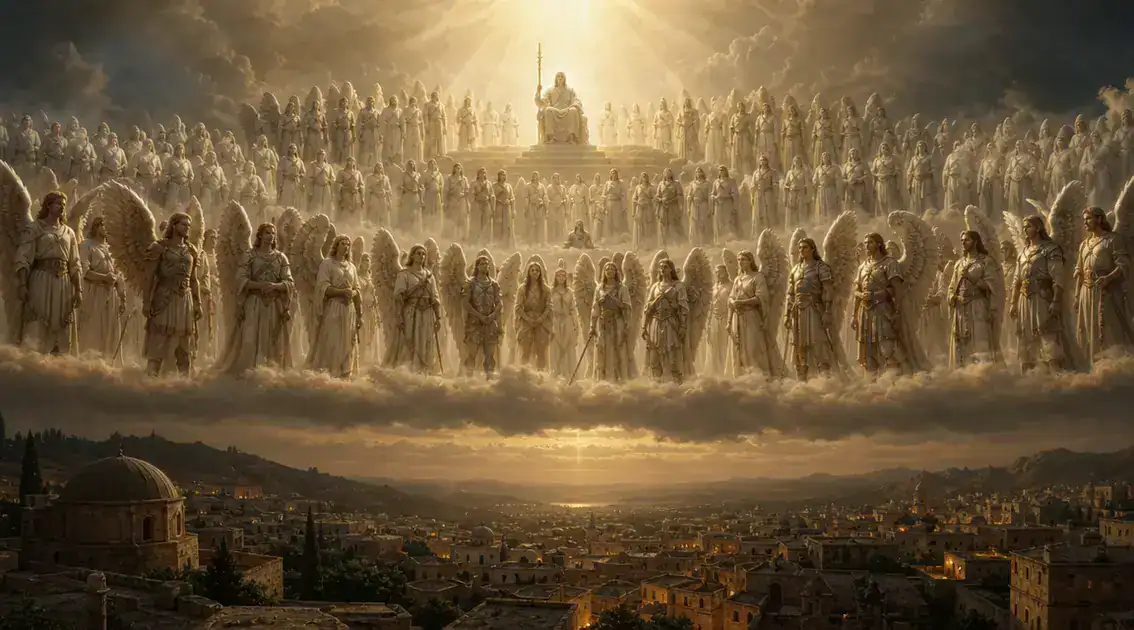
The Bible speaks of principalities as part of a heavenly order that touches our world. These words name real powers without turning them into heroes or monsters. When Scripture uses them, it asks us to pay attention to the unseen frames that shape human life, while keeping our trust in God’s rule.
Scripture offers clear anchors for this view. In passages like Ephesians 6:12 we are reminded that struggles are not only against flesh and blood, and in places like Colossians 1:16 the text affirms that all things, visible and invisible, were formed through and for Christ. Reading these verses together helps us see a hierarchy that exists under God’s sovereignty, not above it, and it steadies us against fear.
For prayer and devotion, this teaching is quietly freeing. It means we can pray with patience and humility, knowing our petitions enter a larger story. Wear the simple habits of faith — steady prayer, Scripture, and communal worship — and let them shape how you stand amid unseen currents, trusting that God remains the true Lord over every principality.
The angel of Persia: historic and linguistic perspectives
The phrase “prince of Persia” appears in Daniel 10 against the backdrop of exile and empire. Daniel lives in a world shaped by Persian power, and the book names a force that seems to stand over a land or people. The Hebrew and Aramaic word behind this image is often translated as “sar”, a term that can mean chief, ruler, or prince. This simple tag invites us to see a layer of reality where territory and spirit meet.
When we look at how the words moved through history, we find careful translators and deep imaginations at work. Ancient Greek renderings used the idea of an archon, a ruler in a language that sounded political and spiritual at once. Jewish writings from the Second Temple period also speak of angels tied to nations, so the idea of a spirit linked to Persia sat naturally in that world. Reading these strands together helps us hold both the linguistic choice and the devotional meaning without forcing one into the other.
For prayer and faith, this balance matters. Instead of turning the prince into a fearful myth, the text can teach patient prayer and humble watchfulness. The vision asks us to pray with awareness that our words enter a larger story, and to trust that God’s messengers move within a world God still rules. Let the historic and linguistic view deepen your devotion, not your dread, as you learn to pray into the quiet architecture of grace.
Theological interpretations across Jewish and Christian traditions
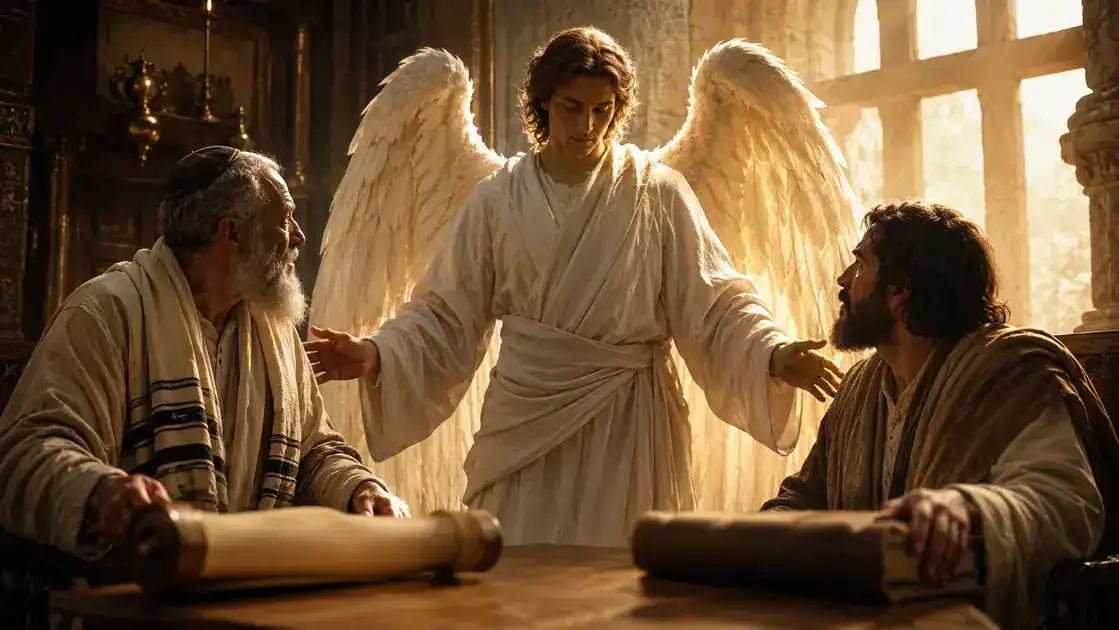
Across Jewish readers, the book of Daniel is read with a sense that the world holds both seen rulers and unseen orders. Many Jewish voices from the Second Temple period and later speak of angelic princes as guardians or stewards tied to nations, always under God’s final rule. This view keeps the focus on God while naming the realities that shape history and human life.
Christian interpreters likewise notice a layered spiritual world, and they often link Daniel’s images to New Testament language about rulers and authorities. Fathers and teachers have used passages like Ephesians to show how Christ’s work places all powers under a single Lord. Such readings ask us to see angelic conflict not as an end in itself but as part of the drama in which Christ brings healing and order.
For prayer and devotion, both traditions meet in a humble posture: persistent prayer, patient waiting, and trust in God’s care. Rather than fueling fear, these interpretations invite steady practices — prayer, worship, and simple acts of charity — that remind us of God’s presence amid complex spiritual realities. Let this shared attention shape a calm faith that prays with courage and listens for the quiet work of God.
Prayer, warfare, and devotion: living the angelic encounter
Prayer can feel private and small, yet Daniel’s vision reminds us it often moves through a larger realm. In that story an angel came with a message and met resistance, which shows how prayer can be part of a wider, unseen encounter. This idea gently teaches that prayer is participation—not a lone petition but a joining with God’s messengers as they carry care into the world.
Practices shape how we stand in that field. Simple habits—short daily prayer, reading a verse, moments of silence, and the company of other believers—help us keep steady when answers delay. These quiet actions are not magic; they are the faithful posture that supports the work of the messenger and trains the heart to wait without fear, a discipline of watchful, patient prayer.
Living the angelic encounter means doing small, faithful things: acts of mercy, consistent worship, honest confession, and service to neighbors. These habits remind us who rules the unseen orders and keep our trust rooted in God rather than in signs or fear. Hold to these practices and let them shape a humble, hopeful devotion that continues to pray and serve as the larger story moves forward.
A closing prayer
Daniel’s vision invites a quiet trust: even when messages are delayed, we are not alone. The angelic struggle does not overturn God’s care; it reminds us that our prayers enter a larger, loving story.
Lord, give us patience when answers wait and courage when the way seems hidden. Help our hearts to keep praying with gentle faith, trusting that your messengers move even when we cannot see.
Keep living with simple practices that steady the soul: brief prayers, honest reading of Scripture, acts of kindness, and the company of people who pray with you. These small habits shape a steady faith in the midst of mystery.
May the peace of God rest on you, and may wonder guide your steps as you carry this sacred story into each day. Amen.
FAQ – Common questions about the angelic battle in Daniel
What does the phrase “prince of Persia” mean in Daniel 10?
In Daniel 10 the phrase points to a spiritual power tied to a territory rather than a mere human king. The Hebrew term often translated as “prince” (sar) can mean ruler or chief, and the narrative shows an angelic messenger delayed by opposition (see Daniel 10:13). Jewish and early Christian readers understood this language as naming unseen forces that operate under God’s sovereign rule, not as rivals who outweigh God.
Is the messenger in Daniel an archangel or a simple angelic envoy?
Daniel names a powerful heavenly being who brings God’s word and who receives help from Michael (Daniel 10:13,21). Tradition treats Michael as an archangel and protector, while other messengers like Gabriel serve direct tasks (see Daniel 8:16; 9:21). The text balances both: the visitor is authoritative yet works within God’s angelic order and with Michael’s aid.
Does Ephesians 6:12 relate to Daniel’s vision of principalities and powers?
Yes. Ephesians 6:12 uses similar language about rulers, authorities, and spiritual struggle, and it helps us read Daniel as part of a biblical witness to unseen realities. But both Daniel and Ephesians point back to Christ’s lordship (see Colossians 1:16); spiritual conflict never overturns God’s authority and is met by prayer, truth, and faith.
How should I pray when answers seem delayed, as in Daniel’s experience?
Daniel models patient, faithful prayer (Daniel 10:12–14). When answers delay, keep to steady practices: simple daily prayers, Scripture reading, silence, and the support of a faith community. Trust that your prayers enter a larger story; persistence and humble waiting are themselves faithful responses rooted in Scripture (see Psalm 40:1–3 and Daniel’s persistent petition).
Do Jewish and Christian traditions read angelic principalities the same way?
They share common ground but also differ in emphasis. Second Temple Jewish writings and rabbinic texts often speak of angels linked to nations, and early Christian writers read Daniel alongside New Testament texts that place Christ above all powers. Both traditions, however, insist these powers remain under God’s sovereignty and that prayer and righteousness are the right human responses.
Can belief in principalities lead to fear or distraction, and how do I avoid that?
It can, if speculation replaces devotion. The healthiest response is the one Daniel shows: steady prayer, Scripture, and trust in God’s rule (Colossians 1:16). Ground your life in worship, acts of mercy, and simple spiritual disciplines. Let the reality of unseen orders deepen humility and prayer, not fuel anxiety or sensationalism.