
cherubim divine wisdom are throne‑near angelic beings in Scripture and tradition who both guard sacred thresholds and embody God’s discerning presence, serving as visible signs and mediators of heavenly knowledge that invite worship, contemplative listening, and humble obedience so that believers may receive and carry divine insight into daily life.
Have you ever wondered who stands closest to God’s throne, holding mysteries of the divine? cherubim divine wisdom invites a gentle, curious walk through biblical images and devotional reflections that let ancient sacred knowledge speak into ordinary life.
Cherubim in Scripture: from Eden to the throne
When Genesis describes God placing cherubim at the east of Eden, the image is simple and arresting: these figures stand at the garden’s gate to guard the way to the tree of life. Their presence calls attention to a holy threshold, reminding us that some places and mysteries are held with care. This scene paints cherubim as custodians of divine access, attentive and solemn rather than distant or decorative.
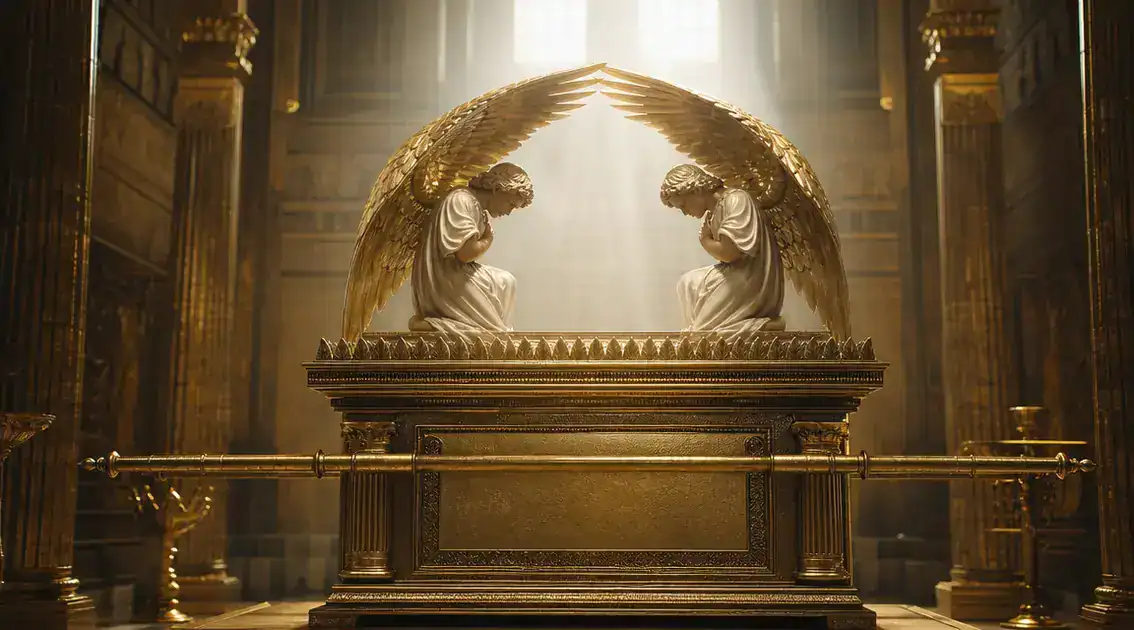
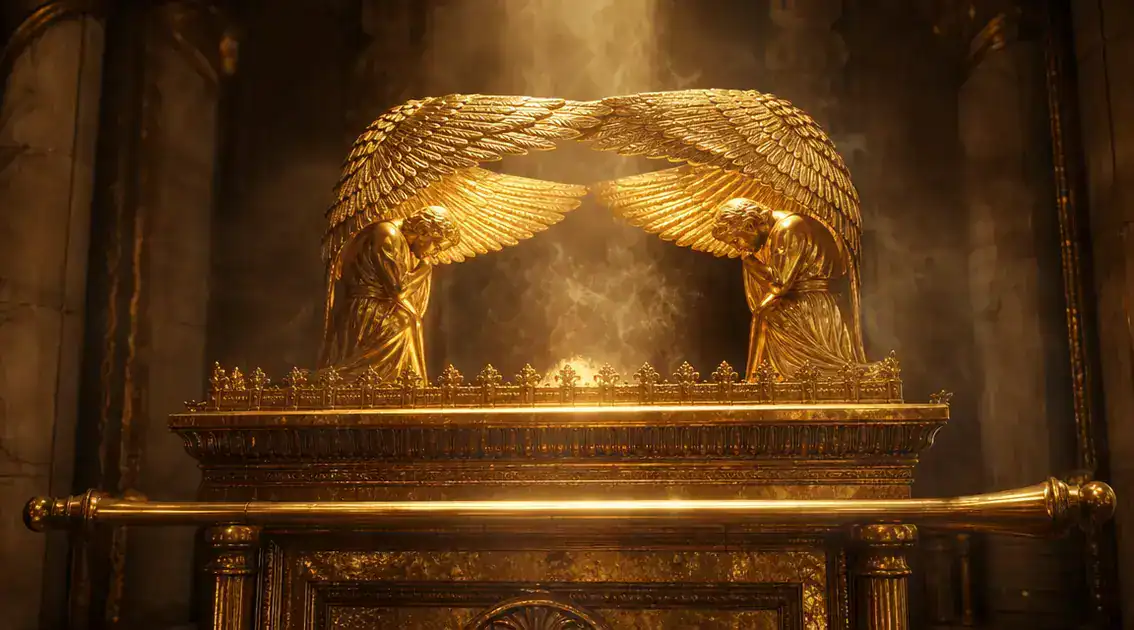
Later, those same guardians appear as carved figures above the ark and the mercy seat in the tabernacle and temple, shaping how worshipers picture God’s dwelling among the people. In that sacred setting, the cherubim frame a small, weighty place where heaven and earth meet, teaching that God is both near and transcendent. The continuity between Eden and the sanctuary shows that cherubim mark the presence of God wherever the divine will is consulted and honored.
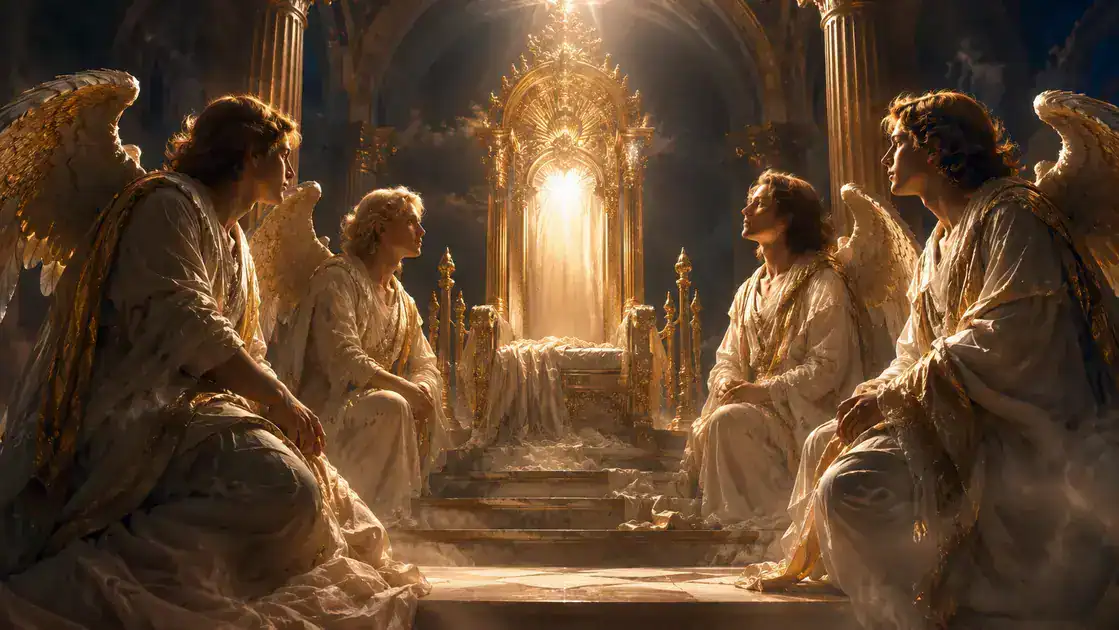
Prophetic visions, especially in Ezekiel, deepen the picture: cherubim move with the spirit, bearing the throne and showing faces and eyes that speak of perception and action. This motion links the silent guard at Eden’s gate to the living throne that accompanies God’s movement through history. Taken together, these Scriptures invite a devotional posture of reverence and listening, seeing cherubim as symbols of God’s wise, discerning presence that both protects and reveals sacred knowledge.
Symbolism and iconography: wings, eyes, and the living throne
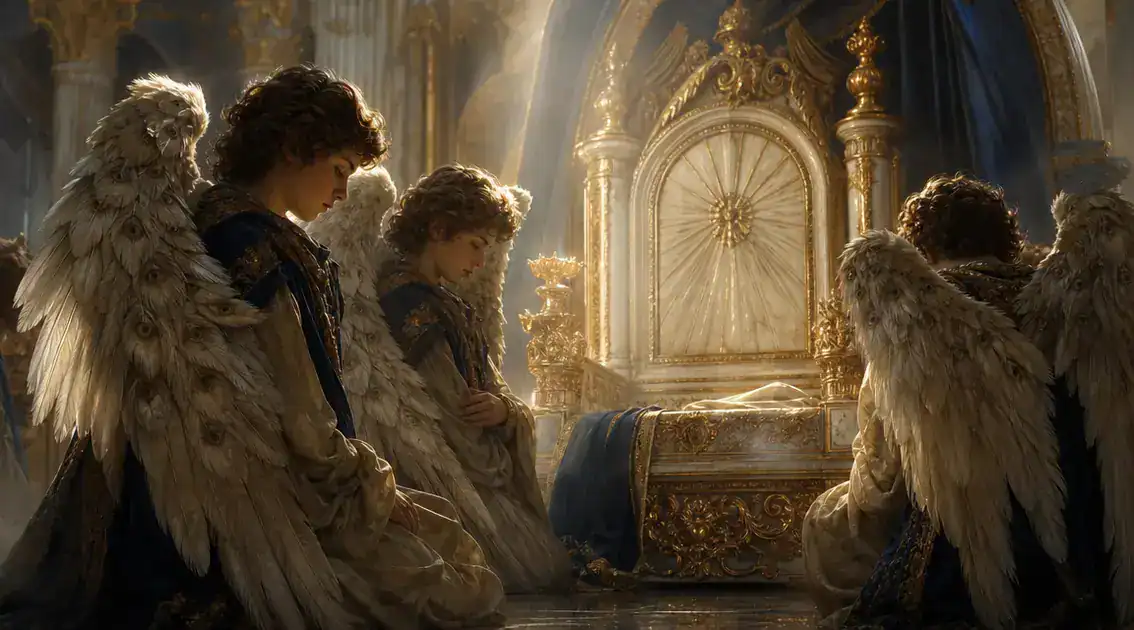
Wings appear again and again in Scripture as a clear sign of care and quick movement toward God’s purposes. In the tabernacle and temple art, cherubim spread their wings over the mercy seat, suggesting both protection and nearness. These feathers are not mere decoration; they speak of a gentle shelter and a swift readiness to serve, teaching us that the holy can be both majestic and attentive.
The many eyes described on the living creatures in Revelation and the vivid faces in Ezekiel point to another truth: God’s wisdom sees fully and acts with clear sight. When Scripture says the creatures are full of eyes, it offers a picture of constant watching that is not cold surveillance but faithful awareness. This detail invites us to trust that nothing important escapes God’s notice and to seek the gift of discernment in our own prayers.
Together, wings, eyes, and the living throne form a single visual language about presence and motion. The cherubim both guard and bear the throne, showing that God’s rule moves through history with compassion and understanding. These images call for a humble posture: to stand in awe, to listen with open eyes, and to let sacred knowledge shape how we live. In simple devotion, we can imitate that posture by practicing quiet attention, asking for wisdom, and remembering that closeness to God often looks like faithful watching and gentle service.
Theological readings: cherubim as bearers of divine knowledge
Many readers of Scripture find that cherubim do more than guard sacred space; they act as visible signs of how God shares wisdom. In scenes from Eden to the temple, these beings stand where heaven and earth meet. Their placement suggests a role as bearers of divine knowledge, moving what is holy into the life of the people.
Ancient interpreters and later theologians often describe cherubim as mediators for revelation and discernment. In prophetic visions their faces and many eyes speak of deep seeing and careful attention. This language teaches that divine knowledge is not abstract only; it is lived, watched over, and delivered by beings who both perceive and serve.
For the spiritual life, this theological reading invites a posture of listening and simple obedience. We practice quiet prayer, ask for discernment, and learn to let sacred truths shape small choices. In this way, the cherubic image becomes practical: it reminds us to receive wisdom humbly and to carry it gently into daily life.
Devotional and liturgical traditions: how believers remember and honor cherubim
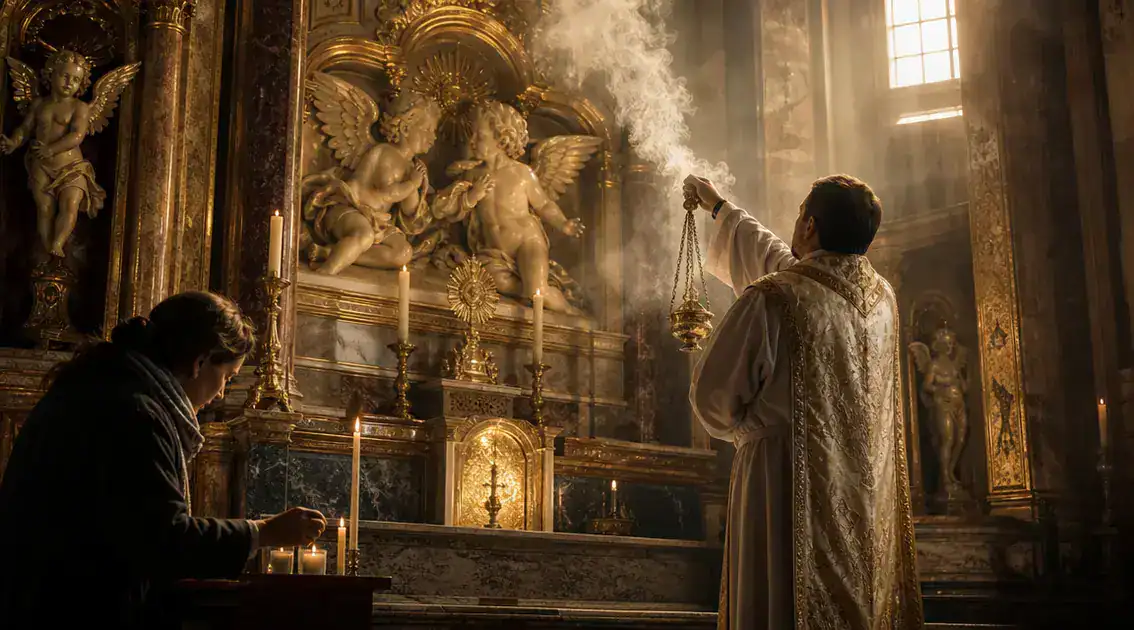
Across many churches and chapels, believers meet cherubim first as art: carved reliefs above altars, gentle winged faces in mosaics, or painted panels that catch the light. These images are placed where people gather to pray, so the cherubim quietly teach a truth: the holy is near and watched over. In that carved or painted presence, worshipers remember the sacred threshold where heaven touches earth and feel invited to a deeper reverence.
In liturgy and hymnody, cherubim shape how communities lift their voices and raise incense. Ancient prayers and contemporary hymns alike borrow the language of the angels, calling the gathered church to join in what Scripture pictures as unceasing praise. Processions, incense, and the reverent gestures around the altar echo the motion of heavenly worship and help ordinary people taste a little of the throne-room rhythm in their own gatherings.
At the personal level, devotion influenced by cherubim is simple and practical: a quiet hour before an icon, a candle lit with an intention for wisdom, or a breath prayer asking for discernment. These small acts form a habit of watchful attention, which the cherubic images encourage. By imitating that attentive posture—listening, waiting, and offering service—believers let sacred knowledge move from the page into daily life.
Practical devotion: contemplative practices inspired by cherubic presence
In small, steady ways, cherubic presence can shape how we pray each day. Begin by creating a quiet corner with a candle, a simple icon or carved relief, and a chair where you can sit without hurry. This gentle setup invites a posture of attentive watching, reminding you that wisdom often arrives in silence rather than noise.
Try short, repeatable practices that fit into ordinary life: a single breath prayer on waking, two minutes of quiet reading from Scripture, or pausing before decisions to ask quietly for discernment. These habits are not dramatic exercises but small acts of opening—like leaning closer to a friend’s voice. Over time, they help form a listening heart that notices God’s guidance in simple choices.
Let devotion be rhythmic rather than forced: a morning breath, a midday glance toward the candle, and a brief evening offering of thanks. Pair these moments with service—small acts done with care—and you will find sacred knowledge moving from prayer into action. The goal is not perfection but a steady, humble practice of learning to hold life with the same watchful tenderness that the cherubim embody.
A gentle prayer to carry with you
Holy One, thank you for the quiet guardians who stand at the thresholds of our days. May the image of the cherubim remind us that wisdom is near and that sacred things are kept with care.
Help us to listen in small moments and to stay present in ordinary tasks. Give us calm hearts that can notice gentle guidance, and give us simple courage to follow what we learn.
May we carry this sacred knowledge into small acts of kindness, patient words, and humble service. Let our daily choices be shaped by what we have seen and held here.
Grant us peace as we go, a quiet hope for the path ahead, and the eyes to see how grace moves in common things. Amen.
FAQ – Cherubim, sacred presence, and practical devotion
Are cherubim real according to the Bible?
Yes. Scripture names cherubim in Genesis 3:24 as guardians of the tree of life and describes them carved above the mercy seat in Exodus 25:18–22. Prophetic visions in Ezekiel 1 and 10 and the throne-scenes in Revelation 4 deepen that witness, showing cherubim as real, sacred figures who mark God’s presence.
What do cherubim symbolize in Scripture and tradition?
Cherubim commonly symbolize God’s nearness, protection, and discerning wisdom. Their wings, eyes, and role near the throne speak the language of attentive care and heavenly sight; Christian and Jewish traditions have read these images as invitations to reverence, watchful prayer, and trust in divine guidance.
How are cherubim different from guardian angels or archangels?
Cherubim belong to a higher, throne‑near order of angelic beings associated with cosmic roles like bearing the throne and guarding sacred space. Guardian angels (alluded to in passages such as Matthew 18:10) tend toward personal care, while archangels (Michael, Gabriel) carry named missions in Scripture. The differences point more to role than to rivalry: each serves God’s plan in distinct ways.
Can believers honor cherubim in worship without crossing into idolatry?
Yes—when done with proper reverence and theology. Churches have long used images, hymns (for example, the Cherubic Hymn in Eastern liturgy), and altar art to remind worshipers of the heavenly reality. The key is to direct worship to God while allowing cherubic imagery to lift the heart toward awe, not to become an object of worship itself.
Do cherubim reveal divine knowledge to people today?
In Scripture cherubim appear in moments of vision and revelation, but today the primary means of God’s guidance is Scripture, prayer, and the Spirit (see James 1:5 on asking God for wisdom). Cherubic imagery can nonetheless shape our spiritual imagination and help us cultivate a listening heart that is open to God’s timely guidance.
How can I put cherubic devotion into daily practice?
Start with small, steady practices: a quiet prayer corner, a brief breath prayer asking for discernment, lighting a candle before Scripture reading, or joining liturgical moments that recall heavenly worship. Pair these practices with humble service and regular requests for wisdom (Proverbs 2:6; James 1:5)—simple habits that help sacred knowledge move into ordinary life.