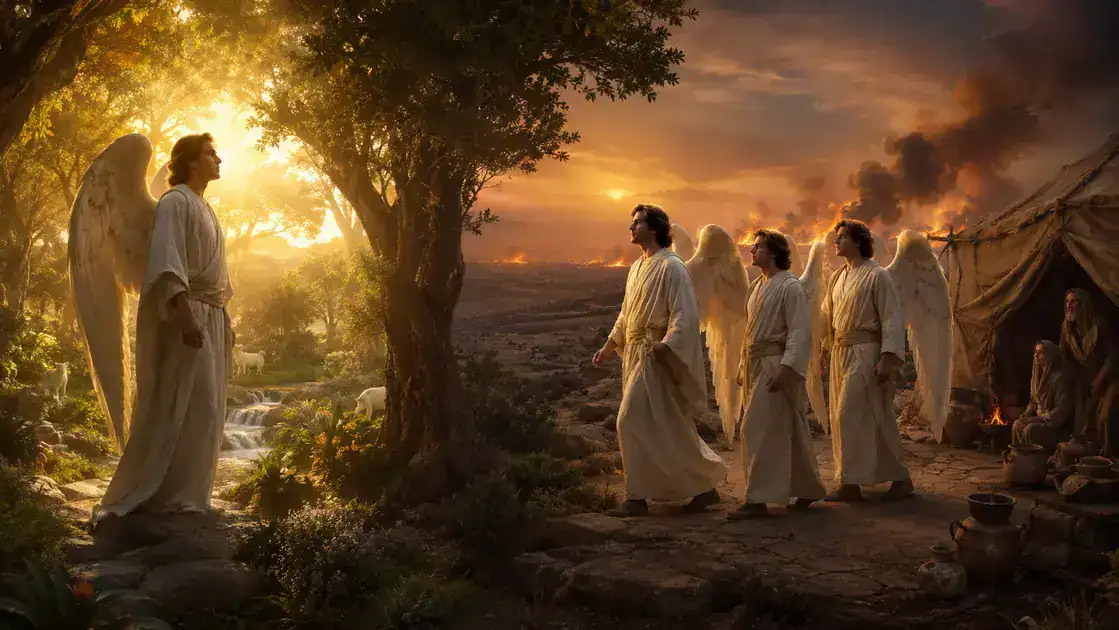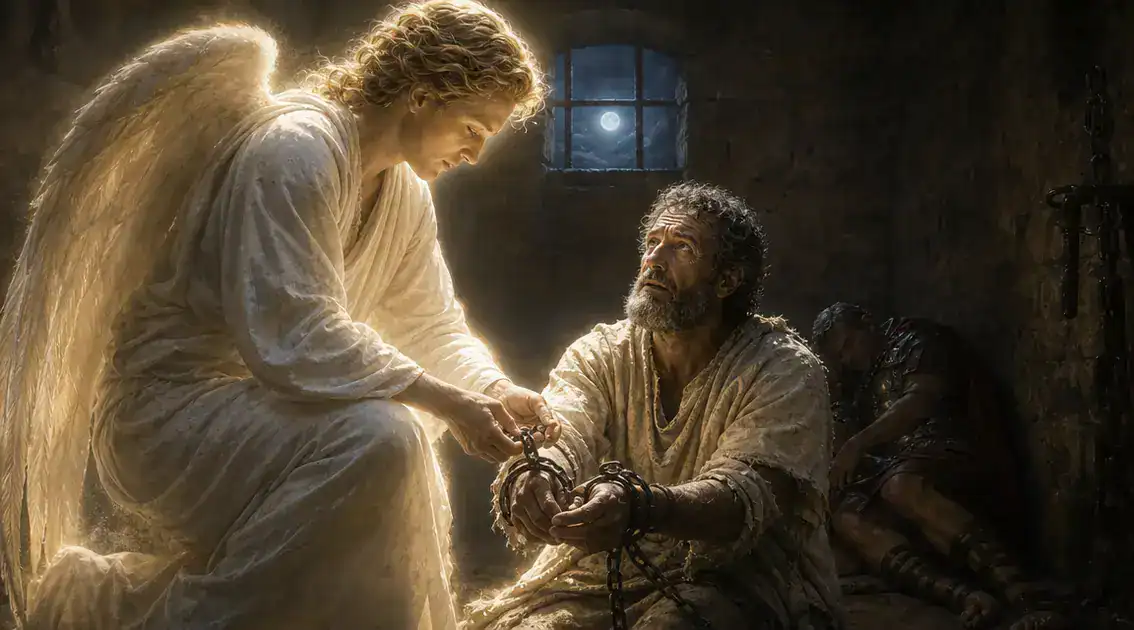

Angels in the Book of Revelation appear as God’s authoritative messengers and agents—announcing visions, sounding trumpets, pouring bowls, executing divine judgments, aiding churches, and leading heavenly worship—each action calling communities to repentance, discernment, and hope while serving as visible signs of God’s sovereign order and restorative purpose.
angels in the book of revelation: have you ever wondered why their trumpets, bowls, and appearances sound like both warning and consolation? Walk slowly through a few vivid visions and notice how angelic action invites prayer, discernment, and quiet hope.
The role of angels in John’s apocalyptic vision: presence, voice, and mission
In John’s apocalyptic vision, angels arrive as close, embodied presences rather than vague ideas. They stand near the throne, bathed in a soft, golden light, their movements calm and purposeful. The scene feels both intimate and vast, a meeting place where heaven’s order touches the world below.
When an angel speaks, the voice carries weight and clarity; it shapes how John sees each sign and symbol. Their words bring warning, explanation, or consolation, turning strange images into framed meaning. Listening to an angel in Revelation is not mere curiosity — it is an invitation to attend, to let the message settle in the heart.
The angels’ mission blends worship and service: they declare God’s sovereignty, deliver messages to churches, and carry out divine actions that call people to faithful living. Each gesture points back to God’s purpose, asking listeners to respond with hope, repentance, and steady trust. In that quiet summons, the reader is gently led to live in the light of what the angels reveal.
Trumpet angels: the meaning of each blast and its spiritual resonance
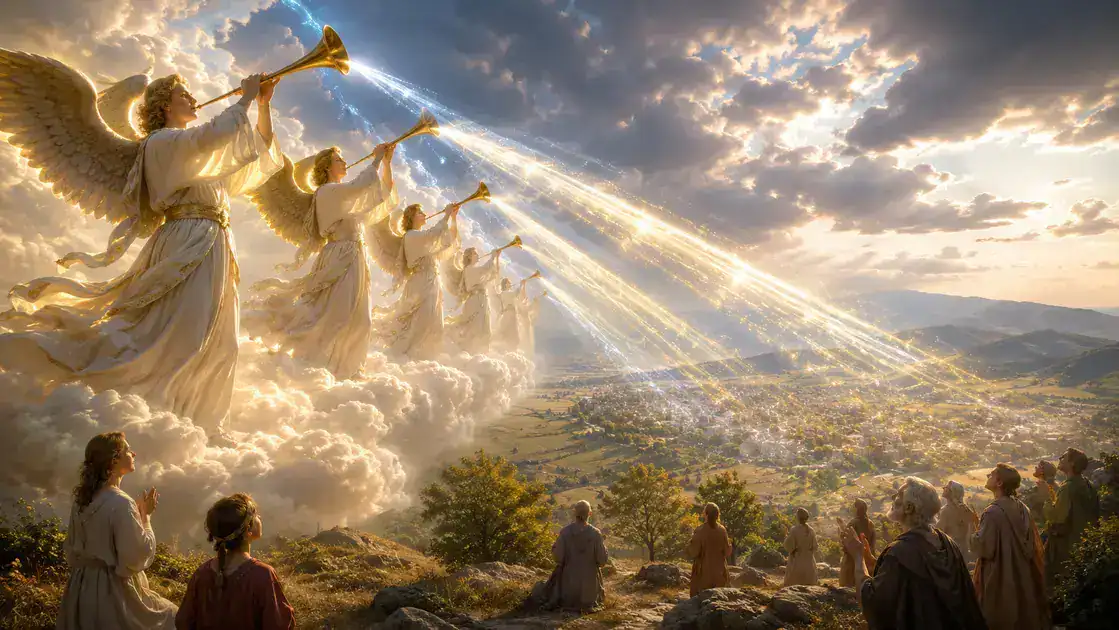
The trumpet angels in Revelation act as clear heralds. Each blast interrupts the flow of human history and draws attention to a divine act. In John’s vision, the sound feels urgent and holy, asking listeners to stop and listen.
Early trumpets bring warnings that touch the earth, sea, and sky, showing how creation suffers when people turn away from God. Later blasts bring sharper trials and public upheaval, pushing the community toward awareness and repentance. The final blasts signal great change and the nearness of judgment, but they also point to hope for those who remain faithful.
Spiritually, the trumpet calls are meant to shape how we live now. They invite prayer, honest self-examination, and acts of mercy instead of fear alone. When we let the sound move us, it becomes a prompt to wake, to care for others, and to hold steady in hope as we wait for God’s fuller work.
Seven bowls and divine action: how angels administer judgment in the narrative
The seven bowls in Revelation are poured by angels as clear acts of divine action. Each bowl is a weighty sign that changes the world around it. The images are stark and vivid, but they invite steady attention rather than wild fear.
As the angels lift and pour, seas, rivers, skies, and the hearts of people are touched in ways that show how seriously God attends to injustice and neglect. These plagues are not random cruelty; they are measured responses within a sacred story that calls for justice and healing. The vision asks us to see consequence and mercy together, not to separate them.
For the reader, the bowls become a call to wakefulness and compassion. Watching angels carry out God’s will can move us toward prayer, care for those who suffer, and honest change in how we live. In that slow turning, the action of the angels urges a humble response: to repent, to repair, and to trust that even hard acts serve a larger, merciful purpose.
Angels as messengers to churches and nations: pastoral care amid prophecy

Angels visit communities in Revelation not only to announce events but to offer care with clear, simple words. They speak to churches as if to a pastor, naming what is true and what must change. This close attention shows that prophecy is meant to guide a people, not merely to alarm them.
These heavenly messengers urge repentance, courage, and faithful service, often promising comfort to those who listen. Their tone mixes warning and consolation in a way that asks leaders to lead with mercy. Pastoral care amid prophecy reminds us that stern truth and tender care belong together in God’s work.
Seeing angels as messengers to churches and nations invites a practical response: listen, correct gently, and serve those who suffer. When communities accept that call, prophecy becomes a spur to prayer, healing, and steady witness. The vision asks us to let divine words shape how we love our neighbors and care for the weak.
Interpreting symbolic imagery: balancing literal reading and sacred mystery
Revelation speaks in images that feel alive: beasts, stars, bowls, and numbers that press on the heart more than the mind. These signs are not puzzles to finish but windows to meaning, inviting us into a space of wonder where symbolic language points beyond itself to truth about God and the world.
Reading these images requires a gentle balance. We read with care about the book’s first listeners, with attention to Scripture as a whole, and with humility in prayer. This approach keeps us from forcing a single literal meaning and helps the symbols guide our faith; they call us to see justice, judgment, mercy, and hope woven together.
Let the images reshape how you live and pray: allow them to stir compassion for the suffering, courage for service, and calm hope in God’s plan. Hold your questions lightly and let the mystery deepen your trust—for in Revelation, seeing is often a call to follow rather than to conclude.
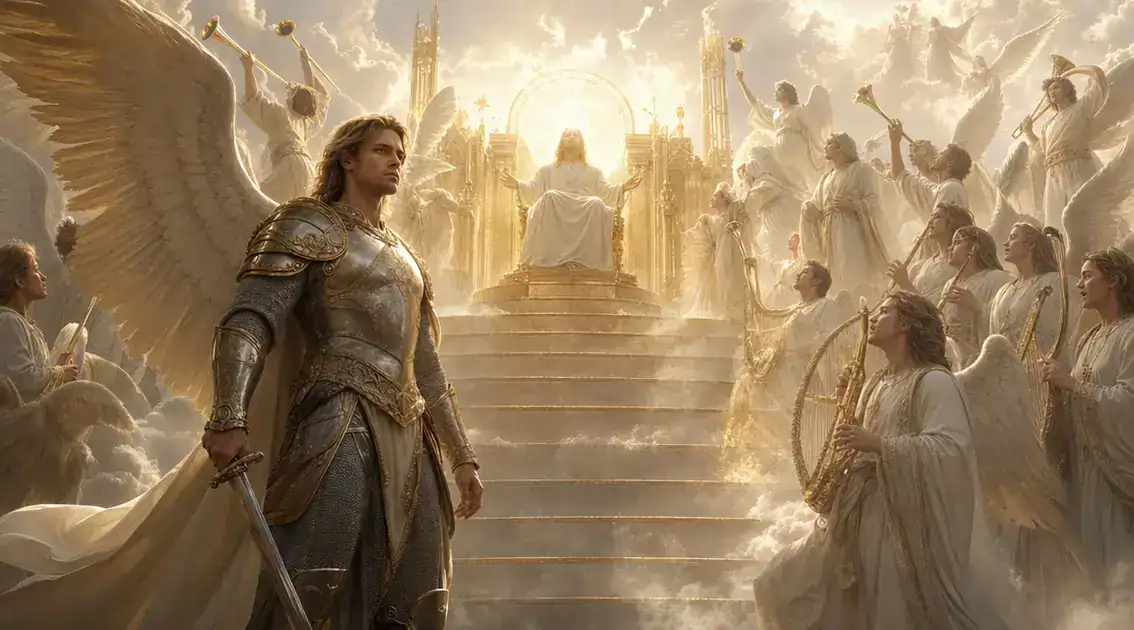
In Revelation, heaven’s worship shapes the whole vision and the angels lead the song with quiet, steady devotion. They gather around the throne in measured praise, not for show but to hold attention on God’s rule. This heavenly liturgy sets the tone for everything John sees, making worship the center of meaning.
Archangels appear within that liturgy as figures of authority and service. Michael and others act with clear purpose: they protect, they carry messages, and they execute God’s will when called. Their role shows that authority in God’s realm is tied to responsibility and care, not to pride or force.
That scene invites a practical response from us: join in praise and let worship shape how we use power in daily life. When prayer and service go together, leadership becomes humble and just. The vision asks us to honor God by seeking mercy, doing justice, and following leaders who serve the good of all.
Devotional practice: how Revelation’s angels shape prayer, discernment, and hope
Angels in Revelation often draw the reader into prayer by their very presence. Their appearances slow the vision and ask for silence, attention, and a plain, honest heart. When we imagine them near the throne or among the churches, prayer becomes less about clever words and more about listening and waiting.
They also shape the art of discernment for communities and individuals. Angelic messages name what is true and what needs change, so believers can test their choices with care. Paying attention to those signs trains us in discernment that is humble, steady, and rooted in Scripture rather than quick judgment or fear.
The same angelic presence that warns also holds out a sure thread of hope. Even amid hard images, the angels point to God’s promise of healing and restoration. That hope changes daily practice: it makes our prayers kinder, our decisions more loving, and our service steadier as we wait with patient trust for what God will do next.
A gentle prayer as you go
As you close this reading, remember the quiet work of the angels in Revelation: their voice calls you to wakefulness and their presence holds you in mercy. Let that image settle like a soft light over your daily life, reminding you that you do not walk alone.
Practice small acts of listening and kindness each day. Pause to pray, to notice those who suffer, and to choose courage over easy comfort. Trust that discernment, prayer, and hope grow together when we wait with humility before God.
May the memory of trumpets, bowls, and heavenly praise shape your steps with patience and love. May you be given strength to repair what is broken and gentleness to console the weary.
Go in calm wonder and steady faith. Carry this vision into ordinary moments, and let it form the way you pray, act, and love the world.
FAQ – Questions on angels in the Book of Revelation
They act on God’s authority. In Revelation the angels carry messages, sound trumpets, and pour bowls as servants of the One on the throne (see Revelation 8–11; 15–16). Their actions are depicted as instruments of divine purpose, called to witness, warn, and bring about justice while remaining under God’s sovereign command.
What do the trumpets and bowls mean for believers today?
The trumpets and bowls are symbolic calls to attention that press the heart toward repentance, care, and faithful endurance. Scripture frames them as measured responses to human brokenness (Revelation 8–11; 16), meant to wake communities to justice and mercy rather than simply frighten them. Spiritually, they invite prayerful change and steady hope in God’s final healing.
How should a local church hear angels’ messages in Revelation?
Listen with humility and pastoral care. The letters to the seven churches show that prophetic words aim to correct, comfort, and spur faithful action (Revelation 2–3). A healthy response is communal: test the message by Scripture, respond in prayer and repentance, and pursue mercy toward the vulnerable.
Can ordinary believers discern an angelic message today?
Discernment is possible but careful. Scripture urges us to test spirits and weigh messages against Christ and the gospel (1 John 4:1; Acts 17:11). Pray, consult trusted leaders, and measure any impression by Scripture and the fruits it produces—peace, humility, and love—rather than signs or excitement alone.
Is it appropriate to pray to angels or ask them for help?
Christian practice varies. Scripture directs prayer to God while showing angels as ministering servants (Hebrews 1:14). Many traditions (Eastern and Western) honor angels and may ask for their guidance or intercession while keeping worship and direct prayer properly toward God. A wise practice is to seek God first and welcome angelic help as God permits it, not as a substitute for prayer to the Father through Christ.
Who is Michael in Revelation and why does he matter?
Michael appears as a chief heavenly warrior and protector (Revelation 12:7), echoing Daniel’s portrayal of Michael as a guardian for God’s people (Daniel 10–12). His role highlights that spiritual struggle is real but ultimately ordered under God’s care. Michael models faithful strength used to defend the vulnerable, never as an independent rival to God.