
Angels in Gnostic gospels are depicted as aeons or emanations of the divine—luminous intermediaries who teach, guide, and sometimes test the soul within a cosmology of emanation and captivity, offering inward knowledge (gnosis) that helps seekers discern the Source beyond the demiurge and archons.
angels in gnostic gospels — have you ever paused before a brittle codex and felt a hush, as if an aeon were about to speak? This piece invites you to listen to those voices: close readings, devotional reflections, and the spiritual questions the Nag Hammadi angels still ask of us.
Angelology in gnostic cosmology
In Gnostic cosmology, angels often appear not as distant messengers but as aeonic emanations—living expressions of the divine light that link the hidden Source to the worlds below. The texts present them as layered presences, each one holding a particular quality or truth. Reading those passages feels like entering a hush where each figure gently reframes what we thought we knew about heaven and help.
These angelic figures serve varied roles: they guide wandering souls, deliver saving knowledge, and sometimes stand as rulers over specific spheres of creation. Some are tender and instructive, acting as mediators of grace, while others perform firmer duties that protect the boundary between the luminous Fullness and the material realm. This pattern invites a patient, prayerful listening instead of quick judgment.
Encountering these angels in the Nag Hammadi writings can become a simple devotional practice—slow reading, quiet wonder, and a willingness to be taught by images of light. Let their presence call you to a gentle attentiveness, a readiness to be held in a larger story where knowing grows through feeling and faithful attention, not through force.
The role of aeons and their angelic manifestations
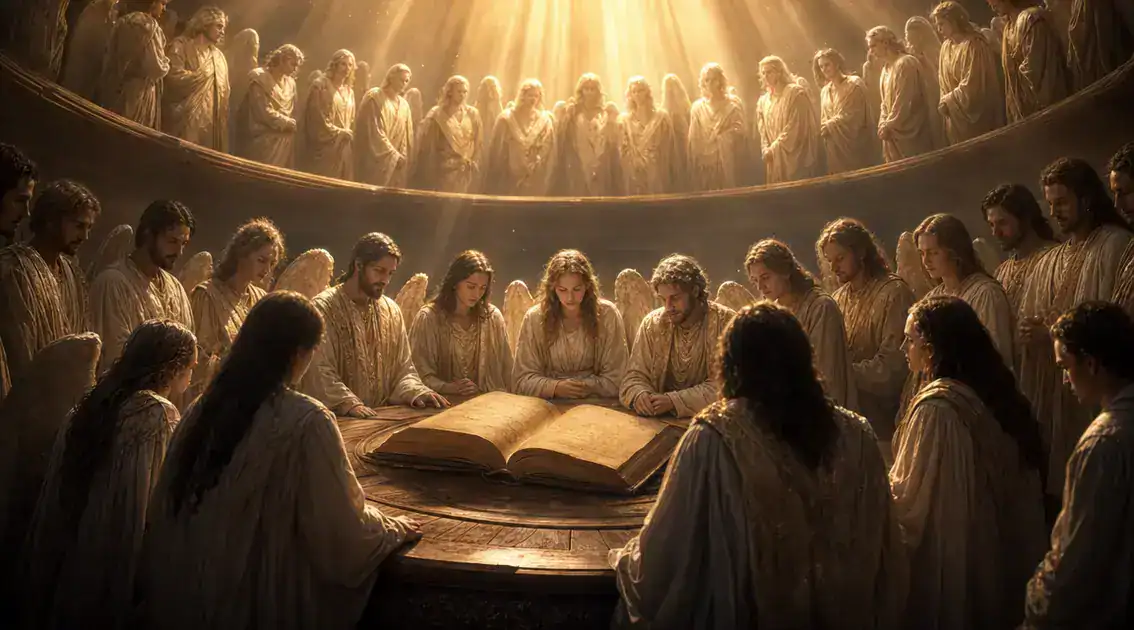
In Gnostic imagination, aeons are living currents of the divine, like rings of light that reveal aspects of the Source. They do not sit afar as cold ideas; they move toward the soul in gentle, intelligible ways. When the texts give them form, they often appear as angelic figures—soft-bodied, compassionate, and full of meaning—so that human hearts can receive what words alone cannot hold.
Those angelic manifestations carry many roles: they teach, guard, and guide the inner journey. A reader meets them not as remote rulers but as companions who point the way back to fullness. Their actions feel pastoral rather than coercive, a pattern of patient illumination that helps a seeker loosen what binds and learn the shape of spiritual ascent.
Approaching these beings asks for simple practices: slow reading, a brief prayer, and a quiet listening that watches how the heart responds. Let the images from Nag Hammadi become aids to attention, not puzzles to solve. As you stay with a passage, the layered lights of the aeons can begin to feel like company on the way home—subtle, steady, and tenderly attentive to each small step.
Nag Hammadi texts that speak of angels
Many Nag Hammadi writings speak about angelic beings, but they often do so in a voice that feels different from familiar Bible stories. These texts place angels inside a wider cosmic tale of emanation, rupture, and return. Reading them gently shifts how we imagine heavenly help: not only as messengers who bring news, but as teachers and luminous guides that shape the soul’s path home.
Some named texts are especially clear about these roles. The Apocryphon of John describes a host of emanations and powers that include benevolent aeons and troubling rulers called archons, who bind souls to the world. The Hypostasis of the Archons and On the Origin of the World tell a drama in which these figures both obscure and reveal truth, so that knowledge itself becomes a form of deliverance.
When we read these passages slowly, they become a tool for prayer rather than a puzzle to solve. Let the images of aeons and angelic helpers invite quiet attention, a brief prayer, and a willingness to be instructed by light. This way of reading trains the heart to recognize guidance in subtle forms and to welcome the gentle teaching that lives in those ancient pages.
Comparing gnostic angels with biblical messengers

The way angels appear in Gnostic texts often feels different from the angels in the Bible, yet both traditions point toward a meeting with the divine. In Scripture, angels frequently act as messengers who bring word, protection, or a call to action. In the Nag Hammadi writings, angelic figures can also be messengers, but they more often serve as aeonic embodiments of spiritual truth, guiding the soul by revealing knowledge rather than by issuing commands.
Biblical messengers tend to show up in clear moments: a prophet hears a voice, a family receives a promise, a city is warned. Angels like Gabriel or Michael carry specific roles that serve a communal story. Their presence comforts and instructs, and their actions move history forward in ways that are visible and decisive. This creates a felt closeness in worship and in prayer where heaven speaks into human life.
Gnostic angelic figures, on the other hand, are woven into a cosmology of emanations and returns. They often function to lift the soul toward gnosis—an inner knowing that frees the self from what keeps it bound. Some figures teach gently, some guard inner thresholds, and some are portrayed as rulers who must be understood rather than blindly feared. The tone here invites reflection and inner work more than immediate public instruction.
When we hold both images together, we gain a richer spiritual vocabulary. The biblical messenger shows us how God interrupts history with mercy; the gnostic angel invites us to listen inwardly for the shape of truth. Practically, this means reading the texts with prayerful curiosity: receive the clear commands of Scripture and allow the contemplative hints of the Nag Hammadi writings to shape your inner attention. Both paths can lead to a deeper sense of being accompanied by light.
Angels, rulers, and the problem of the demiurge
In several Nag Hammadi texts, angels appear entangled with the rulers who shape the visible world. The creator-figure—the demiurge—is shown as a craftsman or architect who governs matter and law. This figure often presumes itself to be the sole god, while lesser angelic rulers, called archons, keep the soul tied to fear, habit, and the patterns of the world.
Yet the same tradition offers another vision: angels who act as guides and light-bearers, pointing beyond the demiurge’s shadow toward the hidden Source. These beings teach by presence and whisper, opening inner doors rather than forcing them. The tension between ruling powers and guiding lights frames a spiritual choice—remain captive to outer authority or seek gnosis, the inner knowing that loosens what binds the heart.
This portrait serves devotion more than dread. The texts invite simple practices—quiet reading, short prayers, and patience—so the true guides may be heard. As one listens, the grip of the demiurge softens and the soul remembers its path. Small acts of attention and trust become the doorway to freedom and a steadier return to the Source.
Devotional readings: encountering angels in gnostic prayer
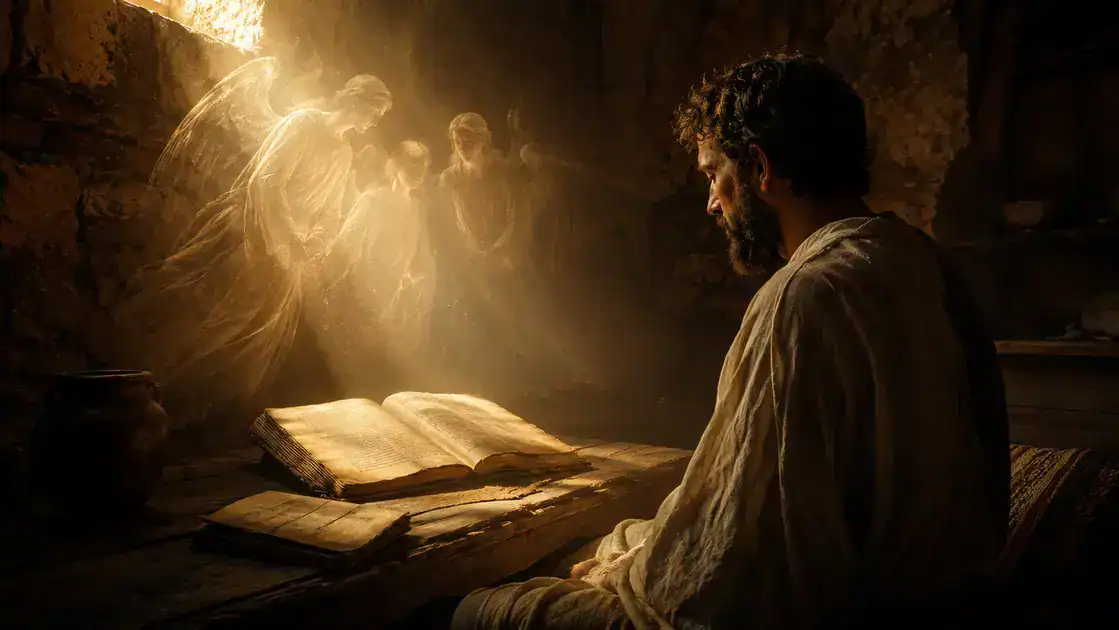
Sit with a short passage from the Nag Hammadi texts and read it slowly, aloud if you can. Let the words fall like gentle footsteps and notice what moves inside you. In this quiet reading, you may sense angels not as distant spectacles but as near companions—soft lights that answer a heart that listens.
Practice a simple rhythm: read a few lines, breathe, and wait. Ask a plain question—Who is with me now?—and stay with the feeling that follows. These small pauses are where gnosis can rise, not as a flash of trivia but as a steadying knowing that reshapes how you see yourself and the world.
Keep a small notebook beside your reading place and note a phrase, a feeling, or a guiding image. Over time these notes become a map of inner movement and prayer. The practice asks only patience and gentle attention, and it opens a quiet space where angelic guidance can feel like companionship rather than mystery.
Modern reception: why gnostic angels matter today
Many people today search for a steady sense of meaning, and the angelic figures of Gnostic texts often meet that search with gentle care. These beings are pictured as quiet companions, not as loud signs, but as sources of subtle guidance that invite us to listen inward. Encountering them can feel like finding a calm voice in the middle of a noisy life.
That shape of help suggests simple practices that fit modern days: slow reading, a brief pause, and a short noting in a notebook. Read a few lines, breathe, and ask a humble question—What does this stir in me?—then write one sentence about what you felt. Over time these small acts build a trust in inner guidance and help soften fear and hurry.
Bringing Gnostic angels into contemporary spiritual life does not mean leaving other paths; it expands how we imagine companionship with the holy. A nightly reflection, a single line of prayer, or a quiet listen in the morning can open a new patience and renewed hope. These modest practices invite a tender, lived knowledge that shapes how we act, care, and remain present to one another.
A closing prayer: companions of light
May the memory of the angels in Gnostic gospels rest gently in your heart, a steady light for quiet days and hard nights.
May their patient teaching shape how you look and listen, and may small practices—slow reading, a brief prayer, a simple note—help you trust inner guidance.
When fear or hurry comes, breathe and remember these aeons as companions, not judges; let that presence soften your steps and steady your choices.
Go now with wonder and peace. May this quiet knowing hold you, shape your care for others, and keep your path toward the Source open and kind.
FAQ – Questions about angels in Gnostic gospels and sacred tradition
What does the phrase ‘angels in Gnostic gospels’ mean?
It refers to how texts like the Nag Hammadi codices describe divine beings—often as aeons or angelic emanations that reveal aspects of the Source. These writings present angels less as mere messengers and more as living expressions of spiritual truth, a picture found in the Apocryphon of John and related works.
How are Gnostic angels different from biblical messengers like Gabriel or Michael?
Biblical angels such as Gabriel and Michael appear in Scripture with clear missions (see Luke and Daniel) and often serve communal, historical purposes. Gnostic angels are typically described as part of an emanative cosmos that guides inner knowing; holding both images together can deepen prayerful understanding rather than force a single view.
Are these Gnostic depictions safe to read devotionally?
Yes, with discernment. Many readers find prayerful, slow reading of Nag Hammadi passages nourishing, but Christian tradition also urges testing spirits and grounding life in Scripture (1 John 4:1). Use simple practices—quiet prayer, pastoral counsel, and Scripture alongside these texts—to keep spiritual fruit and discernment in balance.
Who are the archons and how do they relate to angels in these texts?
In Gnostic writings the archons are often described as rulers or powers that sustain the material order and can obscure the soul’s path. They contrast with benevolent aeons or angelic guides; this tension mirrors biblical themes of spiritual opposition (see Ephesians 6:12) and calls readers to prayerful vigilance rather than fear.
Can Christians incorporate Gnostic angelic images into their spiritual life?
Some Christians draw devotional benefit from the contemplative imagery while remaining rooted in Scripture and church teaching. Practices like lectio divina, brief prayers, and journaling help test what is spiritually nourishing, and pastoral guidance can guard against adopting ideas that conflict with core Christian confession.
How might I seek a gentle encounter with these angelic figures in everyday life?
Begin with short practices: slow reading of a single passage, a brief prayer asking for clarity, and a one-line journal note about what you felt. Pair this with familiar Scripture promises—such as Psalm 91:11 or the trust taught in the Gospels—and allow small, steady habits to cultivate inner guidance rather than expecting dramatic experiences.