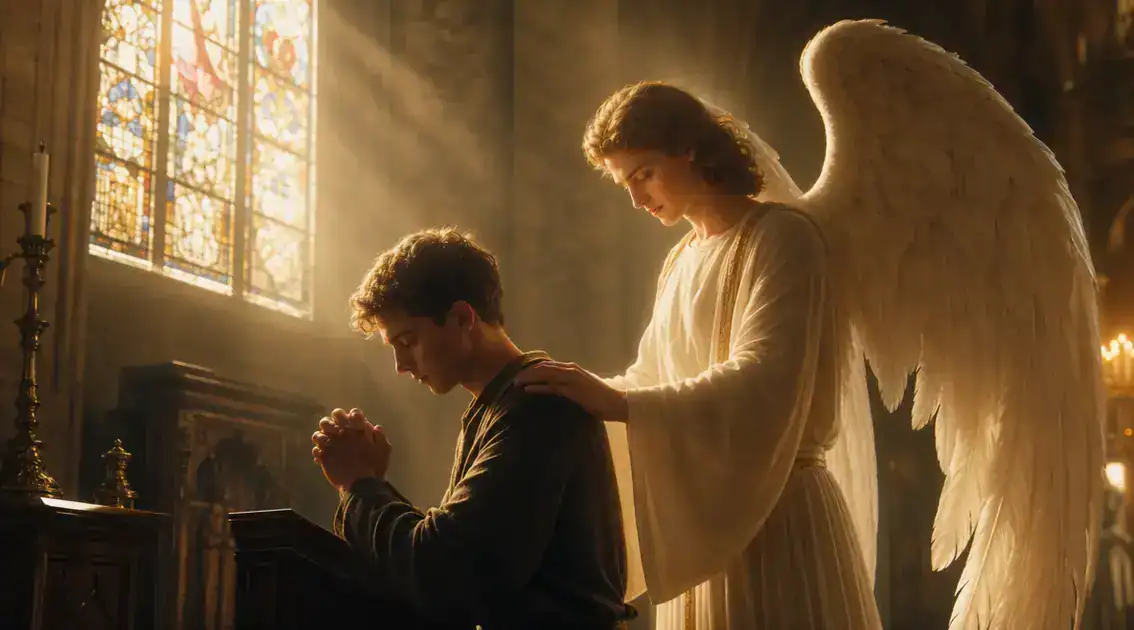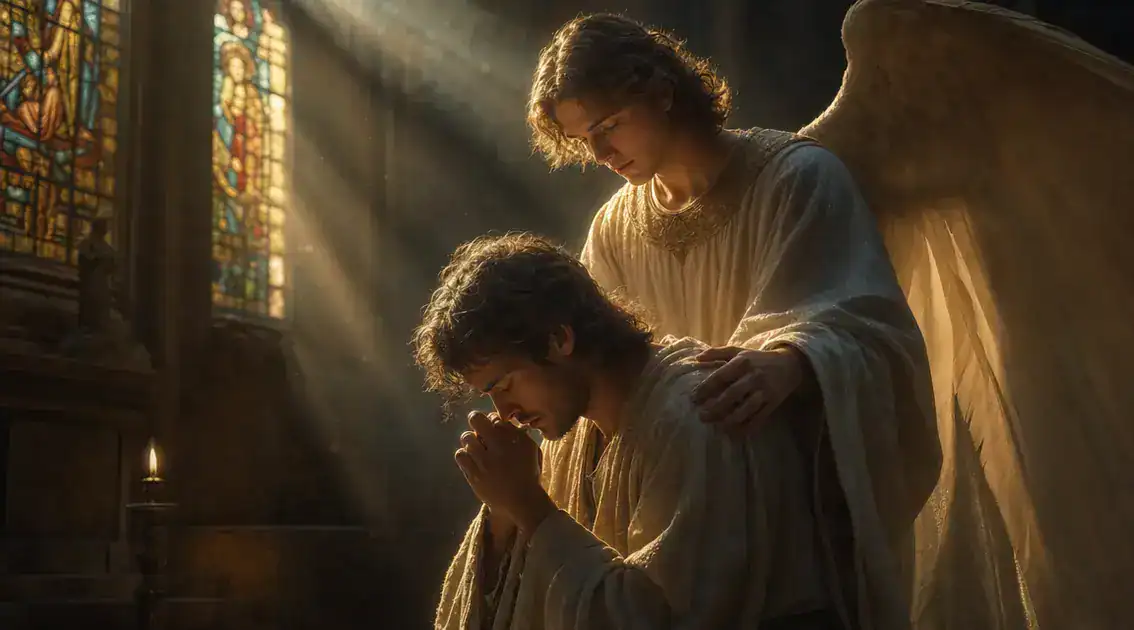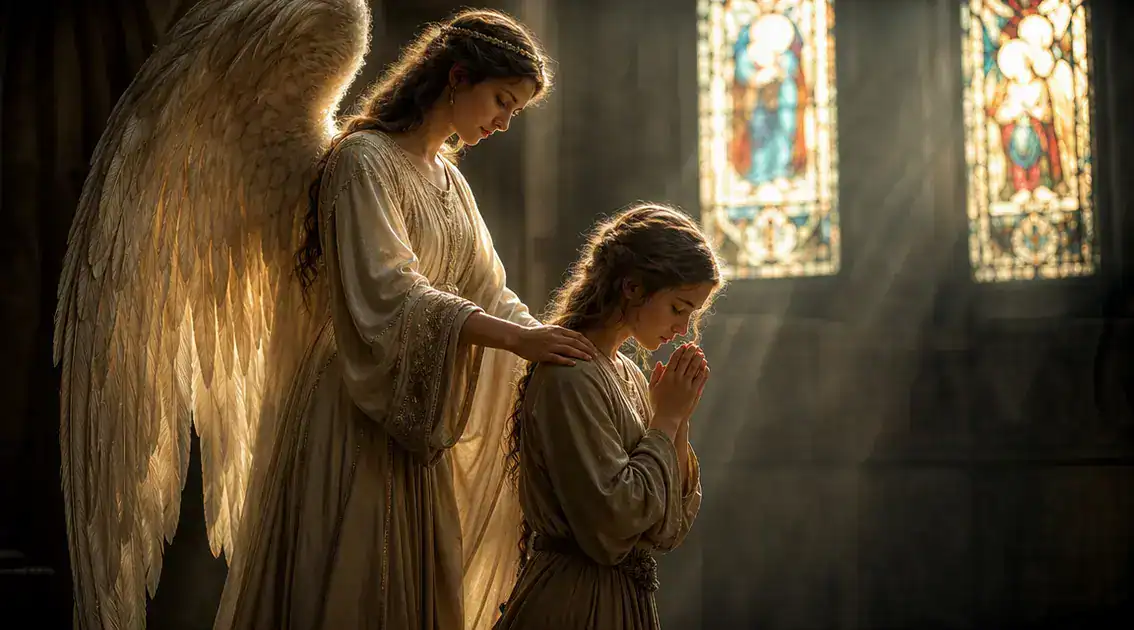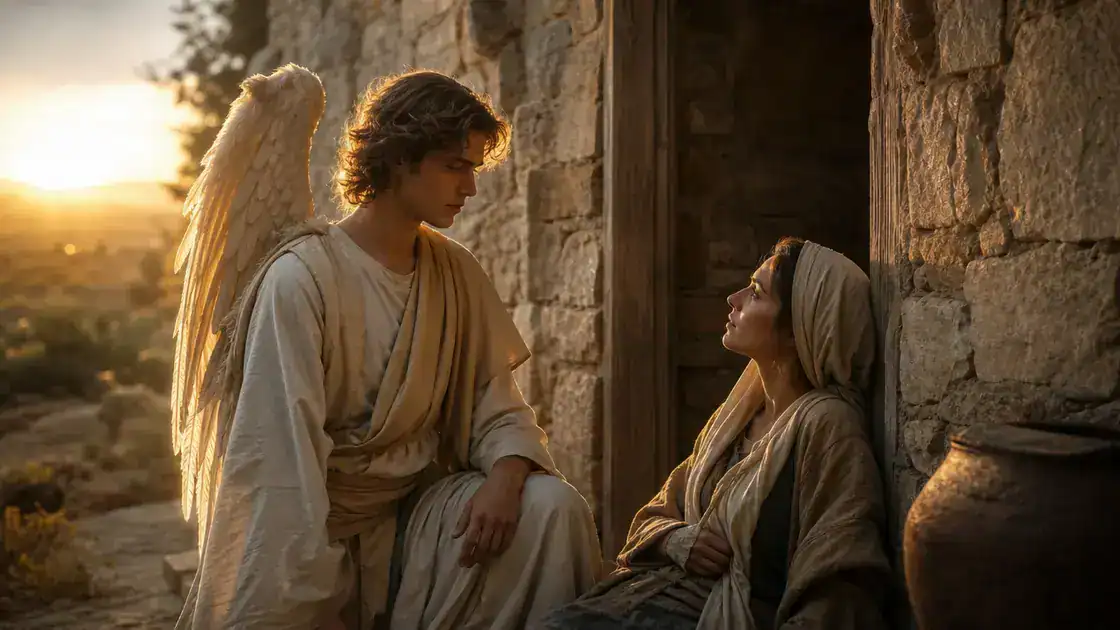

Can angels become human permanently is answered in Christian Scripture and classical theology: angels are created pure spirits who may assume temporary visible form by God’s will, but they do not become human by nature; the unique, permanent union of divine and human belongs to Christ alone.
Have you ever asked, can angels become human permanently; — a question that draws Scripture, theology, and wonder into the same quiet room. Read with me as we listen to the texts, weigh ancient responses, and hold the mystery with reverence.
What Scripture says about angels and human nature
Scripture presents a careful, often humble portrait of angels and people. In passages like Genesis 6 the phrase “sons of God” has been read in different ways — some read it as a note about spiritual beings, others as a family line. That debate shows how the Bible can raise hard questions without always giving a tidy answer. The texts invite careful listening rather than quick verdicts.
The New Testament adds clear touchstones. In Luke 20:34–36 Jesus teaches that those raised to new life are “like the angels,” yet he also notes that angels do not marry, signaling a different way of being. Hebrews draws a contrast and a connection: Christ is placed above angels yet fully enters human flesh. These passages together suggest that angels and humans belong to distinct parts of God’s created order, even as God bridges those parts in Christ.
Reading these scriptures devotionally leads us away from curiosity about literal transformations and toward a reverent view of God’s care. The Bible treats angels as faithful servants and messengers, not as candidates to replace human life. At the same time, Christ’s union with our nature shows God’s deep love for the human story. Let that truth soften your questions and steady your wonder as you keep watching the texts with prayerful attention.
Patristic and medieval views on angelic embodiment

Early church writers treated angels with careful respect, seeing them as servants who visit the human story yet remain distinct from us. Fathers like Augustine and Gregory describe angels as messengers and guardians who can appear in visible form, but they stress that angels are pure spirits by nature. Their accounts blend biblical report and prayerful imagination, helping believers hold wonder without collapsing the difference between heaven and earth.
Medieval theologians carried this idea further with clear reasoning. Thinkers such as Pseudo-Dionysius and Thomas Aquinas taught that angels are immaterial intellects; they may assume a body by God’s will for a time, yet their essence is spiritual. Aquinas insisted that an angel could appear in a human guise only by divine permission and not by changing its nature, which leads to the plain theological point that angels cannot become human by nature.
That teaching shapes how we read stories of angelic visits and visions today. Rather than chasing the notion of permanent transformation, the patristic and medieval voices invite a calm devotion: watch for God’s care shown through these servants, but anchor your hope in the unique gift of the Incarnation. In other words, let the mystery of angelic presence deepen your faith while you remain rooted in the truth of Christ’s singular entry into human life.
Theological objections: immutability, nature, and created order
The first theological objection rests on the idea of immutability. Many classical writers say angels are spirit beings whose essence does not change. If an angel were to become human permanently, it would mean a change in its very nature, and that raises hard questions about how God made created orders.
Related to that is the point about nature itself: angels are pure spirits in most traditional accounts, while humans are body and soul. Scripture shows angels acting in our world, and God may let them take on a visible form for a purpose, but the texts never present angels as entering human life by birth and remaining human. The clear contrast keeps the roles distinct and protects the good of both orders.
Thinking this way helps devotion without dimming wonder. We learn to honor angels as faithful servants and to save ultimate reverence for the mystery of the Incarnation, where God alone unites divine and human. Holding these truths gently can deepen prayer: we stand amazed at God’s care, while trusting that each created being has its own place in the holy design.
Apparitions, angels among us, and how to discern them
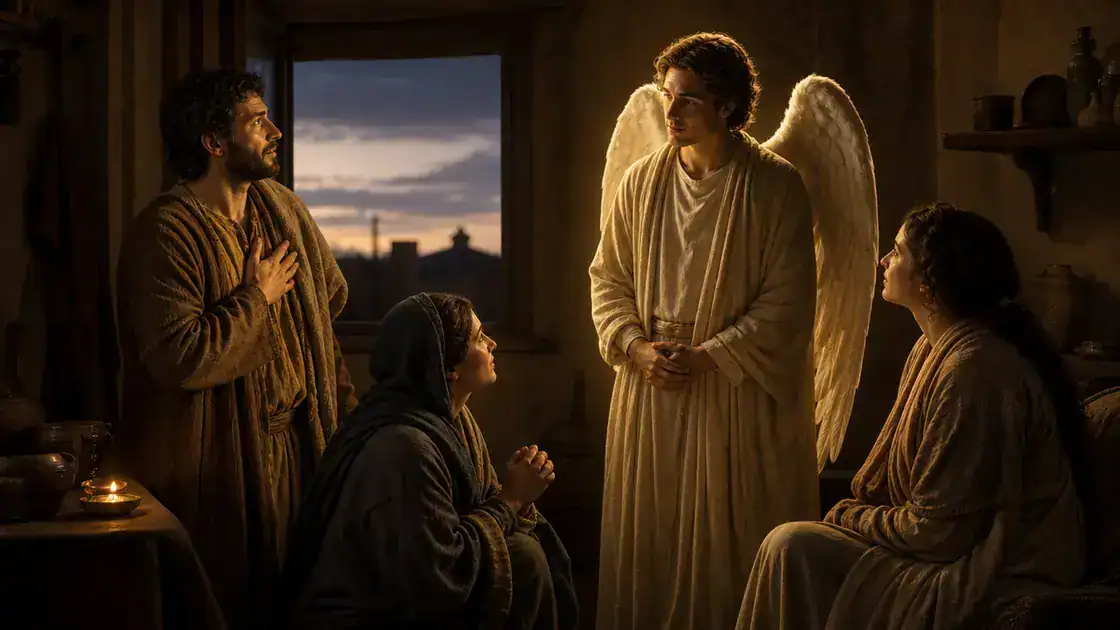
The Bible shows angels appearing in simple, ordinary moments to bring a message, aid, or warning. They often arrive quietly and with purpose, not to dazzle but to serve. Think of the scenes where an angel comforts, points the way, or gives a clear word; those visits always aim to draw people closer to God and to a faithful response.
When Christians seek to discern such encounters, Scripture gives a steady rule: “test the spirits”. Look for agreement with the gospel, a spirit of humility rather than self-exaltation, and lasting fruit like deeper love, peace, and obedience. If a visit pulls someone away from charity, Scripture, or the church’s teaching, it calls for careful caution rather than quick belief.
Practical discernment means prayer, wise counsel, and patient watching. Share the experience with a trusted leader, return again and again to prayer, and notice whether time bears out its fruit. Hold any angelic appearance under the light of Christ’s presence and the life of the community, remembering that true signs will point us to worship, service, and steady devotion—not spectacle.
Pastoral and devotional implications for prayer and faith
Many believers find that reflecting on angels gently shapes their prayer life. Imagining a faithful companion can make your quiet moments feel less alone and more attentive to God. Still, the heart of devotion moves toward God first, asking for help, gratefulness, and the grace to love our neighbors.
Use angelic images as devotional aids, not as ends in themselves. Small practices—brief morning prayer, a moment of silence before meals, or simple acts of mercy—help translate wonder into faithful living. These habits point us back to the mystery of Christ’s incarnation, where God entered human life and showed that tenderness, service, and obedience matter most.
In pastoral care, the community offers teaching, prayer, and wise listening when someone wonders about an encounter. Share experiences with a trusted leader, weigh them against Scripture, and remain rooted in sacramental life. This gentle path of prayer and discernment keeps awe alive while guiding a steady, humble faith.
A gentle closing prayer
Breathe in the quiet of this moment and feel a small awe. May we carry a calm heart that watches for God’s care in ordinary things.
Lord, help us honor the mystery of angels without losing our way. Teach us to seek Christ’s presence first, to listen with humility, and to judge all by love. Let wonder move us toward service, not mere curiosity.
May our daily steps become simple acts of mercy: a kind word, a patient hour, a quiet prayer. In these small things, the sacred story is lived again and again.
Go gently, held by the One who entered our life and by the faithful companions who serve us. Amen.
FAQ — Questions seekers ask about angels and human nature
Do angels really exist according to the Bible?
Yes. Scripture speaks of angelic activity across both Testaments (Psalm 91:11; Hebrews 1:14). The Bible shows them as God’s servants sent to guide, protect, and minister to people.
Can angels become permanently human?
Scripture offers no example of an angel becoming human by birth and remaining so. Biblical texts allow angels to appear in visible form for a purpose, but Christian tradition—seen in writers such as Augustine and in medieval theology (e.g., Aquinas)—teaches that angels are created as pure spirits and do not change their essential nature into permanent human flesh.
How should I discern an apparent angelic encounter?
Discernment is prayerful and communal. Test the spirits (1 John 4:1): check whether the experience accords with Scripture, leads to humility and love, and bears lasting good fruit. Seek wise counsel from a trusted pastor or spiritual director and remain rooted in prayer and the life of the church.
Does every person have a guardian angel?
Many Christian traditions, including Catholic teaching, hold that God entrusts guardian angels to individuals (see Matthew 18:10 as a biblical touchstone). Whether described the same way across every denomination, the pastoral claim is that God provides care through these faithful servants.
Can angels marry or have families like humans?
Jesus indicates a key difference when he says those raised are “like the angels” and that angels do not marry (Luke 20:34–36). Traditional theology draws from such texts to note that angels and humans belong to different created orders, so marital relations are not part of angelic existence.
What is the relationship between angels and the Incarnation?
Angels serve God’s purposes and minister to people, but the Incarnation is unique: God himself took on human flesh in Christ (John 1:14; Philippians 2). Hebrews stresses that Christ is greater than the angels, showing that while angels minister, the saving work of God is fulfilled in the one who became truly human.