Who was Dionysius the Areopagite: an enigmatic figure linked in Acts to an Athenian convert of Paul but chiefly known through later Pseudo‑Dionysian writings that outline a contemplative way and an ordered angelic hierarchy, deeply shaping Eastern and Western prayer by teaching silence, apophatic theology, and the soul’s ascent toward God.
Have you ever wondered who first traced a ladder between heaven and earth? who was dionysius the areopagite; I invite you into the gentle mystery of a shadowy author whose vision of angels shaped prayer, theology, and the contemplative imagination.
Who was Dionysius the Areopagite in scripture and tradition
In the New Testament a brief line catches the heart: Luke names a figure called Dionysius who sat at the Areopagus and listened to Paul’s message. Tradition holds him as an Athenian judge turned believer, a bridge between Greek thought and the Gospel. Over time, that single mention gathered a larger story, as communities remembered him not only as a convert but as a witness who brought Christian faith into the public life of the city.
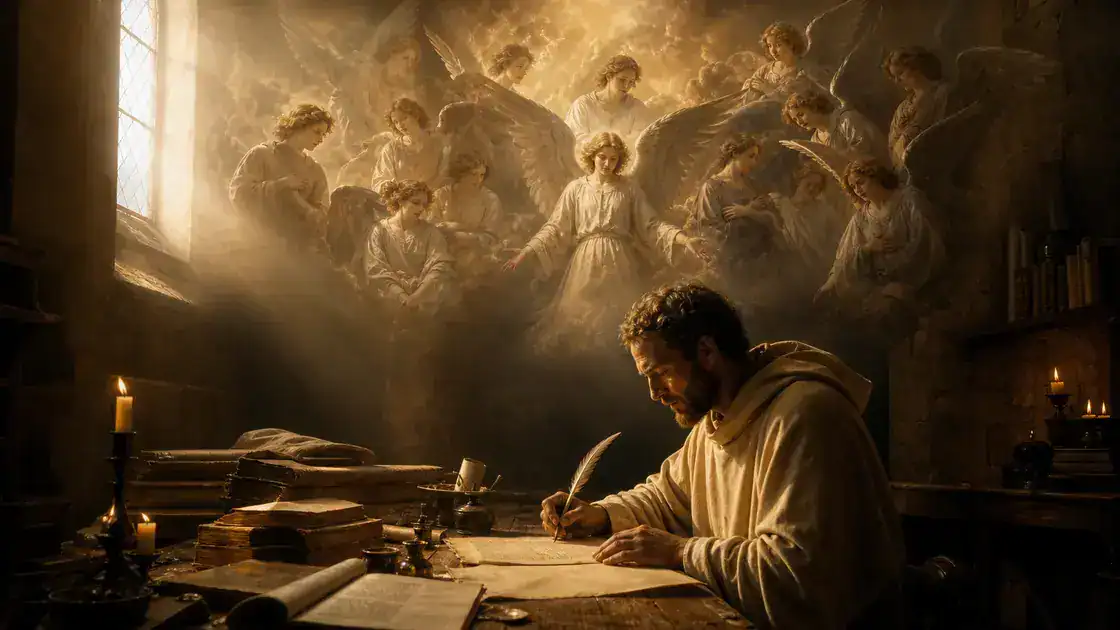
Later centuries produced writings under his name that probe the life of prayer and the order of heaven. These works—now often called Pseudo‑Dionysian—paint an ordered angelic realm and teach a path of ascent that trusts silence and negation to lead toward God. Their use of a poetic, measured language and a contemplative method called the via negativa shaped monastic worship, liturgy, and the way many Christians learned to pray.
For devotional readers, the figure of Dionysius becomes less a question of biography and more a doorway into spiritual practice. Whether the historical judge wrote those texts matters less than the way the writings draw the soul upward into stillness, humility, and awe. They invite us to steady, simple practices of listening to Scripture and sitting with mystery, trusting that such small acts of attention can lead to deep transformation.
The writings: celestial hierarchies and mystic theology
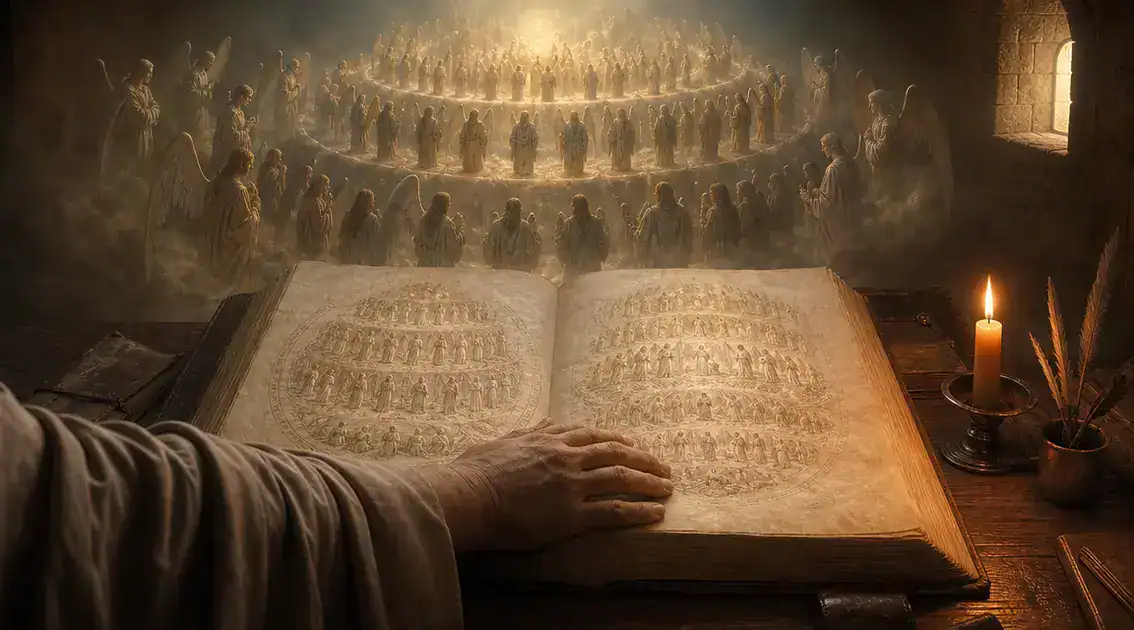
The writings linked to Dionysius sketch a gentle map of the heavens and a way to draw near to God. In calm, poetic prose they name ranks of angels and describe how worship and prayer order the soul. These texts unfold not as dry theory but as a lived guide for those who wish to climb toward the divine presence.
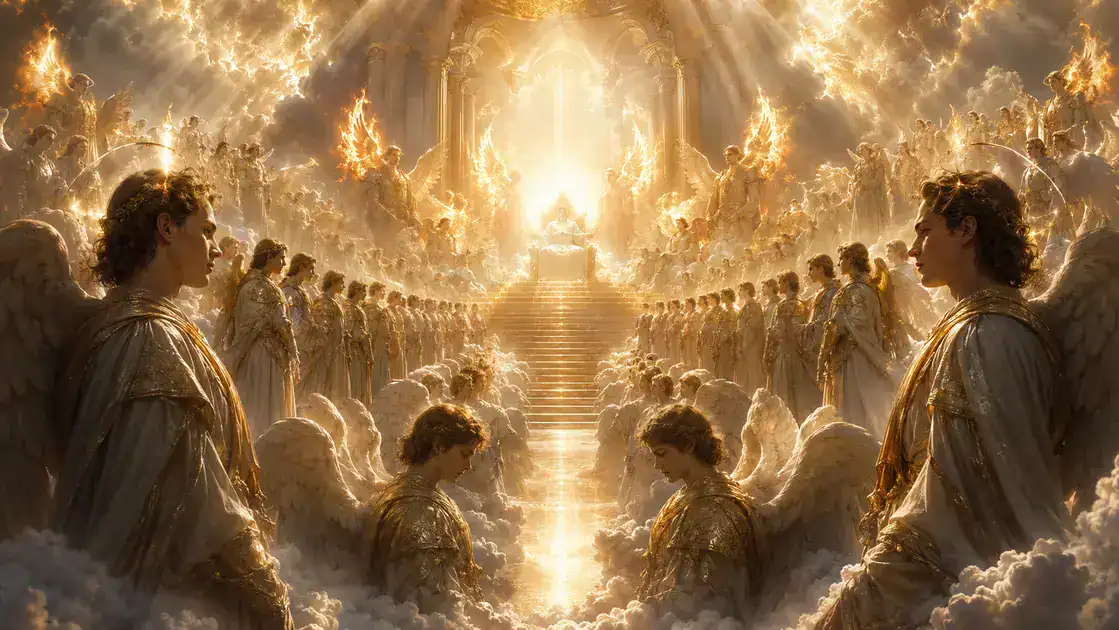
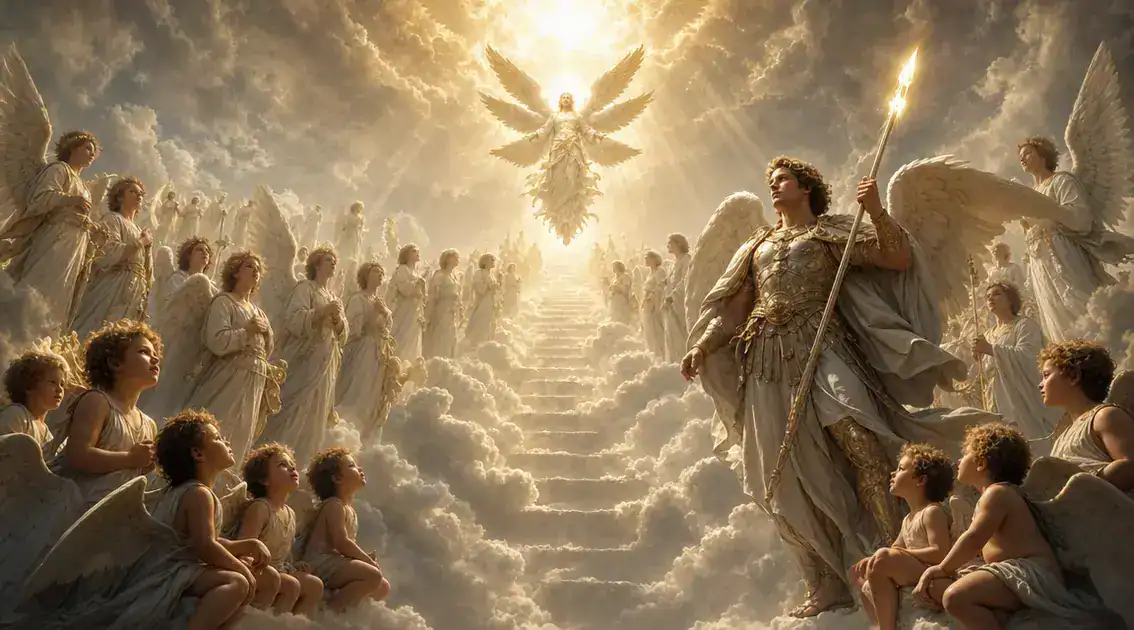
At the heart of the teaching is a practice of quiet unknowing that leads the soul upward. This apophatic path, often called the via negativa, asks us to let go of images and words so we can meet God beyond them. The angelic hierarchy functions like a ladder in prayer: each rank points us away from itself and toward deeper simplicity and silence.
In everyday devotion these pages call for small, steady habits — attending to Scripture with patience, staying present in liturgy, and carving brief pockets of silence into the day. As we practice this, the writings move from idea to experience, and the cosmic ordering they describe becomes a living help for humble union. Such a spiritual discipline asks only a willing heart and a readiness to be still before the mystery.
How the angelic hierarchy shaped medieval devotion
Medieval Christians held the angelic hierarchy as more than theory; it became a living map for prayer and worship. Writers and bishops drew on those ranks to shape how people imagined heaven and how communities arranged their devotions. In cloisters and cathedrals, the idea of ordered angels helped turn liturgy into a mirror of the divine court, so that worship felt like joining a larger, ordered song of praise.
That influence shows in concrete practices: the shaping of the daily office, the development of specific chants and prayers, and the craftsmanship of stained glass and frescoes that place angels above the faithful. The presence of angels in art and ritual made the unseen feel near, and it encouraged liturgy to be more than words—it became a shared movement toward God. People learned to ask for heavenly help, trusting the saints and angels as gentle companions in prayer through intercession.
For ordinary believers, this vision invited a humble, steady spirituality rather than speculative curiosity. Feast days, brief devotional prayers, and the calm rhythms of monastic life taught attention and wonder more than exotic ideas. In this way, the angelic hierarchy shaped medieval devotion by guiding hearts back to simple practices of praise, silence, and service, where the sense of the sacred could quietly transform daily life.
Biblical echoes: where Scripture and Dionysian thought meet
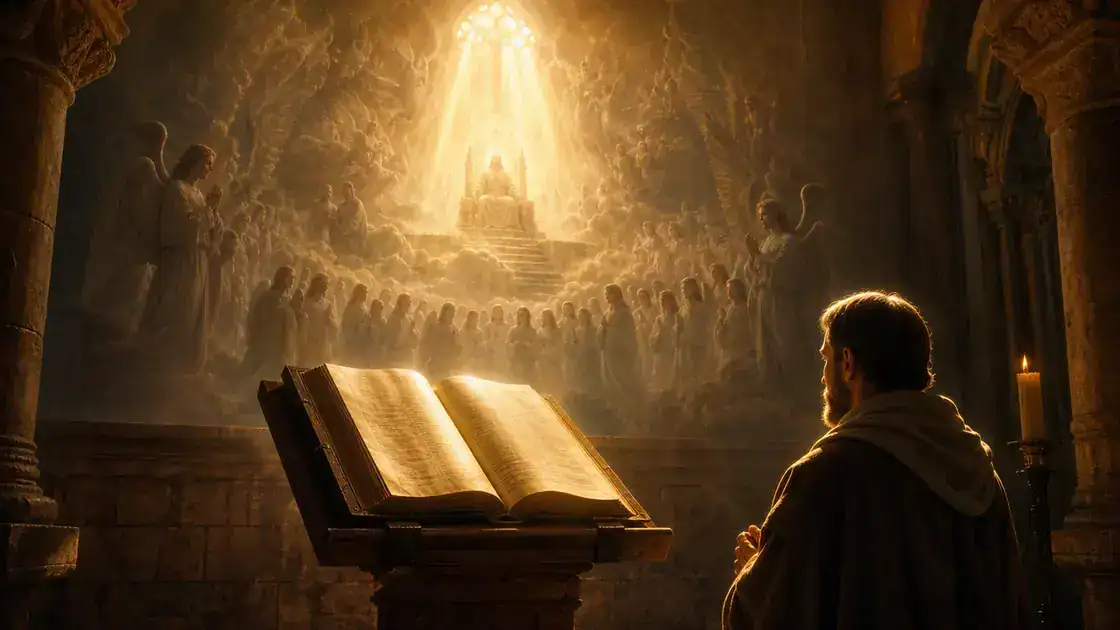
Scripture and Dionysian thought often speak with the same quiet voice. In Acts, Paul’s speech on the Areopagus touches Greek minds with the gospel, and prophetic visions in Isaiah, Ezekiel, and Revelation show heaven as a place of ordered worship. Those biblical scenes paint an image of heavenly praise that the Dionysian writings echo, not to copy the words but to help the soul stand before the same awe.
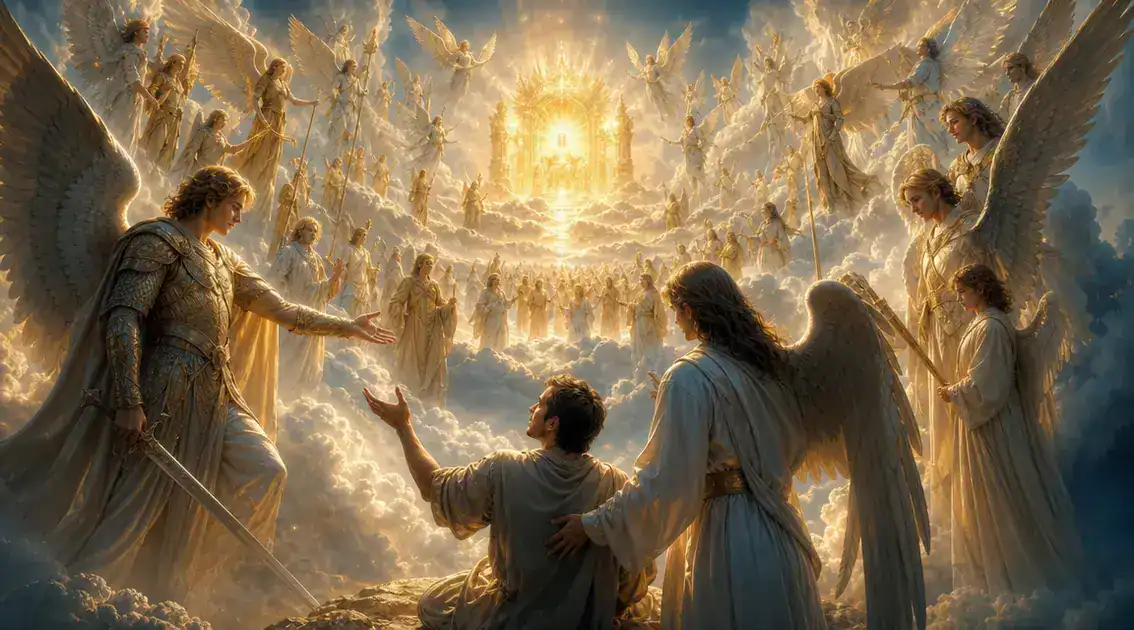
Prophetic texts give us vivid glimpses: Isaiah’s seraphim calling “holy,” Ezekiel’s living creatures, and John’s throne room where angels surround the Lamb. These scenes emphasize that the first posture of the created is praise. In that light the Dionysian emphasis on the angels as perpetual worshipers helps readers see how prayer links us to a larger chorus, where every act of true praise points away from itself toward God.
That shared witness also invites a practical, humble response. Scripture shows both voice and silence—words that confess God’s glory and moments that fall speechless before mystery—and Dionysius teaches a similar movement: name what you can, then rest in not-knowing until the heart meets God. For daily devotion this means reading the Bible with wonder, joining communal praise, and allowing quiet to teach us that God is beyond images while still present in the worship that draws us upward.
Spiritual practice: contemplative paths informed by his vision
The contemplative path that grew from Dionysian vision is gentle and steady, not dramatic. It asks the seeker to practice attentive silence, to set aside hurried words and sit with a simple openness. Over time, this quiet habit trains the heart to listen for what prayer cannot name and to welcome a stillness that points beyond phrases.
Practical steps are small and ordinary: a brief time each morning for slow breathing and a short line of Scripture, a moment of stillness after the office, or holding a single sacred name in the heart. These practices are not magic but means of formation. They shape a soul to move from talking about God to resting in presence, and they make room for the subtle guidance the writings describe—an inward sense of ordered light or consolation that feels like an angelic nudge toward humility.
Begin with patience and tenderness toward yourself; the path asks for regular, simple effort rather than sudden insight. As you keep these small rhythms, you may find your desires quieted and your attention grounded in service and praise. The true gift of this way is not experience for its own sake but a deepened love that reshapes daily life into prayerful offering.

Scholars long noticed a puzzle: the name Dionysius the Areopagite appears in Acts, yet the mystical, carefully argued texts that bear his name likely come from a later age. Modern readers often call the unknown author Pseudo-Dionysius, a way to honor the work while noting the historical gap. This fact asks us to read with both honesty and humility, aware of history but open to the writing’s spiritual power.
In medieval times the question of authorship shaped how people received the works, since links to apostolic figures gave texts extra authority. Still, those same writings crossed cultural boundaries and nourished both Eastern and Western devotion, teaching bishops, monks, and laypeople alike to pray with silence and wonder. The voice of the text, modest and apophatic, often felt less like a single author’s claim and more like a hymn voiced by a whole tradition.
For those seeking help in prayer, the debate about names need not block the heart’s growth. What matters most is the way these pages invite silence, humility, and deeper love for God and neighbor. Approach them slowly, practice the small disciplines they recommend, and let their guidance be measured by the change it makes in your life rather than by the certainty of an author’s biography.
Why his map of angels still matters for prayer today
The map of angels still matters because it gives prayer a gentle frame. When we picture ordered ranks of worshipers, we are reminded that prayer is not only asking but joining a larger song. This image helps turn scattered words into a steady movement of praise and attention, and it invites the heart to keep returning to silence and listening as part of faithful practice.
That structure also points us toward practical ways to pray. Seeing angels as perpetual worshipers teaches simple habits: begin with a short moment of silence, offer a line of Scripture, then move into a brief prayer for others. These small steps shape a steady life of devotion without requiring dramatic experiences, and they can be done at a kitchen table or in a chapel with equal reverence.
Finally, the angelic map matters because it forms our love and care for others. Angels show service and praise are inseparable—worship leads outward into compassion. Approaching these writings with humility turns them into helpers for daily life: read a short passage, keep a quiet hour, and let the image of ordered worship remind you to act with kindness and steady attention to God and neighbor.
A gentle closing prayer
Lord of quiet light, draw our hearts toward your stillness and teach us to listen. Help us rest in the simple space where words fall away and your presence is felt.
Remind us we are never truly alone. Let the image of ordered worship steady our days and turn small acts into ongoing praise and care for others.
Give us patience to keep gentle habits: a short silence, a line of Scripture, a kind deed. Let these small practices form us in love and humility.
May wonder shape our work, and peace steady our steps as we walk each day in gratitude. Amen.
FAQ – Questions about Dionysius the Areopagite, angels, and prayer
Who was Dionysius the Areopagite and why is his name important?
The New Testament mentions a Dionysius of the Areopagus in Acts 17 as an Athenian who listened to Paul. Later mystical writings that shaped Christian prayer were circulated under that name. Modern scholars call the anonymous author Pseudo‑Dionysius to acknowledge a later date while still honoring the deep spiritual influence those texts had across East and West.
Does Scripture teach an angelic hierarchy like the one in Dionysian writings?
Scripture presents different ranks and images—seraphim (Isaiah 6), cherubim (Ezekiel), and the multitudes around God’s throne (Revelation 4–5)—which point toward ordered heavenly worship. The detailed ladder or classification is more a theological and devotional development grounded in those biblical images and in the patristic tradition, used to help Christians imagine the shape of praise.
What is the via negativa and is it found in the Bible?
The via negativa, or the way of unknowing, is a practice that lets go of images and concepts to rest in God’s mystery. It finds support in Scripture where stillness and humility prepare the soul—Psalm 46:10 (“Be still, and know that I am God”) and 1 Corinthians 13:12 (“we see in a mirror dimly”) point to knowing God beyond words. Church Fathers like Gregory of Nyssa and later monastic writers shaped this as a practical path toward deeper prayer.
How can a layperson use Dionysian insights in everyday prayer?
Begin with small, steady practices: a short period of silence each morning, a single short verse of Scripture held in the heart, and a brief act of intercession for another. These mirror the Dionysian emphasis on ordered worship and humble attention. Over time such simple habits form a receptive heart more than they promise dramatic experiences—think of them as small doors into deeper listening.
The question of authorship is honest and important, and scholars rightly note the later date. Still, the spiritual fruit of the writings—their invitation to silence, humility, and ordered praise—proved formative for saints and teachers in both Eastern and Western traditions (for example, in the works of Maximus the Confessor and later medieval thinkers). Read them discerningly, rooted in Scripture and prayer, and judge them by how they shape your love for God and neighbor.
Do angels actually help us as the Dionysian map suggests?
Scripture affirms angelic ministry: Psalm 91:11, Matthew 18:10, and Hebrews 1:14 portray angels as servants sent to help those who inherit salvation. Tradition understands them as instruments of God’s care rather than autonomous powers. The wise response is grateful trust and moral vigilance—ask for God’s help, welcome the assurance Scripture gives, and avoid seeking signs apart from faithful service and Scripture‑rooted prayer.