

Do angels sleep or rest — angels, as described in Scripture and classical theology, do not sleep like humans; they are immaterial, mission-focused beings whose activity alternates between active service and contemplative attention, so their ‘rest’ is a change of operation rather than bodily sleep.
do angels sleep or rest? Have you ever paused over that small, honest question — the sort that opens a doorway to wonder about spirit, duty, and prayer? Read on gently: Scripture, tradition, and simple devotional experience offer surprising guidance worth holding with reverence.
What scripture reveals about angelic vigilance and rest
Scripture often paints angels as steady, watchful servants rather than sleepy figures. From the psalms that speak of an angel encamping around the faithful to the Gospels where angels deliver messages by night, the biblical voice keeps returning to their active presence. These passages give us a clear impression: angels are sent to guard, to announce, and to serve, remaining alert to God’s command and to the needs of those they assist.
At the same time, the Bible does not narrate angels taking rest in the human way. Texts such as Revelation’s ceaseless worship and Matthew’s note that angels behold the Father suggest a continual orientation toward God. Still, the movement of angels in Scripture is purposeful and mission-driven; they appear when needed and stand aside when their work is complete, which invites the idea that their activity is defined by service rather than by human rhythms of sleep.
For devotional life, this scriptural picture offers gentle comfort: the world is not left without care. The key biblical insight is that angels embody vigilant service—they reflect God’s attentive presence. That truth asks for a humble response: trust, prayer, and a calm mind that rests knowing sacred guardianship is woven into the story of God’s care.
Angels in Genesis, Daniel, and Revelation: wakeful messengers

In Genesis the angelic role is simple and direct: messengers who arrive to speak God’s word and to act with urgency. Think of the three visitors at Abraham’s tent who bring the promise of a child, or the angels who wake Lot and urge him to flee Sodom. These stories show angels as immediate, practical aides—bearing news, warning the vulnerable, and moving at God’s command with clear purpose.
In Daniel we see a different shade of that same calling: angels who explain visions, sustain the prophet, and engage in spiritual conflict on behalf of God’s people. Figures like Gabriel come with interpretation and clarity, while Michael appears as a protector and leader among heavenly beings. The book names them as strong, attentive figures who stand ready to bring God’s message into human history.
Revelation then lifts the view to the cosmic stage, where angels serve as both heralds and agents of God’s will—sounding trumpets, pouring out bowls, and joining in worship without pause. Across these books the persistent image is of angels as wakeful messengers: not idle spirits but active servants who carry word, protection, and judgment. That steady presence invites a quiet trust—an assurance that God’s voice moves through attentive, faithful hands.
Patristic and medieval voices: how Church fathers and scholastics spoke of angelic nature
The early Church fathers wrote about angels with a gentle certainty that feels like a hand on the shoulder. Fathers such as Augustine and Gregory called them created spiritual beings who stand between God and the world, acting with reason and purpose. Their language is lived rather than technical: angels are helpers, messengers, and watchers who reflect God’s care without the limits of flesh.
Medieval thinkers built on that witness with careful thought but the same reverent tone. Writers like Pseudo-Dionysius and Thomas Aquinas explored how angels think and will, and they insisted that angels are not subject to bodily needs. In plain terms, this means angels do not sleep as we do; they do not tire from breathing or moving. Instead, their activity rises and falls with divine intent, so rest for them looks different from human sleep—more like a change in action than a need for recovery.
These patristic and scholastic voices invite a steady, humble devotion rather than curiosity for clever answers. Knowing that great teachers of the faith portrayed angels as attentive servants helps shape prayer and wonder: we can imagine unseen care without turning angels into mythic caricatures. That gentle legacy calls us to trust the vastness of God’s order and to let that trust soften our hearts in prayer.
Mystical and liturgical insights: seeing angels in prayer and worship
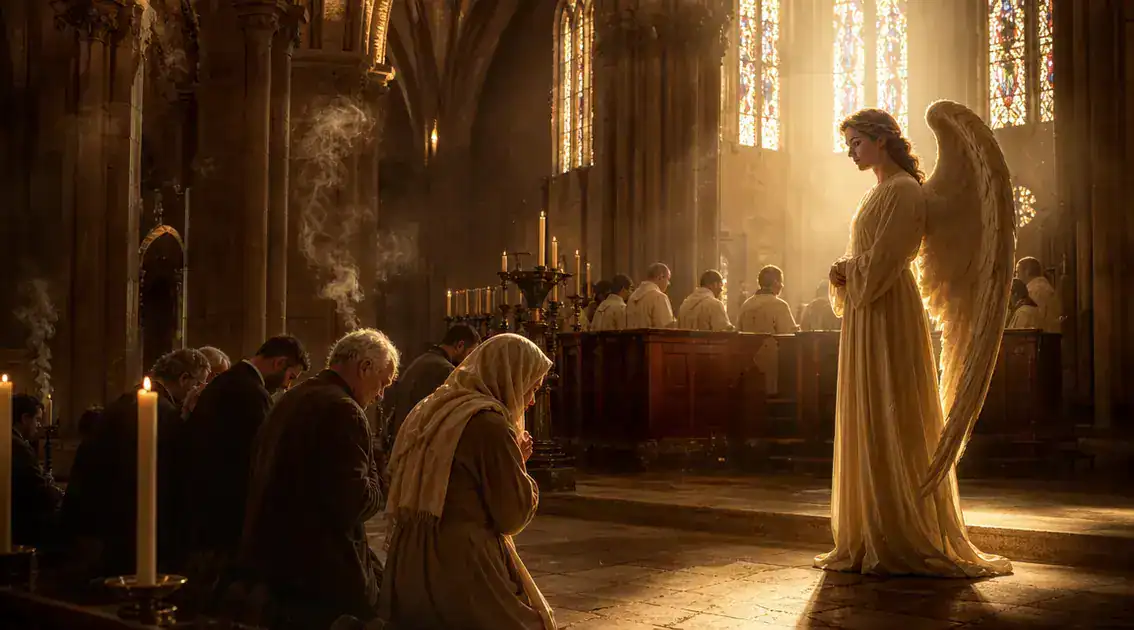
In the heart of liturgy and mysticism, angels often appear as unseen companions who echo our prayers and lift our voices. Worship texts and icons invite the imagination to rest on their presence: incense rising, candles trembling, and a sense that heaven leans close to earth. This image is not meant to dazzle but to steady the soul—reminding us that prayer joins a larger chorus beyond our sight.
Mystics describe moments when the boundary between human and heavenly praise thins and the sound of angels feels near. Psalms and Revelation give language for that experience, where angels sing and surround the throne with continual worship. Such passages teach a gentle lesson: our prayer participates in a wider devotion, and in that participation we find both humility and hope.
Practically, seeing angels in worship shapes how we pray and gather. It asks us to attend with quiet reverence, to hold our words with care, and to remember that sacred acts connect to a greater love. This is not a claim about spectacle but a devotional truth: through prayer we share in heavenly praise, and that shared praise steadies the heart and deepens our peace.
Philosophical question: can incorporeal beings experience fatigue?
Philosophers and theologians often ask whether beings without bodies can feel tired the way we do. Because angels are described as immaterial intellects in many traditions, they do not need breath, sleep, or bodily rest. This means they do not grow weary from tasks as humans do; their activity depends on will and purpose rather than on physical energy.
Still, thinkers like Aquinas and many spiritual writers draw a careful distinction: angels can change how they act without needing recovery. In practice that looks like shifts in attention—moving from mission-driven service to steady contemplation before God. Such shifts are not fatigue but a different ordering of action; rest for angels is a change in operation, not bodily sleep.
For devotional life, this idea can be quietly freeing. It reassures us that angelic care is steady and reliable, while also reminding us that human rest is holy and necessary. Holding both truths together—angels’ constant readiness and our need for renewal—deepens trust and invites a gentler rhythm of prayer and work.
Pastoral care: what belief about angelic rest means for consolation and prayer
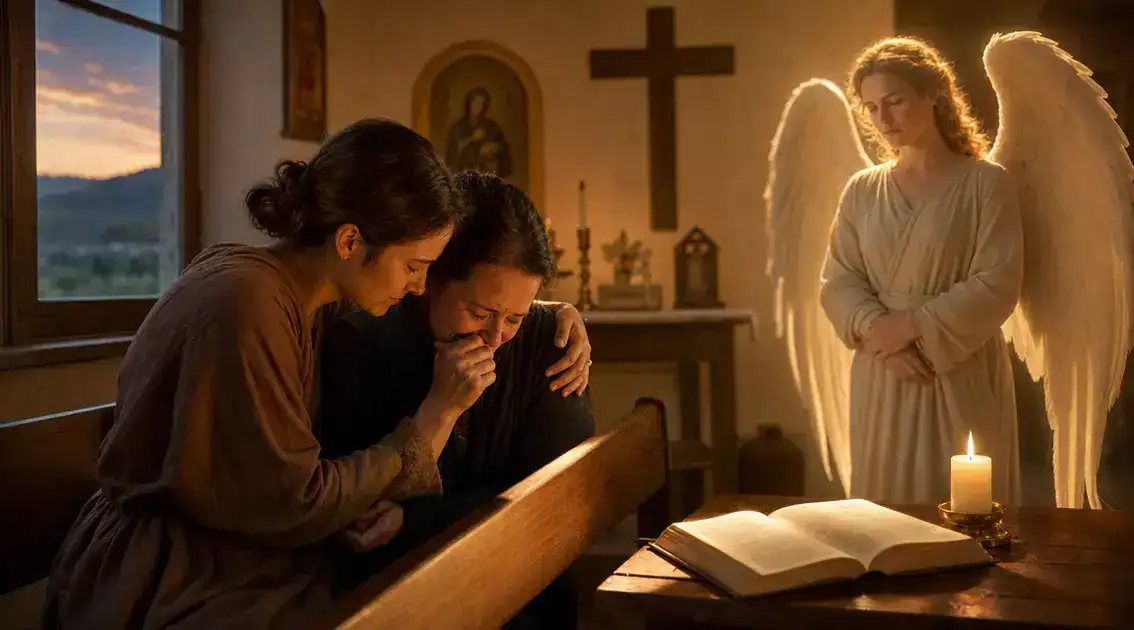
When a pastor speaks of angels in the midst of sorrow, the usual aim is simple: to offer gentle consolation that steadies the heart. Belief that angels remain attentive, even if not sleeping like we do, gives people a small, firm hope—that love and care extend beyond what we can see. This idea can soften sharp grief and give a quiet place to rest amid pain.
That belief also shapes how we pray together. In prayer groups and bedside visits, we invite a calm posture rather than frantic searching; we name the loss, we ask for mercy, and we trust that unseen care moves with our needs. Saying a short prayer for protection or placing a hand on a Bible can feel like handing over a burden to steady, watchful presence, not calling on magic but participating in a story of care.
In practical pastoral work, this leads to simple rituals that help people grieve and heal: lighting a candle, sharing a memory, praying quietly for the departed. These acts honor both human need for rest and the belief that angels share in God’s work of consolation. The result is not certainty about every detail, but a calm companionship—an assurance that we are held as we sleep, wake, and wait.
Practical spirituality: cultivating awareness of angelic presence without expectation
Try a few small practices to notice the sacred without making demands on the spirit world. Begin your day with a short blessing or a quiet breath prayer, then carry that simple attention into ordinary tasks. Over time, these tiny habits create a gentle sense that you are not alone—an awareness of gentle companionship rather than a search for signs or wonders.
Pause once or twice each day to name a need and offer it up in a sentence of prayer. Light a candle, read a short psalm, or rest your hand on a Bible for a quiet moment. These acts are not about expecting visions or dramatic messages; they are ways to train the heart to trust and to listen, to practice presence without setting conditions on how the divine may respond.
As you practice, you may find your habits change: you move with more calm, you offer kindness more easily, and you rest better at night. Cultivating awareness of angelic presence is less about proof and more about formation—it shapes patience, gratitude, and care for others. Keep the practice simple, steady, and humble, and let the quiet fruit of faithful attention grow in its own time.
A gentle closing prayer
Lord, we thank you for the quiet ways you watch over us. In the hush of morning and the stillness of night, remind us that a steady presence keeps watch beyond our sight. Let that thought bring a soft peace to our hearts.
Help us carry this small awareness into the day. In simple acts—lighting a candle, pausing to breathe, offering a short prayer—we meet the holy. These small practices shape trust without demanding signs or proofs.
When sorrow or fear comes, grant us true rest. Let us sleep without worry and rise with courage. May we feel held, not by what we see, but by love that does not leave.
May wonder guide our steps and service shape our hands. Go gently into your days with an open heart, and let the story of care, seen and unseen, be your steady company.
FAQ – Common questions about angels, vigilance, and rest
Do angels sleep or rest like we do?
Scripture and classical tradition present angels as spiritual beings who do not need bodily sleep. Passages like Revelation describe their continual worship before God (Revelation 4–5), while theologians such as Augustine and Aquinas taught that angels lack physical needs; their “rest” is better understood as a change of activity or attentive contemplation rather than human sleep.
Can angels grow tired or fail in their duties?
The Bible portrays angels as faithful servants sent by God to carry out particular tasks, and Hebrews 1:14 calls them ‘ministering spirits’ sent to serve. Rather than fatigue, their action depends on God’s will; patristic writers explain that angels can shift from mission to contemplation, but they do not tire from bodily exhaustion as people do.
Does every person have a guardian angel?
Many Christian traditions—drawing on texts like Matthew 18:10 and long-standing practice—affirm that God entrusts care to angelic beings for individuals or the community. This belief is rooted in Scripture’s witness to angels guarding and guiding the faithful, and it has been held as a pastoral comfort across the centuries.
How do angels relate to our prayers and worship?
Scripture invites us to imagine prayer as joining a larger chorus: angels join in worship (Revelation) and minister to those who approach God. Mystical and liturgical tradition suggests that our prayers enter a shared devotion, so praying with reverence and humility opens us to the steady companionship of heavenly worship rather than to extraordinary signs.
Are angels present at moments of death and consolation?
Biblical narratives and pastoral practice often picture angels bringing comfort, guidance, or deliverance in critical moments—Genesis 19, the angelic hosts in Revelation, and Psalm 91’s promise of protection. Pastoral theology uses these texts to offer hope: angels figure in the Christian imagination as part of God’s care for the dying and grieving, accompanying the soul into God’s hands.
Should I pray to angels or only to God?
Scripture directs worship to God alone, yet many devotional traditions allow addressing a guardian angel in simple prayers of thanks or protection while keeping God as the ultimate addressee. A healthy practice is to ask God, in trust, to work by the help of angels (and saints), while avoiding treating angels as substitutes for prayer to God or as objects of worship.