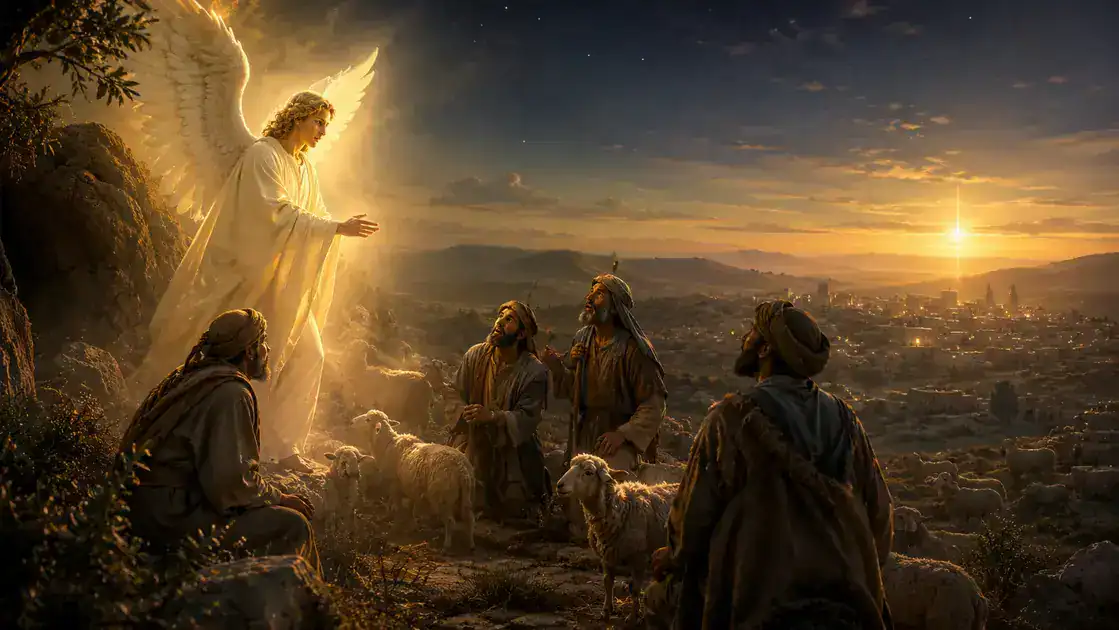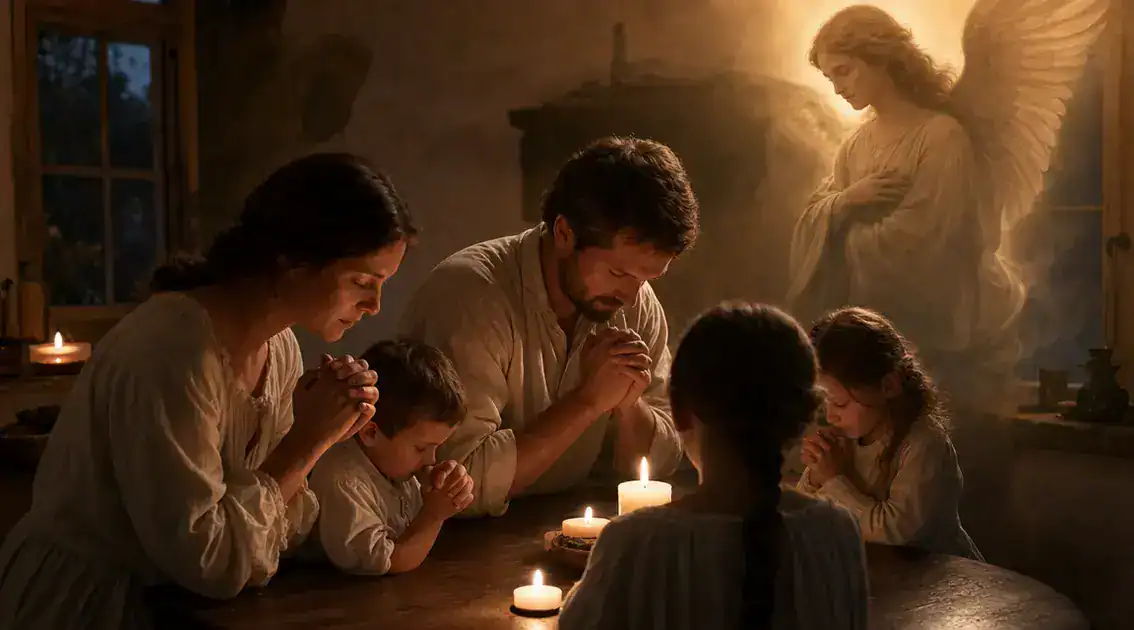

feast saint gabriel archangel commemorates the archangel Gabriel’s role as God’s messenger, recalling scriptural annunciations in Daniel and Luke, inviting believers to listen for divine guidance through liturgy, hymns, and devotional prayers, encouraging a trusting, responsive heart that hears God’s call in ordinary life.
feast saint gabriel archangel — have you ever wondered how this celebration draws believers into quiet awe, announcing God’s nearness and inviting personal devotion?
Gabriel in scripture: announcing God’s presence
In Scripture, Gabriel appears as God’s chosen messenger, bringing news that changes lives. His name means “God is my strength,” and he moves between the prophetic visions of Daniel and the Gospel annunciations in Luke. Whenever Gabriel appears, he draws God’s distant plan near, making the divine presence feel immediate and personal to those who receive his message.
In the book of Daniel, Gabriel comes to help interpret troubling visions and to name the course of history in terms that a frightened prophet can bear. He does not simply predict events; he offers understanding and courage, reminding Daniel that God remains in control even when times seem chaotic. This role shows Gabriel as interpreter and clarifier, a guiding presence who turns baffling symbols into a message of hope.
In Luke’s Gospel, Gabriel steps into ordinary rooms to announce the births that will shift God’s relationship with the world. To Zechariah he brings startling words that confront doubt, and to Mary he offers a gentle greeting that invites a faithful yes. In these scenes Gabriel bridges heaven and earth, honoring human freedom while heralding God’s nearness and opening the way for the life that is about to enter human history.
Historical origins of the feast and liturgical observance
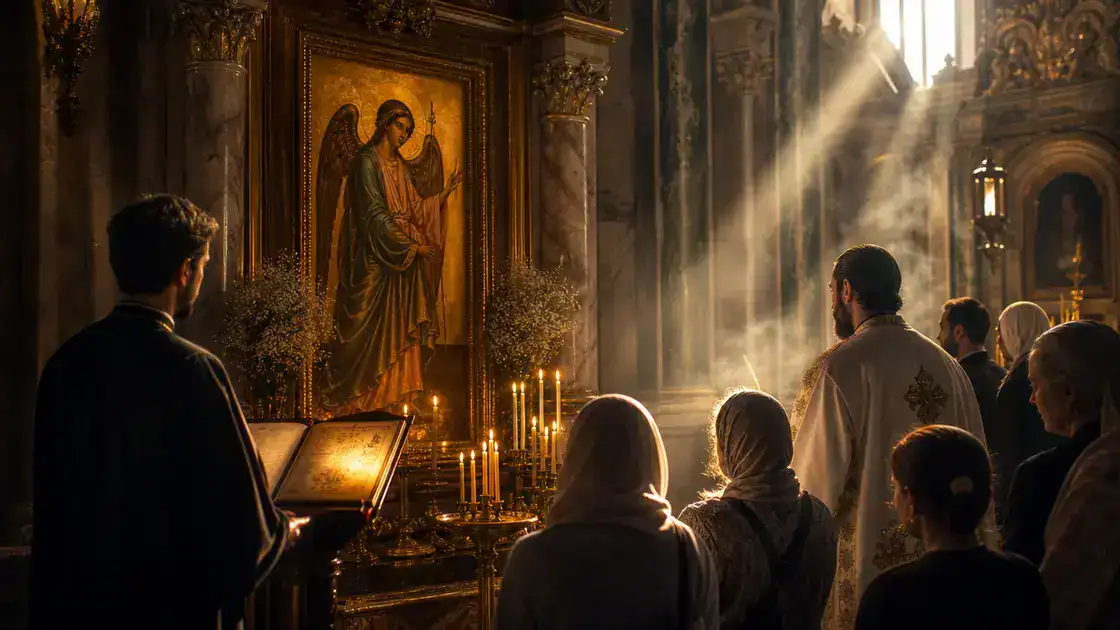
The feast of Saint Gabriel grew from how early Christians remembered God’s messengers in Scripture and prayer. Communities in the East and West began to set aside days to honor angels who carried God’s word, and these commemorations took shape in hymnbooks, calendars, and the prayers of monasteries. Over time, the figure of Gabriel drew special attention because his messages in Daniel and Luke mark turning points in God’s work among people.
As the feast entered the liturgy, it found life in sung prayers, antiphons, and icon veneration that made the story tangible for worshippers. Choirs learned troparia about Gabriel, priests read passages that recall annunciation moments, and artists painted his likeness for churches so the faithful could see a sacred face while they prayed. These liturgical elements aim to teach and to invite participation, not simply to inform.
Today the celebration keeps the same purpose: to remind believers that God speaks and calls through ordinary lives and bold signs alike. In many parishes the feast blends public worship with simple devotions—candles before an icon, a short blessing, or the recitation of a special prayer—practices that help people open their hearts to God’s messages. Celebrating Gabriel is therefore both a remembrance of ancient worship and a living invitation: to listen for God’s voice and to respond with faith.
Theological meanings: messenger, herald and intercessor
Gabriel appears in Scripture to carry God’s word into the lives of people. When he comes, a message arrives that shapes history and calms fear. His actions remind us that God speaks through messengers, using simple signs like a word, a gesture, or a gift to make presence known.
As a herald, Gabriel does more than deliver information; he calls attention to a new stage in God’s work. The annunciations to Zechariah and Mary show how his voice invites a human response, asking for trust and openness. In this way Gabriel connects heaven and earth, making proclamation both public and personal so that listeners can choose to receive what God offers.
Gabriel’s ministry also invites a devotional posture: he calms doubts and points hearts toward faith, acting as a gentle intercessor who encourages prayer and surrender. He never replaces God or Christ, but he guides us into a posture of listening and response. For believers, this means recognizing his role as a helper who draws our attention back to God and helps steady our yes when the call feels costly.
Devotional practices: prayers, hymns and parish traditions
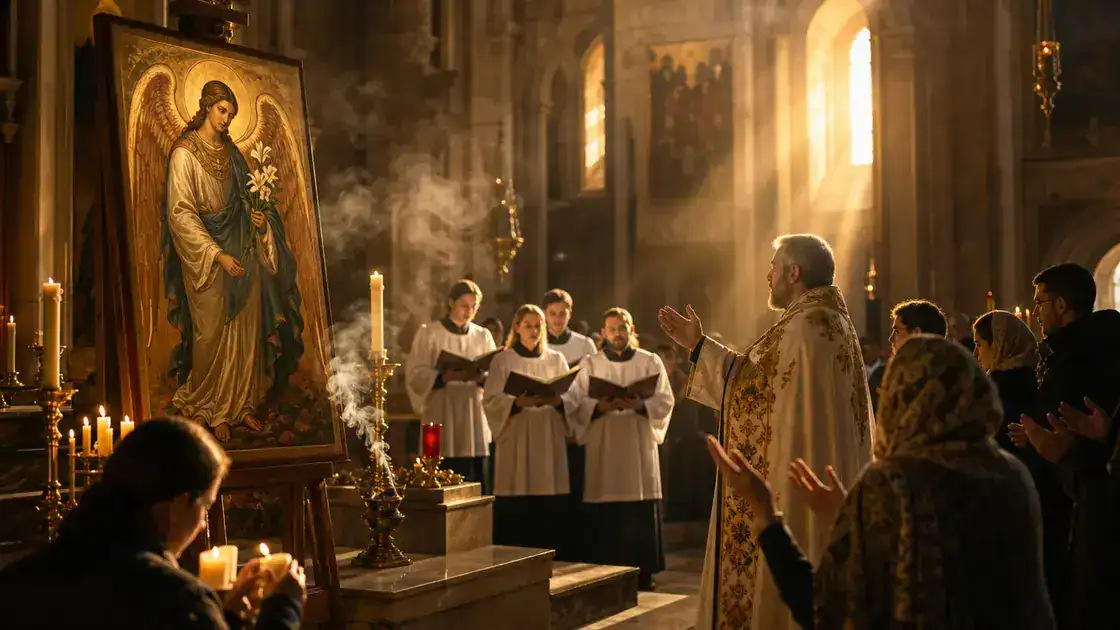
During the feast, churches raise their voices in prayer and song. Choirs sing ancient hymns and simple troparia that recall Gabriel’s announcements. These melodies shape the worship and make the story of the angel feel immediate and near. Singing moves the heart from memory into prayer.
Parish traditions add humble, tactile practices that keep the feast close to daily life. Worshippers light candles before an icon of Gabriel, offer brief petitions, and sometimes join a short procession or blessing. These actions let people engage with the feast using body and voice, not only words. Such practices help the whole community enter a moment of shared hope.
At home, families and individuals mark the day with short prayers, a reading of the annunciation passages, or a quiet novena. A simple pause to ask for guidance trains the heart to listen for God’s word in ordinary moments. Remember that Gabriel’s work invites a response; faithful listening and a willing yes are the heart of devotion, and small practices help make that habit.
A special prayer for the feast of Saint Gabriel
This prayer invites the heart to quiet and to welcome the messenger who points us to God. Ask Gabriel to stir openness, to clear fear, and to help you hear what God is whispering today. Let your words be simple and steady, a tender offer of trust.
Heavenly Archangel Gabriel, gentle herald of God, stand near and guide my hearing. Help me to receive the word that leads to life. Calm my doubts, strengthen my yes, and point me toward what God asks of me. May your presence remind me that God speaks with care. Amen.
Pray these words slowly, perhaps before an icon or a lit candle, and stay a few quiet breaths afterward to practice listening. You can use this prayer on the feast day or whenever you need a renewed openness to God’s message. Small, steady habits of prayer train the heart to respond with faith.
A gentle closing prayer
As this feast draws to a close, may you carry Gabriel’s message in your heart. Let his visits remind you that God speaks in ordinary days. Listen with a quiet, brave heart and make space for the small ways God shows up.
Heavenly God, through your faithful messenger Gabriel, soften our ears and steady our will. Help us to say yes when you are calling, to trust when the road seems hard, and to serve with gratitude. Keep us attentive to signs of grace around us. Amen.
Practice a small habit this week: a short reading, a brief prayer, or a candle to mark a pause. These tiny acts train the heart to hear and to respond, turning memory into living faith.
Go in peace, held by a God who sends messengers and by the gentle company of angels. May wonder and calm accompany you today and each day ahead.
FAQ – Questions about the Feast of Saint Gabriel and devotion
Who is Saint Gabriel the Archangel and what does Scripture say about him?
Saint Gabriel is the heavenly messenger whose name means “God is my strength.” Scripture presents him bringing understanding and announcements: he helps Daniel interpret visions (see Daniel 8; 9) and proclaims God’s saving plan in Luke’s annunciations to Zechariah and Mary (Luke 1:11–38). His appearances highlight God’s initiative and gentle care in speaking to people.
When is the feast of Saint Gabriel celebrated in the church calendar?
In many Western churches, Gabriel is honored with the archangels on September 29 (Michaelmas), while the Annunciation on March 25 marks Gabriel’s key appearance to Mary. Eastern Christian traditions may observe Gabriel with other angelic commemorations on other dates or local feasts. Local practice and liturgical calendars determine the exact observance.
How can I honor Saint Gabriel in parish life and at home?
Participate in the liturgy or a special parish prayer service, sing or listen to hymns about the annunciation, and read the biblical passages that record Gabriel’s messages. At home you can light a candle before an icon, pray a short devotion (such as the annunciation passages or the simple prayer offered earlier), and cultivate moments of quiet listening so the feast shapes daily attentiveness to God.
May I ask Saint Gabriel to intercede for me in prayer?
Church tradition affirms that angels serve God and assist his people; asking Gabriel to pray for openness to God’s word is a long-standing devotional practice. At the same time, prayer is ultimately addressed to God through Christ, and angelic help is understood as participation in God’s care rather than a replacement for divine grace (cf. 1 Timothy 2:5 for Christ’s unique role in our access to the Father).
What is the theological meaning behind Gabriel’s role as messenger and herald?
Gabriel’s appearances underscore that God initiates salvation and invites human cooperation. As messenger he translates God’s purposes into plain terms; as herald he calls people to response; and as a devotional figure he reminds us that God often acts through humble, attentive encounters. Together these roles point us toward the incarnation and the mystery of God drawing near (see Luke 1).
Are there specific prayers or hymns tied to Gabriel’s feast I can use?
Yes. Many communities sing ancient troparia and antiphons recalling the annunciation, and the Angelus or the annunciation passages in Luke are often used devotionally. Simple practices—reading Luke 1:26–38 slowly, reciting a short prayer before an icon, or singing a hymn of the annunciation—are all rooted in Scripture and tradition and help the faithful enter Gabriel’s message with reverence.