

Praying to angels is not necessarily idolatry: asking angels to intercede or honoring them as companions is veneration when your prayer is directed to God through Christ, but it becomes idolatry when a creature is treated as the source of grace, the ultimate object of praise, or the primary ground of trust.
is praying to angels idolatry? Have you ever paused before an icon or a quiet altar, sensing both reverence and a careful question? Here we gently trace biblical texts, tradition, and simple signs to help you discern veneration from worship.
What Scripture says about angels and prayer
Scripture often presents angels not as rivals to God but as His messengers and helpers in the life of faith. From the psalms to the Gospels, we meet beings who come at God’s bidding to protect, guide, and bring news. Angels are shown as servants sent to minister, a fact that shapes how the Bible links them to moments of prayer and divine care.
We see this in many scenes: Gabriel brings a startling word to Mary, an angel frees Peter from prison, and Hebrews calls angels “ministering spirits” who serve those who will inherit salvation. Matthew gently reminds us that some have their angels always before the Father’s face. These passages show angels acting around prayer and need, helping God’s people while never displacing God as the one to whom prayer is rightly offered.
At the same time, Scripture keeps prayer centered on God alone. Even when angels attend or deliver answers, the Bible models prayer directed upward — to the Father, through the Son. In some traditions, like the book of Tobit, an angel helps carry prayers and healing, which invites thoughtful devotion rather than a turn to angelic worship. Hold this balance in your prayer life: cherish the comfort of angelic care, but keep God alone as the heart of your petitions, offered with trust and humility through Christ.
Veneration versus worship: theological distinctions

Veneration and worship can feel close, but they point in different directions. Worship (latria) is adoration that belongs to God alone. Veneration (often called dulia) is honor given to saints, angels, and holy images as signs that lift our hearts toward God. The two look similar outwardly—kneeling, lighting candles, offering a bow—but the inner aim makes all the difference.
Scripture helps us keep that aim clear. When people mistake angels or visions for the final object of praise, Scripture redirects them to God; for example, an angel in Revelation gently refuses worship and points worship back to God. Jesus models single-hearted devotion when he answers Satan, “Worship the Lord your God” (Matthew 4:10). These moments show that while heavenly beings serve and assist, prayer and ultimate praise are meant for God through Christ.
Practical signs to tell them apart
Look at where your prayer goes and what you trust. If your prayer asks a saint or angel to intercede, to pray with you, or to help you grow closer to God, that is veneration and an act of communal faith. If the prayer treats the creature as the source of grace, demanding power or salvation from them alone, it slips into worship. Simple habits help keep the heart straight: name God as the first addressee, speak to Christ as mediator, and use saints and angels as companions who point you back to the living God.
How saints and councils have guided devotional practice
Saints have long guided the church by their lives and prayers, not by replacing God but by pointing toward him. Many believers find that the stories of holy people show how prayer can be honest, steady, and full of trust. Saints serve as models and intercessors, reminding us that holiness is possible and that our petitions join a wider community in heaven and on earth.
Over centuries, church councils helped shape how devotion to saints should look. When images and relics became controversial, councils such as the Second Council of Nicaea (787) affirmed that honoring images is a way to venerate the person depicted, while warning against giving them the worship due to God alone. Later, the Council of Trent (1545–1563) defended the use of relics and the practice of asking saints to pray for us, even as it rejected abuses and superstition. These decisions aimed to keep devotion honest: veneration is distinct from adoration, and careful practice protects the heart from idolatry.
That history gives practical help for prayer today. Let images, relics, and stories draw your mind to Christ rather than become ends in themselves. Name God first in your prayers, ask a saint to pray with you, and return your trust to God’s will. Simple habits—participating in the liturgy, praying Scripture, and offering brief, humble petitions—help devotion stay vibrant and centered on God while still honoring the faithful witness of the saints.
How to recognize when devotion becomes worship

It is easy to love and honor holy beings without meaning to make them gods. The line between devotion and worship lives in the heart’s aim. Worship belongs to God alone — it asks for praise, surrender, and ultimate trust. Devotion honors a saint or angel as a model and companion who points us to God, not as the source of grace itself.
Watch how your trust is placed and how your prayers are framed. If you expect a saint or angel to control every outcome, demand a miracle, or punish you when their help seems absent, devotion has shifted toward worship. If gestures, offerings, or fear of offending an image replace your direct prayer to God, that is a clear sign the order of devotion is disturbed.
Questions to help the heart
Ask simple, honest questions: Who am I addressing when I pray? Who do I trust for my salvation? Do I name God first and ask Christ to lead my petitions? These questions reveal where the heart stands and help you return to right worship when things feel confused.
When devotion slips, use small, steady practices to reorient the soul. Speak your prayer directly to God, pray short passages of Scripture, and ask a pastor or spiritual guide for counsel. Keep saints and angels as intercessors who accompany your prayer, saying with humility, “pray for us,” rather than making them the center of your trust.
Practical prayers and gestures that honor without idolizing
Simple gestures can hold deep meaning when the heart is rightly placed. Light a candle as a short, visible prayer and let that action remind you of God’s light rather than draw worship to the object. Make the sign of the cross before an icon or statue as a way to name Christ’s saving work; this turns the gesture into a prayer that points upward rather than into an act of devotion aimed at the image itself. The inner aim matters more than the outward motion, so carry each gesture inward as an offering to God through Christ.
Use short, clear prayers that keep God as the primary addressee. Speak to God first, then ask a saint or angel to intercede with a phrase like “pray for us” or “pray for me,” which keeps the saint’s role as helper and not as the source of grace. Pray Scripture aloud or silently—psalms and short Gospel lines help form words that rise straight to the Father. These practices help the heart join the wider communion of saints without shifting trust away from God.
Let small habits guard your devotion over time. When you approach an image or relic, bow or genuflect briefly, name God aloud, and offer a short petition such as “Lord, hear my prayer.” If you find anxious clinging or fear of offending a statue, pause and reframe the prayer: return your trust to God and say the Our Father or a simple Scripture verse. Seek a spiritual guide if your practices feel confused; humble accountability helps devotion stay clear, steady, and focused on God alone as the giver of all grace.
Pastoral steps for prayerful discernment and peace
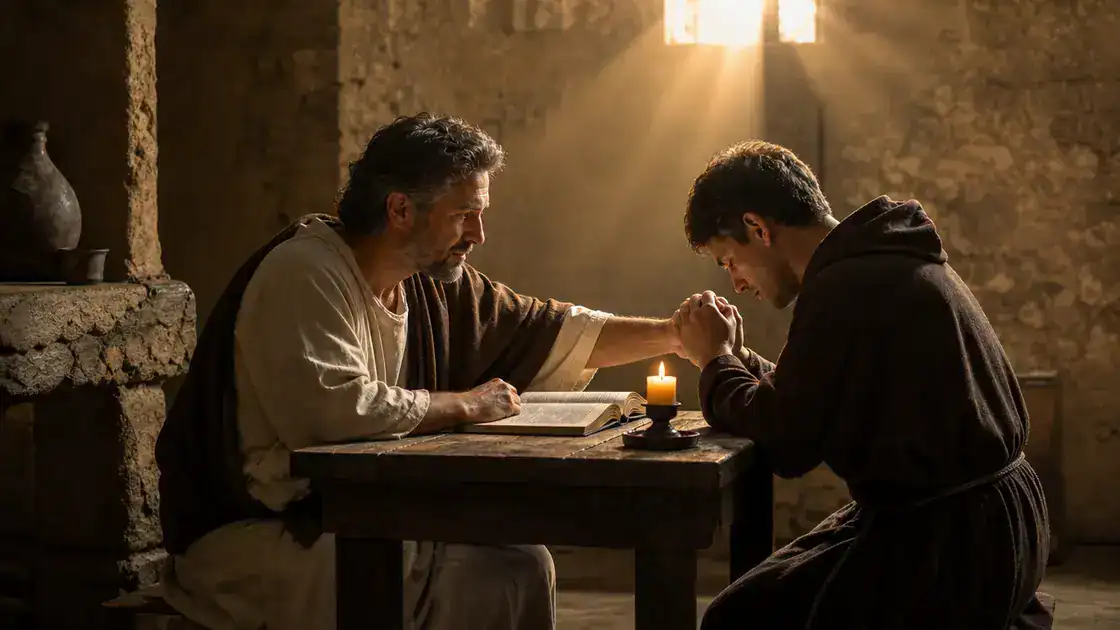
Begin by slowing down and naming your need aloud. Take a few deep breaths, speak a short prayer asking God for clarity, and listen. This simple pause creates space where discernment can grow and anxiety can soften, because prayer first means placing your need before the Lord.
Root your questions in Scripture and brief, honest prayer. Read a short psalm or a Gospel passage and let those words shape your thoughts before you act. Ask a saint or angel to intercede with a single line like “pray for us,” but keep the main petition directed to God. These habits help the heart turn upward rather than fix on a creature.
Seek a trusted guide when confusion persists. A pastor, spiritual director, or mature believer can listen and gently point out patterns that hide unhealthy trust. Receive the sacraments and simple rhythms—confession, the Eucharist, daily prayer—to re-center your trust on God’s mercy. Pastoral companionship often brings practical calm where private worry only grows.
Practice small, steady steps at home: shorten rituals that feel compulsive, replace anxious repetition with a Scripture verse, and keep a short prayer journal to track growth. When fear about idolatry arises, name it, bring it to God, and ask a guide to help you reframe devotion as trust. Over time, gentle habits restore peace and keep veneration rightly ordered toward the living God.
A gentle closing prayer
Lord, quiet our hearts and steady our hands as we leave this quiet place. Help us to carry the calm of prayer into ordinary days, so that each small act of devotion points us back to your mercy and love.
May we remember that angels and saints walk with us as companions and guides, not as ends in themselves. God alone is worthy of our worship, and yet your faithful ones teach us how to trust and how to pray.
Give us simple habits that keep our hope ordered: a short Scripture, a humble petition, a moment of silence. Let gestures and images be doors that open to you, not walls that close us in, and let pastoral wisdom steady our steps when the heart grows anxious.
Go in peace with a gentle wonder. May the presence that watches over us keep your people safe, and may we live each day with a quiet trust that brings honor to God and kindness to our neighbor.
FAQ – Praying to angels, veneration, and worship
Is praying to angels idolatry?
Not automatically. Scripture and tradition show angels as God’s servants who help and intercede (Hebrews 1:14). If your prayer addresses God first and asks an angel or saint to pray with you, that is veneration, not worship. Worship — reserved for God alone — means ultimate trust and adoration. When the heart gives that to a creature, then it has moved into idolatry (see Matthew 4:10; Revelation 19:10).
How can I pray to angels or saints without crossing into worship?
Pray to God as your primary addressee, and then ask a saint or angel to intercede with simple words like “pray for us.” Name Christ as mediator and use short Scriptural prayers (the Psalms, the Lord’s Prayer). Keep gestures and images as aids that point to God, and seek guidance from Scripture and a trusted spiritual guide if you feel unsure.
Do angels hear our prayers and help us?
Yes, the Bible portrays angels as ministering spirits who serve God’s people and act on God’s commands (Hebrews 1:14; Psalm 91:11). In some stories, angels bring God’s answers or carry healing (Tobit in the Catholic tradition), but ultimately God hears and answers prayer. Angels assist according to God’s will rather than acting as independent sources of grace.
Which biblical passages show angels refusing worship?
Revelation gives clear examples: when John falls to worship an angel, the angel refuses and directs worship to God (Revelation 19:10; 22:8–9). Scripture also models single-hearted devotion to God (Matthew 4:10). These scenes teach that heavenly beings point us to God rather than receive our ultimate adoration.
What signs indicate my devotion has become worship?
Look for where your trust rests. Signs of misplaced worship include expecting salvation or power from an image or creature, fear of offending an object more than offending God, or making a creature the main source of comfort. Ask: Who am I addressing? Who do I lean on for salvation? Honest answers will help you restore right ordering.
Where should I turn if I feel confused or anxious about my devotional practices?
Seek a wise, pastoral voice — a pastor, spiritual director, or mature believer who knows Scripture and tradition. Bring your prayers and habits to them, and pair that counsel with simple practices: short Scripture readings, the Lord’s Prayer, and humble petitions. Pastoral companionship and regular sacraments often bring clarity and peace.