Powers in the second angelic sphere are angelic beings portrayed in Scripture and patristic tradition as ordered guardians who sustain divine rule by restraining chaos, guiding nations and institutions, and serving God’s providence, with their ministry understood within Christ’s ultimate lordship rather than as independent cosmic rivals.
powers second angelic sphere — have you ever wondered what stirs behind the thunder of Isaiah’s vision? This brief invitation opens a window into celestial roles that quietly order justice and history, asking for reverent curiosity more than tidy answers.
Origins of the second sphere in patristic and biblical sources
Have you ever pictured a monk by candlelight reading an old scroll as a quiet light fills the room? In Scripture the word translated as “powers” appears in places like Ephesians 6:12 and Colossians 1:16, where these terms point to ranks and roles beyond our sight. These passages give the first clues, and they invite us to listen rather than to name every detail.
By the time of the Fathers, that listening became a careful way of speaking. Writers such as Pseudo-Dionysius organized the angelic order into three spheres and placed the Powers in the middle tier alongside Dominions and Virtues. For those theologians, the Powers are not wild spirits but steady ministers who help hold together the created world and the movement of history.
That ancient framing helps us now: it lets Scripture and tradition sit together, guiding prayer and wonder without collapsing mystery into certainty. When we read the biblical phrases and the Fathers’ reflections, we are invited into a devotional stance—one that honors both the clear lines of divine care and the silent depths that remain beyond words.
How the powers appear in Scripture: key passages and narratives
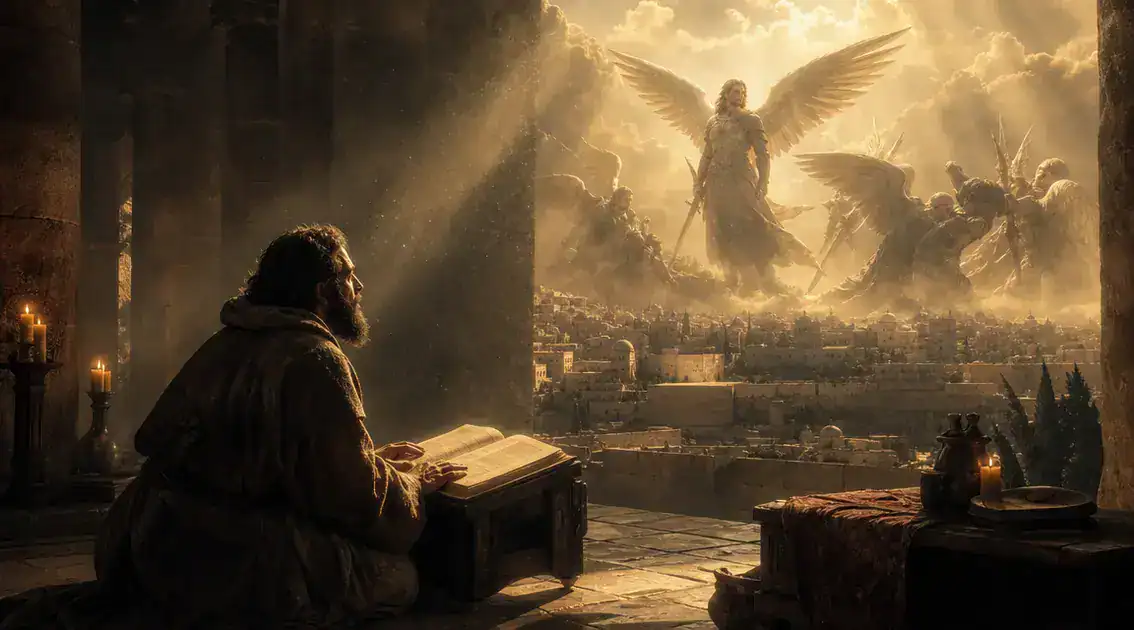
Scripture speaks of the powers both plainly and in vision. In letters such as Ephesians 6:12 and Colossians 1:16, they appear as named ranks that shape unseen realms and influence history. These texts call our attention to forces at work beyond what we can touch, yet they never stand outside God’s care.
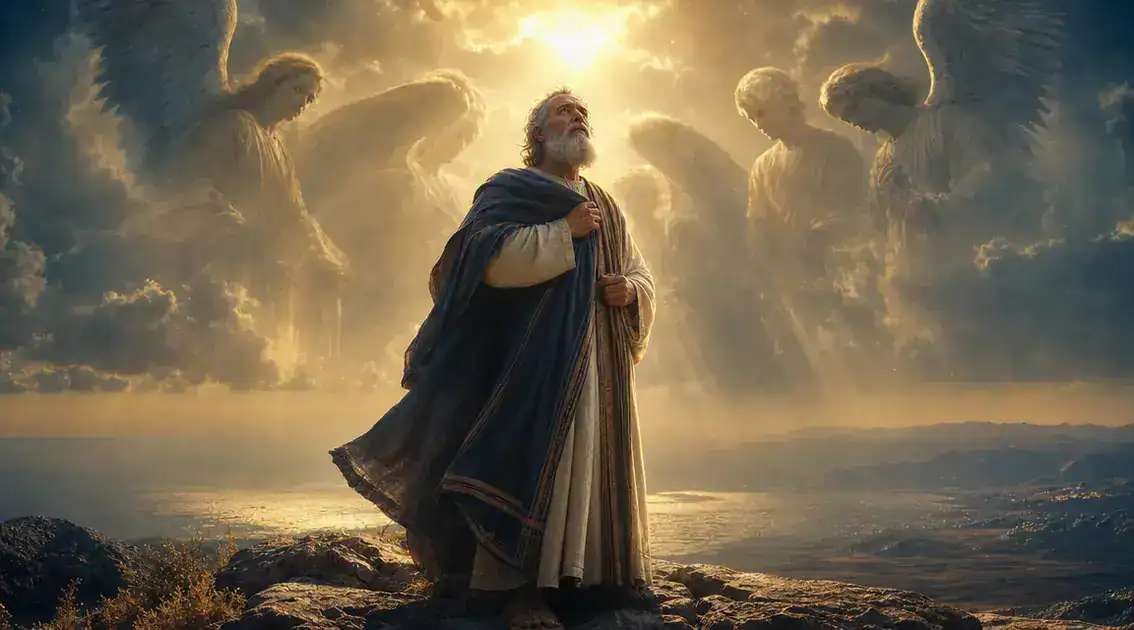
Prophetic narratives give this language a living form. Think of Daniel’s vision of heavenly messengers and the struggle that surrounds a king’s destiny, or the dramatic images in Revelation where cosmic beings take part in the great story of judgment and renewal. These scenes show the powers acting within a larger divine drama, not as rivals to God but as actors whose roles affect nations and events.
That biblical picture leads us to a simple devotional posture: watchful trust. The New Testament repeatedly points us to Christ’s lordship over every power, so we respond with prayer and sober courage rather than fear. Holding these passages in mind helps us see spiritual realities with humility, knowing the powers are included within God’s redeeming plan and that our hope rests on Christ, who orders all things.
The theological role of powers as guardians of divine order
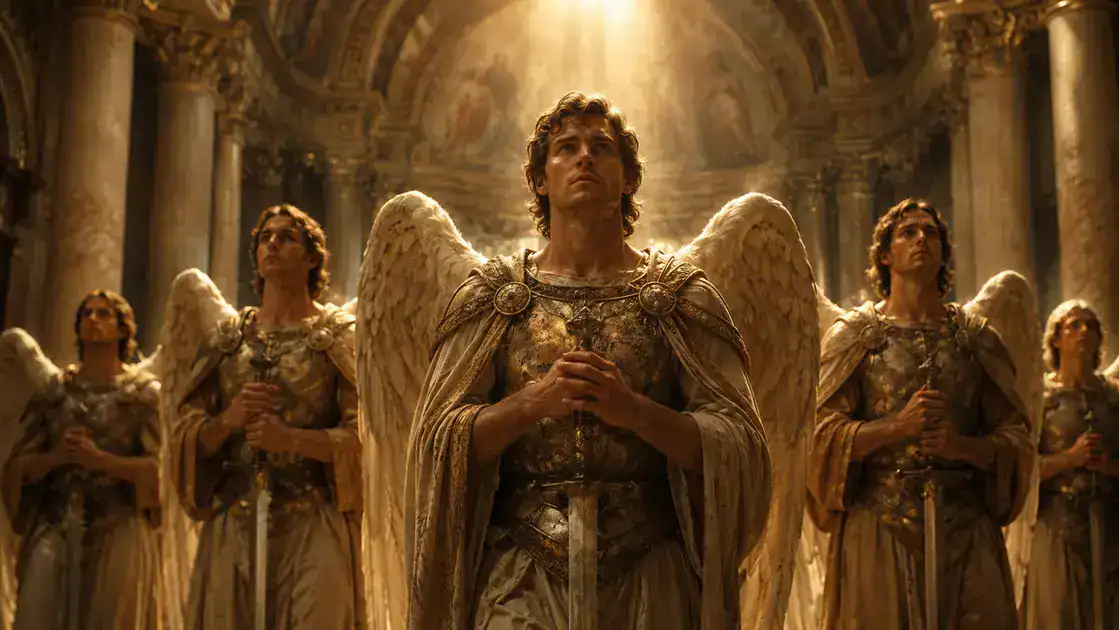
The powers are pictured as a steady band of celestial beings whose work is to keep creation ordered and safe. When we read Scripture and the Fathers together, we find a picture of heavenly service that is calm and purposeful rather than chaotic. Thinking of them as guardians of divine order helps us see how God attends to the world through living persons beyond our sight.
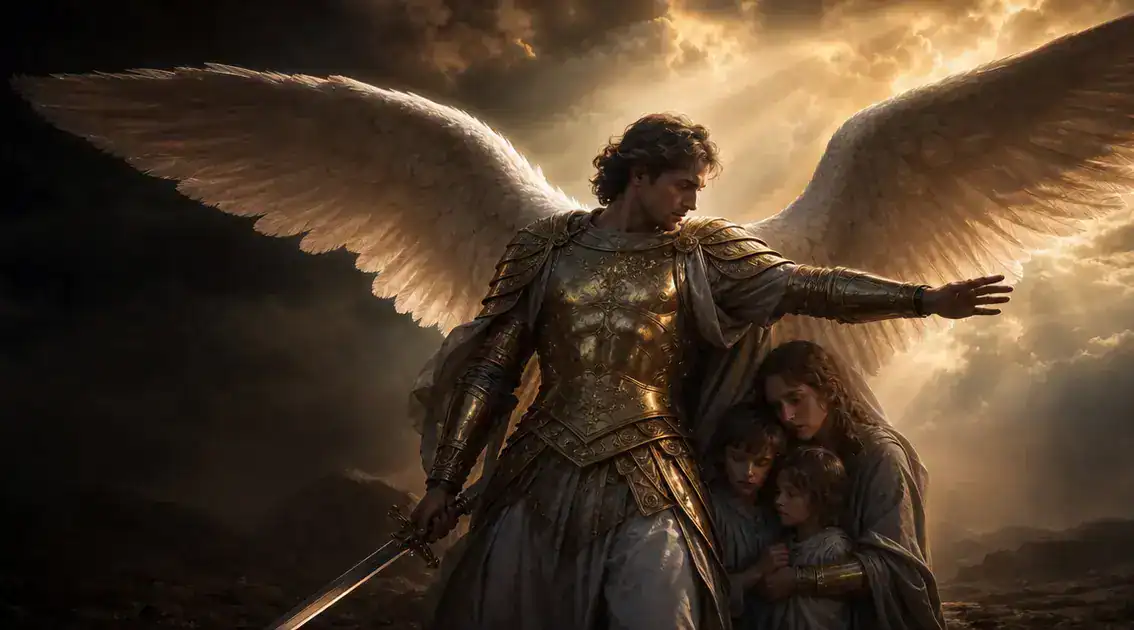
Their task is practical: they restrain what would break apart and support what sustains life. Texts such as Ephesians 6:12 name ranks and authorities, and patristic writers imagined these ranks as instruments that hold history and nature in place. This role is not about domination but about ordered care, a quiet ministry that keeps seasons, rulers, and common life within God’s wise governance.
For those who pray and live in faith, this teaching invites a quiet trust and sober action. We are asked neither to seek visions nor to be afraid, but to pray for courage, to uphold justice, and to notice how small acts join a larger order. That awareness turns ordinary days into chances to cooperate with the good that the powers seek to protect, resting in Christ’s rule over every rank and realm.
Distinguishing powers from principalities and archangels: hierarchy and functions
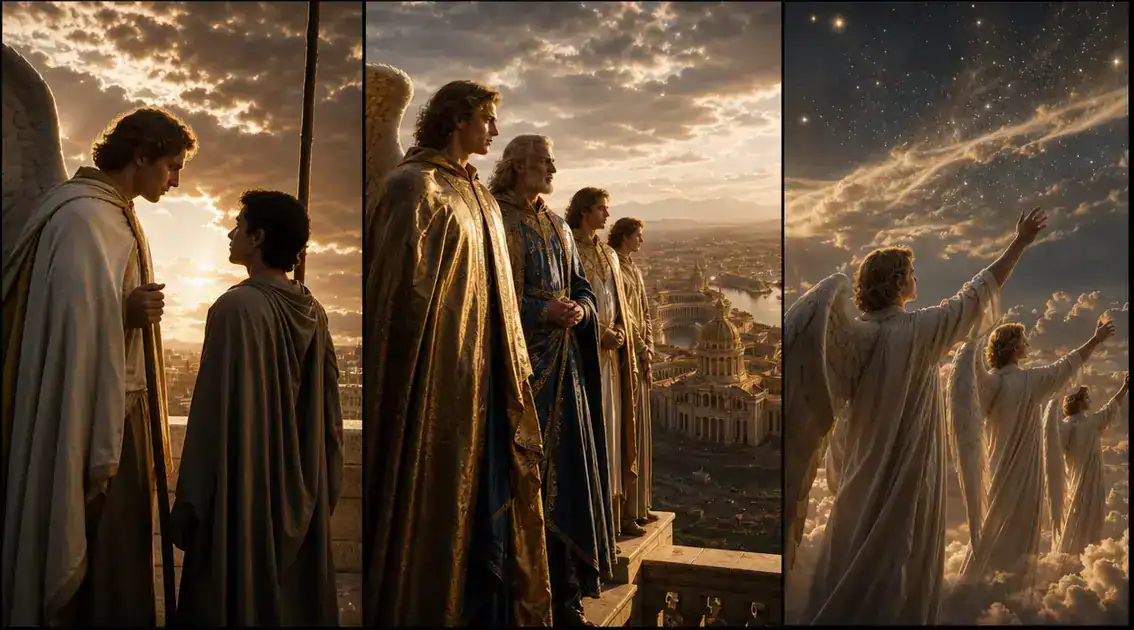
Scripture names ranks that can sound similar, so it helps to look gently at what each one does. In passages like Colossians 1:16 and Ephesians 6:12, terms such as archangels, principalities, and powers appear together, so the Bible is inviting us to see a single, ordered care rather than a jumble of forces. Noticing that keeps our wonder steady and our feet on the ground.
The archangels are few and often named in Scripture—Michael and Gabriel stand out for their clear, personal actions. They arrive at decisive moments, speak words that change lives, and act in ways the text records directly. That makes their presence feel intimate and narrative-driven, like a messenger stepping into the story to deliver what must be said.
By contrast, principalities are pictured more as overseers of peoples and institutions, while the powers work to maintain the deeper structures of order. Powers keep patterns steady and guard against chaos; principalities govern the direction of groups and nations. Both serve within the same divine economy and are ultimately subject to Christ’s rule over every rank, which invites us to pray without fear and to act with humble confidence in the care that holds the world together.
Powers and spiritual warfare: biblical images and pastoral reflections
Scripture paints spiritual conflict with vivid images, but it rarely asks us to chase drama. Paul tells us plainly that our struggle is “not against flesh and blood” (Ephesians 6:12), and books like Daniel and Revelation show angels and cosmic scenes as part of a larger story. These images point us to a reality where unseen forces press on the world, yet the scenes always sit inside God’s plan rather than outside it.
Pastoral reflection keeps the focus practical and steady. The New Testament invites habits of prayer, communal worship, and the steady use of what Paul calls the “armor of God”—truth, faith, righteousness, and prayer. These are not magical tricks but ways to live with courage and clarity. When a congregation prays for the sick, seeks justice, or forgives an enemy, it is practicing resistance to the harm that the powers can bring, while relying on God’s help.
Seeing the powers as part of the spiritual scene gives us both sober eyes and soft hearts. We do not need fear; we need discernment and faithful action. That looks like standing for the weak, speaking truth kindly, and returning again to prayer when we feel worn. Above all, we hold to Christ’s victory—a firm hope that shapes how we fight: not for triumph over people, but for the healing of the world.
Devotional practices and contemplative ways of encountering the powers
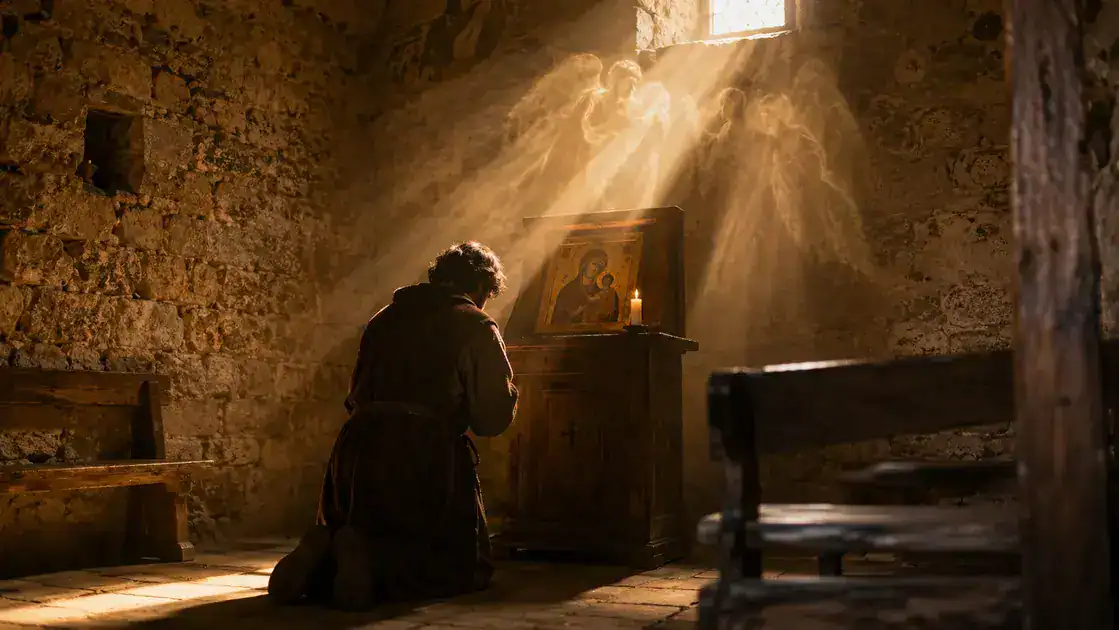
Kneeling in a quiet chapel or sitting with a single candle can be a gentle way to encounter the powers. These practices are not about spectacle but about attention: a soft turning of the heart that notices the steady presence around and beneath daily life. In that stillness, prayer feels less like asking for signs and more like learning to recognize a hidden care.
Simple spiritual disciplines open that attention. Reading a short passage slowly in lectio divina allows a line of Scripture to rest in the mind, while a short breath prayer keeps the heart quick to return to God. The examen and nightly prayer help us name where grace moved in the day, and communal worship—especially the sacraments and sung prayer—places us inside a larger story so our lives align with the good the powers uphold.
Over time these practices form quiet discernment rather than craving visions. We learn to act with humility, to pray for mercy and justice, and to serve our neighbors as concrete signs of God’s care. Holding to Christ’s lordship keeps these practices rooted: they are not ends in themselves but ways to cooperate with the divine ordering that moves history toward healing.
Contemporary theological debates and ecumenical perspectives on the second sphere
Today, theologians and pastors approach the second sphere in varied ways. Some read the Powers as real, distinct angelic beings who shape history and guard order. Others treat the language as symbolic, a biblical way to name forces we cannot fully see. Careful scholarship has added nuance, and many communities try to reclaim the Fathers without speculating beyond Scripture.
Different traditions frame the topic according to their habits of prayer and doctrine. The Orthodox keep angels close in worship and iconography and often speak of the heavenly order as present in liturgy. Roman Catholic reflection blends Scripture, patristic reading, and devotional practice into a steady tradition. Many Protestant voices emphasize biblical clarity and tend to avoid elaborate hierarchies, while still affirming what Scripture plainly teaches. Through these differences one steady truth emerges: Christ’s lordship over every rank unites the conversation.
That common center shapes pastoral care and ecumenical attention. Leaders warn against seeking visions or private claims and instead recommend prayerful study, mercy, and humble service. Ecumenical dialogue focuses on shared prayer, scriptural fidelity, and respect for each tradition’s shape, so ancient language can be honored without dividing the faithful. This path invites believers to learn together with open hearts and steady faith.
A gentle prayer of sending
God of mercy, who orders heaven and earth, quiet our hearts as we remember the powers of the second sphere that hold your world in gentle care. Help us to see their work as a mirror of your steady love and to rest in that unseen keeping.
Give us simple courage to live with eyes open to grace: to speak a kind word, to stand with the weak, and to turn again to prayer when days grow heavy. Let these small acts be our prayer, joining our lives to the divine ordering we cannot fully name.
May we walk with a calm hope, trusting Christ’s lordship over every rank and realm. In ordinary days, may wonder and duty meet—so that service becomes praise and praise becomes light for others.
Send us forth in peace, with hearts awake to mercy, and hands ready to serve. Amen.
FAQ – Common questions about the Powers of the Second Angelic Sphere
What does the Bible mean when it speaks of the “Powers”?
The New Testament names “powers” in places like Ephesians 6:12 and Colossians 1:16 to indicate ranks of spiritual beings and authorities. Prophetic books such as Daniel and the visions of Revelation also show angelic activity shaping events, and early teachers like Pseudo‑Dionysius placed the Powers in the second sphere as orderly servants who help sustain creation under God’s rule.
Are the Powers the same as demons or evil spirits?
Not simply. Scripture and tradition distinguish angelic ranks from rebellious spirits: some powers serve God, while others fell and act in harm. Ephesians names both the heavenly order and the hostile authorities in the same breath, so the key is discernment—recognizing that forces can be ordered toward God or opposed to him, but all remain under Christ’s final lordship.
How do Christian traditions differ in their view of the Powers?
Views vary with emphasis. Orthodox worship keeps angels vividly present in liturgy and iconography; Roman Catholic theology and the Fathers integrate Scripture and patristic ordering into devotional life; many Protestant traditions stress clear biblical language and avoid elaborate hierarchies while still affirming that unseen ranks exist. Across these differences, most traditions insist on Christ’s supremacy over every rank.
Should Christians pray to or ask for help from the Powers?
Christians are called to pray to God alone, but many traditions also honor angels as ministers of God’s care. Orthodox and Catholic practice includes asking for angelic protection while directing ultimate worship and petition to God. Pastoral wisdom warns against replacing prayer to God with seeking signs or private revelations from angels.
Do the Powers actually influence nations and history, as some texts suggest?
Biblical passages like Daniel and Colossians picture spiritual realities working behind political and cultural life, and the Fathers read the Powers as guardians of order. This influence is always within God’s providence; the practical response is prayer for leaders, justice, and faithful witness, trusting that Christ governs every rank and realm.
How should I live in light of the teaching about the Powers?
Live with sober faith and simple practices: regular prayer, reading Scripture, participation in communal worship, and acts of mercy. Paul’s call to put on the “armor of God” (Ephesians 6:10–18) directs us to be spiritually vigilant without fear. Above all, trust Christ’s victory and let that hope shape service, compassion, and wise discernment in daily life.