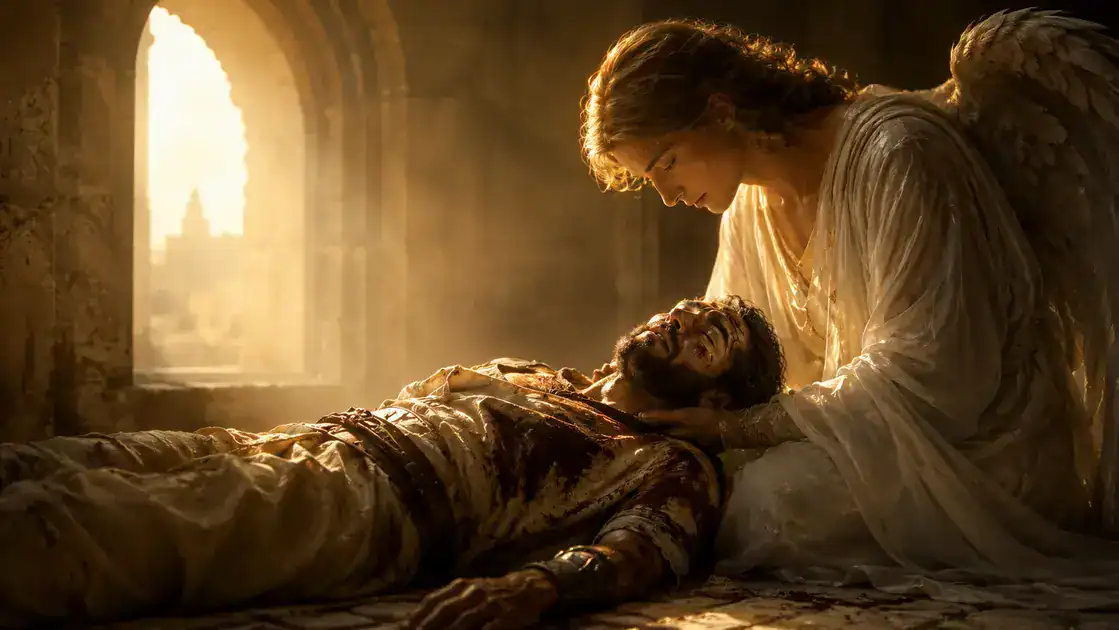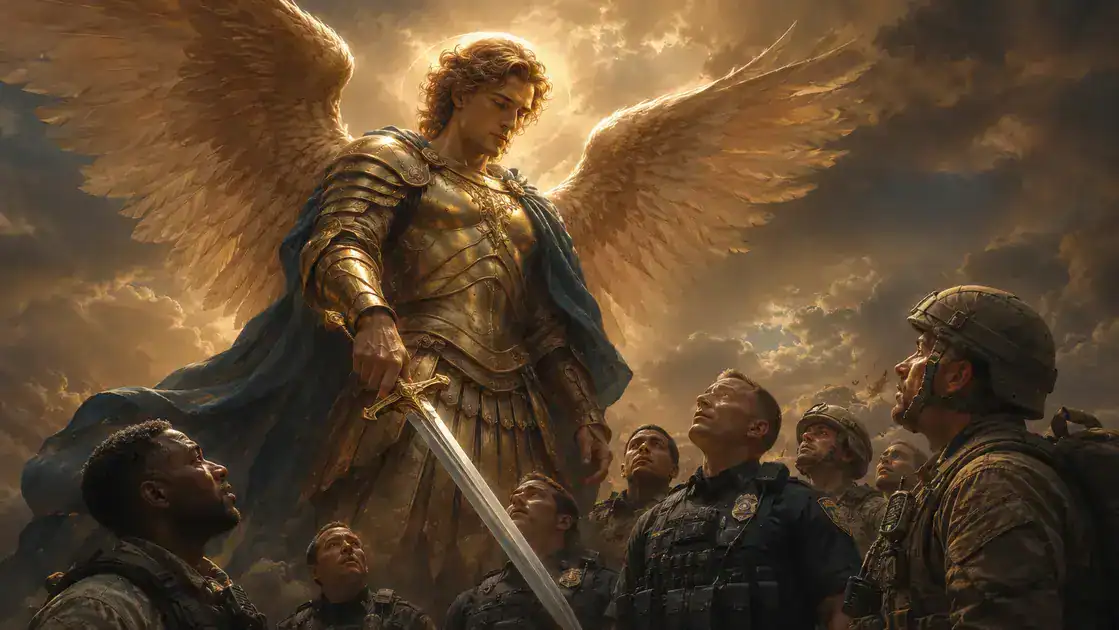

Saint Michael, patron of warriors, is the archangel portrayed in Scripture and Christian tradition as a heavenly commander who defends God’s people, aids soldiers and police through intercession and example of ordered courage, and inspires prayers, liturgies, and devotions that unite protection with moral responsibility.
Have you ever sensed a presence at the edge of danger? saint michael patron of warriors accompanies soldiers and police, inviting reflection on courage, protection, and sacred duty.
Saint Michael in Scripture
Saint Michael appears in a few brief but powerful moments of Scripture. In the book of Daniel (10:13; 12:1) he is described as one of the chief princes who stands ready for God’s people. In Revelation 12:7–9 he leads the angelic host in what the text calls a war in heaven, driving out the dragon. Jude 1:9 preserves a curious detail where Michael even contends with the devil over the body of Moses, showing his role in spiritual struggle and divine order.
Read together, these passages shape a clear but humble portrait: Michael is not a mere symbol of violence but a heavenly agent who enacts God’s justice and protection. He functions as both leader and guardian—strong in battle yet obedient to God’s will. This biblical picture emphasizes purpose over bravado, showing that the divine fight is ordered, moral, and aimed at restoring rightness rather than glorifying conflict.
Those who turn to these texts often find steady consolation rather than dramatic visions. The scriptural Michael invites trust: a reminder that spiritual forces work for the good of the faithful. For soldiers, police officers, and anyone facing danger, these verses can become a quiet source of courage—prompting prayerful reliance on God and a hope that their service is watched over by a faithful heavenly defender.
Theology of a warrior patron
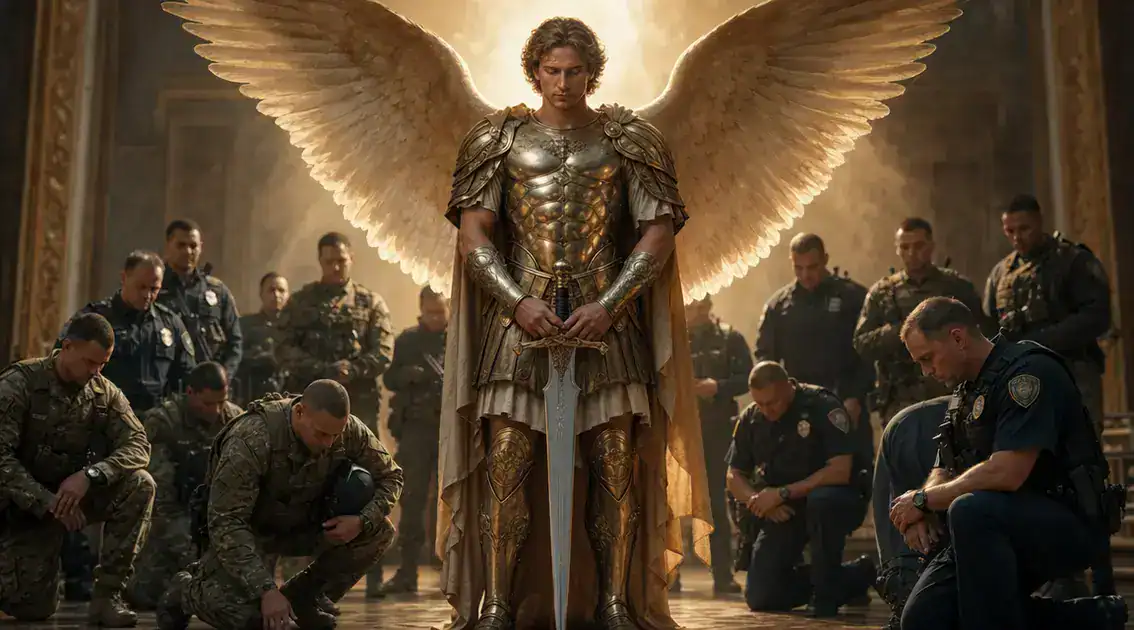
Theology of a warrior patron begins with a simple truth: God meets human courage with divine care. In Christian tradition, a patron is not a lone hero but a sign of God’s presence at work among people who face danger. Saint Michael shows how spiritual war is rooted in hope, not hate, and how strength should serve protection.
Biblical images of battle point to a larger reality — a struggle between good and evil that touches hearts as well as nations. In passages that name Michael, we see ordered courage and divine justice rather than chaos. This theology teaches that conflict is bound by God’s will and that heavenly aid supports right action, restraint, and the defense of the vulnerable.
For those who look to Michael today, the lesson is practical and tender. Devotion to a warrior patron calls forth prayer, ethical courage, and a commitment to service. In this light, trusting Saint Michael is less about seeking victory for its own sake and more about asking for strength to protect others, to act with honor, and to return safely to the work of peace.
Liturgical prayers and devotions
In many churches, devotion to Saint Michael is woven into the rhythm of worship and private prayer. The well-known Prayer to Saint Michael has comforted the faithful after Mass, and the annual celebration of Michaelmas invites reflection on God’s care for those who serve and protect. These liturgical moments remind worshippers that prayer to Michael is rooted in the Church’s public life, not just private feeling.
Alongside formal prayers, a rich set of devotions developed over centuries: the Chaplet of Saint Michael, short novenas, votive candles, and small medals kept by travelers and soldiers. These practices help people shape a steady habit of prayer without turning devotion into a superstition. The chaplet’s simple salutations and the quiet lighting of a candle give a frame for steady trust and remembrance in times of trial.
For those who face danger daily, liturgical prayer and devotion offer practical support: a brief prayer before a shift, a group blessing before deployment, or joining a Mass when possible. Above all, these acts point to protection and service rooted in God’s will and call for humble dependence rather than magical thinking. Good devotion bends the heart toward compassion, courage, and care for others, drawing strength from sacramental life and communal prayer.
Military and police traditions honoring Michael
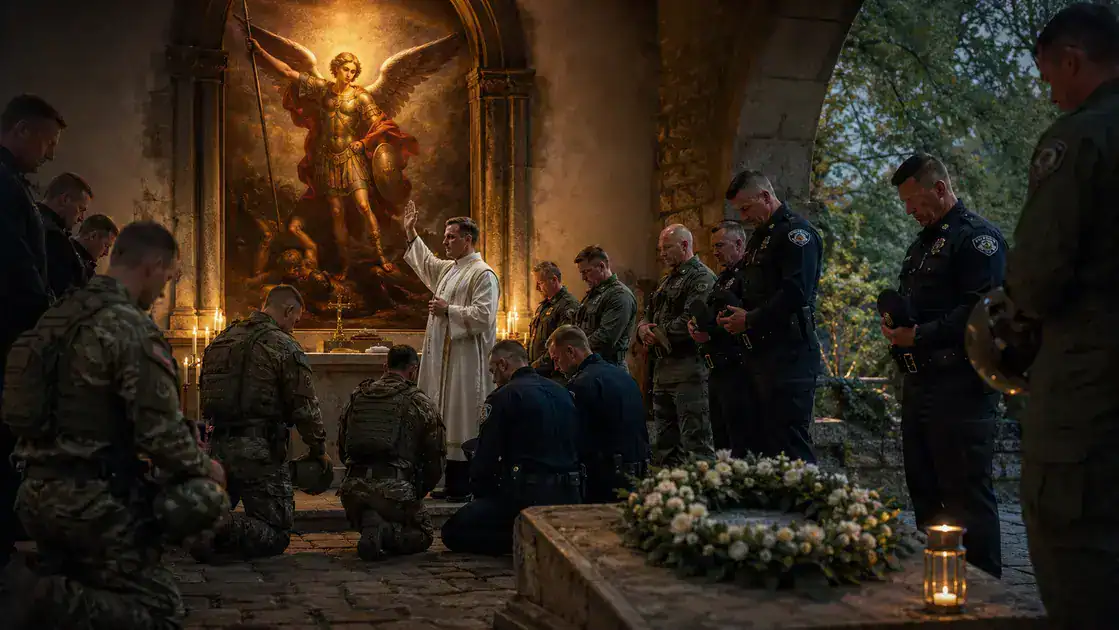
Across centuries, military and police units have woven devotion to Saint Michael into their rites and moments of departure. Chaplains lead brief prayers before a shift or a mission, small shrines stand in barracks and precincts, and many carry a medal or token that recalls a guardian presence. These practices are simple and steady, forming a shared rhythm that meets fear with faith.
Such traditions shape how people face danger. When a squad gathers for a blessing or a unit marks Michaelmas with a service, they name a hope larger than any report or order. Saint Michael becomes a sign of sacred solidarity, urging those in uniform to protect the vulnerable, act with restraint, and hold to honest conduct even under stress.
In modern life these devotions remain practical and human: a prayer at roll call, a quiet chaplet tucked in a pocket, a communal Mass before deployment, or a wreath at a memorial. These acts do not promise magic; they steady the heart and point to a vocation of care. For many officers and soldiers, the memory of Michael helps them return to duty with courage and with a deeper sense of service.
Iconography: sword, scales and standard
Iconography of Saint Michael commonly presents three clear symbols: the sword, the scales, and the standard or banner. Artists place these items deliberately so that the viewer can read a short story: the sword signals defense against evil, the scales suggest careful judgment, and the standard marks allegiance to a divine cause. These visual cues draw on biblical motifs and on centuries of devotional imagination to speak directly to those who serve.
Seen theologically, the sword stands for truth and the protection of the weak rather than for vain aggression. The scales invite us to balance justice with mercy and to remember that moral choices carry weight. The standard points to communal fidelity — a call to act under God’s purpose and not for personal glory.
In devotional practice these symbols guide prayer and conscience. Medals, icons, and small banners kept by soldiers or officers become reminders to show restraint, care, and courage in service. Holding these images before God can steady the heart and shape a life of faithful protection toward others, turning duty into a humble offering.
Prayers and practices for modern warriors
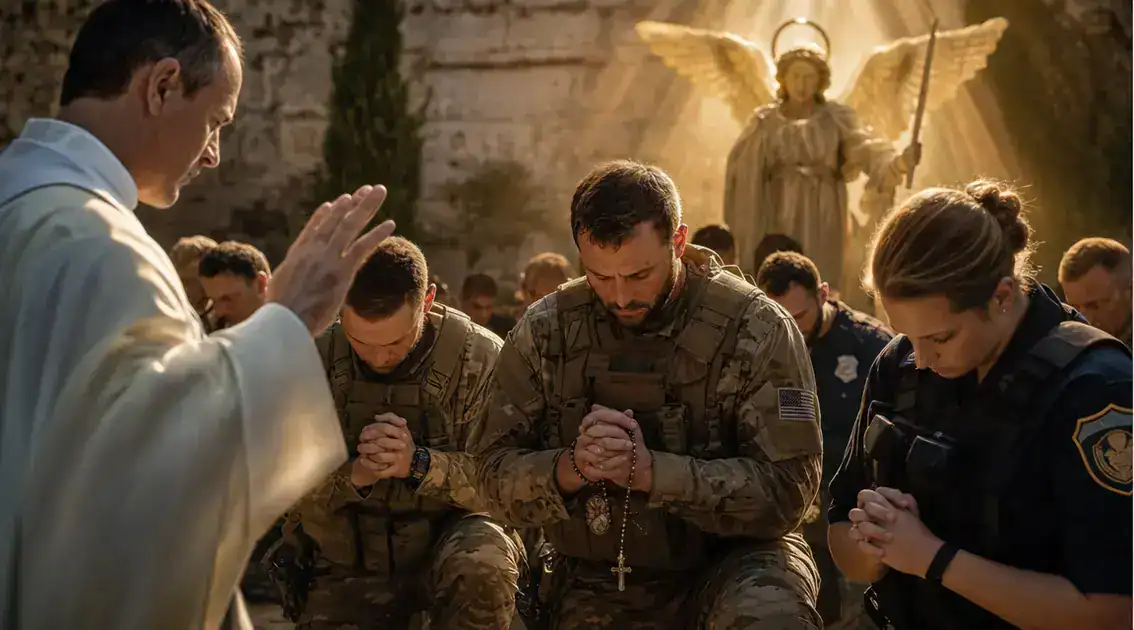
Many modern warriors keep prayer simple and steady: a short Prayer to Saint Michael before a shift, a quiet chaplet during a break, or a medal tucked into a pocket as a touchstone. These small acts are not superstition but ways to center the heart. When you pause for a breath and a word to God, your attention shifts from fear to purpose, and the day’s demands feel more bearable.
Practical practices often include a brief blessing from a chaplain, making the sign of the cross, or a nightly examen to name what went well and what needs repair. Joining Mass when possible or saying a simple invocation in a team circle gives a shared shape to courage and duty. These rituals teach that protection is meant for service of the vulnerable and that true strength is humble and accountable.
Over time these habits form moral muscle: they steady judgment, loosen anxiety, and help a person return home whole. Carrying a chaplet, keeping a medal, or sharing a prayer at roll call gently reminds warriors that they act under God’s care and for others’ good. Small, repeated practices nurture courage with compassion, turning duty into a faithful offering rather than a solitary burden.
A prayer for the road
As you leave this reflection, may Saint Michael walk with you in quiet strength. May he steady your breath, guard your steps, and keep your heart clear.
Grant those who face danger a calm courage, wisdom to protect the weak, and the grace to act with mercy. Let fear soften into faithful purpose and haste become careful care.
Hold small practices close: a brief prayer before duty, a blessing shared with a comrade, a medal tucked near the heart. These tiny acts keep us linked to God and to one another.
Go in peace, renewed for service. May you return home safe, held by a love that never fails and by a presence that watches over every step.
FAQ – Questions about Saint Michael and his care for those who serve
Who is Saint Michael according to Scripture?
Scripture names Michael as a chief heavenly figure who stands for God’s people (Daniel 10:13; 12:1) and as the leader of the angelic host in Revelation 12:7–9. Jude 1:9 also shows him contending with the devil, which highlights his role in spiritual struggle and divine order.
Why is Saint Michael called the patron of warriors, police, and soldiers?
Because the biblical portrait presents Michael as a defender and leader in spiritual conflict, Christian tradition has seen him as a heavenly protector for those who face danger. Over centuries, soldiers and law‑enforcement units have turned to him as a model of ordered courage and of protecting the vulnerable under God’s will.
Is it appropriate to pray to Saint Michael in moments of danger?
Yes. Asking Saint Michael to intercede is a long‑standing practice in the Church and points us back to God. The well‑known Prayer to Saint Michael (promulgated by Pope Leo XIII) is a devotional way to seek strength and protection while recognizing that all help ultimately comes from God.
Does devotion to Saint Michael replace practical preparation or trust in God alone?
No. Devotion complements sound training, good judgment, and trust in God. The theology of a warrior patron emphasizes ordered courage and service: prayer supports moral clarity and humility, not magical protection, and calls those who serve to act with restraint and care for others.
What prayers and sacramentals are commonly used in devotion to Saint Michael?
Common practices include the Prayer to Saint Michael, brief chaplets or novenas, wearing a medal or carrying a small token, lighting votive candles, and participating in local liturgies like Michaelmas (feast day, Sept. 29). Chaplains and parish communities often incorporate these devotions into blessings and rites for units and crews.
How can police officers and soldiers live out devotion to Saint Michael in daily service?
Simple, steady habits make the devotion practical: a short prayer before a shift, a group blessing, carrying a medal as a reminder, attending Mass when possible, or doing a brief examen at day’s end. These practices foster calm, moral judgment, and a sense of shared vocation to protect others under God’s care.