

Archangel Uriel is a figure in Jewish and Christian tradition associated with fire, illumination, and the interpretation of visions, appearing chiefly in apocryphal works like 1 Enoch and 2 Esdras, where he guides seekers toward moral clarity and discerning wisdom while pointing them toward God rather than replacing divine authority.
Have you ever wondered about archangel uriel — a quiet flame at the edge of Scripture? He comes to tradition as a bearer of fire and gentle insight, inviting you to notice where divine light meets ordinary life.
Uriel in scripture: traces and debated mentions
In several early and apocryphal works, a named angel stands out as a calm teacher and companion to visionaries. The clearest traces of Uriel appear in Jewish apocrypha such as 1 Enoch and in the apocalyptic Ezra traditions, where he acts as an interpreter of dreams and a guide through heaven’s mysteries. These portrayals show him not as a distant force but as a close presence who helps a human hear and make sense of divine messages.
The place of these texts in the larger biblical canon is a matter of long debate, which affects how people speak about Uriel today. He is not named in the Hebrew Scriptures or in the canonical New Testament, so his role rests largely on writings that some communities accept and others set aside. That difference does not erase the spiritual effect these stories have had: for many readers they illuminate how God’s light reaches curious, frightened, or searching hearts.
For devotional life, these traces invite a simple, attentive practice: listening for guidance, honoring the light that clarifies a troubling vision, and receiving help in questions of meaning. When you read these passages slowly, Uriel’s work as a gentle interpreter becomes a spiritual resource—an image that invites prayerful asking and quiet patience as insight unfolds.
The symbolism of fire and wisdom in biblical tradition

Throughout Scripture, fire often marks the nearness of God and the work of change he brings in us. Fire as God’s presence and refining power appears in images like the burning bush that would not burn up and the pillar of fire that guided Israel at night, both tender and awe-filled signs that God walks with his people. These scenes teach that holy fire warms and corrects, drawing out what is true while consuming what hides or harms.
Alongside fire, the Bible holds a long, gentle thread about wisdom as a living guide for the soul. In books like Proverbs, wisdom speaks and shows the way to life; she is not merely knowledge but a patient presence that teaches the heart to choose well. Wisdom as a guiding companion helps us see rightly, turning confusion into clarity in the same way light reveals a path in darkness.
When fire and wisdom meet, the image becomes a devotional map: purification paired with clear sight. Tradition sees figures who bring both the flame and the understanding that follows, inviting us to be purified and taught at once. In practice, this means asking for discernment in prayer, welcoming correction without fear, and letting the light of truth warm the choices of everyday life.
Patristic and apocryphal sources that shaped Uriel’s image
Many of the details we associate with Uriel come not from the Hebrew Bible but from writings that circulated around the time of Jesus and afterwards. Books like 1 Enoch and 2 Esdras present him as an interpreter of visions, a guide who explains difficult signs and opens the way for human understanding. These texts paint Uriel as close and patient, someone who helps readers move from confusion to clarity.
As the church grew, artists and teachers drew on those apocryphal images to shape popular devotion. Monks, iconographers, and some patristic writers accepted the stories about named angels and passed them into liturgy and art, especially in Eastern Christian practice. The result was a rich visual and spiritual vocabulary: angels with scrolls, small flames, and calm faces that invite trust rather than fear.
That history asks for a simple, careful response: we may not treat every ancient book as equal to Scripture, yet we can learn from how these sources formed prayer and imagination. For many believers, the apocrypha and patristic tradition have become a way to attend to divine guidance with humility. Let these texts encourage you to seek wisdom gently, asking for light where you feel blind and accepting correction with a quiet heart.
How mystics and saints have experienced Uriel’s presence
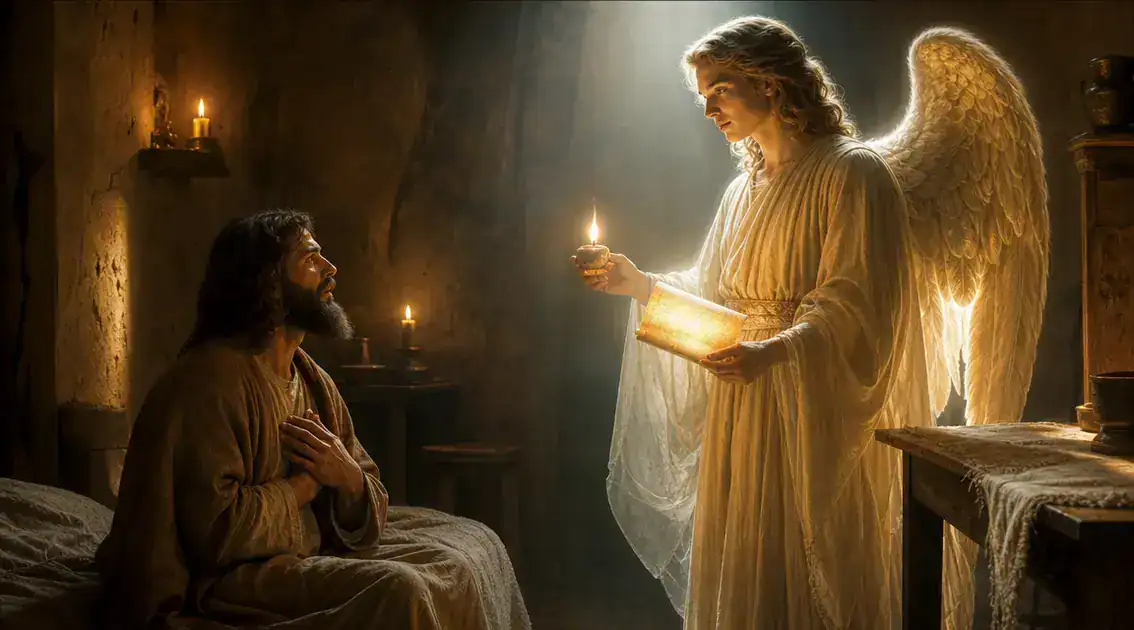
Many mystics and saints speak of an angelic presence that arrives not with thunder but with clear, simple light. In their accounts, this presence often comes in a moment of quiet prayer, a dream, or the pause between choices, offering calm direction rather than loud commands. That gentle illumination helps turn confusion into clarity, so the soul can see what needs healing and what needs courage.
Those who have lived close to prayer describe the experience as intimate and steady: a small warmth at the chest, an image that lingers, or a sudden understanding that resolves a long worry. Such moments do not remove effort or struggle, but they change how you carry them by giving a quiet map for the heart. Many found that this was not merely an idea but a lived help that guided moral choices and deepened trust.
For personal devotion, these stories invite simple spiritual practices: longer silence, short journaling after prayer, and a humble request for light in hard decisions. When you welcome that light with reverence, you practice noticing guidance in ordinary days and learn to accept correction without fear. In this way, the mystic’s memory of Uriel becomes a practical path toward clearer sight and warmer courage.
Practical devotion: contemplations and prayers inspired by Uriel
Begin with a short, steady practice that asks for light before any task. Sit quietly for two to five minutes, breathe slowly, and offer a simple prayer asking for clarity and warmth. This small pause trains the heart to notice gentle guidance and makes room for quiet insight to enter the day.
Use a single symbol to focus the mind: a candle, a small lamp, or a sunlit window. As you look at the flame or light, read a brief verse or line slowly and let one image settle in your mind; then write a sentence about what that image might be asking of you. These simple exercises—stillness, short reading, and brief journaling—invite discernment without pressure, helping ordinary choices to gain a bit of holy shape.
In moments of decision, turn to a very short breath prayer or question: ask inwardly for light to see the next right step and wait for the first small nudge. End the day with a two-sentence examen: name one moment where you felt guided and one place you want more clarity. Over time, these practices form a gentle habit of listening, so that the soul learns to welcome correction and to follow wisdom with steady courage.
A closing prayer for the light that guides
May the quiet flame of Uriel warm your doubts and sharpen your sight. Let that small light touch the places where you feel unsure, and bring a calm that helps you choose with care. Hold the memory of gentle illumination as a companion for hard moments.
When decisions come, breathe once and ask for a clear, humble sign. Wait in a soft silence and name what you hope to see. Allow the light of wisdom to show the next small step rather than rush you to a great sign.
Carry this practice into ordinary days: a brief pause, a short prayer, a willingness to learn. May you walk with kinder eyes, steadier courage, and a quiet trust that you are guided. Receive this blessing and go gently into your work and rest.
FAQ – Common questions about Uriel, fire, and wisdom in sacred tradition
Is Uriel actually mentioned in the Bible?
Uriel is not named in the Hebrew Scriptures or the New Testament canon. His presence appears clearly in earlier Jewish apocryphal writings such as 1 Enoch and in the book tradition known as 2 (or 4) Esdras, where he acts as an interpreter and guide. Many Christians respect these sources as part of the wider spiritual imagination, even while noting the difference between canonical Scripture and apocryphal readings.
What does Uriel symbolize in spiritual tradition?
Tradition often links Uriel with the twin themes of fire and wisdom. Scriptural images of fire—like the burning bush or the pillar of fire—and the figure of Wisdom in Proverbs help shape this symbolism. Uriel is pictured as a gentle clarifier: a refining flame that leads the heart toward clearer insight and holy courage.
Can I pray to Uriel or ask for his help?
Many believers address angels in prayer as companions who point us to God; in some Christian communities and among mystics, people have asked Uriel for guidance in understanding dreams or decisions. It is wise to frame such prayer as seeking God’s light through the help of a heavenly companion, and to keep God as the ultimate addressee of worship. If in doubt, ask a trusted spiritual teacher about local practice.
How do Uriel’s stories help in spiritual discernment?
Stories that portray Uriel as an interpreter encourage practices of careful attention: quiet prayer, attentive reading of Scripture, and reflective journaling. Like Gabriel’s interpretive role in Daniel and Luke, Uriel’s image invites us to welcome clarity gently—testing inspirations by Scripture, prayer, and community—so discernment becomes a humble, patient habit.
Does any church celebrate Uriel liturgically?
Liturgical recognition varies. The Catholic Church’s universal calendar names Michael, Gabriel, and Raphael as archangels; Uriel is not on that universal list. However, some Eastern Christian, Anglican, and local traditions remember Uriel in icons, prayers, or regional calendars. Devotion to Uriel is more common in communities that draw on apocryphal and patristic sources.
How can I tell if a sense of guidance comes from a holy source like Uriel?
Signs of trustworthy guidance include inner peace, clarity that aligns with Scripture, and a summons to love and humility rather than selfish gain. Test promptings by prayer, seek counsel from wise companions, and watch for fruits such as patience, charity, and humility. If the guidance leads you toward God and neighbor, it is more likely to be good and true.