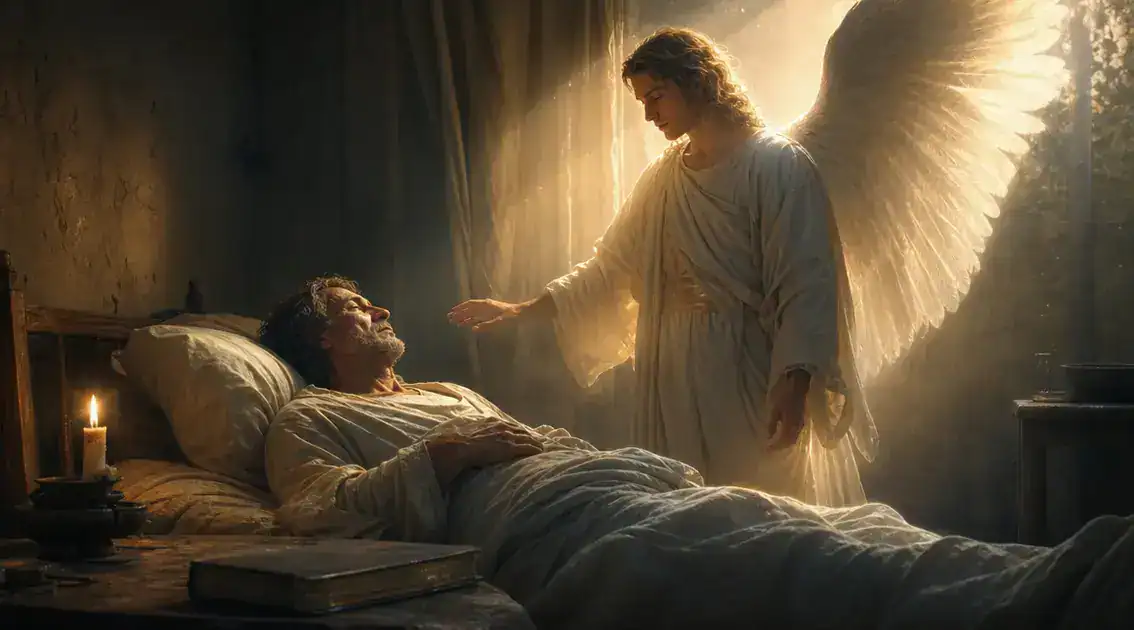

Modern saints’ visions of angels continue a biblical pattern in which God sends messengers to console, guide, and call individuals to deeper faith, and the Church discerns such experiences by their agreement with Scripture, the humility and lasting holiness of the visionary, the increase of charity and prayer, and careful pastoral testing.
Could modern saints visions of angels; still speak to us as clearly as Scripture once did? Step gently into a line of testimonies and quiet practices that invite wonder, discernment, and renewed devotion.
Scriptural patterns in angelic visions
Across Scripture, angelic visions share clear, gentle patterns that help us listen more than stare. Many appearances begin in ordinary places but are marked by a sudden hush or a beam of light, and the first human response is often fear. The angel’s first words in those moments are a gift of grace: “Do not be afraid”, followed by a message that turns astonishment into purpose.
Angels in the Bible come as messengers, protectors, and worshipers around God’s throne, and their roles repeat in ways we can learn from. Some speak in dreams, as with Joseph; others stand visibly at a doorway or by a tomb, as in the Gospels. What ties these scenes together is their focus on God’s will—each vision points beyond the spectacle to a concrete word, a call to action, or deep consolation.
For devotional life, these patterns shape how we respond: seek the message more than the marvel, test what is said by Scripture and prayer, and look for the fruit of holiness left behind. Visions that lead to humble service and love tend to be consonant with biblical witness, while those that draw attention to themselves do not. Let the scriptural patterns guide a humble, discerning openness to whatever gentle, faithful guidance God may send.
Theological frameworks: how tradition interprets visions

Tradition treats visions with care, not curiosity alone. For centuries the church has asked two plain questions: does the vision point to God, and does it help people love more? This practice of discernment keeps the focus on faith and life, not on spectacle.
Theological frameworks name patterns that guide judgment. The church distinguishes public revelation, which is binding, from private revelations, which are not required for belief. Saints and theologians have looked for clear signs: agreement with Scripture and doctrine, the humble character of the visionary, and lasting spiritual change in their life and community. These markers help the faithful tell comforting messages from those that mislead.
In pastoral life, these rules become gentle habits: prayer, wise counsel, and patient testing over time. Clergy and spiritual directors listen for fruit—greater charity, peace, and obedience—rather than drama. This way, visions are welcomed when they guide souls toward God and set aside when they distract. The aim is always a deeper love and service grounded in truth.
19th-century witnesses: Lourdes, Bernadette, and the rise of personal visions
In 1858 a quiet grotto at Massabielle became a place of uncommon attention when a frail girl named Bernadette Soubirous reported repeated apparitions of a luminous woman. The scenes were simple: a cast of ordinary people, wet stone, and a sudden hush that made space for a gentle message. Bernadette’s sickness, youth, and plain speech made her witness feel honest and humble, and this humility drew others rather than pushed them away.
The events at Lourdes came during a century of great change, when many souls longed for signs of God in an age of industry and doubt. What followed was the rise of personal visions as a visible part of popular devotion: pilgrimages, testimonies, and shared prayer around holy places. The Church responded with careful inquiry and pastoral oversight, balancing wonder with prudence so that the community’s faith could be nourished without confusion. This shows how authority and devotion can work together to guide the faithful.
The deeper fruit of Lourdes was less about spectacle and more about conversion. Many sought healing at the spring, but more returned with renewed prayer lives, a stronger devotion to the sacraments, and a heart for service. For those reflecting on visions today, the lesson is steady: look for signs of humility, lasting spiritual change, and alignment with the Gospel. When a vision leads people to greater love and trust in God, it bears the marks of a true, pastoral gift.
20th-century and contemporary saints: Padre Pio to today’s mystics

In the twentieth century, figures like Padre Pio brought mystical life into plain, everyday settings: the friary, the confessional, the parish. He lived a steady rhythm of prayer, Mass, and listening to people who came with their hurts. Reports of visible signs, such as the stigmata, drew attention, but those signs never stood alone; they were woven into a life of service and sacrifice.
Today’s mystics often show the same pattern in quieter ways. Their experiences, whether visions, consolations, or deep interior prayer, tend to increase love for neighbor and fidelity to the sacraments. Signs are tested by the fruit they bear—greater humility, patience, and charity—so the community can see whether the experience draws people closer to Christ or simply to the phenomena themselves.
For those who witness or wonder about such lives, the pastoral path is gentle and steady: listen with prayer, seek wise counsel, and watch for lasting change. Spiritual directors and the church offer a steadying hand so that personal experiences serve the common good. In this way, the legacy from Padre Pio to today’s mystics points us back to prayerful service and faithful obedience more than to curiosity about the unusual.
Discernment and pastoral response to visionary claims
When someone describes a vision, the first response is gentle listening and prayer. A pastor or friend should welcome the person, offer calm attention, and pray together before any judgment is made. This simple care helps the visionary feel safe and keeps the community grounded in charity rather than curiosity.
True discernment asks practical, loving questions: does the message agree with Scripture and the faith the church hands on? Does it lead to humility, service, and deeper prayer? Signs of lasting spiritual growth and increased charity are the clearest marks that a vision bears good fruit, while vanity or division point to caution.
Concrete steps follow naturally from these concerns: spiritual direction and prayerful testing, medical or psychological help when needed, and patient waiting before public claims are promoted. The church often guides this process quietly—encouraging the sacraments, community support, and wise counsel so that any extraordinary experience serves the soul’s healing and the common good.
Spiritual meaning: angels as guides, messengers, and consolation

Angels in Scripture show up in three gentle roles: as guides who lead the way, as messengers who bring God’s word, and as consolers who hold us in sorrow. We see them guiding the faithful on dark roads, announcing life-changing news, and sitting beside those who mourn. In every scene the point is clear: angels point beyond themselves to God’s presence and care, not to their own power.
This simple pattern shapes how we live. When we pray, we can ask for a clearer sense of direction, a calming word, or the courage to obey what we hear. Small practices—quiet morning prayer, a brief request to one’s guardian angel before a hard task, or returning to the sacraments—open us to guidance that is ordinary and steady rather than spectacular. The messenger role of angels invites us to listen for practical direction that leads to loving action.
Finally, discernment rests on fruit. A true angelic touch brings peace, humility, and a greater love for neighbor; it softens the heart and strengthens service. If an experience makes us proud, fearful, or divisive, we should step back and seek wise counsel. Let prayerful patience and simple charity be the measures we use, trusting that God’s messengers work through obedience, not showmanship, to bring consolation and clearer steps toward holiness.
Practices for encountering and listening to angelic presence
Begin with a small, steady habit of silence and simple prayer. Sit where you will not be rushed, breathe slowly, and offer a brief opening like a short sign of the cross or a quiet, sincere greeting to your guardian angel. Let the silence hold you for a few minutes so your heart can settle; in that stillness ordinary intuition often becomes a gentle direction.
Read a short passage of Scripture slowly, savoring a single line as in lectio divina, then speak that line back to God in your own words. Follow with a brief examen: look over the day and notice where you felt consolation or unrest. Keep the practice rooted in Scripture and sacraments, returning to the Eucharist, confession, or a simple act of charity as the surest tests of any interior movement.
Share what you discern with a trusted spiritual director or a wise friend and keep a short journal of impressions, dates, and the fruit that follows. Fast or simplify when choices feel confused, and measure every experience by whether it grows humility and love. Above all, let patience and charity direct your steps—true guidance will steady your life toward service, not toward spectacle.
A gentle prayer for the journey
Across Scripture and the witness of saints, we are invited to remember that we are never alone. Angels and holy companions do not remove our choices, but they steady our hearts and guide our hands toward humble service.
Keep simple practices that open the soul: brief silence, a short reading of Scripture, and a small act of kindness. These quiet habits help us notice gentle guidance and respond with courage and care.
May the same light that warmed saints and mystics warm your day. When fear comes, may you hear the soft word Do not be afraid and find the calm to step forward in faith.
Go forth with wonder and a ready heart, carrying this sacred company into ordinary moments. May your life be shaped by humility, service, and a peaceful joy that points others to God. Amen.
FAQ – Questions about modern saints, visions, and angels
Are visions reported by modern saints considered binding doctrine?
No. The Church teaches that public revelation is complete in Christ and Scripture. Private visions may be recognized as spiritually helpful, but they do not add new doctrine or require assent. Even approved apparitions invite deeper faith and practice, not new beliefs.
How does the Church discern whether a vision is genuine?
Discernment is careful and pastoral. Local bishops and spiritual directors examine conformity with Scripture and Tradition, the moral character of the visionary, the lack of doctrinal error, the presence of good spiritual fruit, and often medical or psychological evaluation. Time, prayer, and community testimony are also essential parts of the process.
Can angels give new teachings or change Church practice?
No. Angels are messengers who point to God’s will, but they cannot alter divine Revelation or the Church’s teaching. Any message claimed from an angel must be tested against Scripture and the living Tradition; true messages will deepen obedience, charity, and fidelity to the Gospel.
If I think I have had an angelic encounter, what should I do first?
Begin with prayer and humility. Quietly bring the experience to a trusted spiritual director or pastor, keep a brief journal of impressions, and test what you received against Scripture. Remain faithful to the sacraments and avoid publicizing the experience until it has been prayerfully discerned.
What spiritual fruit shows that a vision likely comes from God?
Jesus teaches that we know things by their fruit (see Matthew 7:16–20). A genuine vision tends to yield humility, increased love of neighbor, stronger prayer life, peace, and greater fidelity to the Church. If an experience breeds pride, fear, or division, caution and further discernment are needed.
How can I invite angelic guidance without seeking visions?
Practice simple, faithful habits: brief silence, Scripture reading (lectio divina), the examen, regular reception of the sacraments, and a short prayer to your guardian angel. These humble practices open the heart to guidance and consolation without turning the spiritual life into a search for spectacle.