
Seraphim theology teaches that the seraphim, rooted in Isaiah 6, are six-winged, fiery attendants of God’s throne—called ‘burning ones’—whose chief roles are unceasing adoration, purifying God’s messengers, and proclaiming divine holiness that shapes worship, moral reform, and devotional life in Jewish and Christian tradition.
seraphim theology — have you ever stood with Isaiah in the temple, sensing a hush of fire and song? I’ve lingered with that scene; here are the threads that opened it to prayerful curiosity.
What the Bible says about the seraphim
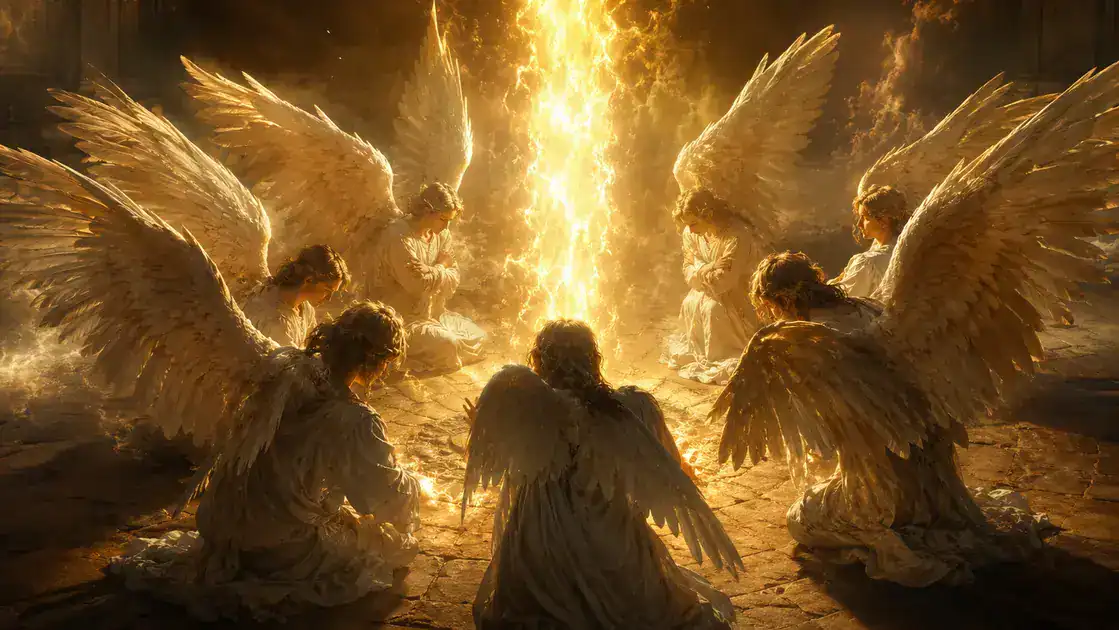
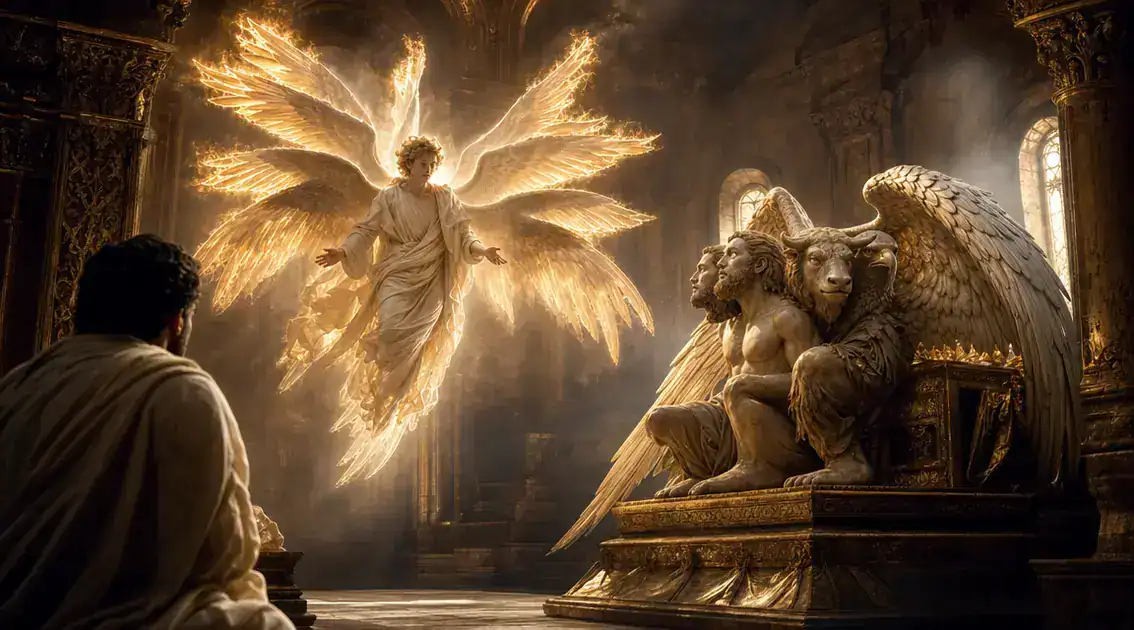
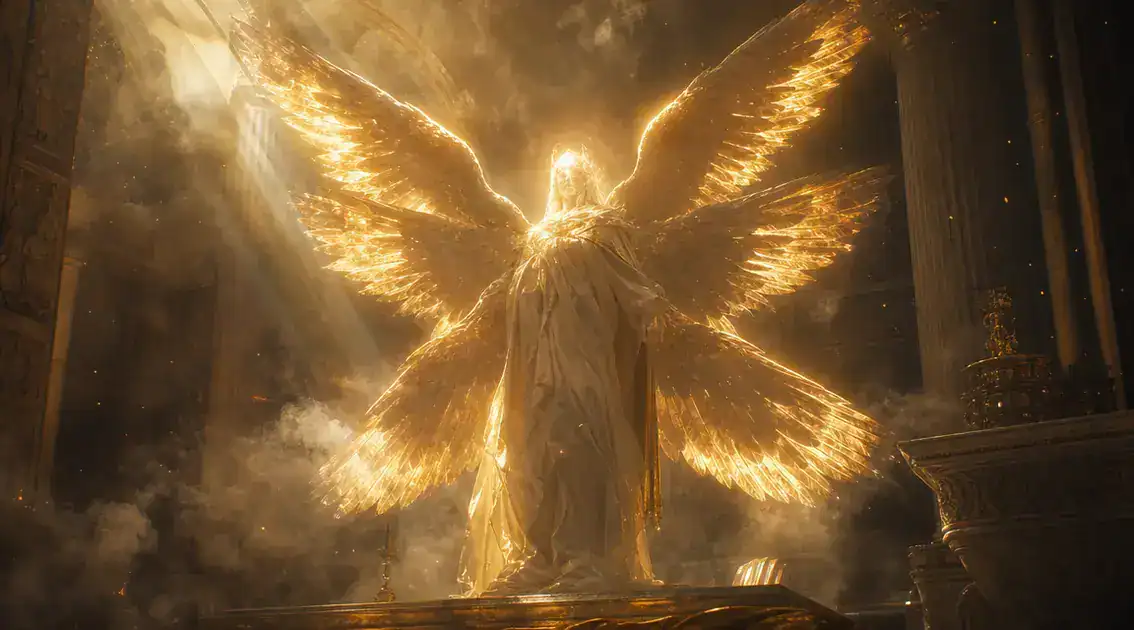
Stand with Isaiah inside the temple and you sense the moment: bright light, a hush, and voices that shake the stones. In Isaiah 6 the seraphim appear as vivid, living images — often called the “burning ones” — each with six wings, covering face and feet and flying above the throne while calling out “Holy, holy, holy”. The scene is simple in detail but endless in meaning: their song points every eye to God’s utter otherness and draws the whole room into a single act of worship.
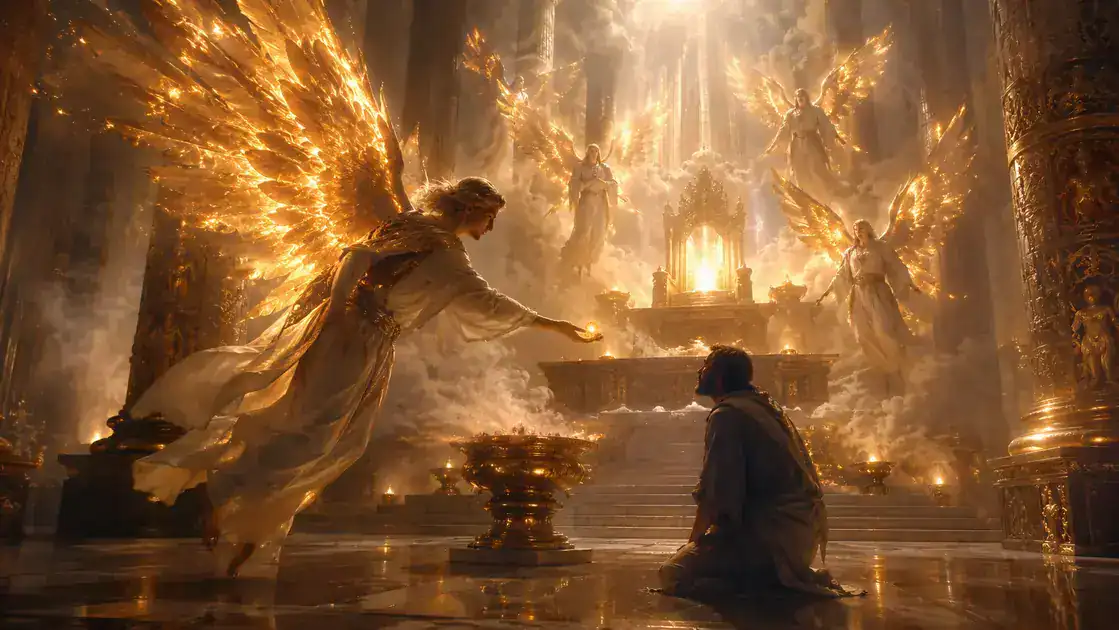
These heavenly beings do more than sing. One seraph reaches from the altar with a coal and touches the prophet’s lips, a daring act of cleansing that changes Isaiah’s life. That small, sacred gesture shows how the seraphim both reveal God’s purity and serve as instruments of healing; their fire speaks of love that refines rather than destroys. The encounter ties judgment and grace together, making God’s holiness the place where sin is shown and mercy is given.
For devotional life, the biblical portrait of the seraphim invites a posture of humble awe and steady hope. When we hear their cry, we are called to name what is holy and to let that naming shape our prayer and moral life. Imagining the coal, the wings, and the throne helps a believer move from neat doctrine into lived worship — a response of wonder, confession, and renewed purpose before the living God.
The seraphim in Jewish and Christian tradition
In the Hebrew Bible the clearest portrait of the seraphim comes from Isaiah 6, where these beings stand around the throne and cry “Holy, holy, holy.” The name often links to burning light, and that fiery image shaped how later Jewish writers spoke of angels who serve at God’s presence. Over time, rabbinic and apocryphal streams reflected on their role as attendants and as symbols of God’s pure, consuming holiness.
When Christian thinkers encountered that same scene, they read it through the life of the church. Early writers and mystics placed the seraphim high in the angelic ranks and used their song to deepen liturgy and praise. Artists and iconographers adopted the six-winged figure and the motif of fire to show both wonder and nearness, so that worshippers might see heavenly praise mirrored in earthly prayer.
For readers today, the shared Jewish and Christian memory of the seraphim becomes a living prompt: to stand before God with awe, to seek inward cleansing, and to join the ancient song. The seraphim are not distant curiosities but vivid images that call us to humble worship, to trust in God’s mercy, and to let the idea of a purifying, loving presence shape how we pray and live.
Imagery and symbolism: fire, wings, and the voice of God
Fire in Scripture often signals God’s purifying presence. In Isaiah the seraphim link to burning light, and that flame acts as a refining fire that cleanses the prophet’s lips and readies him for service. The image of ember-like wings and a holy coal tells us that God’s holiness both warms and tests, drawing us closer while asking for honest change.
Wings add another layer of meaning: they protect, hide, and carry. The seraphim’s six wings—covering face and feet—show reverence and service at once, a posture that honors mystery while attending to the world. Wings also suggest motion between heaven and earth, so the seraphim are not only symbols of awe but messengers who bring God’s presence near and lift human praise upward.
The voice that fills the scene ties these images together. The triple cry of “Holy, holy, holy” is both a declaration and an invitation; it names God’s otherness and calls us into worship that transforms. When we let the image of fire, wings, and voice shape our prayer, we find a devotion that is reverent, hopeful, and cleansed by the very love that made us.
Theological interpretations: angelic rank and cosmic function

Many Christian writers place the seraphim nearest the throne, calling them a special order of angels whose primary posture is praise. Isaiah’s vision gives the scriptural root, and early Christian and devotional traditions built on that scene to describe the seraphim as the highest rank who stand in God’s immediate presence. This closeness shapes how theologians speak about their nature: not distant rulers, but attendants whose being is shaped by worship.
From that intimate posture flows a larger cosmic function. The seraphim are imagined as voices and forces that help uphold creation’s order, carrying God’s holiness into the world and touching human hearts with a purifying fire. Theological accounts often call them mediators of God’s presence—not in the sense of replacing Christ, but as creatures that reflect and proclaim divine glory while participating in God’s work of healing and renewal.
That theological picture invites a practical spirituality. If the seraphim exist to amplify God’s holiness and to cleanse what is broken, then our call is to join that movement through prayer, repentance, and humble service. The point of rank, then, becomes clear: it names a vocation, a pattern of living that echoes the seraphim’s song and points every life back to God’s transforming light.
Mystical encounters and the seraphim in devotional practice
Mystical encounters with the seraphim appear in Scripture and in the lives of saints as moments of sudden, quiet change. Isaiah 6 offers the clearest picture: the prophet stands before the throne while the seraphim cry “Holy, holy, holy”, and a coal from the altar touches his lips. That brief, vivid gesture becomes a pattern for later mystics who describe a touch of holiness that heals speech, will, and longing.
Devotional practice grew around that pattern, using liturgy, silence, and art to make the experience tangible. In chapels and monastic cells, incense, candlelight, and icons invite the imagination to enter the scene, while prayer shapes the heart to receive purification. The image of a cleansing coal helps believers name how God’s love burns away what hides true worship without destroying the soul.
These encounters change the way people pray: they teach a listening, honest posture more than dramatic visions. Simple practices—breath prayer, confession, quiet attention to Scripture—open a space where the seraphim’s song can be heard in the soul. The result is not spectacle but a steady, humble readiness to be shaped by God’s holiness and mercy.
How the seraphim speak to faith today: reverence, reform, and hope
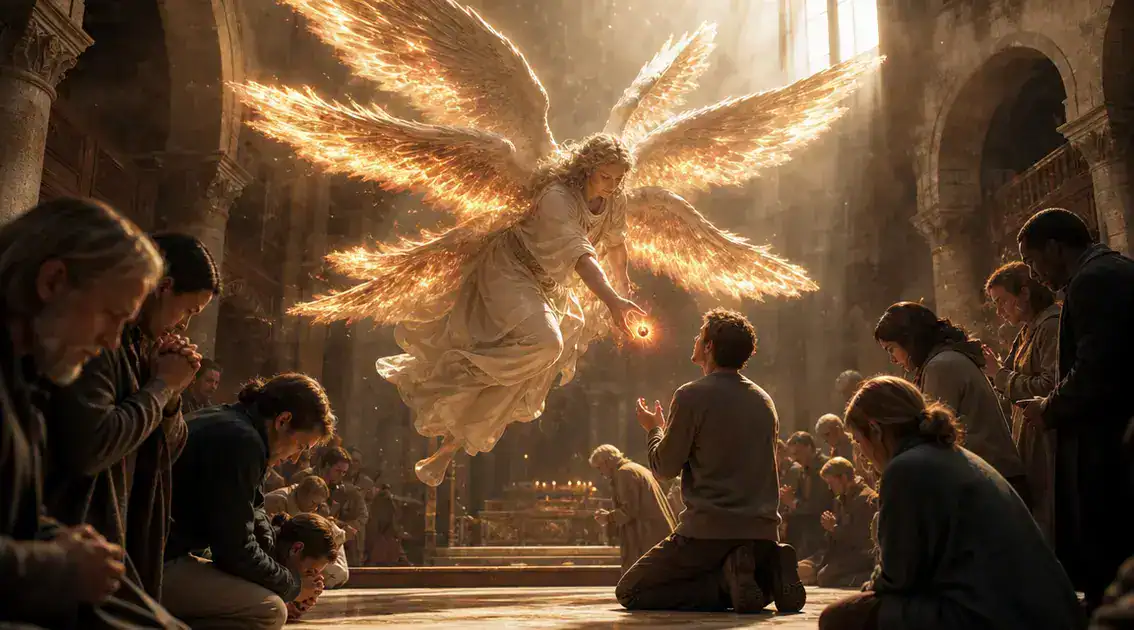
Remembering the seraphim today asks us first for a posture of quiet awe. Their triple cry of “Holy, holy, holy” still calls worshipers to notice how different God is from us, and that notice softens pride and opens the heart. When we slow down in prayer or stand in humble silence during worship, we practice the very reverence the seraphim model.
That reverence leads naturally to reform. The image of a small, glowing coal touching lips stands for gentle but real change—a cleansing coal that makes speech and action more honest and kind. People who take this image inward find themselves choosing confession, small reforms in habit, and acts of mercy that reflect a life being warmed and reshaped by grace.
Finally, the seraphim bring hope by turning awe into service. Their song does not stop at wonder; it sends us back into the world with courage to love and to heal. When a congregation carries reverence and reform together, it becomes a living echo of that heavenly praise—steady, hopeful, and ready to meet the needs of the day.
A prayer for wonder and faithful living
As we leave this moment, may the memory of the seraphim’s song—‘Holy, holy, holy’—fill our hearts with quiet awe. Let that awe soften pride and open us to God’s gentle work in ordinary days.
May the image of the glowing coal touch our lips and our choices, making our words kinder and our steps truer. May cleansing be gentle and freeing, shaping us toward mercy and honest love.
Give us courage to carry reverence into small, steady acts: a kind word, a true confession, a humble service. In these simple ways we join the song that uplifts the world and points others toward healing light.
Go in peace, kept by wonder and hope. May your heart remain open to holiness, and may that openness lead you to compassion and renewed purpose. Amen.
FAQ – Common questions about seraphim and Christian teaching
What does the Bible actually say about the seraphim?
The clearest account is Isaiah 6:1–7. Isaiah sees beings around God’s throne with six wings who cry “Holy, holy, holy,” and one touches the prophet’s lips with a coal. The passage shows them as attendants of God’s holiness and agents of purification and commissioning.
Are there other biblical texts that echo the seraphim’s worship?
Yes. Revelation 4:8 repeats the threefold cry of “Holy,” spoken by the living creatures around the throne, and other passages speak of angelic praise. While Isaiah gives the descriptive details, Revelation echoes the role of heavenly praise in the life of the church.
Should Christians worship or pray to the seraphim?
No. Scripture and classic teaching reserve worship for God alone. The seraphim model and lead praise toward God; Christians are called to join that worship, not to worship angels. Prayer should be directed to God, who may use angels as ministers of his will.
Can Christians seek encounters with seraphim or angels today?
Scripture records rare, purposeful encounters. Tradition urges caution: God may allow angelic visitation, but seeking signs for their own sake risks distraction. A healthier practice is to pray for God’s presence and protection and to let scripture, sacraments, and humility shape openness to God’s work.
What does the coal touching Isaiah’s lips teach believers now?
The coal symbolizes cleansing and commissioning (Isaiah 6:6–7). It shows that encountering God’s holiness both humbles and heals us, making us fit for service. Spiritually, it points to confession, repentance, and receiving God’s renewing touch before ministry.
How can the image of the seraphim shape my daily faith?
Let their song invite regular reverence, honest repentance, and faithful service. Practically, this can mean brief daily silence, penitential prayer, attentive worship, and acts of mercy. These small habits echo the seraphim’s praise and help make holiness a lived reality.