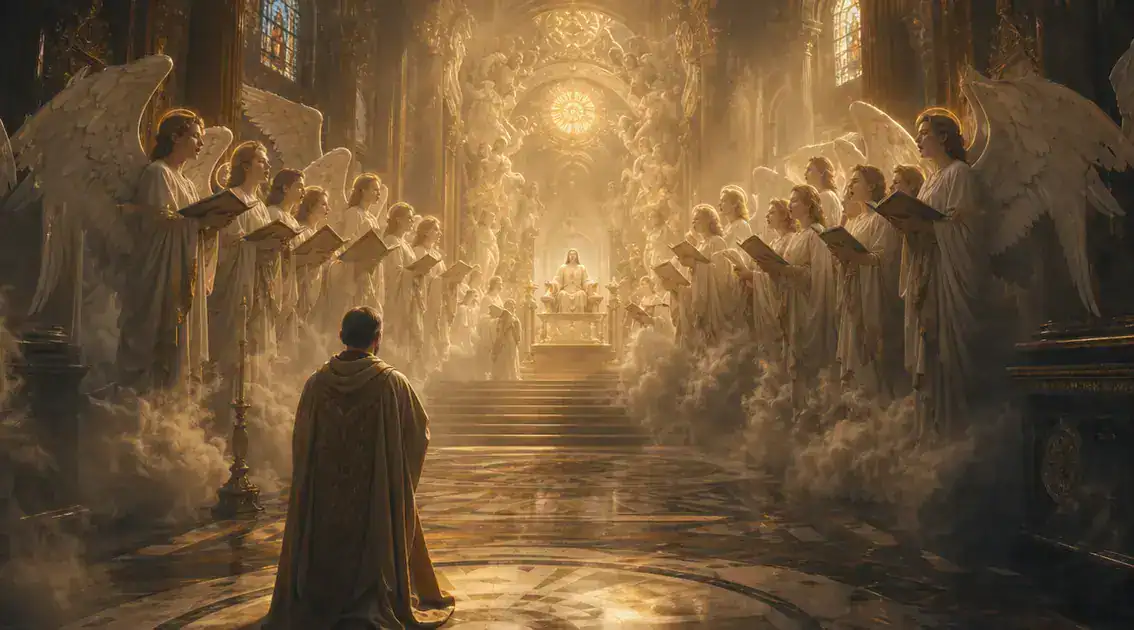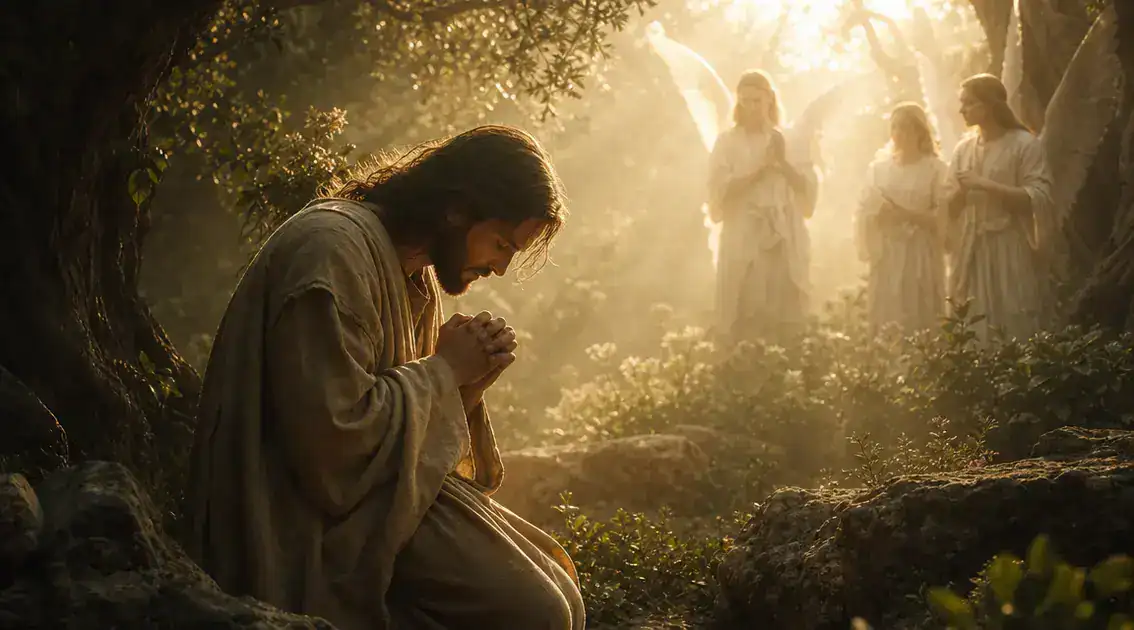

Mystics and saints visions of heaven portray a communion-centered reality where luminous light, garden imagery, and angelic praise express God’s nearness, inviting believers to grow in prayer, sacramental life, and loving service as tested by Scripture, communal discernment, and the fruit of humility and charity.
Have you ever wondered what a glimpse of paradise feels like? mystics and saints visions of heaven; often arrive as light, music, or a remembered love — small, intimate signs that invite quiet attention and deepen our longing.
Visions recorded in Scripture and early church testimony
Scripture holds vivid accounts of heavenly encounter that read like sacred visions. Prophets such as Isaiah and Ezekiel describe thrones, living creatures, and brilliant light that center on the presence of God. In Revelation, John paints scenes of a city, countless angels, and a worship that never ends. These images are not just strange pictures; they aim to show us God’s nearness and the shape of divine praise in ways words alone cannot.
Early Christians received and echoed these scriptural sights in their own testimonies. Church fathers and martyrs spoke of dreams and visions that confirmed God’s mercy or strengthened them in trial. Their short accounts often mirror the biblical language of light, song, and communal joy, suggesting a shared way the Spirit uses images to teach and console. For believers then and now, such stories were not merely private wonders but signs that God still meets and guides his people.
These combined testimonies invite a simple spiritual practice: to read Scripture and listen for heaven’s echoes in daily life. Liturgical prayers, hymns, and the sacraments repeat the biblical images so worshipers can taste that same praise. Holding these visions with humility helps us let sacred imagery shape our longing for God, guiding prayer toward a steady, hopeful attention to the presence already among us.
Mystics’ symbolic language: light, gardens, and music
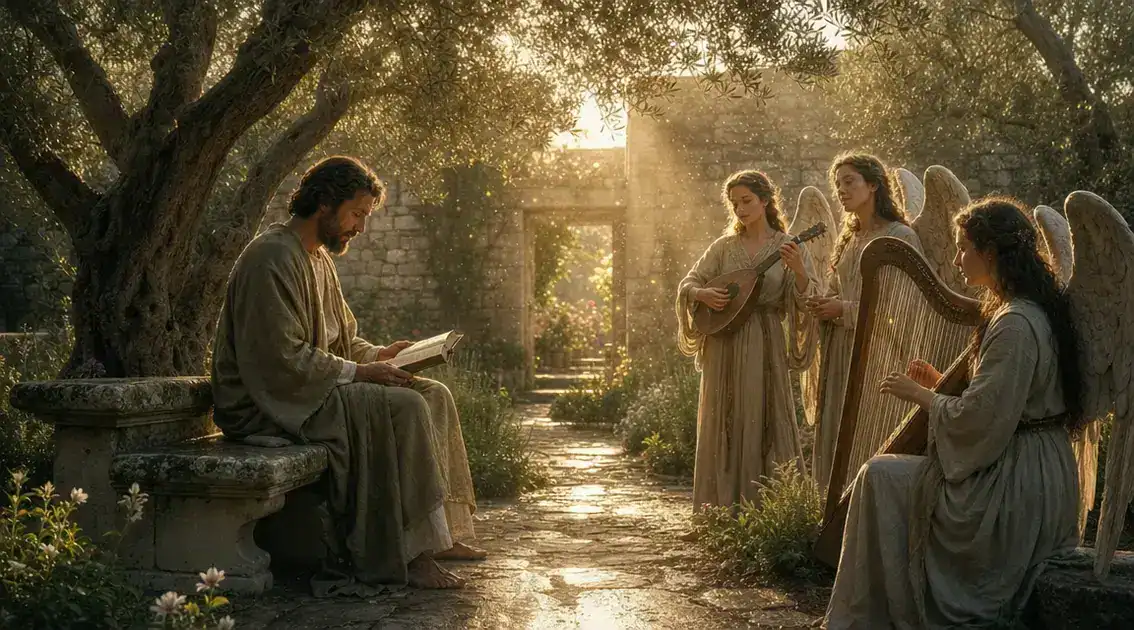
Mystics often name light first when they try to speak of heaven. They describe a gentle brilliance that does not glare but reveals, warming the face and clearing the heart. This light points to God’s illuminating presence, the same presence that prophets and psalmists likened to daybreak and dwelling; it invites the soul to stand in truth and love rather than to wonder at mere brightness.
Alongside light, the image of a garden returns in many accounts. Gardens hold quiet life—trees, flowers, fruit, and a calm path where one can walk and rest. For mystics, the garden echoes Eden and the Song of Songs, but it also becomes a living place of healing and meeting. Walking there is not about hiding from the world, but about being rooted, fed, and strengthened for service and prayer.
Music threads these visions together like a steady breath. Psalm-singing and angelic praise appear again and again, not as performance but as communion. The sound shapes attention, orders sorrow into hope, and makes room for awe. When mystics hear that music, they say it helps the heart remember God’s faithfulness and draws every part of life toward worship.
Notable saints and their accounts: Teresa of Avila, John of the Cross
Teresa of Avila wrote about heaven and prayer as a slow journey inward, where each room in her famous Interior Castle brings a deeper sense of God’s presence. She described moments of bright, tender light and feelings of being held by Christ. Those images were never meant to dazzle for their own sake; they called believers to humility, steady prayer, and a trust that God meets us in the heart’s quiet places.
John of the Cross gave us a different, but fitting, picture: the “dark night” that lets the soul let go of clinging and find union with God. His poems speak of a small, steady flame and a deep night that cleanses the senses so the spirit can rest in silence. For him, loss and emptiness were not punishments but a passage toward a simple, living encounter with God.
Read together, their accounts form a gentle rule for prayer: Teresa’s warm interiors teach us to grow toward intimacy, while John’s dark nights teach us to release what blocks that intimacy. Both saints point to a faith lived slowly—through patient prayer, helpful discipline, and the quiet work of love. Their stories remind us that visions are not an end but a guide that shapes how we pray and live each day.
Theological interpretations: heaven as communion, not escape
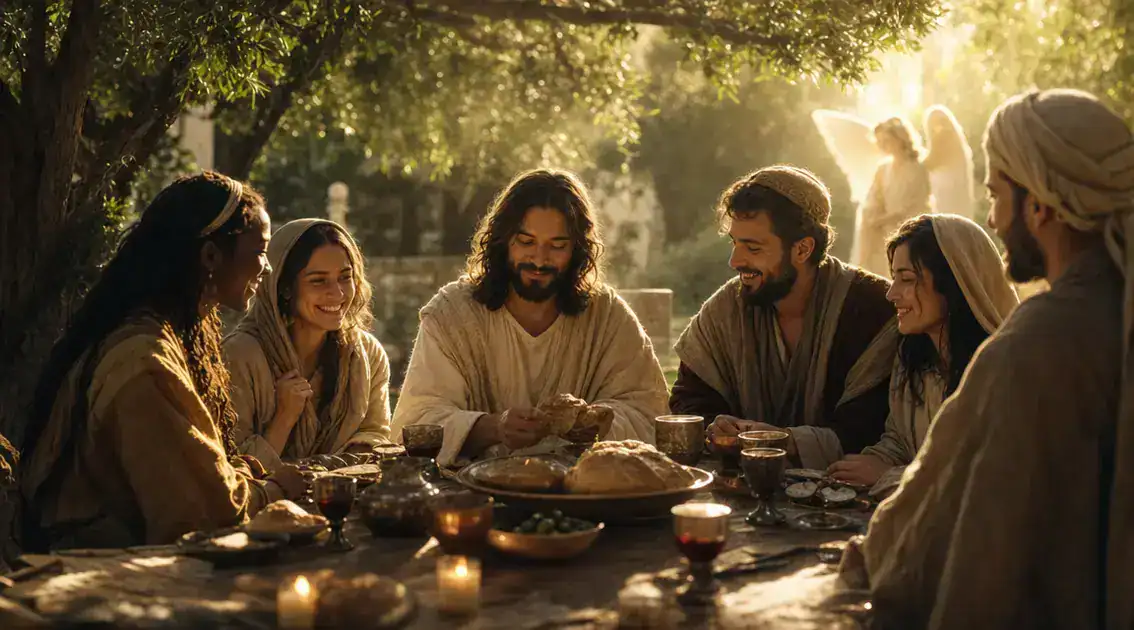
Mystics’ visions often remind us that heaven is a meeting, not a hiding place. Rather than offering escape, these images show a deep, shared presence with God and with others. This idea—that eternal life is chiefly about relationship—changes how we read bright visions of light, gardens, and praise.
The Bible supports this view with simple, human images: a table, a wedding feast, a home where God dwells among the people. John writes of God living with us, and the psalms sing of dwelling in the Lord’s house. These texts point to heaven as communion—a joining of hearts and wills around love, mercy, and worship.
When visions teach communion, they also shape our daily faith. Prayer becomes practice for loving well, and worship trains us to welcome the neighbor. Rather than withdrawing, believers are invited to bring heaven’s way into ordinary life through kindness, justice, and steady presence. The sacred promise is then both future hope and a present call to live as if God already walks with us.
How these visions shape prayer and spiritual practice today
When mystics speak of visions, they usually mean simple images that shape how we pray. These sights and sounds give the heart a language to return to in quiet moments. Slow practices like reading a short scripture passage slowly or sitting in silence take their color from those visions and help us meet God in steady, gentle ways.
Many people hold that attention with familiar signs: a hymn that lifts the mind, a small icon or a single line of scripture, or a short breath prayer repeated in the day. Practices such as lectio divina, the sacramental rhythm of the church, and times of silence help the imagination rest in God’s presence. Over time, these habits turn a remembered image into acts of mercy, patience, and service.
At the same time, the spiritual life needs wise care and testing. Not every inner picture calls for bold action; true fruit shows itself in love, humility, and lasting peace. Let Scripture, community, and a trusted guide shape how visions inform your life, and let discernment and faithfulness lead, so visions become a steady guide rather than a chasing of wonder.
May the taste of heaven guide your steps
As we close, may the soft images given to saints and mystics linger in your heart like a warm light. Let these visions remind you that God’s presence is near, gentle, and real in small moments.
May the memory of gardens, music, and light teach you to pray simply and to love plainly. Let them shape how you treat others and how you rest in hard times.
May your prayer grow steady: a few quiet breaths, a short line of scripture, a song that lifts your mind. In those small practices, heaven’s way finds a home in daily life.
Go with peace, with wonder, and with a patient heart. May your days reflect the love you have glimpsed, and may you meet others with the same grace you have received.
FAQ – Visions of heaven: common questions from seekers
Are visions of heaven found in the Bible or only in later saints’ writings?
Biblical writers record many heavenly visions (see Isaiah 6, Ezekiel 1, Revelation 4–5). Early Christians and church fathers then handed on similar experiences, so the tradition draws from both Scripture and the lived witness of the saints.
How can I tell if an inner vision is from God or from my imagination?
The New Testament urges testing spirits (1 John 4:1). Check any vision against Scripture, look for the fruit of the Spirit (love, peace, humility in Galatians 5:22–23), and seek the counsel of a trusted spiritual director or faith community before acting on it.
Do mystical visions mean a person is holier than others?
Not necessarily. Visions are gifts, not proofs of greater worth. Saints like Teresa of Avila and John of the Cross warn that true holiness shows itself in love, service, and humility rather than in extraordinary experiences.
Why do many visions use images of light, gardens, and music?
Those images come from the Bible and the heart’s language for God: light for God’s presence (psalms and prophets), gardens for rest and Edenic life (Song of Songs, Genesis), and music for unending praise (Revelation, the psalms). They help the imagination grasp deep truths about God and soul-formation.
Can ordinary Christians hope to experience a vision like the saints?
God gives spiritual gifts freely (1 Corinthians 12:11), but extraordinary visions are not common or necessary for a faithful life. Ordinary believers are invited to steady practices—prayer, scripture reading, the sacraments—that open the heart to God’s grace whether or not dramatic sights occur.
How should these visions shape my daily prayer and service?
Let the visions inspire concrete habits: short daily prayer, lectio divina, Eucharist, and acts of mercy. When visions lead to greater love, patience, and care for others, they are rightly integrated into a life of faithful service (see Matthew 25 as a guide).