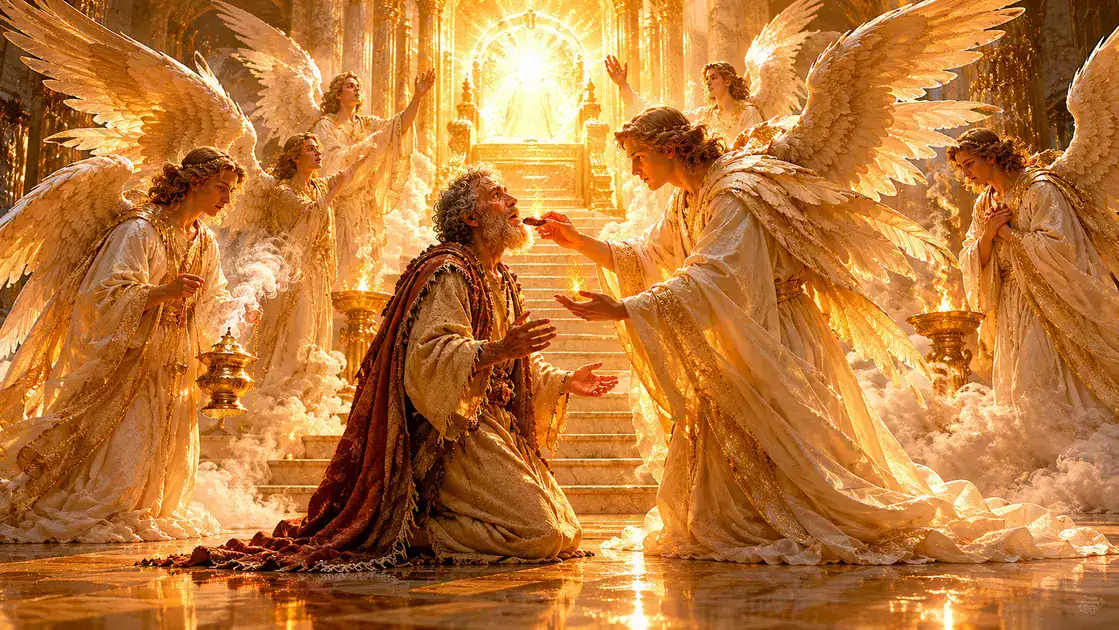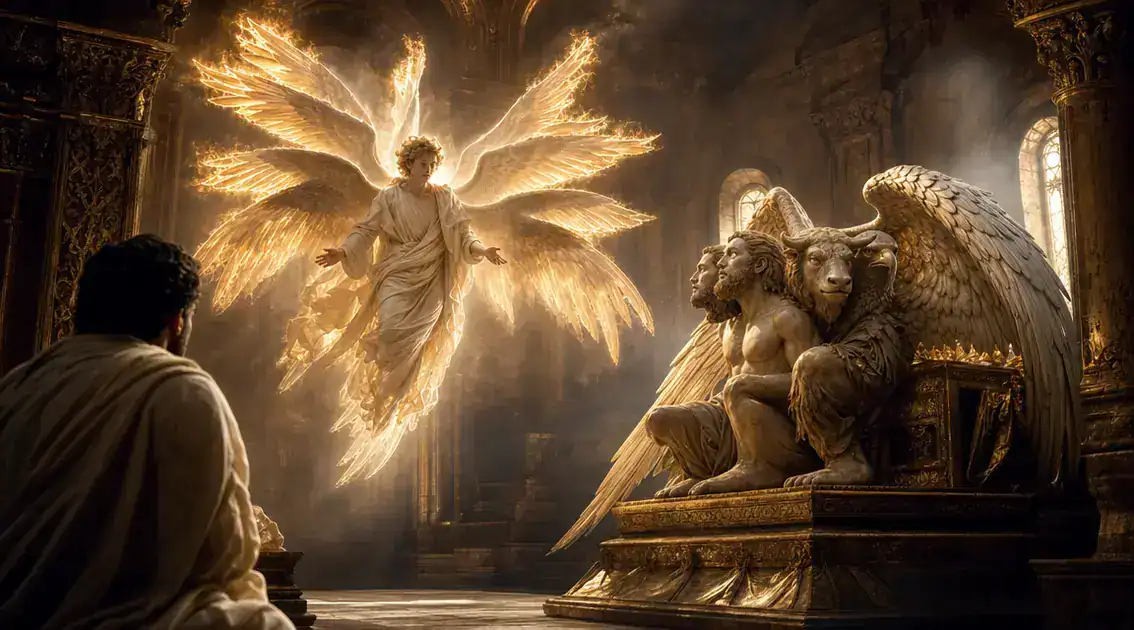

Seraphim, called the flames of God’s love in Scripture and tradition, are heavenly beings portrayed as six-winged attendants around the divine throne whose burning imagery signifies God’s purifying, illuminating, and commissioning presence that cleanses sin, readies speech for prophecy, and draws souls into deeper worship and loving service.
Have you ever stood before a passage that felt like a flash of light? seraphim flames of God’s love appear in Scripture as both mystery and invitation—an image that asks us to listen, to be purified, and to move closer to the heart of God.
What the word seraphim means in Scripture
The Hebrew root behind the name is saraph, which means “to burn,” so the plural word often reads as “burning ones”. In Scripture this fiery language appears in different settings — sometimes as danger, as with the fiery serpents, and sometimes as a sign of God’s holy presence. This variety shows that the image of fire in the Bible can hold both judgment and healing, depending on how God brings it to bear.
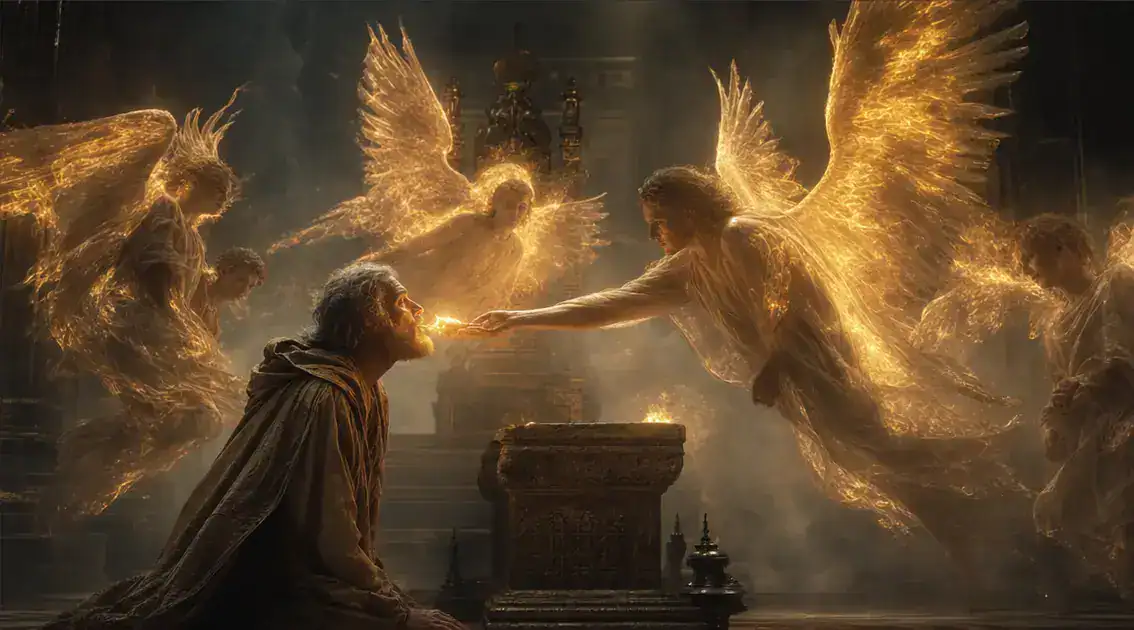
The clearest picture comes in Isaiah’s vision, where the seraphim stand around the throne with six wings and cry out God’s holiness. One seraph takes a live coal from the altar and touches Isaiah’s lips, saying his sin is taken away; that touch links the image of fire to purification and calling. The scene does not leave us with smoke and fear alone, but with an act that readies a prophet for speech and service.
Seen devoutly, the word seraphim points us to a loving, refining presence rather than mere spectacle. The burning is meant to cleanse and free us to worship and speak truth, not to destroy for its own sake. Let that image invite you to welcome a gentle burning of what holds you back, trusting that the same flame that purifies also draws you closer into God’s life.
Isaiah’s vision: seraphim surrounding the heavenly throne
In Isaiah’s vision the temple is filled with smoke and a throne stands high and bright. Around that throne hover the seraphim, each with six wings—two to cover the face, two to cover the feet, and two to fly. Their movement and voice shape the room, and their presence makes the holiness of God feel close and alive rather than distant.
As they call out “Holy, holy, holy”, the sound presses into the prophet’s heart and he confesses, “Woe is me; I am a man of unclean lips.” One seraph takes a live coal from the altar and touches Isaiah’s mouth, and the coal cleanses his guilt. That touch links the fiery image to a real act of purification and commissioning, not simply a dramatic sign.
This scene shows how God’s holiness both reveals human fault and offers healing. The seraphim are not only heralds of awe but agents of a refining love that readies a person for service. Let that image stay with you: the flame that exposes is also the flame that frees and sends.
Why fire becomes the image of God’s burning love
Fire appears often in the Bible. It guides, it reveals, it names God’s presence. The pillar of fire led Israel by night, and the bush burned without being destroyed. These images show that fire in Scripture is not only danger; it is a sign that something holy is near.
In Isaiah a seraph touches a coal to the prophet’s lips and says his guilt is taken away. That brief act shows the fire’s work: purification that frees for service. Metal is refined by flame, and the same image helps us see how hearts are made ready. The burning removes what hides true speech and love so that they may shine more clearly.
To call God’s love a burning flame holds both warmth and awe. The fire invites gentle surrender rather than reckless risk, asking us to step closer and be changed. In quiet prayer we can let that flame touch what weighs our heart, trusting the same heat that heals will also send us out to love more fully.
Patristic and medieval interpretations of seraphic fire

The early church read Isaiah with a devotional ear. Writers like Pseudo-Dionysius placed the seraphim closest to God, seeing their burning as an expression of divine love that both praises and draws the soul upward. Other fathers spoke of the flame as cleansing; the fire that touches the prophet’s lips becomes a way to name how God removes what blocks right speech and true worship.
In the medieval period that language deepened in both theology and prayer. Scholastic thinkers treated the seraphim within the angelic hierarchy, often linking their name to the primacy of charity and knowledge of God, while mystics such as Hildegard and Bernard leaned into the felt experience of a purifying, warming flame. For them the image moved from idea to encounter: the seraphic fire expressed the inward work of God that softens, heals, and unites a soul in contemplation.
These patristic and medieval streams shaped how Christians prayed, painted, and sang about the seraphim for centuries. In liturgy and art the burning motif became a gentle call to conversion rather than a threat, inviting believers to be refined by love and sent into service. Hold that heritage as an invitation: the same flame that reveals our limits also kindles our true devotion and equips us to love more deeply.
Seraphim in liturgy, hymnody, and sacred art
In many churches the image of the seraphim lives first in the words we speak and sing. The Sanctus — “Holy, holy, holy” — echoes Isaiah’s vision and places those burning ones at the center of worship. As incense rises and people bow, that ancient cry makes God’s otherness and closeness felt together, and the seraphim’s praise becomes the congregation’s own act of awe.
Music and hymnody shape how that image is felt in the body. From plainchant to rich polyphony and contemporary hymns, composers have used seraphic language to lift voices and steady the heart. Singing these texts helps worship move from thought into feeling, so that the idea of a refining flame becomes something we sense in breath, posture, and communal sound rather than only in an idea.
Visual art then holds the song and word in color and light. Mosaics, icons, stained glass, and altar paintings show seraphim as living flames, winged faces, or rings of radiant light above the altar, while candles and incense make the scene touchable. Together—text, music, and image—these forms invite worshippers into a brief encounter with heaven, where praise purifies and sends the heart outward in loving service.
How seraphic symbolism shapes personal prayer and devotion
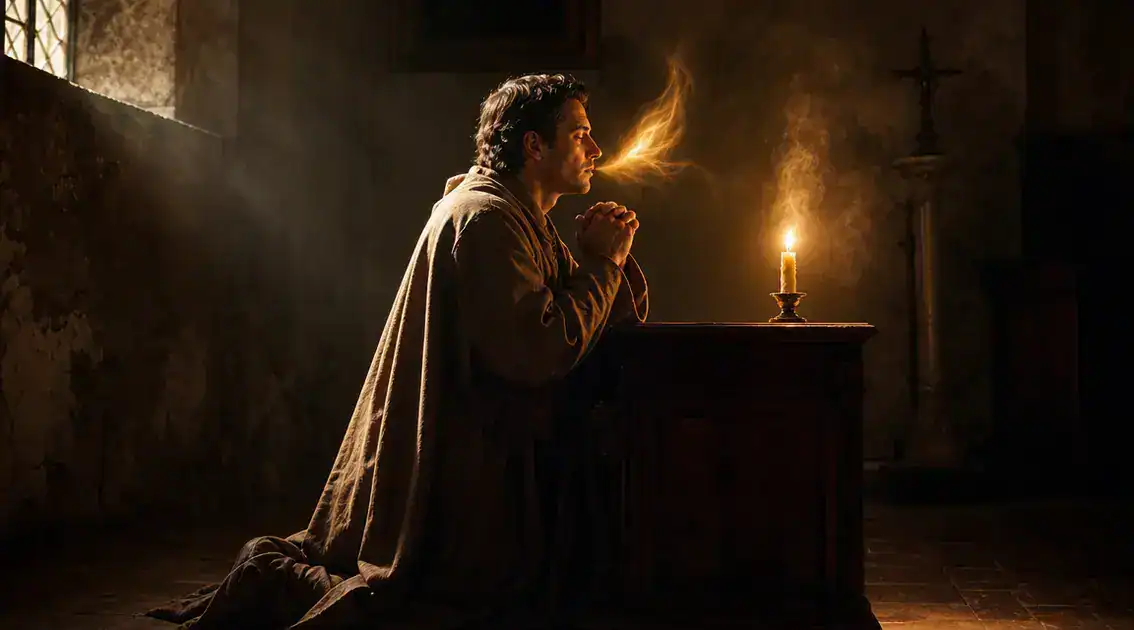
Many believers carry the image of the seraphim into their quiet moments of prayer. The cry of “Holy, holy, holy” and the vision of a coal touching Isaiah’s lips give a simple picture: God’s presence is both near and purifying. That image helps make prayer feel like an honest meeting with a loving, refining presence rather than a task to perform.
In private devotion the seraphic flame can guide breath and attention. Light a candle, breathe slowly, and let the idea of a warm coal clear the knot of fear or false words. This gentle image works as a kind of inner sacrament, helping you speak truth and receive grace, a quiet form of purification that readies the heart for worship and service.
Try a short, steady practice: pause before you pray or speak, imagine the light touching what holds you back, and ask for what needs to be healed. Let that warmth shape your intentions and send you outward in small acts of care. Over time those simple movements—breath, image, and service—become a way of living prayer, showing how the flame that refines also makes us sent into love.
Encountering divine fire: spiritual practices, discernment, and caution
Many who meet the image of divine fire do so in a quiet moment of prayer. The memory of a coal touching Isaiah’s lips helps us imagine a warmth that cleanses and frees speech. That sense of fire is gentle and decisive at once: it removes what hides our truest words so we can speak with honesty and love.
To welcome that work well we need simple practices of prayer and discernment. Read a short passage of Scripture, sit in silence, breathe slowly, and notice what the heart feels. Share what you experience with a trusted friend or spiritual director and test it against scripture and the life of the community. These steps keep the flame from becoming a private spectacle and help it become a real source of growth.
We also name caution without fear. Avoid chasing dramatic signs or letting pride shape what you seek. If an experience leads to division, fear, or self-exaltation, bring it back to scripture, prayer, and wise counsel. When held with humility, the same flame that refines also sends us outward in small acts of service, turning inner purification into love for others.
A closing prayer
We have walked through a small corner of heaven’s image and felt its warmth. May this gentle vision of seraphim and flame stay with you as a quiet companion in your daily life.
May the purifying flame of God’s love touch what holds you back and free your speech, your hands, and your heart for service. Let that burning be a tender work, not a harsh force, shaping you into greater care for others.
Practice small acts: a moment of stillness, a short prayer, a kind word, a helpful hand. These simple steps let the inward work become outward love and make worship a lived habit rather than a fleeting feeling.
Go forth in peace, warmed by wonder and sent in love. Carry this flame with humility and joy, and let it kindle small lights wherever you walk.
FAQ – Common questions about seraphim and God’s burning love
Who are the seraphim in the Bible?
The clearest biblical portrait appears in Isaiah 6, where seraphim stand around God’s throne with six wings. The Hebrew root saraph means “to burn,” so Scripture names them as fiery beings close to God’s holiness and praise.
Why are they called the living flames of God’s love?
The name and Isaiah’s scene link fire to God’s presence and cleansing. A seraph touches Isaiah’s lips with a live coal (Isaiah 6:6–7), showing how the flame both reveals holiness and purifies—an image later meditated on by the church as an expression of divine, refining love.
Are seraphim the same as guardian angels?
Not usually. Tradition and many biblical passages treat seraphim as high attendants around God’s throne, part of the heavenly court, while guardian angels are described as personal protectors (see Matthew 18:10). Their roles and proximity differ in Scripture and theology.
Can ordinary believers encounter seraphic fire or visions today?
Scripture and some mystics record such encounters, but they are rare. Spiritual experiences should be tested by Scripture and community (1 John 4:1). Seek wise counsel, avoid sensationalism, and measure any claim by humility, charity, and conformity to gospel truth.
How does seraphic imagery shape worship and prayer?
Isaiah’s cry of “Holy, holy, holy” became the Sanctus in Christian liturgy, bringing the seraphim’s praise into congregational worship. Hymnody, icons, and sacramental gestures use that fiery image to invite purification, reverence, and the heart’s readiness to speak and serve God.
How should I bring this image into my spiritual life without error?
Use the image as a devotional aid: brief silence, Scripture (Isaiah 6), a candle, or a prayer asking for purification and love. Never worship angels; direct prayer to God alone (Colossians 2:18 warns against angelic worship). Practice discernment with a spiritual guide and let the image move you toward charity and humble service.