Seraphim six wings meaning: In Isaiah’s vision the six wings signify a living posture before God—two cover the face in reverent awe, two cover the feet in humility and hiddenness, and two are for flight in readiness to serve—together symbolizing purification, worship, and swift ministry rooted in divine presence.
seraphim six wings meaning — have you ever paused at Isaiah’s blazing throne and felt a question rise: why six wings, and what does this tell our prayer? This short exploration invites gentle curiosity and reverence.
Scriptural appearances and the origin of seraphim
The most vivid meeting with the seraphim comes in Isaiah 6, where the prophet stands before a burning throne and hears the creatures cry, “Holy, holy, holy.” The text names them as the Hebrew image of flame, often rendered “burning ones”, and it places them closest to the divine presence, not as distant symbols but as living gestures of worship and awe.
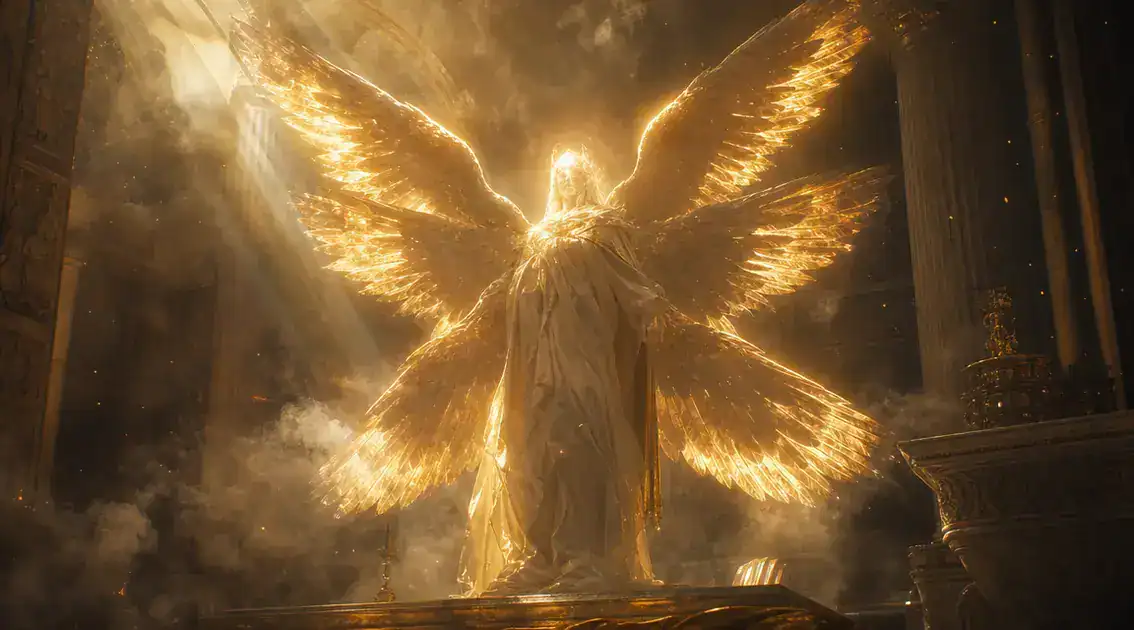
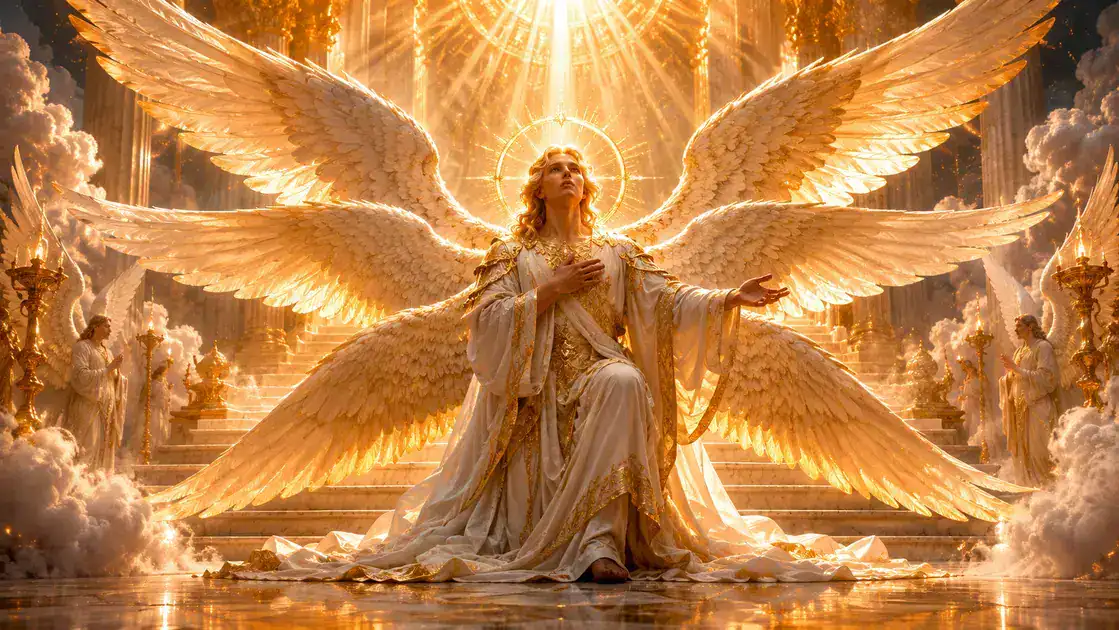
Isaiah describes each seraph with six wings, and the ancient scene gives those wings clear motion and meaning: two cover their faces in reverent awe, two cover their feet in humility and hiddenness, and two are for flight, ready to serve and move at God’s command. These simple actions form a language of devotion—shy reverence, humble service, and swift ministry—woven together into one sacred posture.
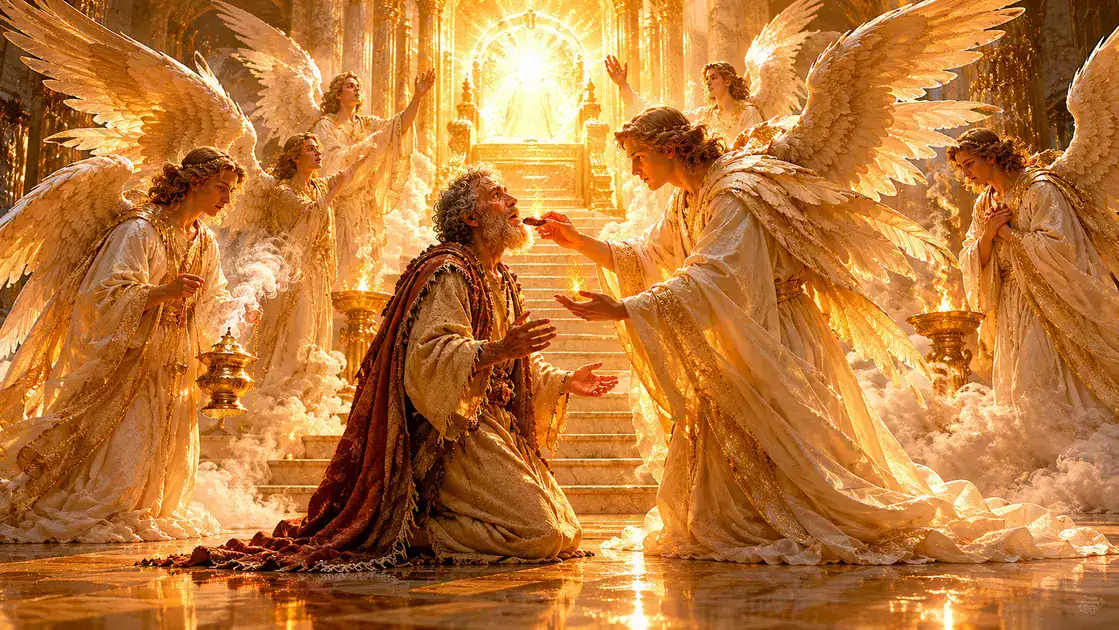
One seraph then takes a glowing coal and touches Isaiah’s lips, a small act that says much about their role: they purify and send. This touch speaks of cleansing and of God’s mercy meeting human frailty, turning sight and speech toward faithful service. For prayer and devotion, the scene reminds us to approach with awe, accept gentle purification, and rise to the work we are given, held by the holiness and mercy that surround the throne.
Literal meaning of six wings in Isaiah’s vision
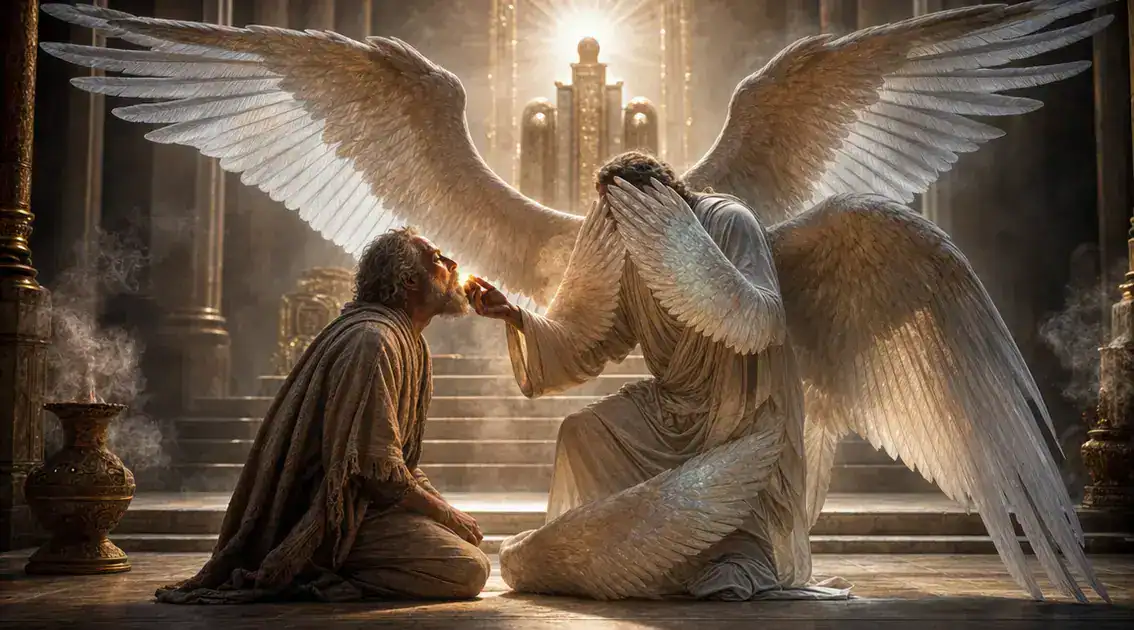
Isaiah’s vision gives a clear, almost cinematic detail: each seraph has six wings and moves around the throne calling “Holy, holy, holy.” The Hebrew root behind their name often appears as “burning ones”, which helps the scene feel alive with light and heat rather than distant myth. This literal image places the seraphim close to God’s presence, not standing at a remove but acting in direct, visible service.
The text then shows the wings in action: two cover the face, two cover the feet, and two are used for flight. Those simple gestures carry plain meaning: the wings over the face show reverent awe, shielding sight before overwhelming glory; the wings over the feet suggest humility and hiddenness before the Divine; the wings for flight mark readiness to go where God sends them. Read this way, the six wings are less decorative and more a practical language of worship and service.
When a seraph touches Isaiah’s lips with a live coal, the scene links their posture to purpose: they both purify and prepare. That touch shows how the literal actions of the wings connect to the seraphim’s role in holiness—close enough to cleanse, swift enough to carry out God’s will. The image invites us to notice how visible gestures of awe, humility, and readiness form a single living response to the sacred.
Theological interpretations across Jewish and Christian traditions
In Jewish reflection, the seraphim appear as sacred attendants who stand closest to the divine light. The Hebrew root suggests “burning ones”, and that image ties them to both the temple’s holy flame and the work of inner cleansing. Isaiah’s scene reads as a live act of worship: creatures aflame with love who both shield and serve before the throne.
Christian thinkers built on that image and gave it devotional shape. Pseudo-Dionysius and later writers place the seraphim in the highest choir, describing them as beings of love and radiant light whose very being is praise. For many Christians, the seraphim model how worship both humbles and transforms, drawing the soul into closer union with God’s presence.
Across both traditions the emphasis is not only on strange detail but on spiritual meaning: holiness requires awe, purification, and readiness to serve. The seraphim invite believers to a quiet change of heart—approaching with reverence, accepting cleansing, and rising to faithful action. In prayer, liturgy, and iconography they remain a steady call to the work of sanctifying love that brings worshippers nearer to the source of light.
Symbolic layers: holiness, service, and transcendence
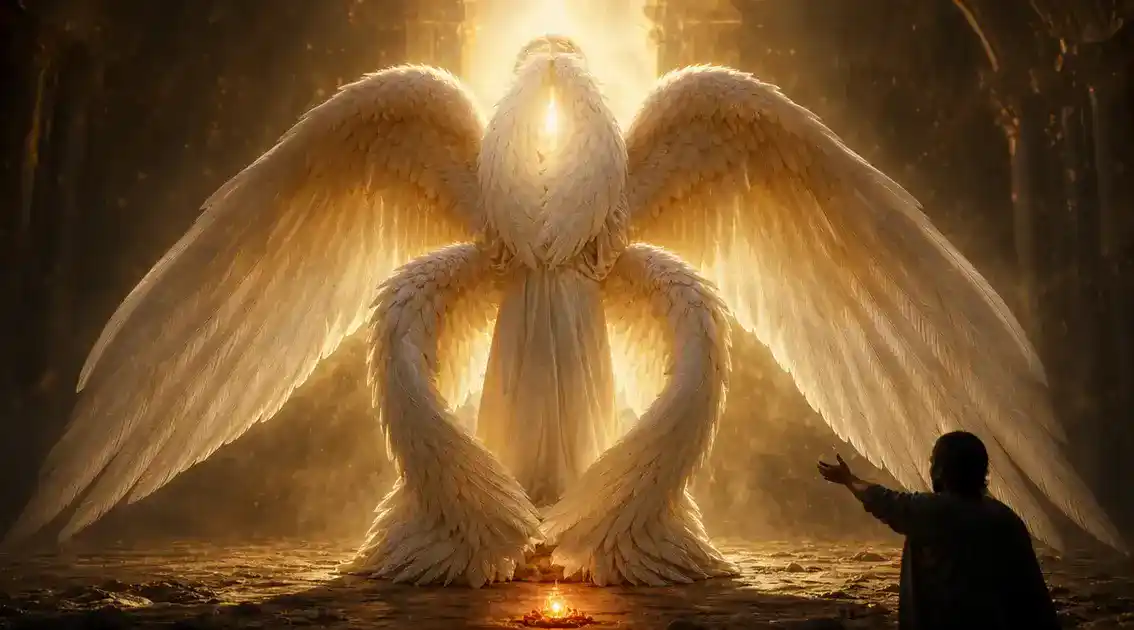
The six wings of the seraphim can be read as a short, clear prayer in motion: two for holiness, two for service, and two for transcendence. The pair that covers the face points us to awe before God, a posture that says some light is too bright to behold. The pair that shields the feet speaks of hiddenness and humble care, while the pair that readies for flight shows a swift readiness to act and carry God’s will beyond the throne.
When we think of holiness, we remember that awe is not cold distance but a warm, trembling closeness to the sacred. The seraphim stand so near the flame of God that their very being seems lit from within, and their gestures guard that fire. This closeness also invites transformation, as when the coal touched Isaiah’s lips; holiness in this sense heals and sets our speech and heart right for service.
Service and transcendence move together rather than oppose each other: humble care for the ground makes possible the bold movement into the world. The wings over the feet teach quiet fidelity—small acts done without show—while the wings for flight teach swift compassion and mission. Taken as a whole, the six wings form a single sacred posture for worship and life: awe that heals, humility that serves, and motion that brings heaven’s light into ordinary days.
Liturgical and artistic portrayals through the centuries
Artists and worshipers have carried Isaiah’s vision into stone, glass, and paint so that the text becomes visible in worship. Early Byzantine icons and mosaic floors place the seraphim near the throne, their six wings shown as a living sign of praise and closeness to God. These images were not only decoration but a way for communities to meet the sacred story during prayer.
Through the medieval and Renaissance ages, painters and sculptors gave the seraphim human warmth and clear gestures: two wings over the face, two over the feet, two for motion. Altarpieces, frescoes, and carved choirs often used light and color to suggest the inner flame of holiness and the moment of purification from Isaiah 6. The visual choices teach the faithful to feel awe, receive cleansing, and move outward in service.
In modern churches and chapels the theme returns in stained glass, carved reredos, and contemporary murals that echo older forms. Liturgical music, incense, and the arrangement of space work with images to form a single devotional experience where the motif of six wings still calls worshipers to awe, humility, and swift compassion. Seeing these artistic layers together helps the viewer enter the same posture of reverence that the ancient texts describe.
What six wings teach our prayer and spiritual life
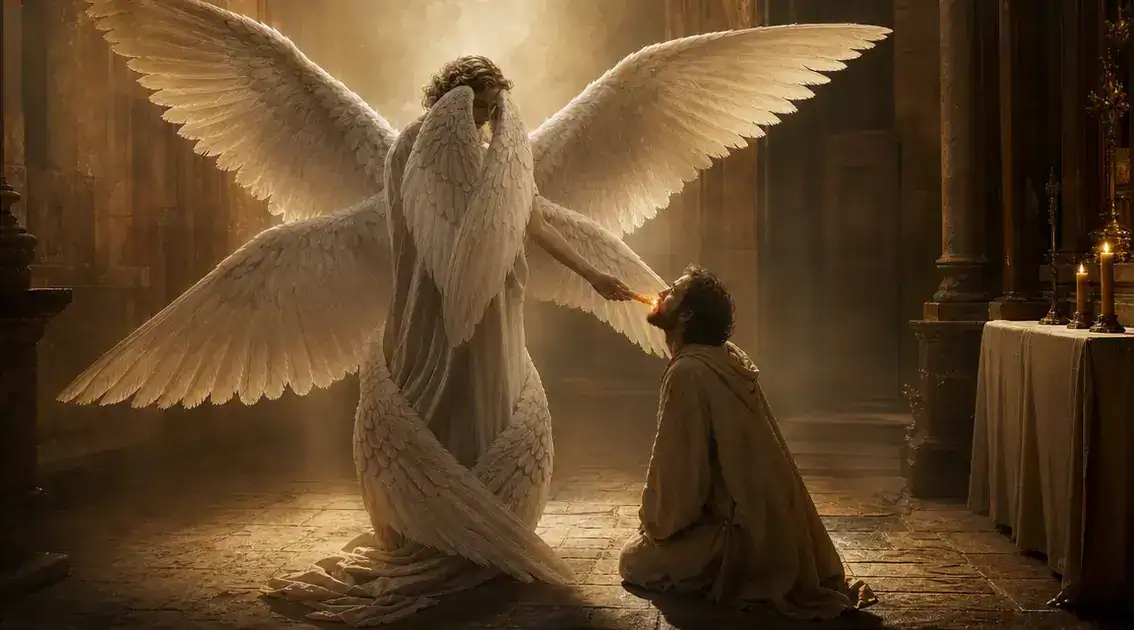
In Isaiah 6 the seraphim move with purpose: each of their six wings speaks a simple truth. Two wings cover the face in awe, two cover the feet in humility, and two are for flight in readiness to serve. That picture is not decoration but a lived posture of worship that asks us to notice how reverence, lowliness, and action belong together.
When we bring that posture into prayer, the meanings become practical. Covering the face invites a time of silent adoration and listening, where words fall away and we simply hold God’s holiness before us. Covering the feet asks for honest humility: naming faults, receiving mercy, and letting our smallness be tended. Wings for flight move us outward—prayer that turns into service, a readiness to act with compassion after we have been shaped by awe and cleansing.
Simple practices to embody the seraphim
Try a short rhythm: begin with one minute of silence to rest in awe, follow with a brief examen for humility—name one thing you seek to be healed of—and finish by choosing one small act of service you can do that day. Use a quiet breath, a single candle, or a repeated phrase like “Holy, holy, holy” to hold the heart steady. These small steps help the three gestures of the wings become a steady habit: awe that softens, humility that heals, and motion that carries God’s light into the world.
Personal encounters and contemplative practices inspired by seraphim
Many believers experience the seraphim not as dramatic visions but as a quiet presence during prayer. Isaiah 6 places them near the throne and even shows a coal touching the prophet’s lips, a small act that changes speech and heart. That image often comes to people as warmth, a hush, or a clear nudge toward tenderness and service.
Try a simple threefold practice
Begin with one minute of stillness to sit in awe, imagining two wings covering a face and breathing slowly. Move next into a brief examen: name one fault or fear while picturing two wings over the feet, an image of humility and receiving mercy. Finish by choosing one small act of kindness and picture two wings opening for flight, that readiness for service that sends prayer into the world.
Keep the practice small and kind to yourself: light a candle, use a single breath, or repeat the phrase Holy, holy, holy to steady your heart. Over days and weeks, these simple steps help worship shape daily life so that awe softens us, humility heals us, and readiness moves us toward care. The seraphim’s six wings then become a gentle map for prayer that both receives grace and shares it.
A gentle closing prayer
May the vision of the seraphim and their six wings remain with you as a quiet guide. Let that image bring calm to your mind and warmth to your heart.
May two wings teach you awe that rests in silence, two wings teach you humility that heals, and two wings send you in gentle service. May these simple lessons shape your prayers and your days.
Carry this small practice into life: a moment of stillness, an honest word, and one kind deed. In that way worship becomes living work and the sacred stays near.
Go forward with peace, wonder, and a ready heart. Amen.
FAQ – Common questions about seraphim, six wings, and sacred meaning
Who are the seraphim in Scripture?
The seraphim appear most clearly in Isaiah 6:1–7 as beings around God’s throne called by a Hebrew term that suggests flame, often translated “burning ones.” They function as the closest attendants to the divine presence, and in Isaiah’s vision their actions model worship, purification, and mission.
Why do the seraphim have six wings?
Isaiah describes three pairs of wings with distinct gestures: two cover the face (a posture of awe), two cover the feet (a sign of humility), and two are for flight (readiness to serve). The six wings form a single liturgical posture that teaches reverence, cleansing, and swift ministry.
Are seraphim mentioned outside Isaiah or only in Jewish tradition?
Isaiah is the primary biblical scene, but the image was developed in later Jewish liturgy and Christian reflection. Jewish prayer and medieval commentators read the seraphim as attendants of the holy flame, while Christian writers such as Pseudo‑Dionysius place them in the highest choir as symbols of burning love and continual praise.
Can a human truly encounter a seraph, like Isaiah did?
Scripture presents such encounters as rare and formative events initiated by God rather than experiences humans summon. Isaiah’s meeting centers on vocation and purification; the biblical pattern therefore invites humility and openness to God’s grace instead of a quest for visionary experiences.
How should the six‑wing image shape prayer and worship today?
Use it as a simple map: begin with silence to cultivate awe, move into honest confession or examen for humility, and conclude by naming one concrete act of service. Liturgical echoes—singing “Holy, holy, holy,” moments of silence, and the idea of purification—help the image become a lived rhythm rather than mere ornament.
Are seraphim described as angels of fire, and what does that mean spiritually?
The Hebrew root suggests burning or flame, conveying purity and zeal rather than literal destructive fire. Spiritually, the image of flame points to God’s refining love that purifies speech and life, as pictured when a seraph’s coal touches Isaiah’s lips to prepare him for mission.