

Novena to the virtues angels is a nine-day devotional prayer that calls upon angelic examples and Scripture to form courage, wisdom, obedience, humility, purity, prudence, charity, hope, and patience, guiding believers in crisis to steady judgment, steadfast prayer, and practical acts of faith rooted in biblical passages and the Church’s devotional tradition.
novena to the virtues angels — have you ever felt a sudden hush in the heart, the way a psalmist cries out at night? This nine-day prayer guides you through Scripture, angelic virtues, and simple practices to receive courage, wisdom, and consolation in times of need.
Biblical roots of angelic virtues
From the first pages of Scripture, angels enter as near, faithful figures who bring God’s will into human life. They appear not as distant myths but as messengers of God, sent to guide, warn, and console. Their simple, attentive acts—arriving at a doorway, speaking a single word, standing guard through the night—teach that holiness often looks like faithful presence rather than spectacle.
Scripture gives many clear moments that shape this truth: angels visit Abraham and Sarah with promises that change a family’s destiny; Psalm 91 comforts the fearful with the promise that God will command his angels to guard you; Daniel receives insight through an angel’s explanation, and Gabriel brings courage and clarity to Mary in Luke. These stories show angelic virtues lived out in concrete ways—courage, wisdom, obedience, and humility—each virtue tied to mercy and service.
As a result, these biblical roots become a warm, practical guide for prayer. The angelic example invites us to practice steady obedience, to seek clear wisdom, and to trust in protection when crises come. A novena that calls on these virtues asks not for signs or wonders, but for the same faithful spirit that moves angels: readiness to serve, courage in the face of fear, and quiet hope in the midst of trial.
The nine virtues: a scriptural mapping

To trace the nine virtues in Scripture is to walk with the angels through familiar scenes of faith. These virtues are simple habits of the heart that show up in small acts and bold moments alike. As you read them, notice how the Bible treats virtue as a way of life rather than a single feeling.
We find courage in Psalm 27:1 where the Lord is our light and strength, and wisdom in James 1:5 where God gives insight to those who ask. Obedience appears in Luke 1:38 as Mary answers, “Let it be,” and humility is shown in Philippians 2:5–8 in the way Christ emptied himself. The call to inner purity rings out in Matthew 5:8, where a clean heart sees God. Each verse points to a lived response rather than a theory about angels.
Alongside those, Scripture also roots prudence (discernment) in Proverbs and guides our steps through thoughtful choice, while charity or love is the heart of 1 Corinthians 13. Hope shines in Romans 15:13 as a steady trust in God’s gifts, and patience or perseverance is taught in James 1:12 as a tested faith that endures. Let these passages be your map: read one a day, meditate on the short phrase, and ask for the angelic quality to grow in your own life as you pray the novena.
Angels as models of courage, prudence, and hope
Angels teach us courage by arriving in moments that feel fragile and uncertain. In Scripture an angel often appears at a bedside, a doorway, or a tomb, speaking a single, steady word that changes how people move forward. This shows that courage is not loud bravado but a calm readiness to act when fear presses close.
From that steady courage, they also model prudence by offering measured guidance and clear direction. Angels in Daniel and in Joseph’s dreams do not rush; they explain, point, and give careful steps to follow, helping hearts choose wisely. Practicing this prudence in daily life means learning to listen slowly in prayer and to test small promptings before we act.
Together these virtues open the way to hope, which angels carry as a living message. The annunciation and the dawn at the tomb show how an angel’s word can lift a soul from despair into trust. When you pray the novena, invite that same hope—a gentle, steady light that steadies the heart and keeps you moving forward in faith rather than chasing signs.
How the novena shapes prayer in moments of crisis
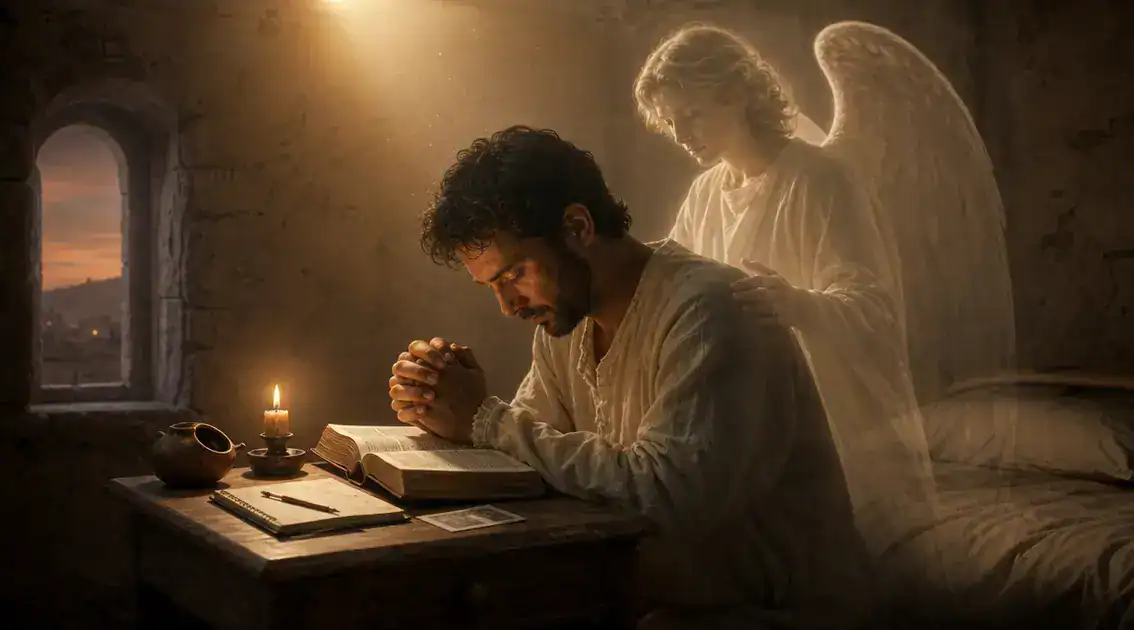
A novena gives shape to prayer when life feels chaotic by setting a steady rhythm of nine simple days. Each day offers a brief focus that turns scattered worry into a practiced offering, so the heart can move from frantic seeking to quiet, faithful waiting. As you pray, the novena names the angelic virtues—courage, wisdom, and hope—and asks for them in small, repeatable ways that build trust rather than demand immediate signs.
The structure is practical: a short Scripture reading, a focused petition, a moment of silence, and a closing prayer. This repetition trains the will to listen and choose well, helping you practice prudence and humble obedience in decisions that feel urgent. Over time the novena’s steady pattern teaches you to test promptings, weigh options in prayer, and respond with clearer judgment instead of hurried fear.
In the midst of crisis the daily practice also cultivates patience and a quiet, sustained trust that carries you through the next hour and the next day. Simple habits—lighting a candle, writing a one-line intention, or noting a small consolation—anchor memory and hope so that prayer becomes both shelter and action. The novena does not promise instant change, but it reshapes the heart so you meet struggle with a calmer spirit and an openness to the angelic virtues you have been asking for.
Liturgical and theological perspectives on angelic virtue
In many worship traditions angels are woven into the rhythm of the liturgy, not as distant beings but as partners in praise. You hear this in the ancient hymn of the Sanctus, where heaven’s song meets our voice, and in feast days that honor archangels and guardian care. These moments invite the faithful to remember that liturgy gathers far more than people; it summons a wider, holy assembly to lift prayer together.
Theology helps us name what the liturgy shows: angels embody virtues we are called to share. They are often described as models of obedience, praise, and perfect attention to God, which points us toward a life shaped by listening and service. While angels worship God alone, their example becomes a guiding light for human virtue, helping us see how small acts—silence, faithful duty, humble praise—grow into steady holiness.
For devotional life, this liturgical and theological witness matters deeply. Prayers like a novena draw on the Church’s memory and ask for angelic qualities to be formed in us, not to replace sacrament or responsibility but to deepen them. By joining liturgical images, theological insight, and simple daily practice, the novena becomes a way to learn the angels’ habits of heart: attentive prayer, faithful service, and quiet hope in God’s care.
Practical daily prayers and meditations for each virtue
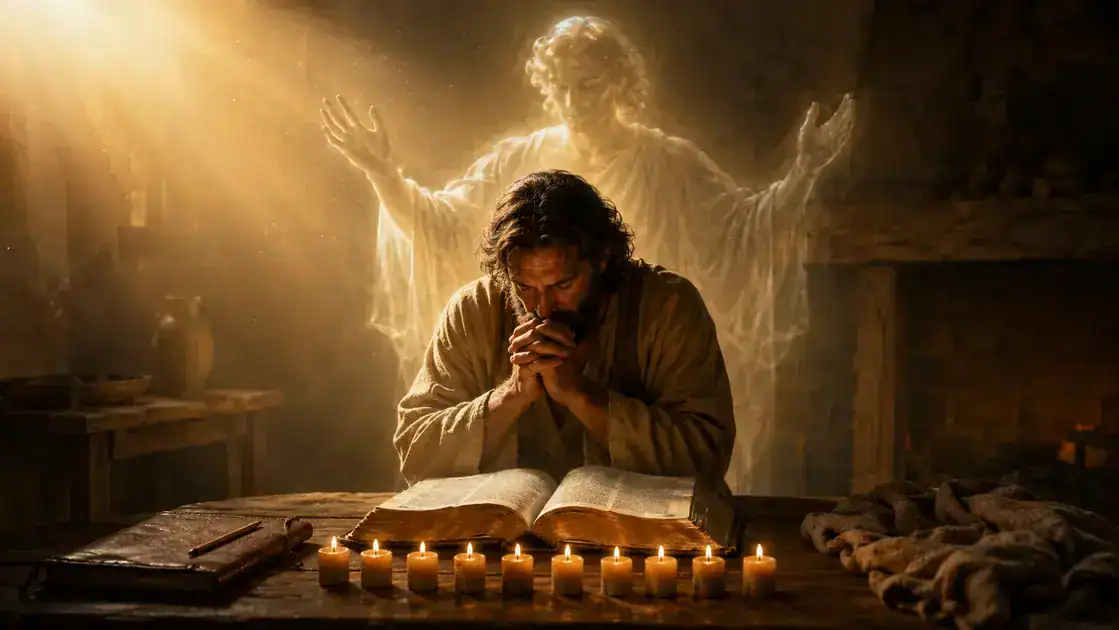
Each day of the novena focuses on one virtue with a short Scripture, a brief prayer, and a simple act to practice. Keep the practice small so it becomes steady and familiar rather than overwhelming. Begin with a short reading, a quiet breath, and a one-line petition for the day’s virtue; for example, ask for courage with a small prayer: Lord, give me steady courage to face today. Follow with one small, concrete act that shows that courage, such as speaking a needed word or remaining calm in a tense moment.
Move from courage into moments for prudence and hope by listening slowly in prayer before making choices. Read a verse, sit in silence for a minute, and offer a breath prayer like Guide my steps and give me clear sight. Then practice one simple test: pause before a decision and ask, “What would love do here?” This trains the heart to choose wisely and keeps hope steady when answers are slow.
Close each day with a brief examen that turns attention to charity and patience. Name one kind thing you did and one moment you could meet with more patience, and offer a short closing line such as Help me to love and wait with gentle hands. Small rituals—a lit candle, a one-line journal note, or repeating a favorite verse—anchor memory and invite the angelic virtues to grow quietly in ordinary life.
May the gentle presence of angels accompany you as you step back into your day. Let their quiet strength ease your fear and their steady light guide your choices.
Carry one angelic virtue with you this week — a small habit of courage, a brief pause for wisdom, or a breath of hope when worry rises. Let that single practice reshape how you meet each hour.
When you feel rushed or afraid, stop for a moment, breathe, and offer a short prayer. A candle, a line in a notebook, or a breathed phrase can hold you and remind you that grace is near.
Lord, grant that these days of prayer form our hearts to serve with humble courage and calm hope. May we walk with gentle trust, knowing we are held. Amen.
FAQ – Novena to the Angelic Virtues
What is the novena to the angelic virtues?
The novena is a nine-day prayer practice that asks God to form in us the virtues seen in Scripture and shown by angels. It draws on biblical moments—Gabriel’s visit to Mary (Luke 1), angelic protection in the Psalms (e.g., Psalm 91), and angelic help in Daniel and Acts—and on the Church’s devotional tradition of repeating focused prayer to grow trust and holiness.
Can praying this novena change my situation in a crisis?
Prayer does not promise instant solutions, but Scripture shows persistent prayer and trust shape our souls (see Luke 18 and James 1). The novena aims to cultivate virtues—courage, wisdom, patience—that change how you meet difficulty and open you to God’s timing and grace, which often brings healing in ways the heart can receive.
Which virtues and angels are typically invoked in this novena?
The novena centers on nine virtues such as courage, wisdom, obedience, humility, purity, prudence, charity, hope, and patience. These virtues are grounded in passages like Luke 1 (obedience), James 1:5 (wisdom), 1 Corinthians 13 (charity), and Romans 15:13 (hope). Some devotions also call on archangels like Michael, Gabriel, and Raphael as models and intercessors, following long-standing tradition.
How do I pray the novena in the middle of an urgent need?
Keep the practice simple and steady: a short Scripture reading, a one-line petition for the day’s virtue, a minute of silence, and a closing prayer. Small concrete acts—lighting a candle, making one charitable choice, or pausing before a decision—anchor the prayer. This structure trains the heart to respond with calm and clarity rather than panic.
Is this novena only for Catholics, or can other Christians use it?
While novenas are especially common in Catholic devotion, the practice is deeply rooted in Scripture and can be adapted by many Christians seeking disciplined, virtue-focused prayer. The content relies on biblical texts and the shared witness to angelic ministry, so it can be prayed ecumenically with respect for each tradition’s liturgical patterns.
How can I tell whether a prompting is from an angelic virtue or my own worry?
Discernment grows with simple tests: does the prompting lead to greater love, peace, humility, and clarity (fruits consistent with Scripture)? Check it against Scripture and wise counsel (1 John 4:1; Proverbs). Practically, pause, pray for light, and seek advice from a trusted spiritual friend or pastor before acting on strong impressions.