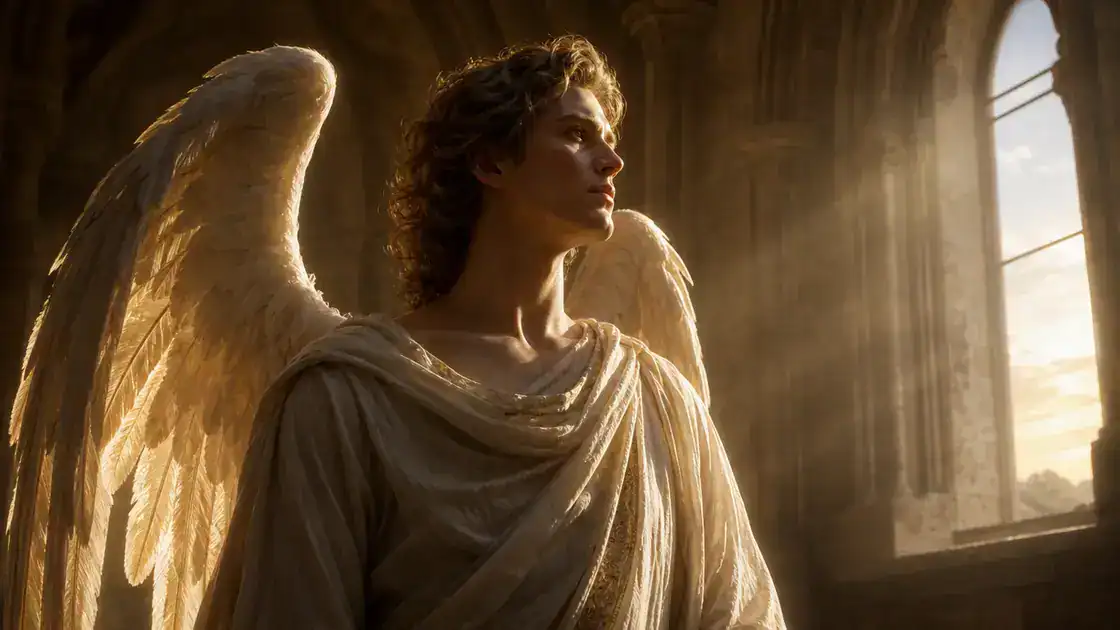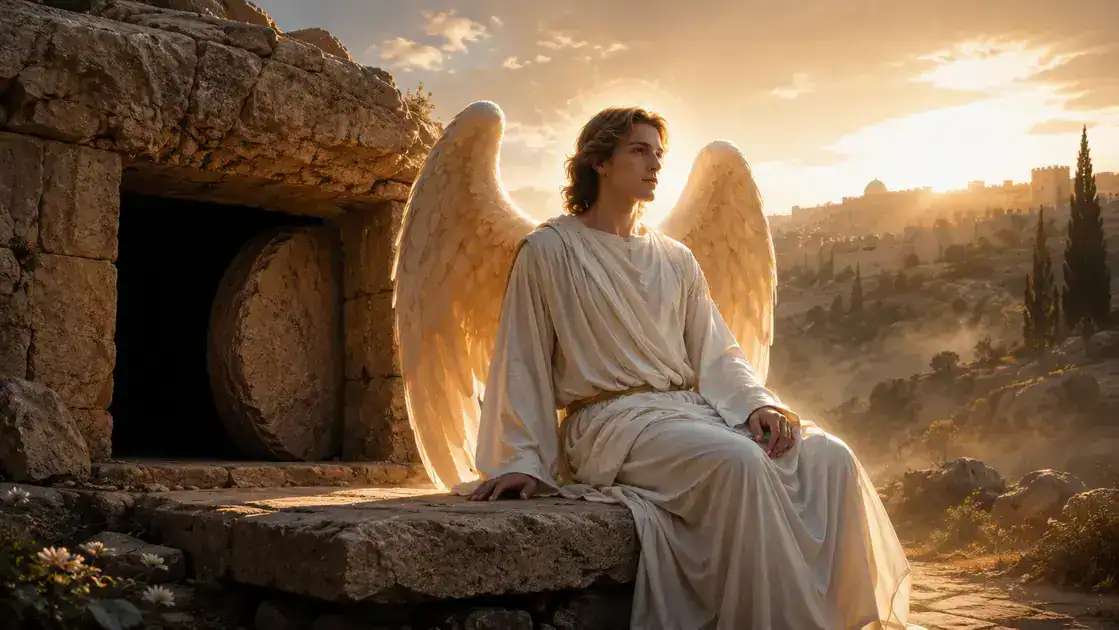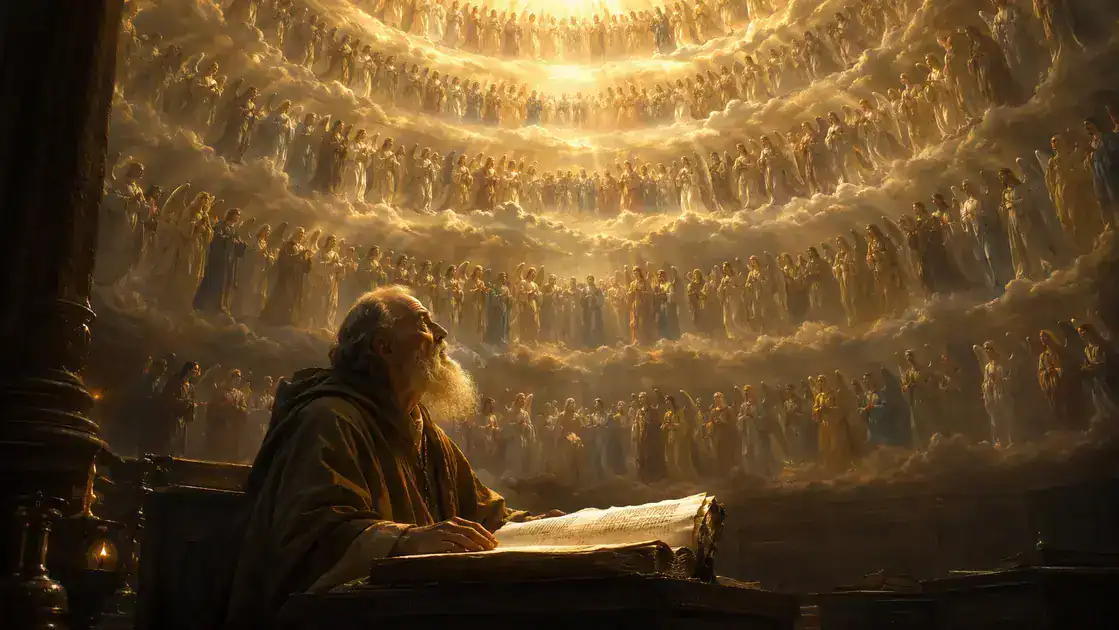

Do angels have free will: Christian Scripture and tradition portray angels as created spiritual beings endowed with intellect and will who could freely choose worship and obedience or prideful rebellion, as shown in passages about faithful ministering spirits and the fall of certain angels, thereby affirming moral responsibility within God’s providential order.
?do angels have free will? Imagine a hush before a choice, like dawn holding its breath. I invite you to explore Scripture, tradition, and prayer with a gentle, questioning heart as we ask why some fell and others remained faithful.
What Scripture says about angelic choice
The Bible often shows angels as more than bright spirits or distant powers; it pictures them as moral agents who respond to God with worship, service, or refusal. Angels stand in God’s presence to praise him (as in the heavenly songs of Scripture) and they carry out messages and care for people. These active roles imply that angels make real choices about loyalty and mission.
Some passages speak plainly of angels who turned away. Texts like 2 Peter 2:4 and Jude 6 remember angels who sinned and were restrained for their choice, while Revelation 12 gives a vivid image of a great contest in heaven where a leader and his followers fall into defeat. Other poetic texts, such as the songs in Isaiah and Ezekiel, use proud language to describe a being who fell from glory, which many readers hear as a portrait of willful rebellion rather than a fate forced upon them.
When we read these scenes together, a pattern emerges: Scripture balances images of faithful angels who serve and protect with stern warnings about those who chose to rebel. That balance offers a simple spiritual note for us—choice matters in the unseen world as much as in our lives. Seeing angels as responsible creatures invites sober prayer, gratitude for those who remain faithful, and trust in God’s mercy for the whole order of creation.
The fall of Lucifer: freedom and responsibility
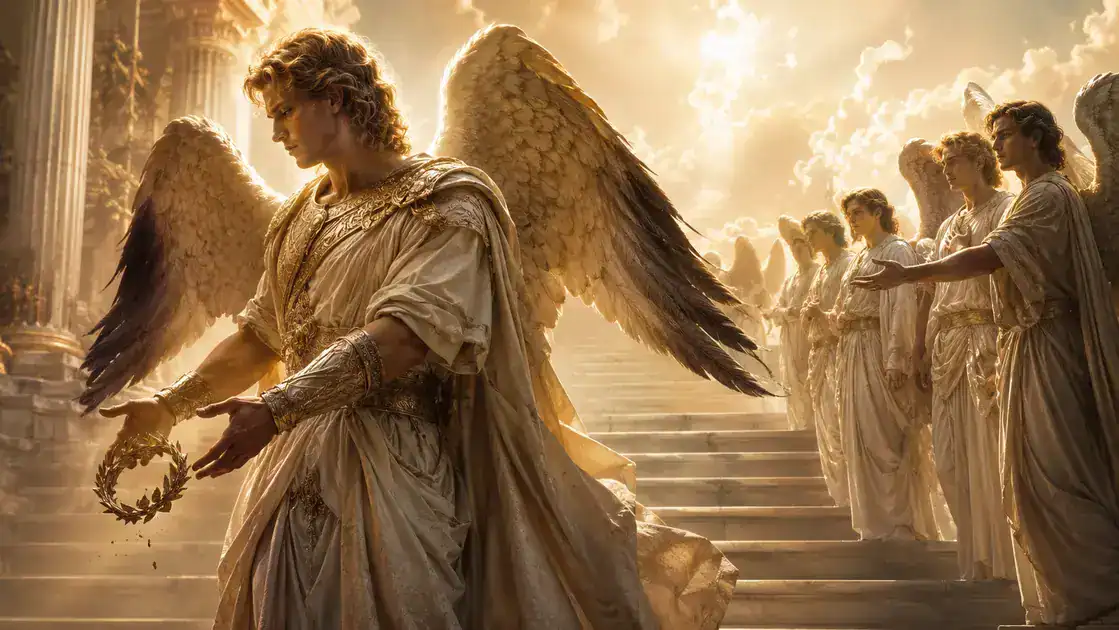
The Scriptures give us images of a great being who once stood in light and then turned away. Passages such as Isaiah 14 and Ezekiel 28 use poetic language to speak of pride and loss, while New Testament texts like Revelation 12 and warnings in 2 Peter and Jude recall angels who sinned. These scenes do not read like a tale of fate but like a story of moral choice, shown in symbols and solemn warnings meant to wake the heart.
When we listen to these texts, we see a simple spiritual truth: being created with mind and will includes the capacity to choose. The figure called Lucifer is often understood as one who used freedom to turn away from God, driven by pride and a desire to be greater than his maker. That moment points to the twin reality of freedom and responsibility — freedom to choose and responsibility for the outcome of that choice.
For devotion, this account asks us to wake up to our own small freedoms and the risks they carry. It calls for humility, prayer, and honest self-examination so that we do not mirror that proud turning. At the same time, it points us to God’s mercy and the power of grace at work in the faithful, reminding us to lean into worship, obedience, and steady love as the sure paths away from ruin.
Why some angels remained faithful: theological perspectives
Scripture and devotion often show angels as steady servants who keep their gaze on God and faithfully do his will. They appear worshiping, carrying messages, and gently aiding those in need. This steady work points to a life formed by faithful service rather than sudden whim or fate.
Theologians give a few simple ways to think about why many angels stayed true: their created nature was rightly ordered toward God, their will chose humility over pride, and God’s sustaining grace kept them faithful. These are not dry theories but practical ways to see how freedom and fidelity can fit together in a spiritual being. Each idea deepens the sense that vocation, humility, and grace work in harmony.
For the soul, this teaching offers quiet encouragement. If angels remain near God by worship and small acts of service, we can follow that path in our days through prayer, humble choices, and steady love. Remembering the constancy of faithful angels invites a trusting heart and a gentle call to imitate their quiet devotion.
Angelic will and the mystery of divine providence

Angels appear in Scripture as beings with will and purpose, yet their choices unfold within the quiet rule of a loving God. Imagine a weaver at a loom: threads move with freedom, but a hand guides the pattern. In the same way, God’s providence frames the world without erasing the moral weight of each angelic act.
This does not make angelic freedom pointless. Rather, Scripture shows a harmony where divine care and creaturely choice meet, sometimes in ways beyond our full grasp. We see angels who serve and guard, and we also read of rebellion; both fit into a larger story where God remains faithful to his wise and merciful purposes. Holding both truths together helps us accept mystery without losing moral clarity.
For the Christian life, this truth brings gentle courage. Knowing that angels can choose and that God orders all things invites us to pray with trust, act with responsibility, and notice small promptings of grace. Remembering the mysterious dance of will and providence softens fear and deepens hope, calling us to humble obedience and quiet reliance on God’s steady care.
Patristic and medieval interpretations
Early Christian writers read Scripture as a living story about beings who could choose. For teachers like Irenaeus and Augustine, the angels who fell did so by pride and a free turn away from God. Their language keeps the focus simple: angels act with will, and those acts bring real praise or real ruin.
Medieval thinkers then shaped these ideas into fuller pictures. Thomas Aquinas described angels as pure minds whose will follows the intellect, often speaking of a single decisive act that set an angel’s path. The image of the angelic hierarchy from Pseudo-Dionysius helped medieval devotion imagine ordered choirs of faithful servants, each holding a place in God’s design while still bearing responsibility for their choice.
These patristic and medieval views serve more than theory; they form prayer and practice. They warn us gently against pride, invite a life of humility, and point us back to worship as the sure cure for turning inward. At the same time, they open a hopeful space: choices matter, but so does God’s mercy, and faithful devotion steers us toward the light the angels keep.
How beliefs about angels shape prayer and devotion
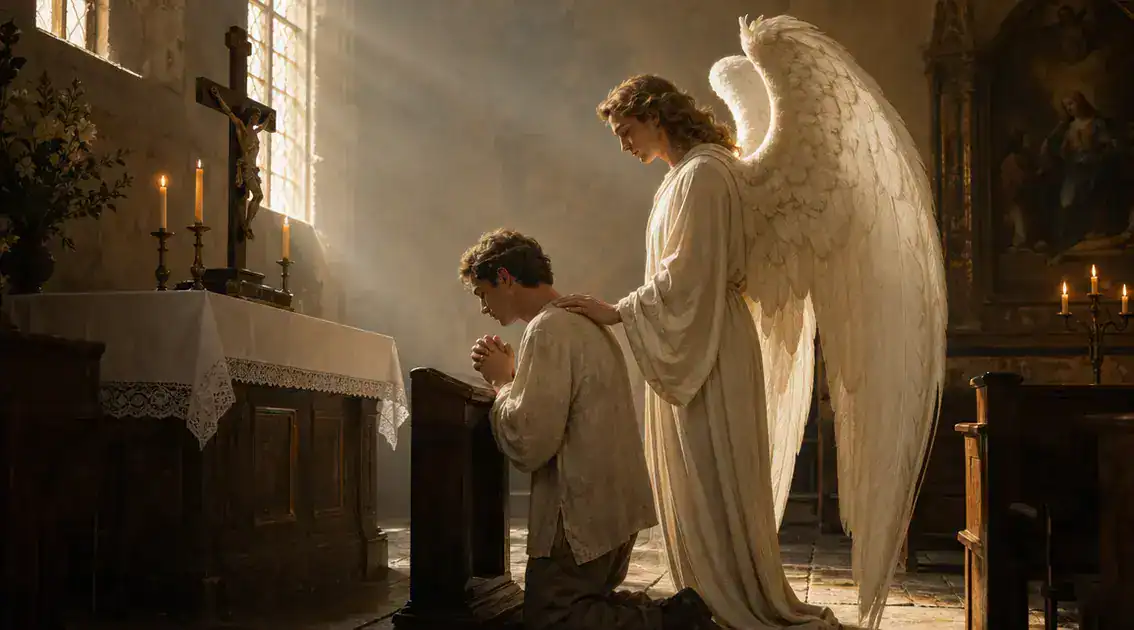
Belief in angels often makes prayer feel less solitary and more like entering a warm room where holy companions already wait. Many readers of Scripture find comfort in the image of angels who attend God and watch over us, a truth that gently shifts prayer from a private plea to a shared act of worship. This awareness can make simple prayers feel richer, since they are offered within a larger, sacred company.
Those who cherish angelic presence shape their devotions accordingly: hymns that praise with the heavenly host, short prayers to one’s guardian angel for guidance, and moments of silent reverence that mirror angelic praise. The idea from Hebrews that angels are ministering spirits sent to serve invites us to ask for help and to trust that care is near, while still keeping God as the true object of worship. These practices keep prayer humble and hopeful.
Practically, this belief nudges us toward small, steady habits—lighting a candle, making the sign of the cross, pausing to offer a breath of thanks—acts that echo the angels’ constant worship. When devotion is shaped by the company of angels, it tends to grow gentle: less urgency, more attention; less display, more quiet faithfulness. Such habits invite us to live in reverence and to imitate the angels’ steady love through simple acts of service and prayer.
Discerning divine guidance vs. deceptive temptation
When a thought or image feels like a guide, pause and listen with a calm heart. Spiritual promptings can come as gentle nudges toward goodness or as clever suggestions that pull us inward. Learning to tell the two apart is a practice of discernment that asks for humility, prayer, and attention to the signs of truth.
Scripture itself gives simple tests to help us. The Bible urges us to “test the spirits” and to discern by their fruits, which means checking whether a prompting leads to love, peace, and obedience or to pride, confusion, and harm. Ask whether the sense you have aligns with Scripture, brings clear peace, and bears helpful fruit in how you treat others; these small checks protect against deception without making faith timid.
In daily life, build steady habits that sharpen discernment: brief prayer asking for light, patient waiting instead of quick action, and seeking counsel from trusted companions who know Scripture and prayer. Let quiet patience and simple practices form your responses—this keeps you close to God and open to angelic aid while resisting the subtle pull of temptation.
A gentle prayer for the road
Lord, we thank you for the company of your faithful servants and for the mystery of free will that makes love true. Help us to remember that choice matters and that your mercy meets us even when we falter.
May the example of faithful angels teach us humble obedience and steady praise. Give us eyes to see grace in small moments and hearts brave enough to choose what is good.
When temptation whispers, grant us quiet discernment. When wonder rises, grant us deep gratitude. Let our daily acts of prayer and service echo the devotion we find in heaven.
Walk with us, steady our steps, and keep us peaceful. May we carry this sacred truth into each ordinary day, with hope, humility, and a gentle trust in your care.
FAQ – Common questions about angels, choice, and devotion
Do angels have free will?
Yes. Scripture depicts angels as moral agents who can choose to worship or rebel (see Revelation 12; 2 Peter 2:4; Jude 6). Church tradition has long read these passages as showing real freedom and responsibility in the angelic order.
How did Lucifer fall from grace?
Scripture uses poetic images in Isaiah 14 and Ezekiel 28 and a dramatic scene in Revelation 12 to describe a proud turning away. Christian writers have understood these passages as showing that pride and a willful choice led to that fall.
Can fallen angels repent and be restored?
The Bible does not offer a clear promise of repentance for fallen angels; passages like 2 Peter and Jude speak of judgment. Many theologians conclude their decisive choice stands, while noting God’s mercy remains the heart of the story for creatures who seek him.
How do I discern angelic guidance from deceptive temptation?
Scripture tells us to “test the spirits” (1 John 4:1) and to judge by their fruits. A true prompting leads to love, peace, humility, and obedience to Scripture; when in doubt, pray, wait, and seek counsel from trusted spiritual guides.
Do angels answer our prayers or take the place of prayer to God?
Angels are described as ministering spirits sent to serve (Hebrews 1:14), but they do not replace prayer to God. Tradition encourages asking for angelic help as companions while always directing worship and petitions to the Lord alone.
How should belief in angels shape my daily devotion?
Belief in angels can deepen worship and humble service. Simple practices—short prayers of thanks, asking for guidance, acts of charity—echo the angels’ service and help us live with greater attention, humility, and hope, as taught in both Scripture and the church fathers.