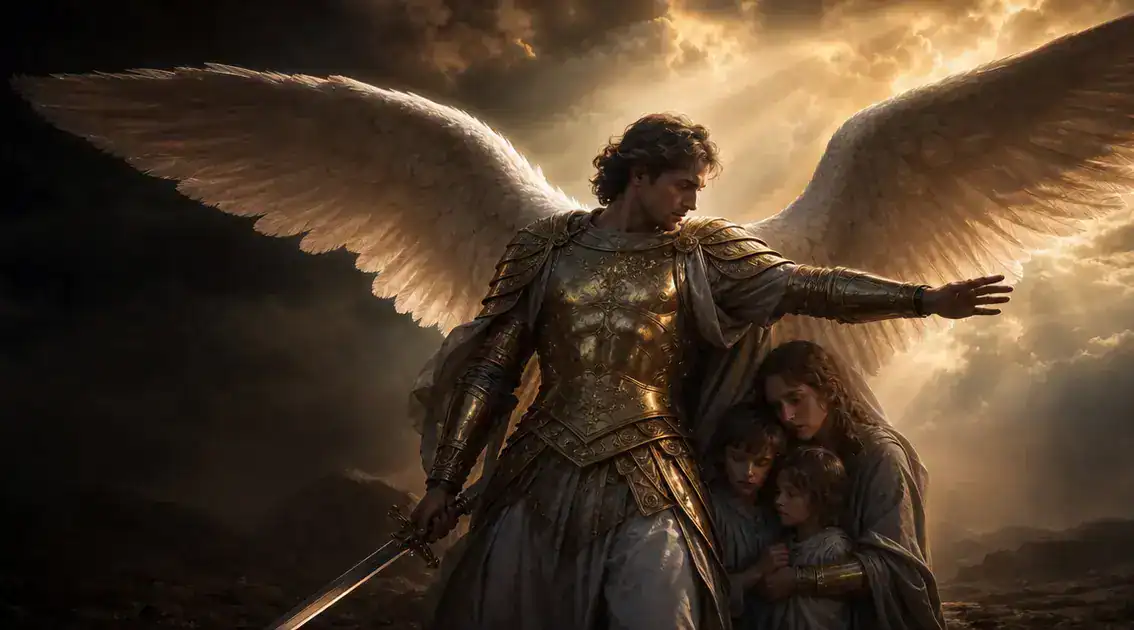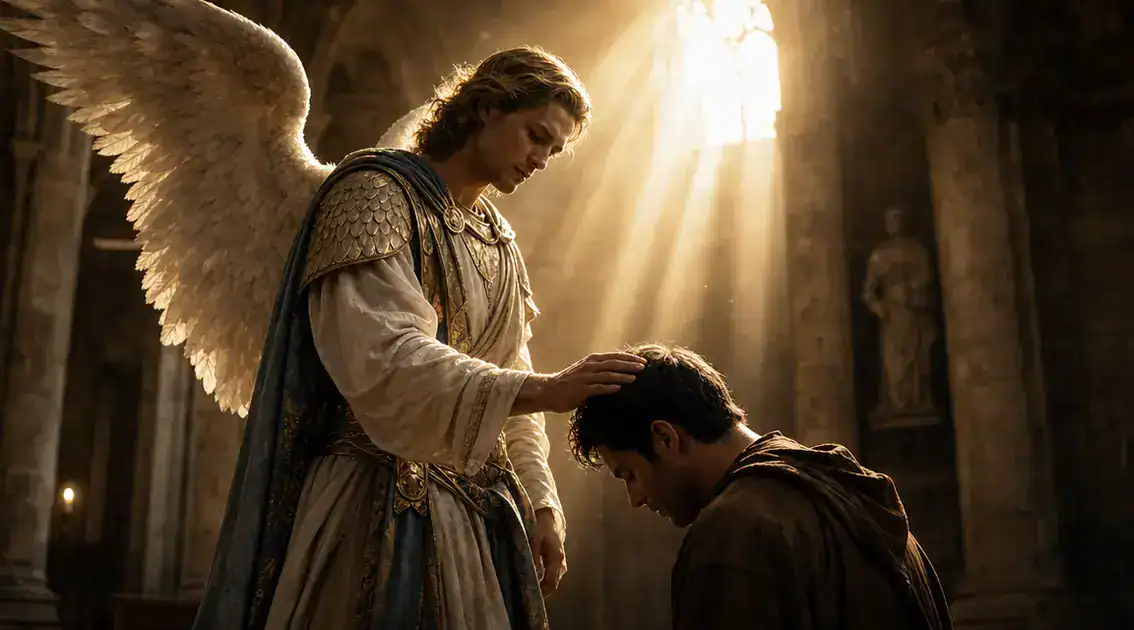

The powers in the Book of Enoch are celestial guardians—ranked angelic beings such as Michael, Uriel, Raphael, and Gabriel—portrayed as entrusted agents who regulate stars, seasons, and human affairs, whose obedience or fall shapes cosmic order and offers a sobering lesson about responsibility, humility, and divine justice.
powers book of enoch — have you ever felt the hush of a vision, as if something unseen watches over you? This short guide opens the ancient images of guardianship and invites quiet reflection.
Who are the powers in the Book of Enoch?
In the Book of Enoch, the term often translated as the “powers” points to a circle of heavenly beings who stand near God’s throne and watch over the earth. These figures appear not as distant ideas but as active participants in the story of creation and human life. The text paints them as watchers, ordered agents who move between the visible world and the hidden courts of heaven, carrying duties that shape weather, time, and sacred boundaries.
Some of these powers are named and given roles that feel personal and urgent, like the chief guardians who intercede for humanity. Michael, Uriel, Raphael, and Gabriel appear as leaders in the narrative, bringing mercy, warning, healing, and direction. Their presence in the visions of Enoch shows a God who governs through entrusted, faithful servants rather than by remote decree — a pastoral picture of divine care translated into action.
The story also holds a sober lesson: not every watcher keeps its office. When some powers stray, the text shows the pain of broken trust and the ripple effects on the world. That contrast deepens our sense of both justice and mercy, and it invites the reader to stand in awe of the faithful guardians. Taken devotionally, these passages call us to a humble dependence on God’s watchful care and to a life that honors the responsibility given to every creature.
Heavenly hierarchy: titles and functions of the guardians
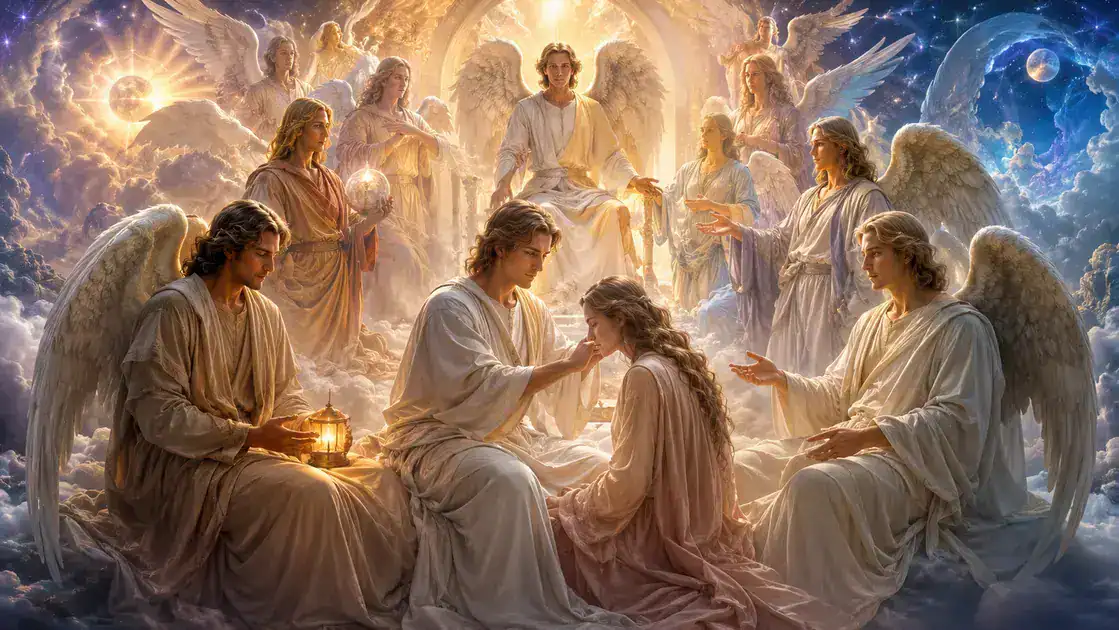
The Book of Enoch arranges the heavenly company with clear roles, as if naming the parts of a living choir. Some guardians stand close to God’s presence and offer prayerful service, while others govern the skies, stars, and seasons. This ordered picture shows that heaven cares for the world through many hands, each with a quiet duty that keeps creation intact.
Within this order, certain figures take on special tasks that the text highlights. Michael appears as a protector of the faithful, ready to defend and intercede; Raphael is shown as healer and comforter to those in need; Uriel brings light and insight into hidden things; and Gabriel serves as a clear messenger who carries God’s word. These names help readers see how divine care wears many faces—mercy, guidance, healing, and proclamation.
The Book of Enoch also uses the idea of ranks to teach spiritual truth: guardians who obey bring blessing, while those who stray bring harm. That contrast invites a response from us, not only awe but a life shaped by the same faithfulness we hear about. As we learn the titles and functions of these guardians, we are gently led to trust a God who organizes the cosmos with loving purpose.
The Watchers: symbolism, sin, and spiritual consequences
The Watchers in the Book of Enoch begin as heavenly custodians, figures meant to guard and guide the world. They stand at the edge between sky and earth, a visible sign that heaven reaches toward us. In the visions, that border becomes fragile when care turns into craving and duty into desire.
The story names their misstep clearly: they take human companionship and they disclose arts and secrets that were not given for human mastery alone. The text points to metalwork, incantations, and star-lore as examples, showing how tools and knowledge can harm when detached from wisdom. This giving of what the world was not ready for is called forbidden knowledge, and the drama shows why limits can be an act of mercy.
The consequences in Enoch are practical and moral: violence rises, social bonds fray, and creation itself groans under the weight of those choices. The narrative then traces divine response—restraint, judgment, and the hope of correction—so that order might be restored. These scenes press a tender lesson on the reader: power without humility wounds, and accountability before God is part of the care that keeps the world whole.
Enochic visions and their echo in Jewish and Christian texts
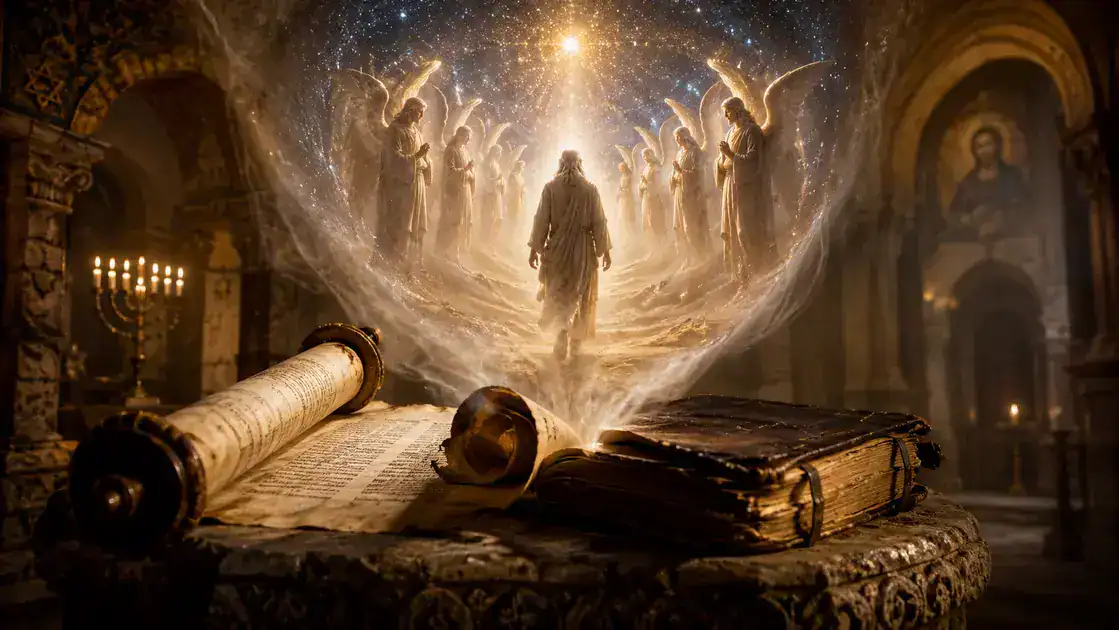
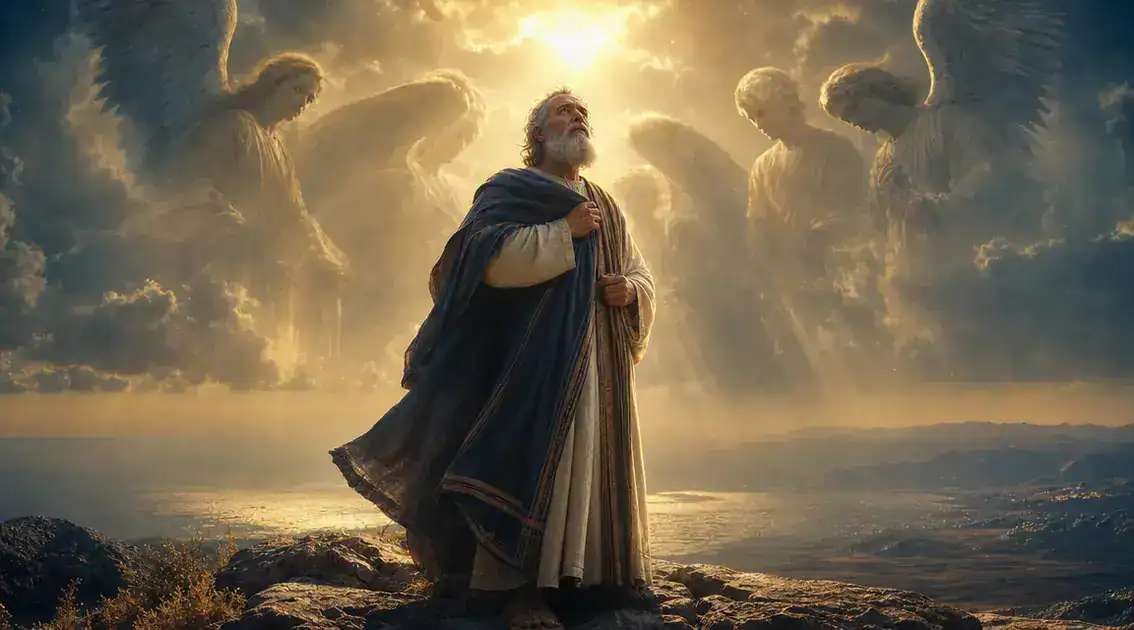
The visions recorded in the Book of Enoch arrive like a slow sunrise: strange, bright, and full of image. Enoch sees courts of heaven, stars obeying laws, and guardians standing at the edges of the earth. These scenes are painted in clear, simple strokes so that a reader can feel both wonder and warning at the same time.
Over time, those images do not stay locked in one book. Enoch’s visions echo through Jewish tradition in texts that wrestle with judgment, angels, and the fate of the righteous. They shape how communities imagine the end of days and the care God shows his people, offering symbols that later writers return to for comfort and clarity.
Christian writers also hear that same voice. Passages in the New Testament and the book of Revelation reflect Enochic themes of final vindication and heavenly witnesses, and the early church often read these visions devotionally. For the reader today, these echoes invite a double posture: sober attention to justice and a hopeful trust that the same sky that watches over ancient prophets watches over us.
Practical devotion: sensing guardian presence in prayer and discernment
Prayer often begins with ordinary breath and a quiet desire to be near God, and it is in that gentle stillness that many feel the guardians most clearly. Sit with a few slow breaths, soften your hands, and listen without forcing a sign; what comes is usually simple—a steadying peace, a nudge toward mercy, or a sudden warmth in your chest. These moments are not loud revelations but small, faithful comforts that suggest a presence beside you, and learning to notice them is a practice of quiet attention.
Growing in discernment helps us tell what is true from what only feels dramatic for a moment. Test what you sense by Scripture and by the fruit it produces: does it bring humility, patience, and love for others, or does it stir fear and pride? Share these experiences with a trusted friend or mentor and give them time to settle; spiritual insight usually deepens slowly, and discernment becomes a steady habit rather than a single proof.
Simple devotional rhythms make us more receptive without chasing signs. Try a brief examen each evening, a short verse repeated as a breath prayer, or a quiet walk while naming things you are grateful for—these acts form a gentle loop of awareness and gratitude. Over weeks and months, such small practices shape a lived trust, so the sense of guardian presence feels like a companion’s hand rather than a startling event.
Interpretive challenges: scholarly debates and devotional responses
Readers often meet the Book of Enoch with two honest questions: what does the text mean, and how should it shape my life? Scholars examine manuscripts, languages, and history to answer the first question, tracing where the book came from and how its images moved through Jewish and Christian thought. This care for facts is a form of love for the text, a patient effort to know its roots so we can read it rightly.
At the same time, many come to Enoch not as critics but as seekers, looking for comfort, guidance, and a deeper sense of the holy. The conversation between these approaches can feel tense, but it need not be hostile. Historical inquiry and devotional listening can work together: scholarship clarifies context, while devotion keeps interpretation rooted in prayer and life.
Holding both paths asks for a simple posture: humility. Read with open hands, willing to learn from experts and to be formed by prayer. Share questions with a faithful community, allow time for insight to settle, and let study and prayer shape each other so that the text becomes both true and living for your journey.
A gentle blessing on the watchers
May the clear, tender images of the Book of Enoch rest with you like morning light, not to confuse the heart but to warm it. Let these visions remind you that heaven’s care is close, steady, and quietly present in ordinary days.
Remember the guardians as servants of mercy who model faithful love. When choices come, let their faithfulness shape your steps and their example call you back to simple kindness and humble service.
We pray for clear eyes and steady hearts: that you might notice small consolations, hear gentle nudges toward mercy, and act with patience when the world feels heavy. May this prayerfulness become a habit that steadies you.
Carry this sacred story into your daily life by small acts—a kind word, a moment of silence, a brief thanks. In those quiet practices, the care of the unseen keeps company with your own faithful living.
FAQ – Questions seekers ask about the Book of Enoch, the powers, and guardian care
Who are the “powers” in the Book of Enoch?
The “powers” refer to high celestial beings who serve near God and act on behalf of creation. In Enoch they appear as ranked guardians and messengers who govern stars, seasons, and duties of care. Reading them devotionally helps us see how divine care is ordered through entrusted servants rather than as an abstract force.
Is the Book of Enoch part of the Bible? Should I trust it?
The Book of Enoch is canonical in the Ethiopian Orthodox tradition and highly influential in ancient Jewish thought, though most Jewish and Christian canons consider it apocryphal. It is valuable for understanding early angelology and imagination of the heavens, but faithful readers weigh it with Scripture, prayer, and the guidance of tradition.
How do the Watchers relate to guardian angels mentioned in Scripture?
The Watchers in Enoch are a category of angels tasked to watch over earth; guardian angels in Scripture (e.g., Psalm 91:11; Matthew 18:10) are personal protectors assigned to people. Enoch’s Watchers overlap with these ideas but also include beings who failed their charge, teaching both the reality of angelic care and the moral responsibility that comes with power.
Do Enoch’s visions appear elsewhere in the Bible?
Yes. The New Testament explicitly echoes Enochic material—Jude 1:14 cites a prophecy attributed to Enoch—and Revelation and Daniel share similar imagery of heavenly courts, judgment, and angelic witnesses. These echoes show that early communities heard Enochic themes as part of the wider conversation about heaven and hope.
What spiritual lesson does the fall of some Watchers teach?
The fall shows that knowledge and power without humility harm creation. Enoch’s narrative warns that gifts given in trust can wound if they are abused. The spiritual takeaway is a call to accountability and humility: true service blesses when rooted in obedience and love, not in pride or possession.
How can I use Enochic themes in my prayer life without becoming confused?
Approach Enochic images as devotional aids, not doctrinal anchors. Pray with Scripture first (Psalm 91, Daniel, Gospel passages), use Enochic scenes to deepen wonder, and test impressions in community and study. Simple practices—brief evening examen, thanking God for unseen care, asking for humility—let Enoch’s vision shape faithful living rather than unsettled curiosity.