
Cherubim in Judaism are sacred throne‑bearers and guardians depicted over the Ark and Temple, interpreted in rabbinic law as permitted ritual symbols and in kabbalah as channels of divine light guiding mystical ascent, and they function devotionally to teach reverence, boundary, and compassionate service.
Have you ever wondered what cherubim in judaism signify when they appear in Scripture, liturgy, and mystical texts? I invite you to walk slowly through the texts and visions that shaped Jewish understanding of these radiant guardians.
Cherubim in the Hebrew Bible: appearance and function
In the Hebrew Bible, cherubim appear as bright, powerful figures who mark places where God meets humanity. You find them guarding Eden after Adam and Eve leave, and carved above the Ark of the Covenant in the Tabernacle and Temple. These images show cherubim as guardians of holy space, set to protect sacred boundaries and to signal God’s nearness.
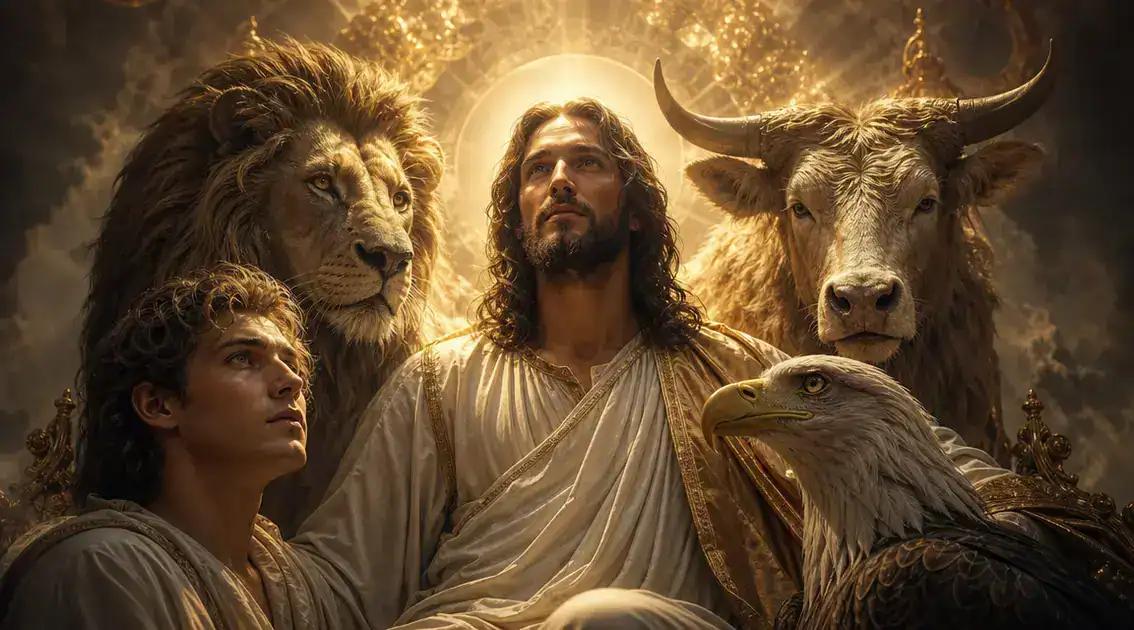
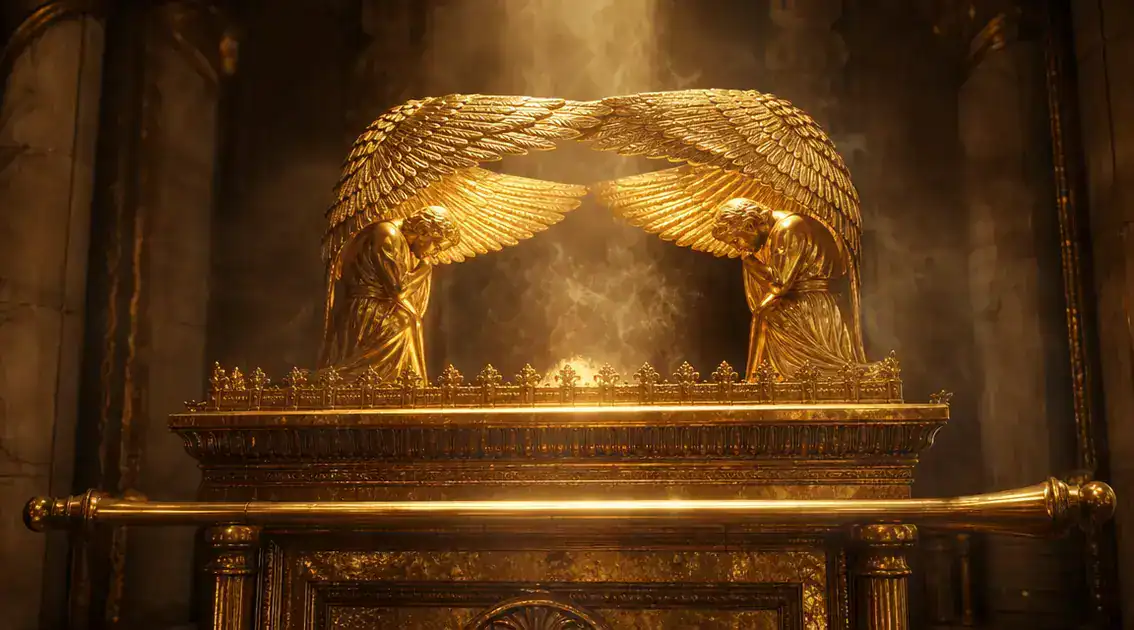
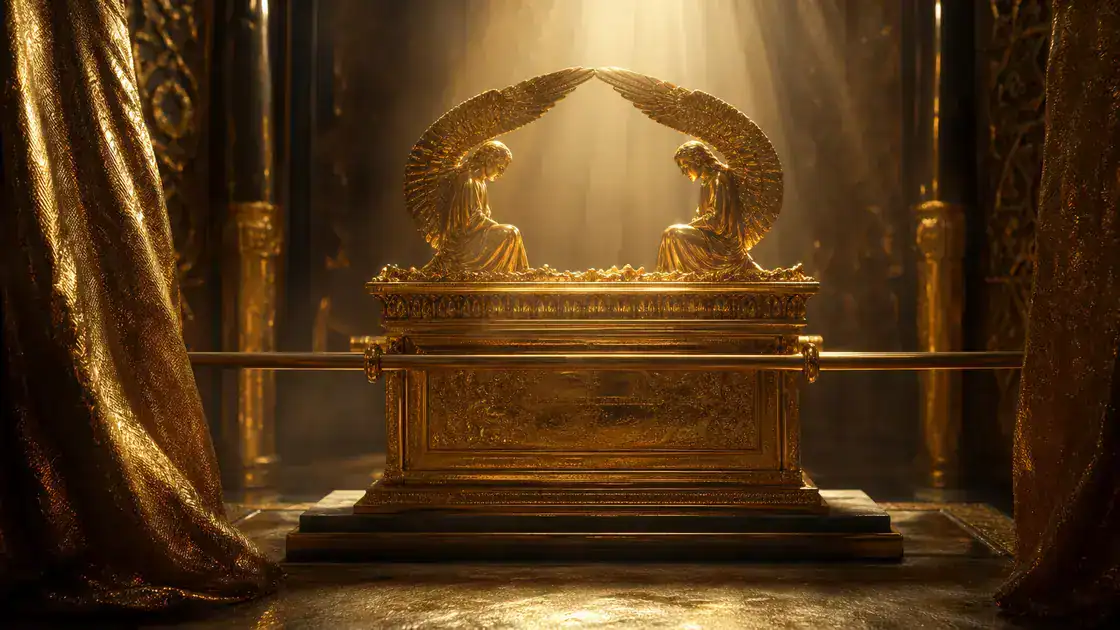
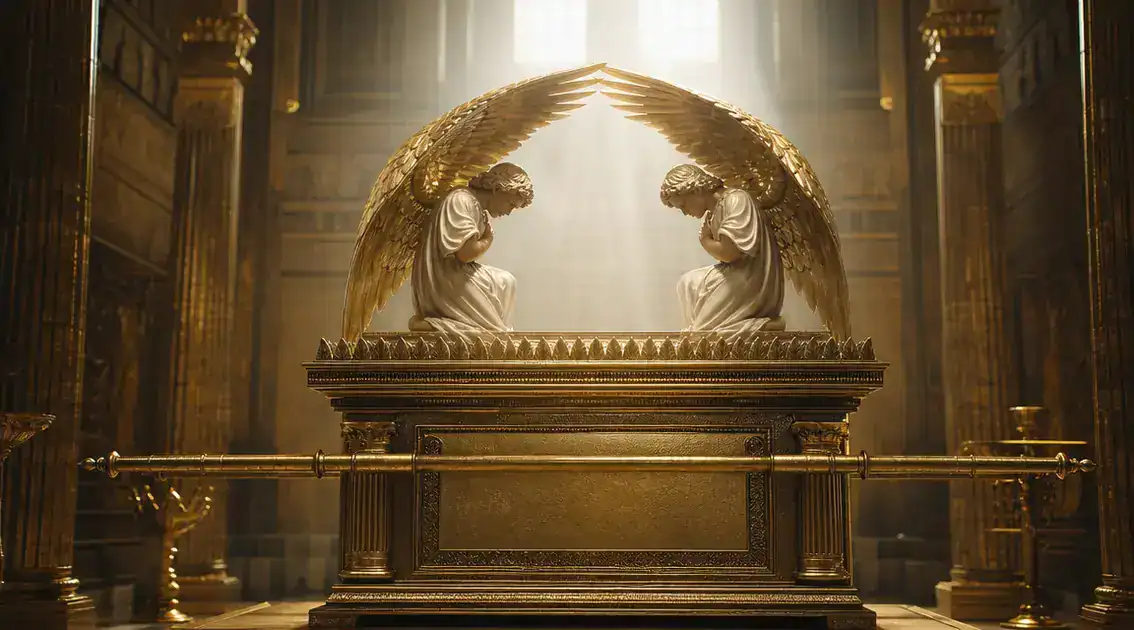
On the Ark, the cherubim face one another with wings spread, and the space between them becomes the throne of God’s glory. In prophetic visions such as Ezekiel’s, they move with startling life and carry multiple faces, suggesting a reality that is ordered yet beyond easy description. This combination makes the cherubim throne-bearers of divine presence, mediating awe and proximity without replacing the God whom they reflect.
For worshipers and readers, these images invite a posture of reverence and attentive care rather than fear. The cherubim teach that holiness holds and protects life, that the sacred can be both near and mysterious. As you imagine their shadowed wings and the soft light between them, let the scenes call you toward humble service and a quiet readiness to meet the divine.
Priestly imagery: cherubim on the ark and Temple furnishings
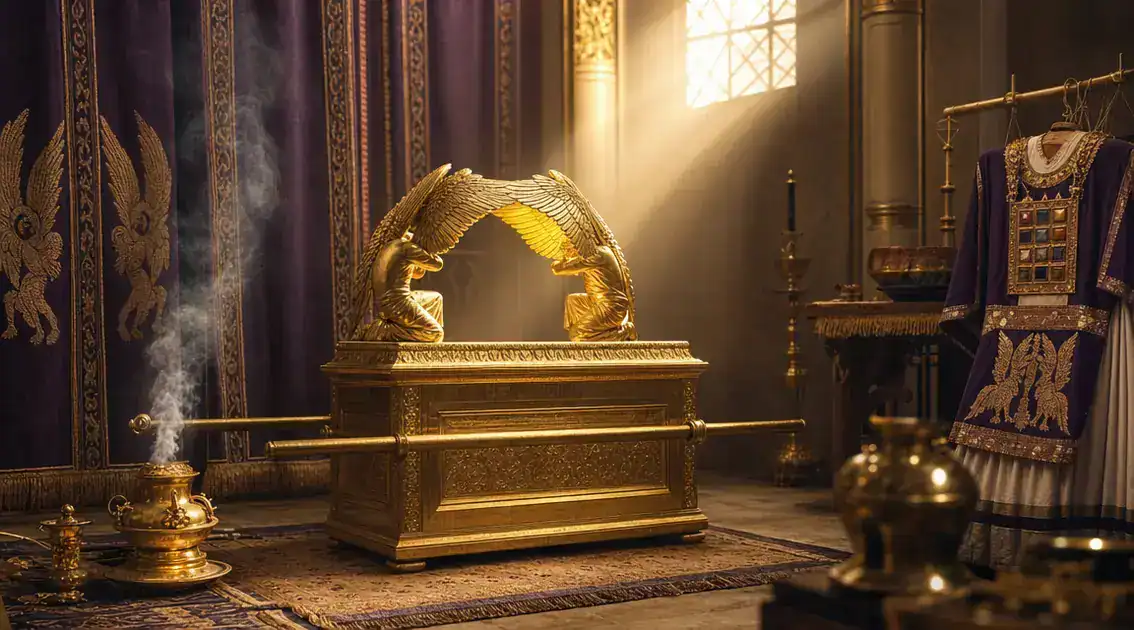
The ark and the Temple furnishings carry cherubim as a careful, visible sign of sacred care. Craftsmen overlaid wood with beaten gold and shaped two cherubim above the lid, their wings spread toward one another to form a small, holy space. Curtains and priestly garments also bore cherubim in woven thread, so that the same image framed both the inner shrine and the ministers who served there.
These images were not mere decoration but served a clear ritual purpose. The area between the cherubim on the ark became the mercy seat, the place where God’s presence was understood to rest in a special way. When priests entered the sanctuary to offer incense or to carry the ark, they acted with measured steps, aware that the cherubim marked a limit and a meeting point between heaven and earth.
Over time, worshipers learned from those forms how to hold the sacred with both awe and care. The gold, the textiles, and the careful carving taught that beauty could guard holiness and that skill in craft was itself an expression of devotion. As you picture those winged figures watching over the ark, let them remind you that the sacred asks for reverence, steady hands, and a humble heart.
Rabbinic reflections: Talmudic debates and legal symbolism
Rabbis in the Talmud return often to the cherubim and the hard questions they raise. They ask how images fit within the law and how those winged figures mark holy space. Through careful debate the cherubim are treated not as idols but as a sacred sign of God’s presence that sets a limit around the most holy place.
The discussions turn to practical details: who may approach the ark, how the cherubim must be crafted, and how priests should move within the sanctuary. These rules show a deep concern for order, reverence, and care in handling what points to the divine. In rabbinic thought such careful law is itself a form of devotion that trains the body and spirit to respect the holy.
From these legal conversations emerges a simple spiritual lesson for daily life. The cherubim remind worshipers to hold boundaries, to prepare the heart, and to serve with measured attention. Let their image guide a steady humility and a habit of faithful care toward the sacred in work, worship, and relationship.
Mystical ascent: cherubim in kabbalistic cosmology
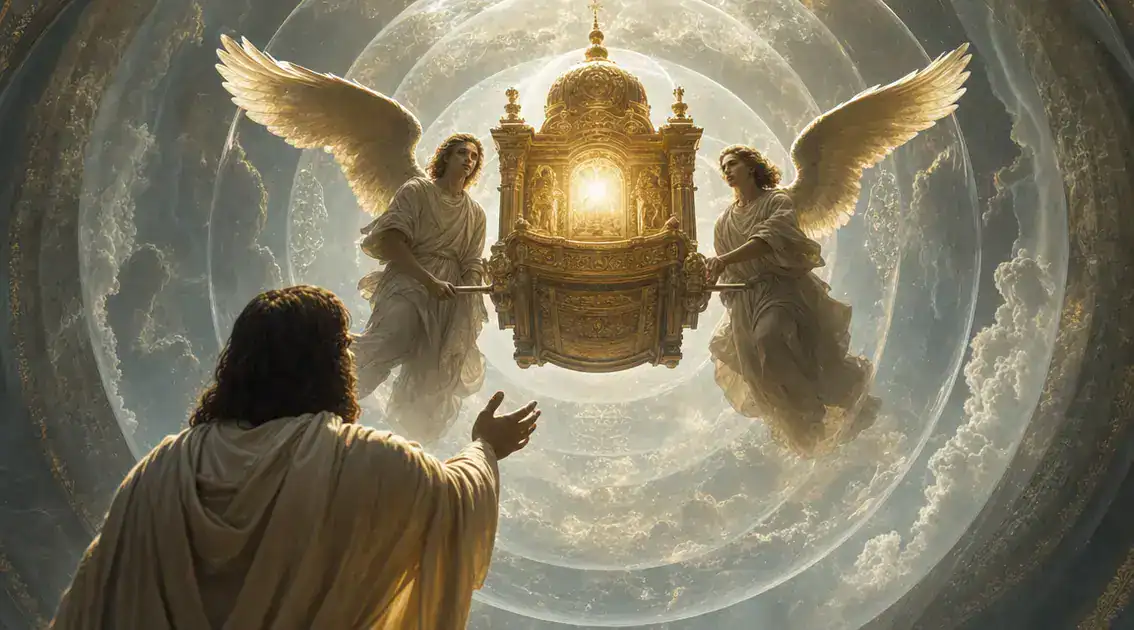
Kabbalistic teachers picture the cherubim as part of the merkavah, the chariot of mystical sight that carries God’s presence through higher realms. In these accounts the cherubim are not merely decorative; they function as channels of divine light, moving between the sefirot and making the distant God feel near. The images are vivid yet tender: wings and faces that seem to hold and transmit steady radiance rather than overpower it.
As the soul ascends, the cherubim appear in visions as companions and guides, their motion marking transitions from one spiritual level to the next. Each sefirah is like a room in a great house, and the cherubim help the seeker pass with care and reverence. Meditation, prayer, and ethical repair prepare the heart to travel these inner paths so that the light the cherubim bear can be received without being blinding.
For those who practice this tradition, the cherubim become a living symbol of deep union: they both separate and connect, guarding what is holy while inviting closer communion. Seeing them in this way gently reframes worship and study as forms of ascent — practices that steady the will and soften the soul to receive grace. Hold that image quietly as you pray, imagining the steady wings that carry light into the places within you that long for healing.
Liturgical and devotional encounters with cherubim imagery
In many synagogues and devotional spaces, cherubim appear not as loud statues but as careful, woven or carved signs on the ark curtain, Torah covers, and ritual textiles. These motifs recall the Temple and its furnishings, carrying a memory of sacred space into daily worship. The images are often quiet—embroidered wings, gentle faces, or stylized forms—that invite a steady gaze rather than a sudden stare.
When worshipers stand before the ark or pass under a curtain bearing these figures, the cherubim serve a humble spiritual work: they direct attention upward and inward. They are reminders of God’s guarding presence, pointing beyond the image to the divine throne it represents. In liturgy and private prayer the motif helps shape a posture of reverence, steadying breath and slowing the body so the heart may listen.
Practically, encounters with cherubim imagery become moments of formation. A person may breathe slowly, look at the stitched wings, and let that image teach care for what is holy in life—speech, action, and relationship. The cherubim thus move from decoration to discipline: they guard the space and call the worshiper to protect and serve the world with humble hands.
Ethical and spiritual lessons drawn from cherubim traditions
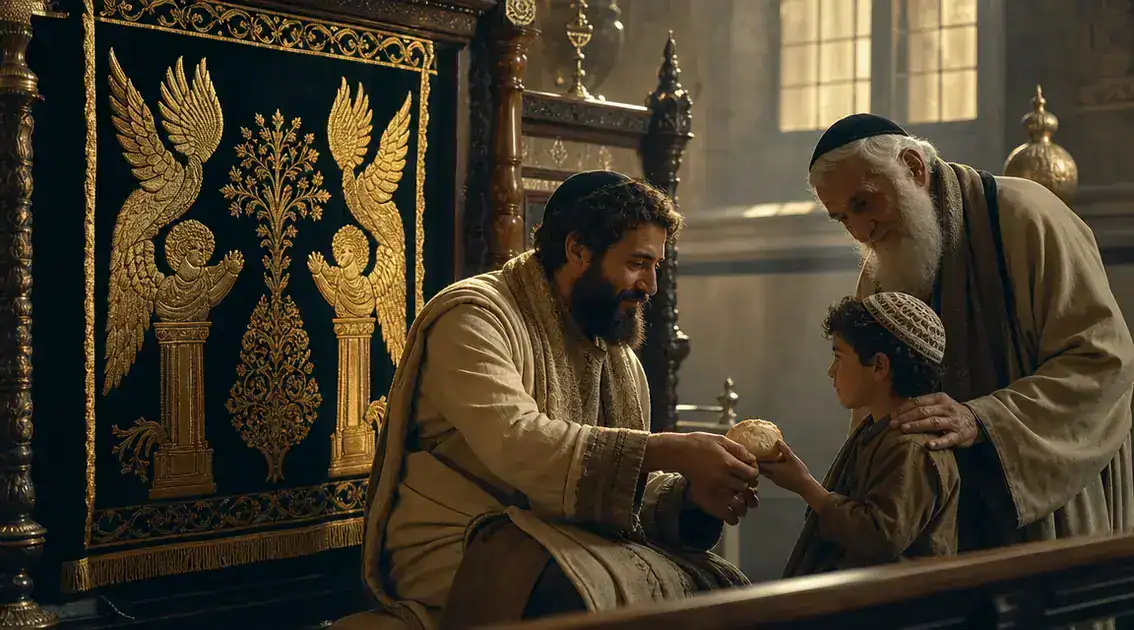
The cherubim ask us to care for what is sacred while watching over the weak. They stand at the edge of holy space, not to scare people away, but to teach respect for limits that protect life. In this way they show that reverence and care go together: guarding the holy includes guarding the vulnerable within it.
These winged figures also model steady service and skilled attention. Craftsmen made them with careful hands, and priests served near them with measured steps, so the tradition links beauty and work to devotion. Learn from that pattern: let service be careful, let craft be humble, and treat duties as a form of prayer—this is the holy responsibility the cherubim invite.
Practically, their image calls us to simple acts of justice and kindness. We protect those who cannot protect themselves, keep our promises, and tend our shared places with care. In prayer or quiet work, the cherubim remind us that small, steady acts shape a holy life. Let their steady wings guide you into patient service and gentle courage each day.
A closing prayer on the cherubim
May the quiet image of the cherubim remain with you as a gentle guard on your path. Let their wings remind you that the holy both protects and invites. Hold that thought softly, like a lamp held close in the night.
Remember the lessons they offer: care for the sacred, steady service, and humble attention to those in need. These are simple practices, but they change the way we move through the world. Small acts of kindness become a way to honor what is holy.
Pause each day to breathe and to notice the places where light meets need. Ask for courage to keep boundaries that protect life, and for hands ready to serve without fanfare. Trust that this quiet discipline draws you nearer to the One the cherubim point toward.
May peace settle on your heart. May wonder guide your work. And may you go forward with soft wings of care, ready to keep watch and to welcome the holy into every ordinary day.
FAQ – Cherubim in Judaism: common questions for seekers
What are cherubim in the Hebrew Bible?
Cherubim in Scripture appear as powerful, sacred figures who guard and mark the place of God’s presence. They stand at Eden’s gate (Genesis 3:24), are placed above the Ark as the mercy seat (Exodus 25:18–22), and appear in Ezekiel’s visions as living, multi-faced beings (Ezekiel 1, 10). These texts show them as both guardians and throne-bearers of divine glory.
Are cherubim the same as angels I read about elsewhere?
Not exactly. While later Jewish angelology often treats cherubim among angelic ranks, the biblical portraits emphasize function—guarding, bearing the divine throne, and mediating presence—more than a fixed ‘type’ found in later lists. Rabbinic tradition sometimes aligns them with angels, yet it keeps their primary role tied to the sacred space and vision texts.
Why were cherubim placed on the Ark and Temple furnishings?
The cherubim above the Ark form the mercy seat where God’s presence met Israel (Exodus 25:18–22). On Temple furnishings and priestly textiles they served as visible signs that the inner sanctuary held a sacred boundary and a meeting point with God. The images helped shape reverence and careful worship.
How do rabbinic sources treat images of cherubim given the ban on graven images?
Rabbinic literature wrestles with images and idolatry, but it allows certain sacred depictions when they point toward God and serve ritual purpose. Talmudic and midrashic reflections treat the cherubim on the Ark as permitted and meaningful—symbols that frame divine presence rather than objects of worship—while insisting on strict boundaries to avoid idolatry.
What do Jewish mystical texts say about cherubim?
In merkavah literature and the Zohar, cherubim take on a more cosmic function: they move divine light between the sefirot and guide the soul in ascent. Kabbalists portray them as channels of illumination and compassion—figures that both guard and transmit the presence of God during inner spiritual progress.
How can I engage cherubim imagery devotionally today?
Approach the images prayerfully and simply: use them as prompts to cultivate reverence, steady service, and protection for the vulnerable. Reflect on the Ark texts, pause before sacred objects, and let the cherubim remind you to hold boundaries and perform small acts of care. Tradition invites contemplation, ethical action, and liturgical memory rather than speculative display.