

The angel of the dominions is a rank of heavenly being in Christian tradition and Scripture, envisioned as a minister of divine order, tasked with guiding lower angels, steadying leaders and communities, and translating God’s will into patient governance that preserves harmony, stewardship, and wise discernment in earthly affairs.
Have you ever noticed a sudden hush in the heart before a big decision? The angel of the dominions appears in Scripture and tradition as a presiding presence that helps order community and protect limits — a quiet companion worth learning to recognize.
Who are the dominions in the angelic hierarchy
When you ask, “Who are the dominions?” you step into a gentle part of the heavenly story. In Christian tradition the dominions, sometimes called dominations, are a sober choir of angels. They are imagined not as showy warriors but as steady stewards who keep divine order among the hosts and help bring God’s purposes into the life of communities and leaders.
The Bible names ranks of heavenly rulers without spelling out job descriptions; passages such as Colossians 1:16 place dominions among thrones and powers that praise the Creator. From that seed, the Church’s tradition understands dominions as ministers of order, guiding lower angels and helping translate God’s will into the practical rhythms of human life. This is less about authority for its own sake and more about faithful service that preserves harmony.
Spiritually, the dominions invite a quiet practice: pray for ordered hearts and wise stewardship in the places you serve. Ask for patience when responsibilities press and for humility where power is exercised. Often their work is felt as calm counsel rather than dramatic signs — a steadying presence that helps you choose with gentleness and care.
Biblical passages that hint at angelic dominions

The Bible gives us quiet hints about the angelic dominions rather than long descriptions. Writers like Paul name ranks—thrones, rulers, and dominions—to show that the spiritual world has structure. These short phrases invite wonder more than full explanation, and they help us see heaven as ordered care rather than chaos.
Passages such as Colossians 1:16 place dominions among created authorities that serve Christ, and Ephesians 3:10 speaks of rulers and authorities that reveal God’s wisdom through the church. In Daniel 10 we meet a heavenly figure who acts like a prince in matters that touch nations, a gentle but firm image of angels working within history. Taken together, these texts sketch a picture of angels who guide, guard, and help bring God’s plans to life in ordinary places.
Paying attention to these passages can shape how you pray and act. Rather than chasing wonders, ask for discernment and ordered hearts where you serve. When you live with the sense that dominions tend divine order, small choices gain a sacred weight and patience becomes a way of honoring how God moves through steady care.
Symbols and attributes associated with the angel of the dominions
In sacred art the angel of the dominions is often shown with simple, clear symbols: a modest scepter or rod, a small glowing orb, and finely layered robes that speak of order and care. These items are not about force but about service; the scepter suggests gentle guidance, the orb hints at stewardship of the world, and muted gold accents point to faithful authority rather than pride.
The colors and textures matter: deep blues, soft gold, and natural linen suggest calm dignity, while finely detailed wings remain close and composed. This visual language grew from Renaissance devotion, where painters used gesture and light to teach the heart. In private prayer, these symbols can help focus intention—ask for steady judgment, wise timing, and ordered care instead of flashy signs or quick fixes.
Let these attributes shape how you live. Practice small acts of stewardship, offer decisions to God with patience, and choose humility in leadership. The dominions’ signs invite us to be servers of harmony, tending community, time, and resources with a quiet, patient hand so that God’s order may be felt in everyday life.
How saints and tradition have experienced presiding angels
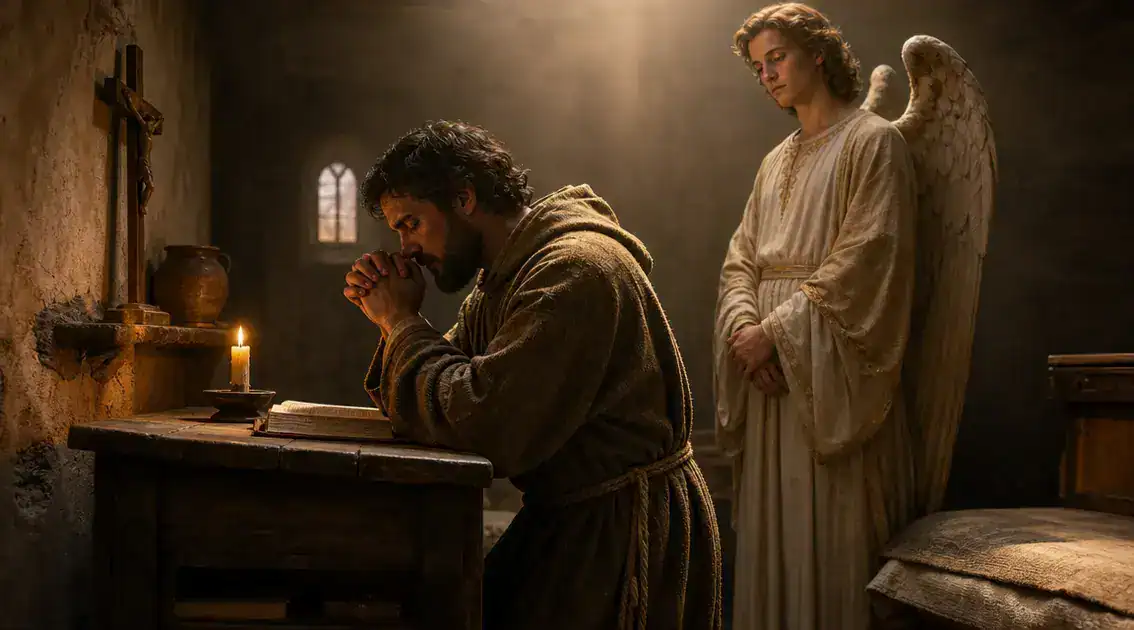
Many saints describe the presence of presiding angels not as loud miracles but as a steady companion in the life of prayer. In monastic halls and parish records these angels appear as quiet helpers of order, nudging leaders toward wise choices and calming anxious hearts. Their work is understood as service, a peaceful shaping of daily life rather than spectacle.
Some holy people recall clear visions or brief, guiding words, while others speak only of a soft prompting during work or a sudden sense of peace in conflict. Communities remember moments when tempers cooled and clarity returned, and individuals recall timely counsel that kept them true to their calling. Those testimonies point to an angelic role that is practical and humble—helping people live faithfully together.
These experiences have shaped prayer and practice: the Church learns to welcome interior guidance and to test it with patience and sound judgment. You can practice this tradition by offering routine tasks to God, pausing for a quiet breath before decisions, and asking for discernment in leadership and service. The saints teach that presiding angels tend the ordinary threads of life, making small acts of care into the fabric of lasting order.
Prayers, rituals and simple practices for inviting their guidance
Invite the dominions with simple, steady practices rather than dramatic rituals. Begin by making a short space of silence each morning and offer a single breathed sentence: “Order my hands, steady my heart.” This small act trains attention and opens your day to discernment without chasing signs.
Use humble, tactile rituals to ground that prayer. Light a candle or place a bowl of water on a table, bless the space with a brief sign of the cross, and then name one concrete duty—work, conversation, or a meeting—and entrust it to God. These gestures are not magic; they are reminders that leadership and care are spiritual tasks of service and patience.
Keep a short journal of choices and outcomes, and share simple decisions with a trusted friend or spiritual guide to test what you think is guidance. Over time you learn to prefer calm, steady movement toward good order rather than dramatic proofs. Practice makes the heart attentive, and quiet habits teach you to act with integrity and humble responsibility.
Discernment: recognizing their presence without seeking signs

Discernment begins as a small habit of attention: a quieting of the rush so you can notice what steadies the heart. Often the presence of a presiding angel is felt as a calm that asks you to wait, a soft prompt to choose mercy, or a steadying thought that keeps your work gentle. This presence rarely shouts; it guides through gentle clarity and inner peace that stays with you after a choice is made.
To recognize such guidance, check how it fits with Scripture, prayer, and wise counsel from others. True guidance tends to produce patience, humility, and steady action rather than excitement or fear. Practice asking, “Does this bring peace and order?” and let that question be a simple test of what you sense.
Make small routines that invite discernment: a short breath prayer before decisions, a pause to reread a passage of Scripture, and a quick note in a journal about what you felt and why. Share important impressions with a trusted friend or mentor to see if they hold up. Over time these quiet practices help you accept guidance without chasing signs, learning to welcome a steady, orderly presence that shapes daily life.
Ethical and spiritual cautions when invoking angelic help
Invoking angelic help asks for humility and care. It is easy to want quick answers or signs, but that desire can lead us away from prayerful waiting. Remember that God is sovereign and angels serve God’s will, not our wishes. Keep your hopes small and your heart open so that your seeking stays humble and faithful.
When you sense guidance, test it gently with Scripture, prayer, and trusted companions. Ask a spiritual mentor or a wise friend to listen to what you felt and to pray with you. True guidance usually brings patience, clarity, and charity; if a prompt urges secrecy, fear, or self-promotion, treat it with caution. Practicing simple tests of truth helps you avoid error and keeps your life in the light of community and the Word.
Respect others and refuse any use of angels to control or manipulate. Do not claim private revelations as authority over a group, and do not pressure others to accept your experiences. If you feel confused or tempted by dramatic signs, seek confession, counsel, and calm routines of prayer. These habits protect you from superstition and honor the real gift of angelic care: steady service that leads us toward love, patience, and faithful responsibility.
A gentle prayer for those who seek order
Breathe with me: Lord, thank you for the quiet ways you tend our days. We trust that your angels of order walk beside our small decisions and large duties. Keep our hearts open to their wise care.
May we learn to prefer calm, steady guidance over sudden signs. Give us discernment to test what we feel, and patience to wait for what is good. Let humility shape every choice and service.
Help us practice small acts of stewardship—one kind word, one careful decision, one prayer before work. In these simple habits, let divine order take root and grow. May our lives show care, not control.
Go in peace with a quiet heart. May wonder and duty walk together, and may you feel the steady, unseen help that keeps us true. Amen.
FAQ – Questions about the angel of the dominions and sacred guidance
Who are the dominions and where does Scripture mention them?
The Bible names dominions among heavenly ranks in passages like Colossians 1:16 and Ephesians 3:10, and Daniel 10 gives the sense of angelic figures acting over nations. Church tradition, from Pseudo‑Dionysius to later theologians, reads these texts as signs of a heavenly order that serves God’s will.
How do the dominions differ from archangels or guardian angels?
Dominions are often described as ministers of order who guide lower angels and help bring God’s purposes into community life. Archangels (like Michael or Gabriel) have specific missions in Scripture, and guardian angels are understood as personal companions. The dominions help shape public and communal order rather than ministering only to an individual.
May I pray to the angel of the dominions or ask for their help directly?
Tradition encourages asking God for help and may include addressing angels as God’s servants who aid us. Pray first to God andInvite the angelic help as a way of asking God to order your decisions. Avoid treating angels as independent sources of power; keep prayer humble, directed to God, and tested by Scripture and community practice.
How can I tell if I am receiving guidance from a presiding angel rather than my own wishful thinking?
True guidance often brings calm, clarity, and patience rather than emotional excitement. Test impressions against Scripture, bring them before prayer, and seek counsel from a trusted spiritual friend or mentor. If the sense leads to humility, charity, and steady action, it is more likely to be trustworthy.
What spiritual dangers should I watch for when seeking angelic help?
Avoid chasing dramatic signs, claiming private revelations as public rule, or using angels to control others. Tradition warns against superstition and secrecy. If an experience urges fear, pride, or isolation, step back, pray, and consult a spiritual director. Keep discernment anchored in Scripture and communal wisdom.
Do saints or the Church ever speak of dominions helping people in history?
Yes. The Church’s spiritual writers and many saints describe quieter forms of angelic help—steady counsel, timely peace, or protection for communities. Authors like Pseudo‑Dionysius and later theologians developed the idea of angelic orders, and many devotional accounts record gentle, ordering presences that strengthened leaders and communities in service.