Dominions, in Saint Thomas Aquinas’s teaching, are angelic choirs tasked with ordering and guiding lower angels so God’s providence reaches creation, serving as humble stewards who coordinate celestial governance and translate divine purpose into the steady care and liturgical praise that sustains the world.
Have you ever wondered how the court of heaven arranges itself around our lives? dominions thomas aquinas gently guides us through Aquinas’s picture of the dominions — their scriptural echoes, theological role, and how awareness of them can deepen prayer.
Aquinas on the hierarchy: understanding the dominions
Saint Thomas pictures the heavenly choirs as a living order rather than a loose crowd. He places the dominions among those choirs whose job is to shape how other angels carry out God’s will, so that every act of service fits the larger purpose. For Aquinas, dominions are chiefly about ordering — they guide and direct without overriding the freedom and roles of lower angels.
He often uses simple analogies to make this clear: dominions act like stewards or conductors who keep a vast work in harmony. They do not steal the scene from those they assist; instead they set the rhythms and patterns by which duties are done. This theological picture shows the dominions as servants of providence, translating divine care into the steady governance of creation.
That view opens a humble devotional doorway: knowing there is ordered care above us can quiet fear and invite trust. When Scripture names heavenly ranks, we glimpse a cosmos held together in purpose and praise, and we may let that trust shape our prayer. Living with that truth is to rest in the sense that the world is tended by an ordered, loving care whose reach includes even the smallest steps of our lives.
Scriptural roots: biblical images behind the dominions
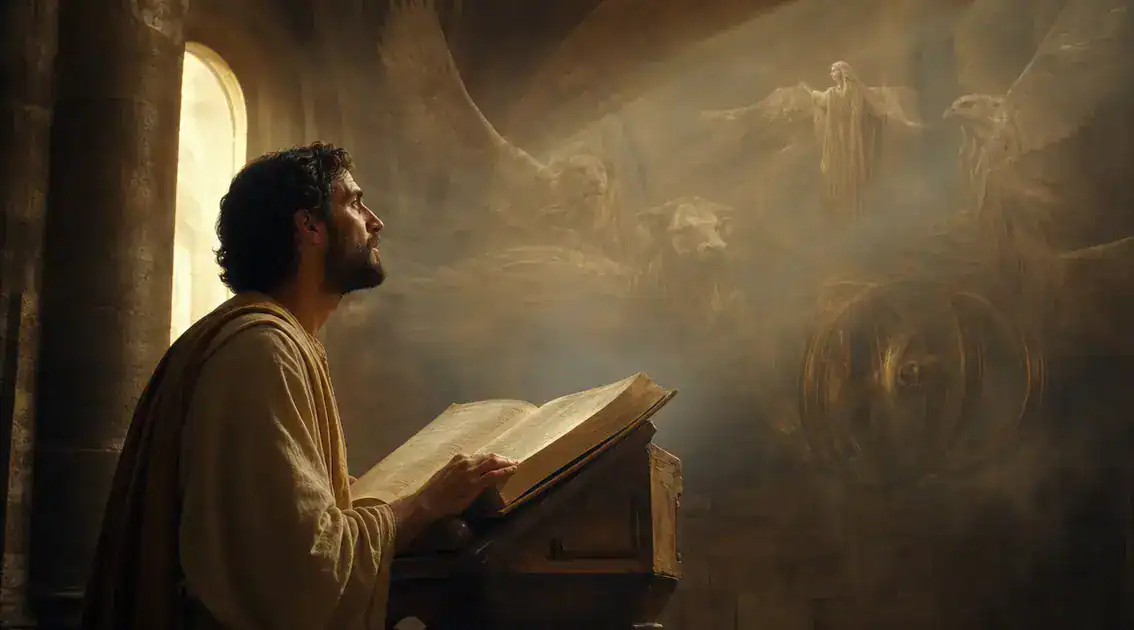
Scripture gives us vivid glimpses of the heavens so we can sense their order. In Isaiah’s vision, the seraphim circle the throne with burning praise, calling the holy one to attention. In Ezekiel’s account, the living creatures and turning wheels offer a strange but clear picture of motion and purpose — not chaos, but careful movement around the divine presence. These images invite us to see the divine court as active and organized.
The New Testament names that order more plainly. In Colossians 1:16, Paul speaks of thrones, dominions, principalities, and powers as part of God’s created ranks, and Hebrews calls angels “ministering spirits.” Psalm 103 praises angels as mighty servants who obey the Lord’s word. Together these passages show that dominions are not distant titles but scriptural ways to name how heavenly care is structured and carried out. This gives the word “dominion” a pastoral meaning: ordering service for God’s will.
Letting these biblical images sink in can change how we pray and live. When we picture seraphim lifting unending praise or angelic ministers attending creation, we feel less alone and more held by a larger purpose. This is a quiet consolation: Scripture teaches that the world is watched over by ordered, faithful service, and our small lives are part of that care. Such a truth invites both wonder and trust in the daily rhythms of prayer.
Theological function: how dominions order creation
In the Christian imagination the dominions act as stewards of divine order in the unseen world. They shape how God’s will moves into the world by coordinating the work of other angels so that actions fit a larger purpose. Aquinas sees them not as rulers who seize power, but as humble directors who hold the pattern so creation may flourish.
Think of the dominions as those who set the rhythms that keep life steady: the seasons, the rise of just leaders, the steady care that preserves communities. Their work is quiet and structural, guiding lower ranks without forcing them, so that freedom and providence can meet. This gentle governance keeps creation from falling into chaos and helps every part play its role in the whole.
Living with this idea can change the way we pray and act. We find consolation in the sense that the world is tended by an ordered, loving care that seeks the good of all. That trust invites patience and cooperation with God’s timing, and it calls us to be instruments of peace within the order the dominions help sustain.
Spiritual practice: relating to angelic governance in prayer
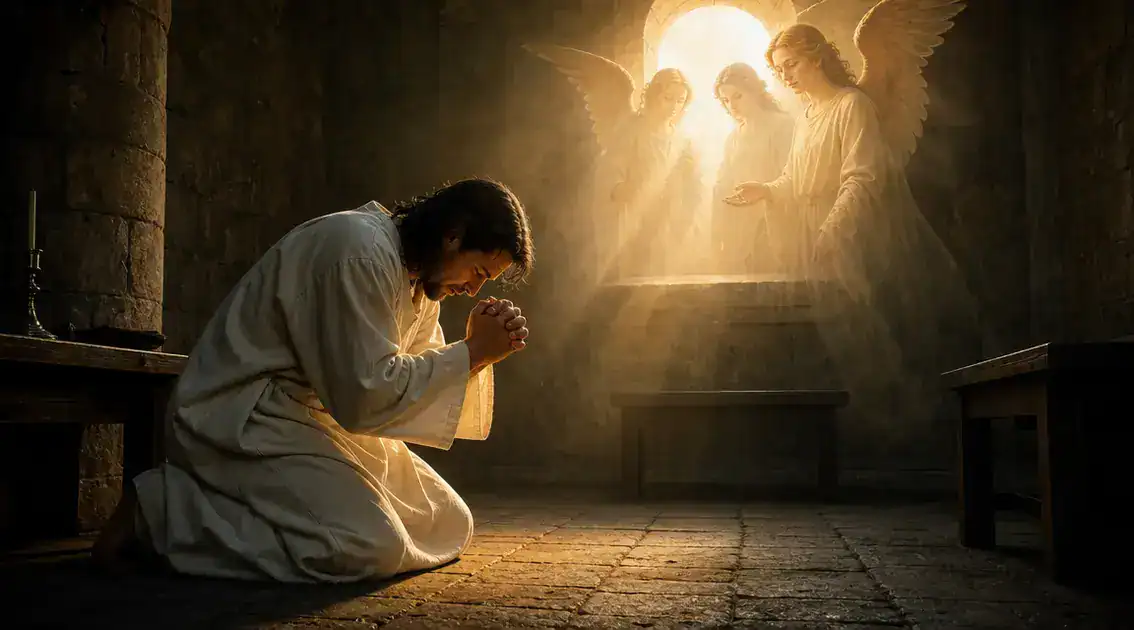
Begin with a short, simple act of attention: breathe, name God’s care, and quietly invite the angels to accompany you. A gentle invocation need not be ornate; it can be a brief sentence offered in humility that asks for guidance and clarity. This practice trains the heart to notice the unseen help that moves with God’s will.
Use Scripture and small signs to hold your attention. Recall that Scripture calls angels ministering spirits and that Paul names thrones and dominions as part of God’s ordered life in creation. Let a line from a psalm or a single phrase from Colossians settle in your mind as you breathe, so prayer becomes a rhythm of listening to both God and the silent governance that attends us.
Turn these moments into a steady habit: a morning entrustment, a short pause before decisions, or a night prayer of thanks. Practice need not be showy; it is a quiet habit of offering the day to God and receiving the calm that comes from trust. Over time, this simple routine can form a deeper sense of being held by an ordered, loving care that guides both the world and your small steps within it.
Tradition and devotion: saints, liturgy, and popular imagination
Many saints wrote and lived as if the heavens were near. They spoke of angels, liturgical rhythms, and a steady order that shaped their days. Saint Thomas Aquinas joins this tradition, helping us see how sacred practice and heavenly care belong together. This witness encourages a gentle confidence that faith is rooted in a wider, caring order.
In the liturgy we meet that order in senses and sounds. Hymns, incense, and the turn of the rites echo the movement of the heavenly court. When we sing an ancient chant or bow at the creed, we join a long stream of devotion that imagines heaven reaching down. Liturgy makes us feel the presence of ordered praise, and it trains our hearts to live under that care.
Devotional art and popular piety carry the same truth into daily life. Icons, processions, and feast days shape how people picture the divine help that watches over the world. Small practices — lighting a candle, saying a short prayer before work — let that imagination become a lived habit. These humble acts turn belief into trust, and they invite us to walk more gently in a world we now sense as tended by saints, song, and angelic care.
A gentle closing prayer
Lord, you who order heaven and earth, we give thanks for the quiet care that holds our days. Let the image of ordered service steady our hearts and lift our eyes to the mystery that surrounds us.
Teach us to live with that trust in small ways: a short morning entrustment, a pause before decisions, a simple word of thanks at night. Let these habits root us in the ordered, loving care that guides all things.
May wonder shape our steps and peace shape our choices. Send us forth with gentle eyes, patient hands, and a readiness to notice the holy in ordinary moments. Amen.
FAQ – Questions about dominions, angels, and Saint Thomas Aquinas
What did Saint Thomas Aquinas mean by the dominions?
Aquinas taught that the dominions are one of the higher angelic choirs whose task is to guide and order the work of lower angels so God’s providence is carried out. In the Summa Theologiae he treats angelic ranks as real roles in the heavenly ordering, emphasizing service and harmony rather than domination.
Are the dominions found in the Bible?
Yes. Scripture names angelic ranks in several places — for example, Colossians 1:16 and Ephesians 1:21 list thrones, dominions, and powers, while Hebrews 1:14 calls angels “ministering spirits.” Prophetic visions in Isaiah, Ezekiel, and Revelation give poetic images of an ordered heavenly court that later tradition identifies with these ranks.
How do dominions differ from guardian angels?
Dominions are higher-ranking beings who coordinate and direct angelic activity; guardian angels are ministering spirits entrusted to individuals or communities. The Gospels and Christian tradition (see Matthew 18:10 and Hebrews 1:14) highlight personal angelic care, while dominions function more broadly to preserve the order of creation.
Should I pray to the dominions or ask them for help?
Christian practice places prayer to God at the center, but tradition allows asking angels — especially your guardian angel — to intercede or assist in prayer. It is important to avoid worship of angels; instead, invite their guidance as servants of God, entrusting all petitions ultimately to the Father in the name of Christ.
How can knowing about the dominions shape my prayer and worship?
Awareness of the dominions invites us to see liturgy and private prayer as participation in a larger, ordered praise. When we pray with biblical images in mind (for example, the heavenly choirs in Revelation), our worship becomes less private and more communal with heaven. This perspective can bring comfort, steadiness, and a deeper sense of belonging to God’s ordered care.
Do saints or tradition report encounters with the dominions specifically?
Many saints report angelic experiences, though encounters named explicitly as “dominations” are rare. Saints such as those in mystical traditions spoke of angelic guidance, and theologians like Aquinas reflected on their roles. The Church treats such private experiences cautiously: they can inspire devotion but are judged against Scripture and tradition before being accepted as reliable.