
Dominions regulate lower angels by ordering and directing their service according to God’s will, acting as gentle governors who translate divine purposes into concrete tasks, align lower choirs toward mercy and justice, and preserve harmony in the heavenly economy as described in Scripture and articulated by Pseudo‑Dionysius, Augustine, and later theologians.
dominions regulate lower angels — have you ever wondered how higher choirs guide and steady the ministry of the lesser ranks? This short, reverent reflection gathers scripture, tradition, and a devotional gaze to let that quiet ordering speak into your life.
Origins of the dominions in scripture and tradition
In Scripture the idea of ordered angelic ranks appears in brief phrases that name them and hint at purpose. Colossians 1:16 lists thrones, dominions, rulers, and authorities as part of the created order through Christ, and those names point to roles rather than mere titles. Such passages invite us to see angels as organized for service, each choir given a particular share in God’s care.
Later writers shaped these biblical hints into a clearer map of the heavens. In the work known as the Celestial Hierarchy, a figure called Pseudo-Dionysius arranged the choirs into a ninefold order and placed the Dominions among the higher choirs as guiding stewards. Medieval teachers like Gregory the Great and Thomas Aquinas adopted and refined this picture, describing Dominions not as distant commanders but as gentle governors who direct lower angels toward faithful action and harmony.
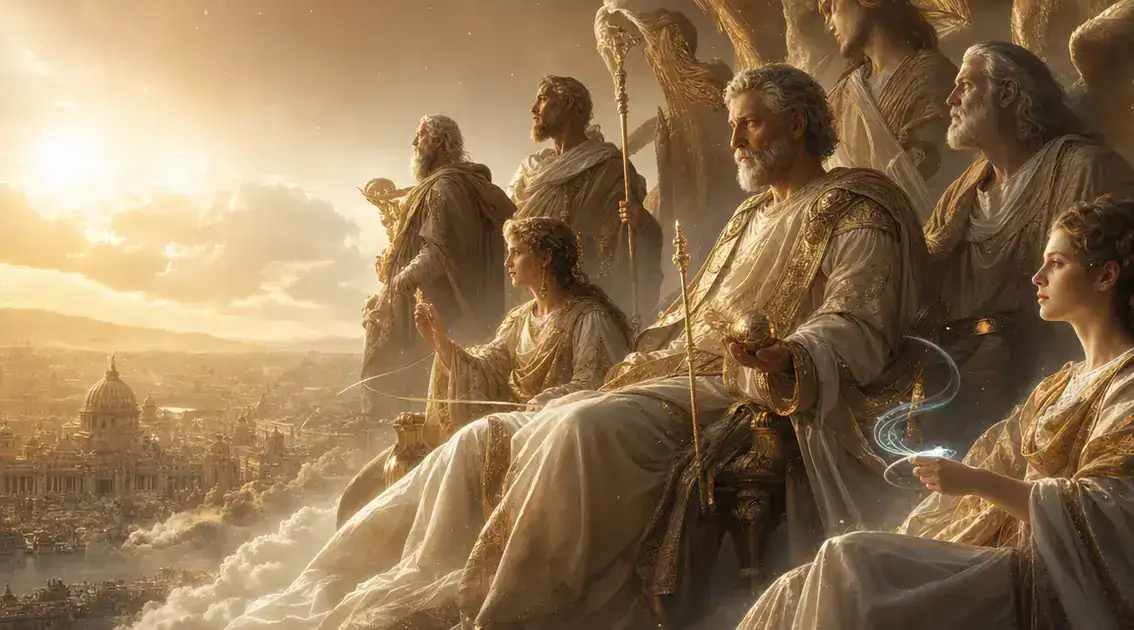
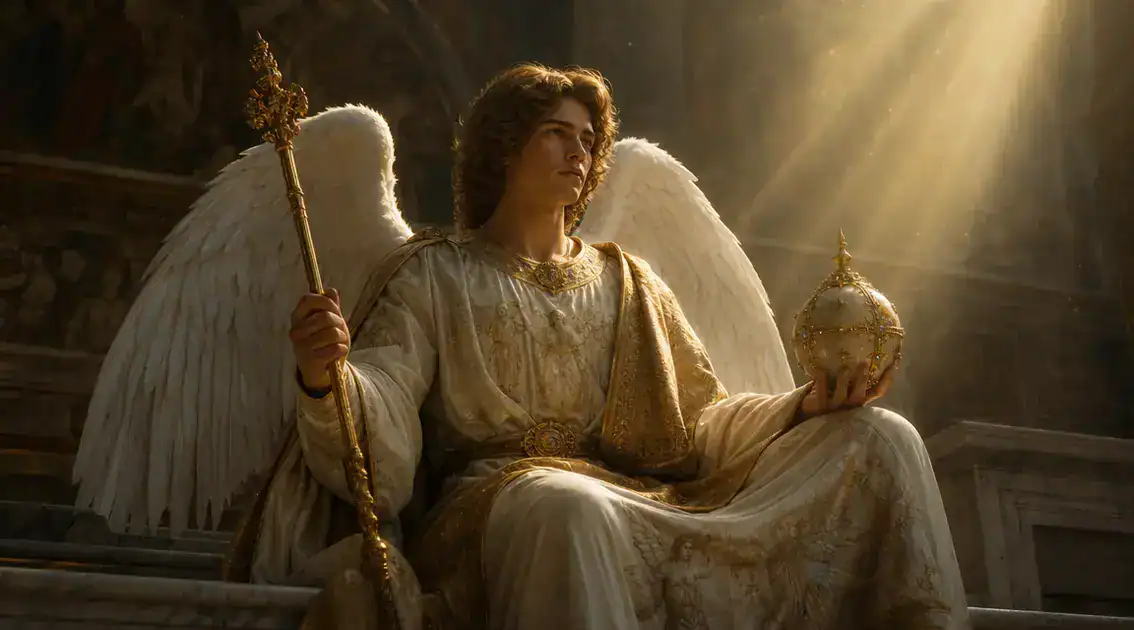
Devotion to this tradition softens fear and deepens trust. When we imagine Dominions at work, we are reminded that divine care is orderly and loving, not chaotic or arbitrary. Art and liturgy help here, using light and gesture to show Dominions quietly orienting the unseen work of the lower choirs so that human lives may be gathered into God’s ordered mercy.
How dominions shape the mission of lower angels
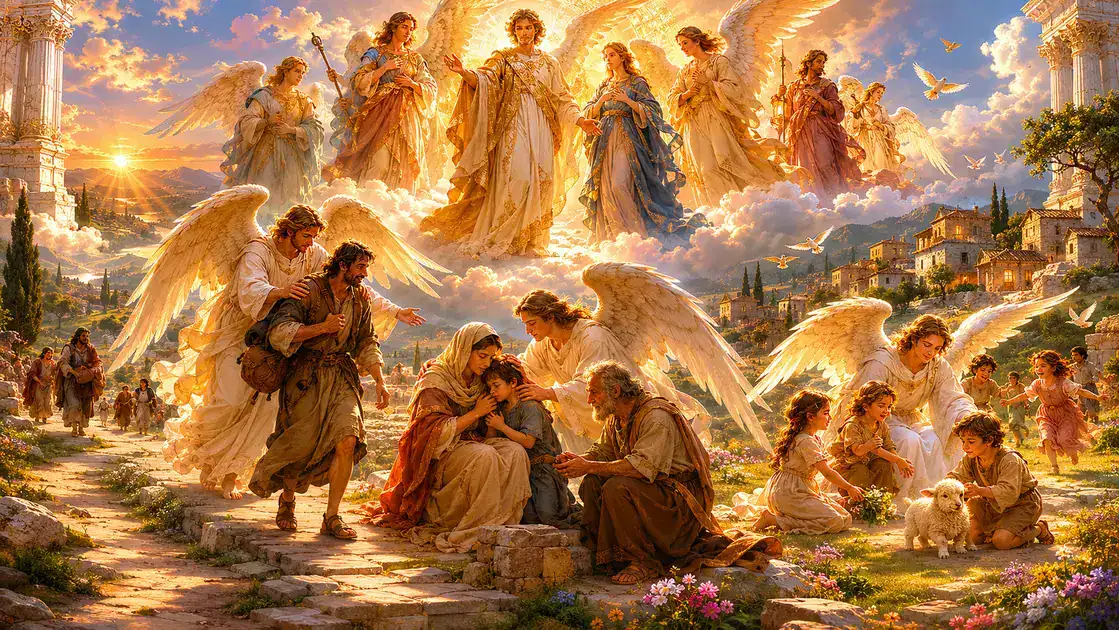
When you picture the Dominions, think of calm guides who turn broad divine purpose into particular tasks for other angels. The Bible names ranks like thrones and dominions, and that language points to shared work rather than mere honor. In this way, Dominions shape mission by aligning service with God’s will, helping lower angels know where mercy and order are needed.
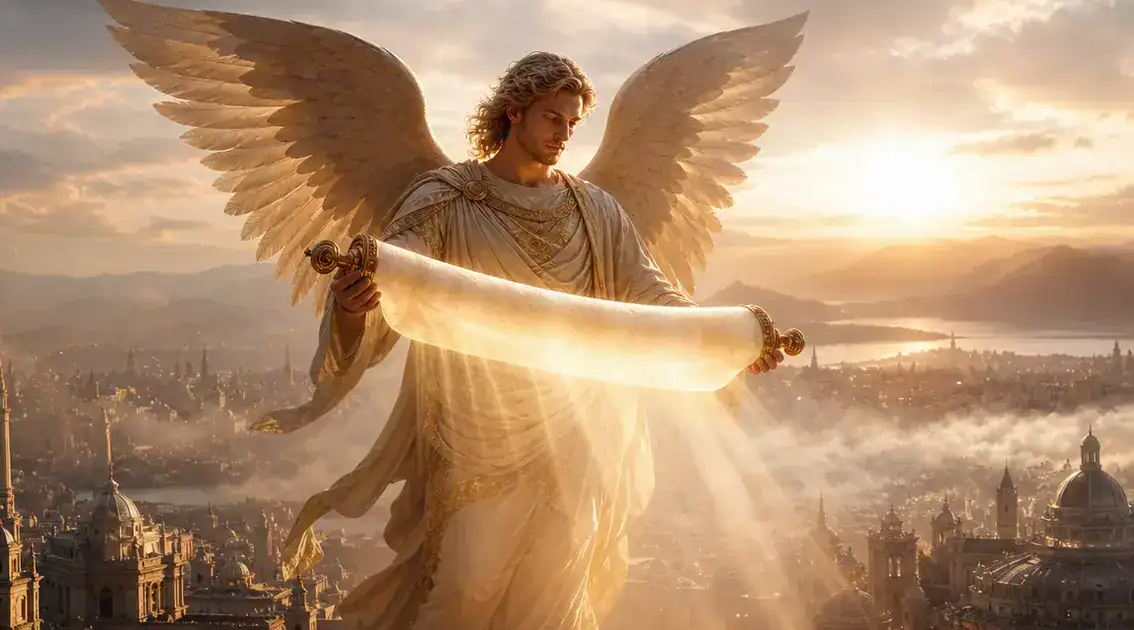
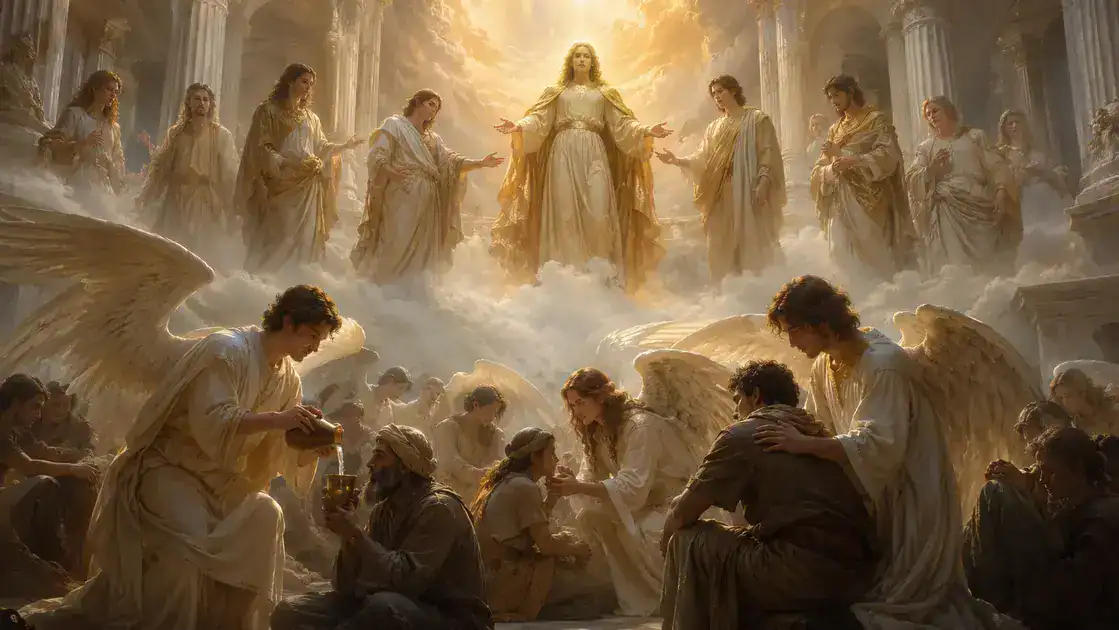
This shaping shows up in simple, human scenes. One band of lower angels may be sent to guard a weary traveler, another to soothe a grieving heart, and another to steady a community through hardship. The Dominions do not force action; they set the pattern, teach the aim, and keep the work ordered so compassion reaches the right place at the right time.
For prayer and practice, this image invites trust and cooperation. When we pray, pause, or serve, we join a larger, ordered kindness that echoes what the Dominions steward. Let that thought steady you: even small acts fit into a gracious plan, and trusting this heavenly coordination can turn ordinary days into quiet acts of shared care.
Scriptural passages that suggest hierarchical order
Certain New Testament lines name angelic ranks in ways that feel practical and ordered. Colossians 1:16 lists thrones, dominions, rulers, and authorities, and Ephesians 1:21 speaks of Christ seated above every rule and power. These short phrases do not give a full map, but they gesture toward a heavenly order where names point to roles of care and governance.
The Old Testament and apocalyptic books add a different angle that fits with those names. In Daniel we meet princes and the figure of Michael, called a great prince who stands for God’s people, while Revelation shows bands of heavenly beings gathered around the throne. Seeing Michael as archangel and the mention of angelic princes helps us sense a structure that protects and guides history without fixing every detail of how it works.
Read devotionally, these passages invite trust more than fear. They shape a picture of a cosmos where God’s care is enacted through ordered service, and where lower angels act within a broader, loving plan. Holding that image softly can change how we pray and live, because it suggests that our small needs and acts belong to a larger, ordered mercy.
Church fathers and medieval theologians on angelic ranks
Early church fathers read Scripture with prayer and care, noting angelic names and asking what they reveal about God’s care. Figures like Augustine and Chrysostom treated these names as signs of function and love, not as badges of pride. Their reflections often aimed to comfort believers and to show that heaven’s order points back to God’s tender governance.
Later writers drew these threads into clearer patterns. Pseudo-Dionysius offered a shaped vision of the choirs, and medieval theologians such as Gregory and Thomas Aquinas refined that picture with careful reasoning. They emphasized that the ranks differ by role and service, so that the hierarchy is best seen as ordered service rather than distant domination; Dominions, for example, act as guiding stewards who orient lower angels toward good ends.
These theological accounts left a gentle mark on devotion, liturgy, and art. In churches and manuscripts, images of ordered choirs taught the faithful to trust a cosmos held in care. For daily life, the teaching invites us to see our own work and calling as part of a larger, loving pattern, where every humble task participates in heavenly order and service is the true measure of rank.
Seeing dominions at work: a devotional reading
Imagine a quiet chapel at dawn, the air warm with candlelight, where a single prayer lifts like a soft thread. In that quiet, you can picture the work of the choirs: Dominions as steady figures who do not shout orders but shape the flow of helping acts. They remind us that heaven’s care often moves through calm, ordered service rather than noise.
When you read the Gospels or sit in silent prayer, try to notice the small ways divine ordering might touch your life—a timely thought, a sudden peace, hands that know how to help. These are the kinds of things lower angels carry out when they follow the pattern the Dominions help set. Seeing it this way makes ordinary mercy feel part of a larger, loving plan, and it casts service as a shared work between heaven and earth.
Practically, this view invites a gentle response: make small, intentional acts of kindness and offer them in prayer as part of a wider harmony. Let trust in heavenly ordering steady your steps rather than replace your choices; your care matters because it joins a gracious movement. Hold that image lightly and return to it often, so daily life becomes a place where divine ordering and human love meet.
Pastoral meaning: what hierarchy teaches about human vocation
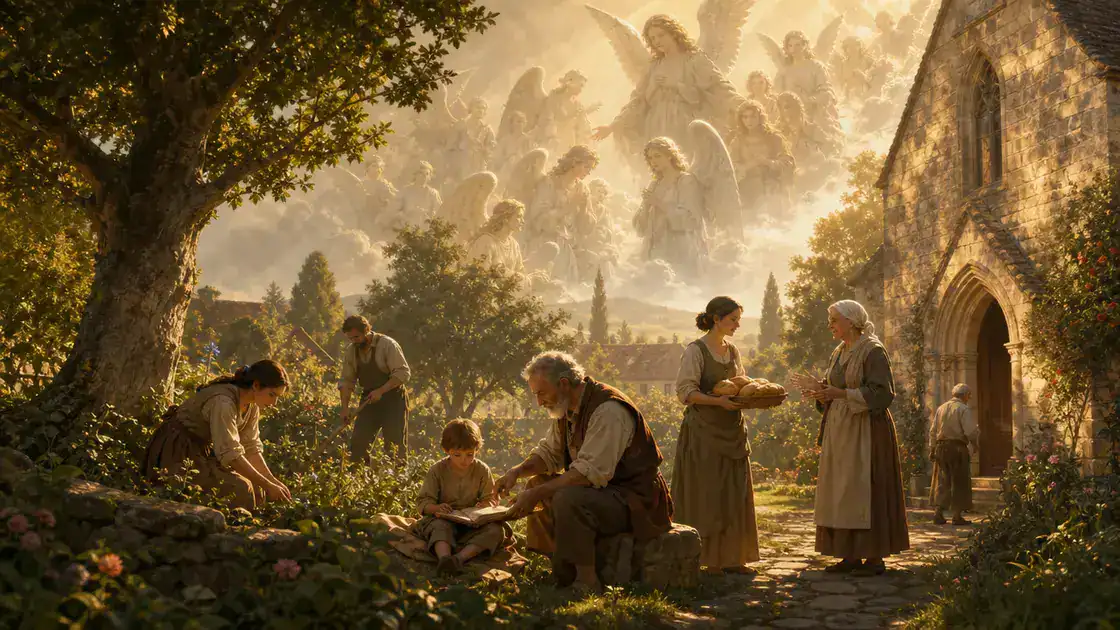
The idea of angelic ranks can shape how we think about work and calling without making anyone feel small. The heavenly order shows that roles differ by purpose, not worth. When Dominions guide with gentle authority, they model a rule that serves love and steadies action, which helps us see our tasks as part of a larger care.
That view changes ordinary vocation into a sacred practice. A parent who feeds a child, a teacher who listens, or a neighbor who brings a meal share in the same ordered service the choirs embody. Vocation is shown as humble service—a place where small duties matter because they fit into the flow of God’s care, much like lower angels carrying out the patterns the Dominions help set.
Pastoral life can use this image to encourage steadiness and humility. Spiritual direction, communal prayer, and simple routines help people discern their call and keep their work faithful. By naming service as the true measure of rank, pastors and leaders invite communities to honor every role and to practice the quiet ordering of love that reflects the heavenly pattern.
Art, symbol, and liturgy: visual lessons on heavenly order
Sacred art has always served as a teaching voice for the faithful, using color, line, and light to show the heavens in ordered layers. Icons, altarpieces, and mosaics place choirs of angels in tiers so that the eye moves from throne to servant, and the viewer senses that order is meant to comfort and guide. In those images, gestures and gaze matter more than labels, and visual theology makes unseen truths feel near.
Symbols in worship act the same way; processions, incense, bells, and vestments give movement to what pictures suggest. In liturgy the church enacts a pattern: some lead, some serve, all join a single hymn of praise, and this ritual mirrors how Dominions direct and lower angels respond. By watching and joining, congregations learn that liturgy forms imagination and trains the heart to live within a loving order.
Looking at a fresco or standing in a procession can turn into a quiet school of devotion. Pause before an image, notice tiers, gestures, and light, then let those details lead you into prayer. These practices do not replace action; they steady it—reminding us that our small services are part of a wider, gracious pattern where heaven’s order meets daily life.
A gentle closing prayer
Lord, in the hush of our hearts we rest in the ordered care you give. Let the image of Dominions guiding and lower angels serving soften our fears and steady our steps.
Teach us to see daily tasks as part of that loving order, so simple acts of kindness become ways to join heaven’s work. Help our hands learn humility and our hearts learn trust.
Give us eyes to notice small mercies, the courage to serve, and the peace to trust that every faithful act matters. May this vision follow us into the day and shape the way we live.
Amen.
FAQ – Understanding dominions and the angelic hierarchy
What are Dominions and where do they appear in Scripture?
The New Testament names dominions among other ranks (Colossians 1:16; Ephesians 1:21), showing that angelic orders exist within God’s creative work. The fuller ninefold scheme comes from Christian tradition (notably Pseudo‑Dionysius) which reads those scriptural names as signs of distinct functions in heaven’s care.
How do Dominions regulate the work of lower angels?
Tradition and theologians like Thomas Aquinas describe Dominions as gentle governors who set patterns and purposes rather than issuing harsh commands. Their role is to align the service of lower angels with God’s will, so mercy and order are delivered in ways that fit God’s loving plan (read devotionally beside Colossians 1:16).
Can people perceive or interact with Dominions directly?
Direct perception of higher choirs is rare in Scripture and tradition; saints sometimes report visions, but ordinary Christian life meets this reality mostly through prayer and liturgy. Rather than seeking visions, the wise practice is to cultivate quiet prayer, sacramental life, and attentiveness so one becomes receptive to God’s ordering through these unseen ministers.
Does belief in an angelic hierarchy change how I think about my vocation?
Yes. Seeing heavenly order as ordered service invites us to reframe our daily work as participation in God’s care—small acts of kindness matter because they join a larger pattern. Pastoral teaching has long used this image to encourage humility and faithful service: rank is measured by love and usefulness, not by prestige.
How are Dominions different from archangels like Michael or Gabriel?
Archangels (for example Michael in Daniel and called an archangel in Jude 1:9, and Gabriel in Luke) are named in Scripture with specific missions. Dominions are a higher choir in the traditional schema whose task is relational governance and ordering of other angels, not a single named messenger role. Both serve God’s purposes but in distinct ways.
How should I pray or live in light of this teaching about Dominions and angels?
Pray with humility and trust: thank God for ordered care (Colossians 1:16), ask for guidance to serve faithfully, and let liturgy and small acts of mercy shape you. Tradition recommends joining worship, practicing regular prayer, and offering everyday service as a way to participate in the heavenly harmony rather than trying to control or micromanage the spiritual realm.