

Angels signs of the times indicate God’s active intervention in history, portrayed in Scripture and upheld by Christian tradition as angelic messengers who announce decisive moments, call people to repentance, shield the faithful, and invite prayerful discernment and loving service rather than fear-driven speculation.
angels signs of the times; Have you ever wondered how the church reads angelic activity in the last days? Walk with me through Scripture, tradition, and prayer to discern what these signs invite us to become.
Signs in Scripture: how angels appear in eschatological passages
In prophetic books like Daniel and Revelation, angels often enter the scene as clear, moving signs in the sky and on the earth. They appear not as vague spirits but as active figures: delivering visions, sounding alarms, and carrying out divine commands. The images of angels with trumpets, sealed scrolls, or bowls of judgment are meant to grab our attention and to point us beyond the noise of daily life toward a larger story God is telling.
These signs are both symbolic and functional. When an angel blows a trumpet or opens a seal, the text invites us to hear and to watch—these acts announce turning points in sacred history. At the same time, the angel’s presence comforts those who trust God and warns those who are drifting away. Reading these scenes devotionally helps us see that the strange language is not meant to scare us but to move us toward faithful response.
So how should these angelic signs shape our life? They ask for three simple responses: attention, repentance, and hope. Attention means listening to Scripture and prayer; repentance means turning back when we have grown lax; and hope means holding fast to God’s promise even when events feel uncertain. The angels in eschatological passages thus serve as guides—reminding us that the end-times images are invitations to deeper trust, not mere curiosities to be cataloged from afar.
Church teachings on angels and the last days
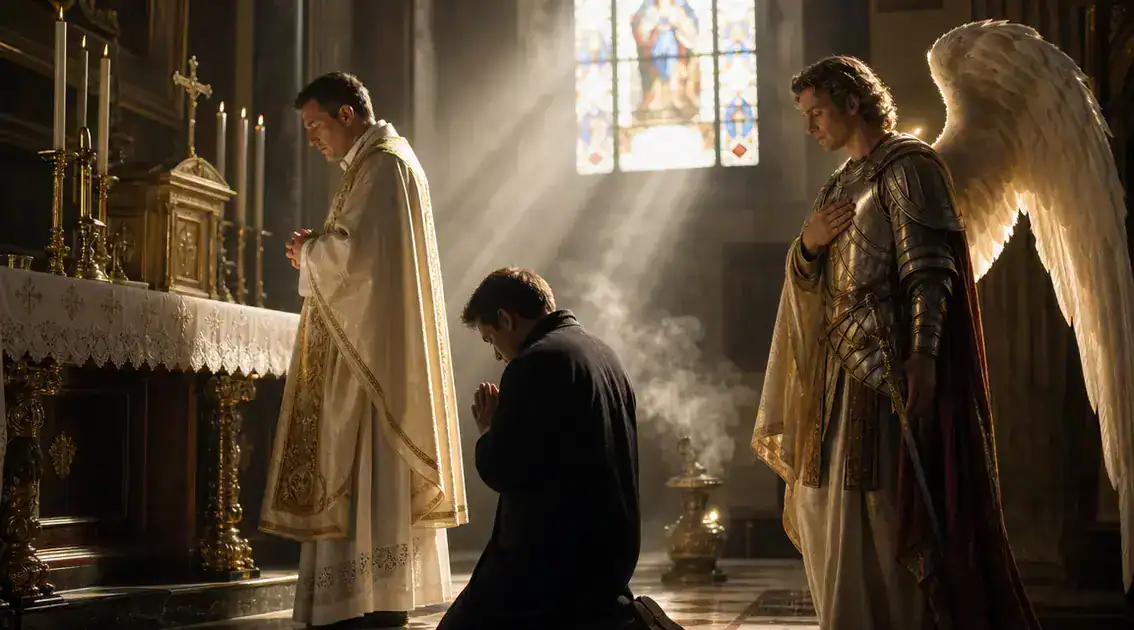
The church teaches that angels are real, created beings who serve God and help our journey of faith. They act as messengers, guardians, and ministers of God’s will, quietly present across Scripture and tradition. This teaching is not meant to startle us but to comfort and steady our trust in a God who cares for every detail of creation.
When it comes to the last days, the church reads angelic images with careful faith and calm attention. Angels in apocalyptic texts point to God’s action rather than stirring panic; they mark moments when God breaks into history to heal, judge, or gather. The faithful are encouraged to practice discernment, listening to Scripture, the sacraments, and the wisdom of the community to understand what these signs ask of our hearts.
That guidance leads to simple, steady responses: prayer, conversion, and charity. We may ask for the help of guardian angels, honor archangels like Michael in our devotions, and deepen our life in the sacraments so we stand ready. In all of this, angels draw us toward loving service and hopeful watchfulness, reminding us that God’s care reaches into both ordinary days and the final unfolding of history.
Archangel Michael and the imagery of cosmic struggle
Archangel Michael appears in Scripture and tradition as a calm, resolute leader of the heavenly host. In Revelation he stands against the dragon, a vivid image of God’s care breaking into the world. This scene is less about spectacle and more about the steady work of divine protection.
The phrase cosmic struggle helps us name what the image shows: a conflict between good and harm that touches all of life. Michael is not a wild warrior but a guardian who acts with order and mercy. His sword and shield in the art speak to God’s justice and to a courage rooted in service, not pride.
For our daily faith, Michael’s presence invites simple responses: trust, prayer, and faithful action. Calling him to mind need not be dramatic; it is a reminder to stand with honesty, care for the weak, and pray for strength. In this way, the archangel’s story grounds our hope and calls us to live with quiet courage under God’s care.
Reading modern events: discernment without fear or sensationalism

When modern events stir fear or wonder, we can be quick to read every report as an omen. Angels in Scripture usually point us back to God’s care rather than to sensational headlines, so a calm heart helps us see what matters. Keeping a steady posture lets the signs do their work: calling us to faith, not feeding anxiety.
Discernment grows from simple practices: prayer, Scripture, and honest conversation with others in the church. Ask for clarity in prayer, read passages slowly, and bring questions to a trusted pastor or a faith community. Test the spirits by checking claims against the Gospel — does this lead to love, humility, and truth, or to fear and division?
Choosing this way does not mean ignoring real trouble; it means meeting it with hope and practical love. Small acts like praying for those who suffer, serving quietly, and staying rooted in the sacraments tune our hearts to what angels point toward. In that steady watching, we find readiness without panic and a faith that cares for others first.
Practical devotion: prayer, vigilance, and angelic companionship
Prayer is the place where angelic companionship often feels closest. When we bow our heads or speak quietly, we make room for a gentle presence that Scripture and tradition call guardian angels. This is not about magic, but about a steady kindness that reminds us we are watched over and held.
Vigilance in faith means simple, watchful practices more than constant worry. Morning prayer, a brief examen at night, or a moment of silent attention in the day help us stay aware of God’s movement. These small habits train our hearts to notice when an invitation to love or a warning to turn is near.
Our devotion grows when prayer meets action. The sacraments, acts of charity, and service to neighbors are ways we live out what angels point toward—mercy, humility, and hope. Hold to sacramental life and loving service as a steady path; in that way, angelic companionship becomes part of daily, faithful living.
Pastoral responses: hope, charity, and spiritual preparation
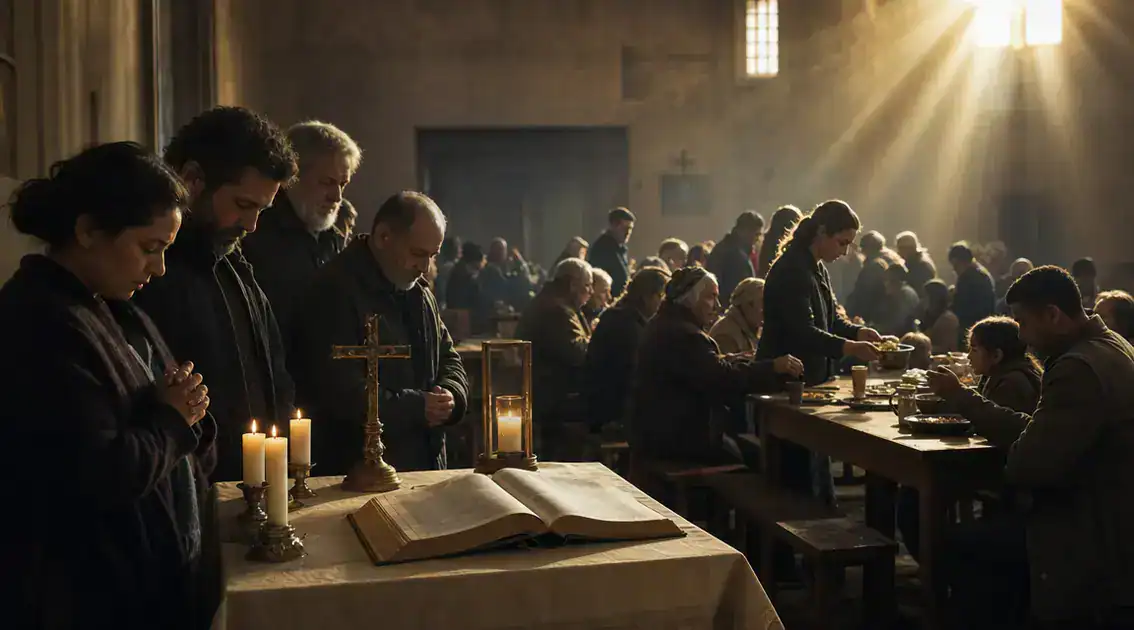
Pastoral responses begin by holding hope as a living thing, not a slogan. Clergy and shepherds remind us that the signs we read point to God’s care, and they teach us to trust in that care day by day. Hope becomes a steady posture that calms fear and opens hands to serve.
That hope shows itself in charity. Feeding the hungry, visiting the lonely, and caring for those in need are the church’s concrete answer to apocalyptic signs. When a congregation reaches out with simple mercy, it reflects the angelic call to protect and heal, and it turns anxious talk into loving work.
Spiritual preparation grows from prayerful habits more than from frantic prediction. Regular prayer, reading Scripture, confession, and the sacraments shape hearts to be ready and compassionate. Spiritual preparation trains us to meet the future with clear eyes and open hands, rooted in love rather than driven by fear.
A gentle prayer for accompaniment
Lord, we thank you for the quiet ways you send help and hope. We are never alone on the road you set before us. Even when days feel heavy, your care reaches us through hidden hands.
Give us simple hearts to notice signs of your love and the courage to answer. Help us to keep watch with prayer, to care for our neighbors, and to live with steady hope rather than fear.
May the memory of angelic care turn our worries into service and our questions into trust. Send us out with peace, ready to meet each day with gentle courage and loving hands.
FAQ – Angels, signs of the times, and faithful discernment
How do Scripture and tradition portray angels in the last days?
Scripture shows angels as active instruments of God’s work in the end-times—bringing visions, sounding trumpets, and carrying out divine commands (see Daniel’s visions and Revelation 8–11). Church tradition reads these images as signs that God is at work in history, calling people to repentance and hope rather than to idle curiosity or fear.
Should Christians expect angels to reveal secret future events to individuals?
The church warns against seeking private revelations as a substitute for Scripture and sober pastoral guidance. While God can and sometimes does send messages through angels, believers are called to test the spirits (1 John 4:1) and weigh any claimed revelation against the Gospel, the teaching of the community, and reason. Prudence and humility are the proper posture.
Can angels protect people during modern crises or disasters?
Yes, Scripture and tradition witness to angelic protection (for example, Psalm 91:11 and Acts 12). Yet this protection is not a promise of exemption from suffering. Angels assist according to God’s wise care—at times guiding, guarding, or delivering, and at other times offering comfort that helps us endure trials with hope.
How should I respond when news or events are called “signs of the times” involving angels?
Respond with prayerful discernment: slow down, read Scripture, seek counsel in your faith community, and ask whether the interpretation fosters love, humility, and service. The practice of testing claims against the Gospel helps prevent fear or sensationalism and guides practical responses of mercy and prayer.
Who is Archangel Michael and why does his image appear in end-time scenes?
Archangel Michael appears in Scripture as a chief protector of God’s people (Revelation 12:7–9; Jude 1:9). Tradition portrays him as a leader of the heavenly host who opposes evil. His image in eschatological passages symbolizes God’s just and ordered defense of the faithful and invites believers to courage and fidelity.
What daily practices help me grow in awareness of angelic companionship?
Simple, steady practices deepen awareness: brief morning prayer inviting your guardian angel’s help, an examen of conscience each evening, regular reading of Scripture, participation in the sacraments, and quiet acts of charity. These habits shape a heart that notices God’s care and responds in service rather than seeking signs for their own sake.