
Dominions, the first order of the Second Sphere in Christian angelology, are heavenly rulers entrusted by Scripture and tradition to oversee cosmic order, guide lower angelic ranks, and influence the governance of nations through gentle stewardship and providential counsel, inviting believers to pray for wisdom, justice, and faithful leadership.
dominions second angelic sphere — have you ever wondered why this first order appears as governors in sacred texts? I’ve studied Scripture and patristic writings; here is what stood out for prayerful reflection.
Origins of the dominions in Scripture and early tradition
In the New Testament, the word “dominions” appears among a short list of angelic ranks that point to a heavenly order at work in the world. Colossians 1:16 names thrones, dominions, principalities, and powers, and that brief line invites us to see angels not as random spirits but as roles that serve Christ’s rule over creation. Seeing dominions in this light helps us imagine a steady, guiding presence behind the life of nations and communities.
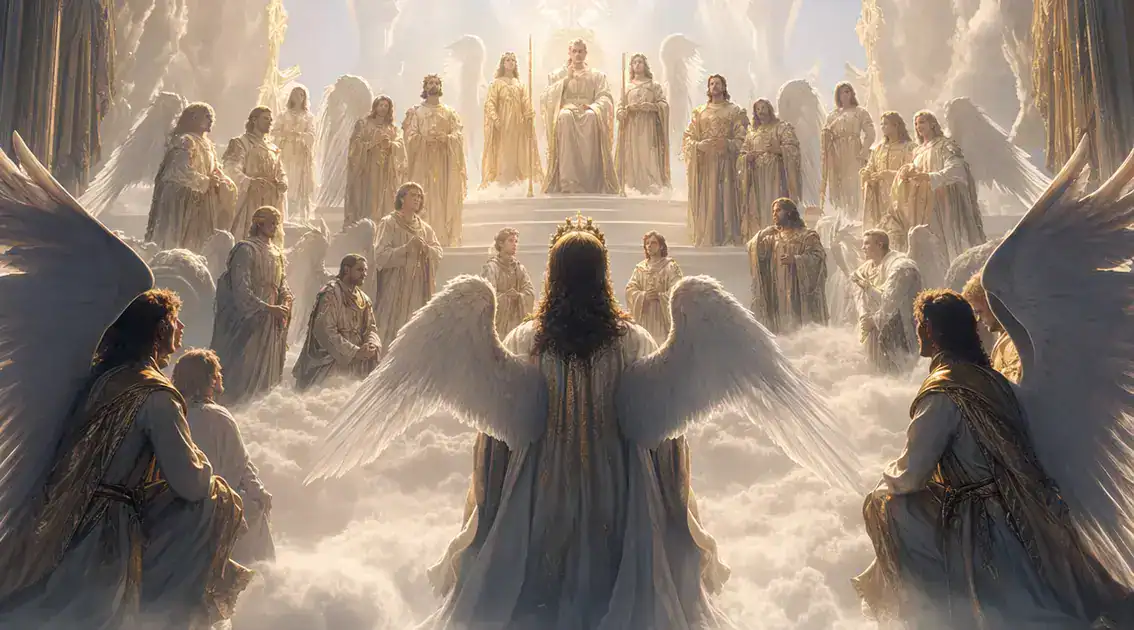
Early Christian writers drew on Jewish apocalyptic memory and on Greek theological thought to shape a fuller picture. Pseudo-Dionysius sketches a ninefold hierarchy where the dominions sit as the first order of the second sphere, charged with ordering and gently guiding lower ranks. This image is less about showy power and more about careful governance — angels who help keep the cosmos in its right place.
Later theologians, including those in the patristic and medieval tradition, treated dominions as real partners in God’s care for the world, often linked to the counsel given to rulers and to the moral order of society. In devotional practice, reflecting on the dominions invites a calm trust: the same God who set the stars in their courses also appoints unseen stewards for the life of nations. Such reflection can turn a vague cosmic idea into a felt assurance of ordered care that holds our small lives within a larger, loving plan.
Attributes and functions of the first order of the second sphere
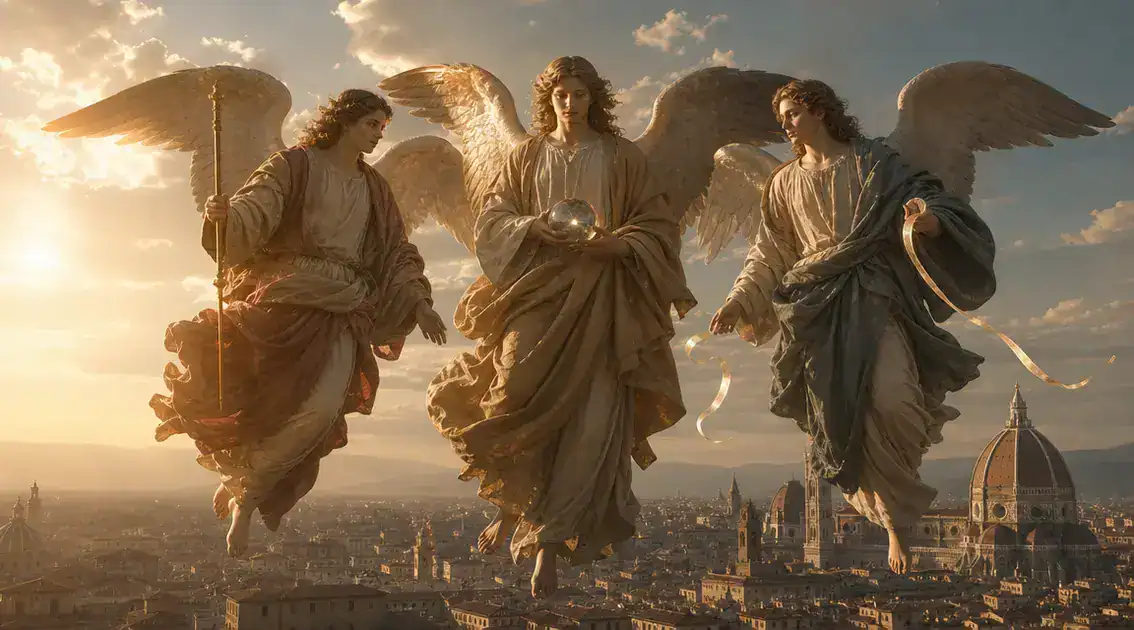
The dominions show a gentle form of authority. They are not loud or warlike but calm and steady, like a governor who cares for a household. In Scripture they appear among ranks that serve Christ’s reign, reminding us that heavenly authority exists to keep order and to bless life. Colossians 1:16 places them in the chain of beings that honor the Son, which helps us see authority as service.
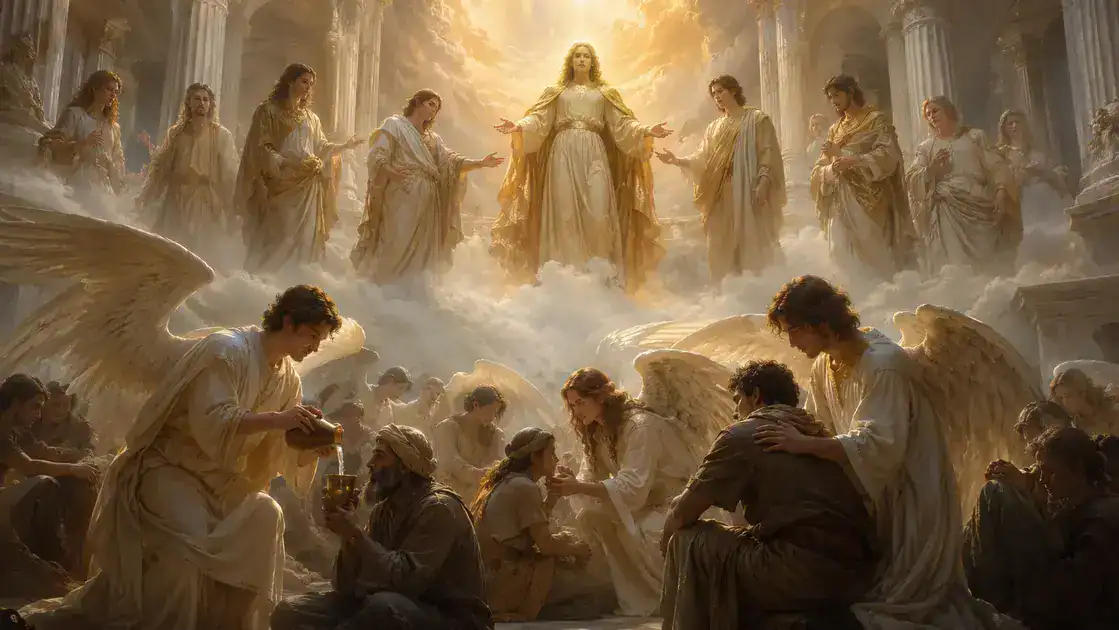
Their function is largely regulatory and formative. Dominions guide lower angelic orders, shape the flow of events toward right ends, and nudge human leaders toward wisdom and restraint. They work more through guidance than spectacle, tending the moral and social structures that allow communities to flourish. This makes them like careful stewards who align small choices with a wider, divinely ordered plan.
Knowing this invites a simple devotion. We can pray for leaders and for peaceful order, trusting that unseen care attends nations and neighborhoods alike. In quiet reflection, we may notice how everyday routines fit into a larger harmony and offer thanks for that care. Such thinking nurtures a calm trust in divine stewardship that holds both public life and private days within God’s keeping.
Dominions and the governance of nations: biblical examples
Scripture gives us clear scenes where heaven touches the affairs of nations. In passages like Daniel 10, an angel speaks of a struggle with the “prince” of a kingdom and tells of Michael, who comes to assist. Such images help us see that political events may have a quiet, spiritual dimension beneath their surface.
That vision shows angels acting not as conquerors but as stewards who influence hearts and outcomes. The angel’s delay and Michael’s help suggest that spiritual care can shape timing, counsel rulers, and protect peoples. When we read these scenes slowly, we notice a pattern: divine care works through ordered beings who guide rather than coerce.
Revelation offers a related picture, where angels carry messages, sound trumpets, and enforce judgments as part of God’s rule in history. Those images link heavenly orders to the larger flow of events without making them the ultimate source of power. For the faithful, such passages invite a humble practice of prayer for leaders and nations, trusting that unseen care and ordered guidance hold our common life within a loving purpose.
Patristic and medieval perspectives: Aquinas and beyond
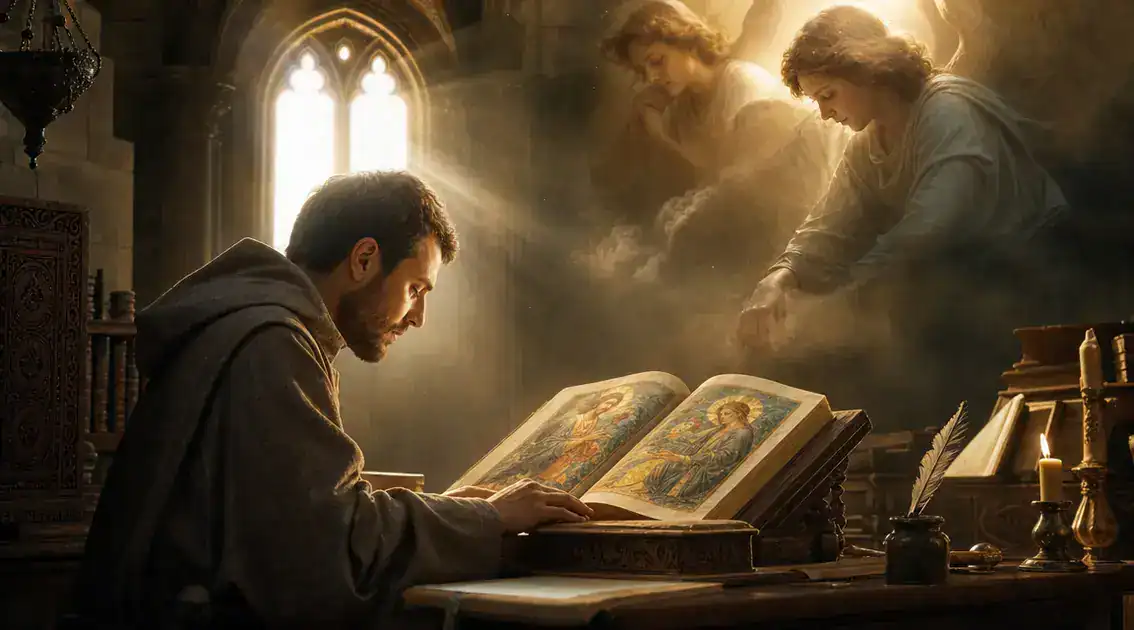
Early Christian writers shaped how we read angels by listening closely to Scripture and to Jewish wisdom. Pseudo-Dionysius sketched a clear map of the heavenly ranks that later Christians used to name roles like dominions. Fathers such as Augustine and Gregory spoke of these orders as caring servants of God, not distant abstractions, and this made the idea of angelic governance feel personal and close to daily life.
In the medieval period, thinkers brought these images into a steady theological voice. Aquinas taught that dominions help order creation by guiding lower angels and by influencing the moral life of rulers. His approach showed that angels belong inside God’s plan: they work to shape right ends gently, not to override human freedom or to claim power for themselves.
These traditions invite a simple devotional response. Remembering the patristic and medieval view can turn anxious thoughts about politics and public life into a calm trust in divine order. We can pray for leaders and for the shape of society, trusting that unseen care and ordered stewardship hold our small days within a larger loving plan.
Symbolic language: how to read dominions in sacred imagery
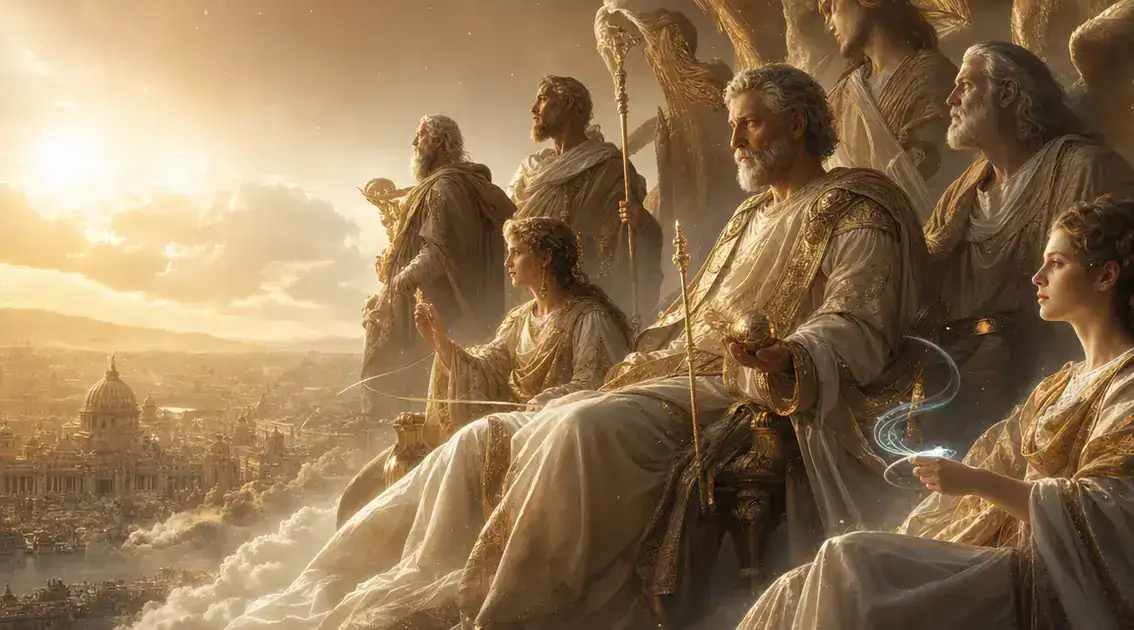
Sacred images use a quiet code of signs so we can read heavenly roles at a glance. Artists show dominions with small emblems of rule — a slender scepter, a simple orb, a thoughtful gesture — to suggest guidance rather than force. These items point us to authority as service, a way of leading that protects and orders life instead of dominating it.
Color, light, and posture all carry meaning in these paintings. Warm gold light often marks divine presence, blue can suggest wisdom, and white points to purity of intent. When angels stand over a city or lean toward a ruler, the scene invites us to read their action: gentle oversight, not battle. Look for calm faces, open hands, and steady gaze; those small details help you see what the artist wants you to feel.
Reading sacred imagery is first of all a devotional act. Pause and ask what the scene makes you want to pray for — for leaders, for justice, for peace — and let the picture move you toward quiet trust. Over time, this practice trains the eye to find hope in symbol and to remember that the cosmos is held with care. Carry that attentiveness into daily life as a simple, faithful way to meet the sacred in still, human moments.
Practical devotion: encountering the dominions in prayer and discernment
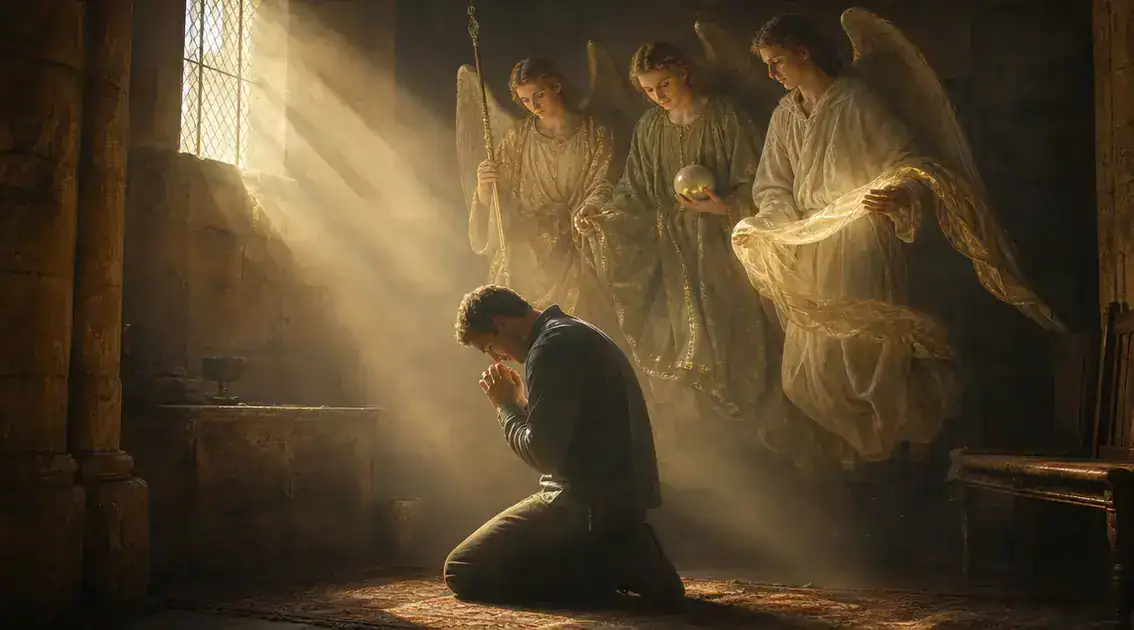
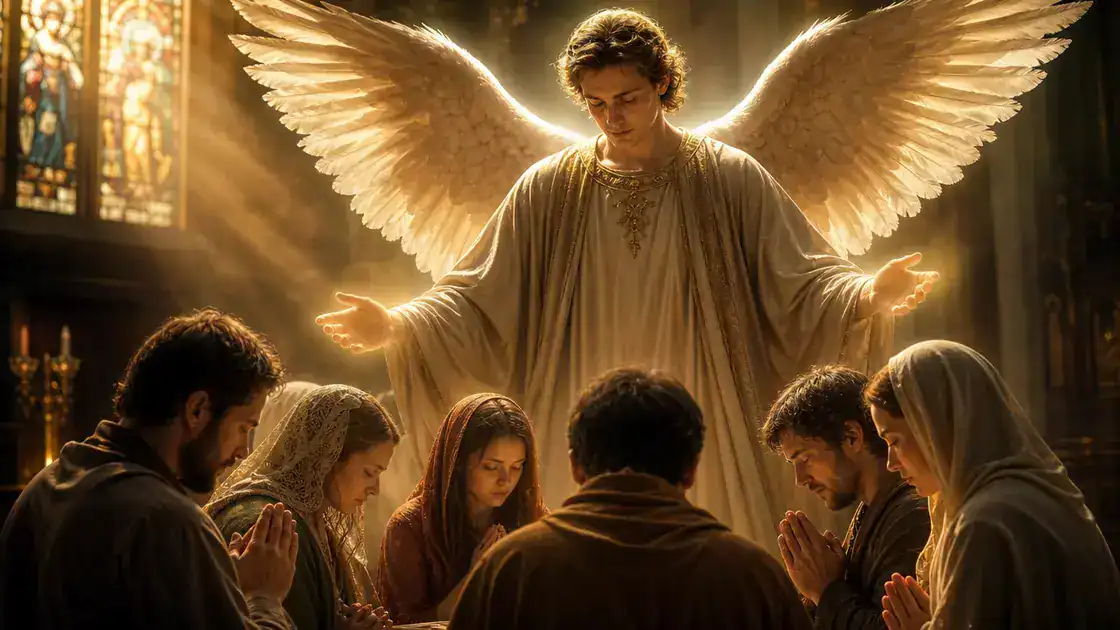
To meet the dominions in prayer, begin simply: sit quietly and name a place or leader you care for. Think of these angels not as distant judges but as gentle stewards who watch over the fold. In that quiet, offer your concern and ask for ordered care to touch the situation. A short prayer like “Guide them, Lord” can open a space for calm and hope.
Next, practice a moment of listening. After you speak, stay still for thirty seconds and breathe slowly. This is not a call for visions but a habit of discernment — learning to notice small shifts inside you, a soft prompt toward mercy, or a clearer sense of what action or restraint is right. Over time, this silence helps you align choices with the deeper order the dominions uphold.
Finally, let this devotion shape how you act. Pray for leaders, for neighbors, and for just rules, then do one small concrete thing: offer help, speak a calming word, or vote with care. These acts become a way of cooperating with unseen guidance and of living trust in daily life, turning quiet prayer into a steady practice of love and responsibility.
A closing prayer for the dominions
Thank you, Lord, for the quiet care that surrounds us. We remember the dominions as gentle stewards who work to bring ordered care into our common life. Their presence asks us to trust more and to fear less.
Help us pray for leaders, neighbors, and fragile places. Give wisdom to those who govern and kindness to those who follow. May our hearts learn patience and our decisions seek the good of all.
May this peace shape small acts each day — a kind word, a careful vote, a steady hand. Let our prayers turn into service, and let service be our way of keeping faith with the unseen care that holds the world.
Go in wonder and calm. Carry this quiet hope into tomorrow, and know that the same love that set the stars also watches over our steps.
FAQ – Common questions about the dominions and their role
Do dominions appear in the Bible, and what do the texts say about them?
Yes. The New Testament names dominions among angelic ranks (see Colossians 1:16), and passages like Daniel 10 and Revelation show angels acting over nations and history. These texts present them as servants of Christ’s rule rather than independent powers.
How do church traditions describe the dominions?
Early writers such as Pseudo‑Dionysius set up a ninefold hierarchy that places dominions as the first order of the second sphere, while theologians like Thomas Aquinas taught they guide lower angels and help order creation. These traditions stress their role as ordered stewards within God’s plan.
Do dominions override human freedom when they guide nations?
No. Scripture and theological teaching present angels as instruments of God’s care who work by guidance, warning, and influence rather than coercion. Their activity harmonizes divine providence with human freedom, nudging hearts and circumstances toward just ends (illustrated in Daniel 10 and the ministry of Michael).
How might I pray regarding the dominions and the governance of nations?
Pray simply and specifically: ask God to bless leaders with wisdom and to bring ordered care to troubled places. Short prayers of intercession, quiet listening, and prayers modeled on Scripture (for wisdom, justice, and peace) align our hearts with the stewardship the dominions embody.
Can we recognize the work of dominions in daily life or public events?
You may not see angels directly, but you can perceive their influence in timely counsel, sudden restraint of harm, or unexpected turns toward the common good. Reading passages like Daniel 10 slowly and praying with attention trains us to notice subtle promptings of ordered care in both private and public life.
Is devotion to dominions appropriate, or should prayer be directed only to God?
Scripture calls believers to pray to God alone; devotion that remembers dominions is properly ordered when it leads to praise and trust in God. Tradition encourages praying for the care they embody—wisdom, justice, and peace—while keeping God as the ultimate focus of worship and petition.