Seraphim angels are six‑winged, fiery celestial beings portrayed in Isaiah as God’s closest attendants, whose burning coal purifies prophets and whose threefold cry ‘holy, holy, holy’ proclaims divine otherness while inviting worshipers into transformed speech, reverence, and faithful service before the throne.
what are seraphim angels; — have you ever pictured the throne-room where wings beat like living flame? Here we linger with Isaiah’s vision, listening for what these fiery beings reveal about God’s holiness and how their presence might awaken our own awe.
Isaiah’s vision: meeting the seraphim around God’s throne
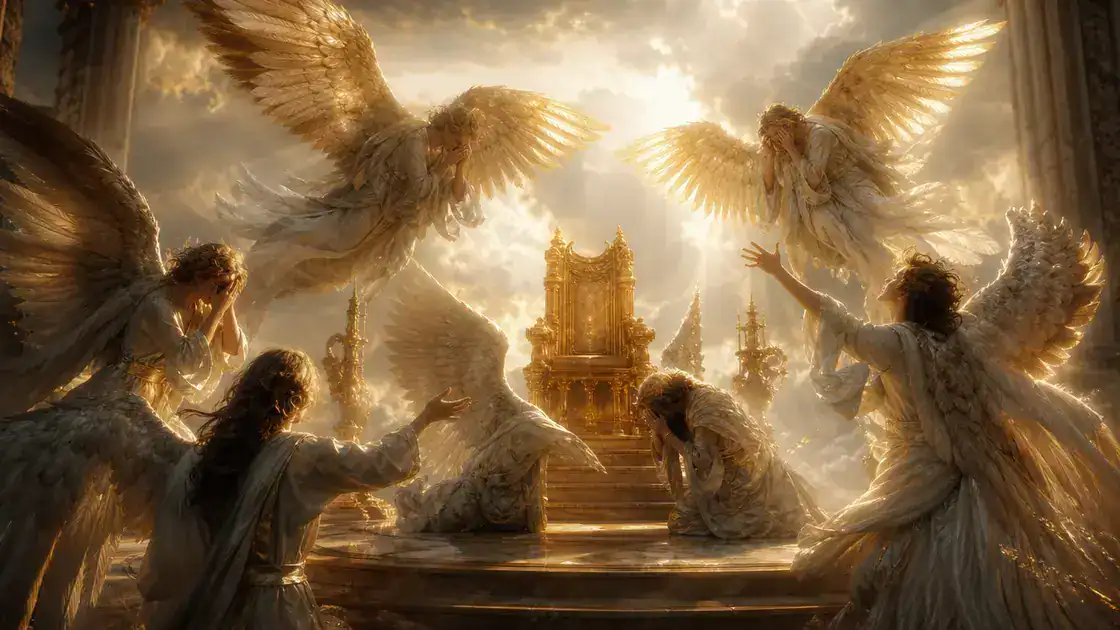
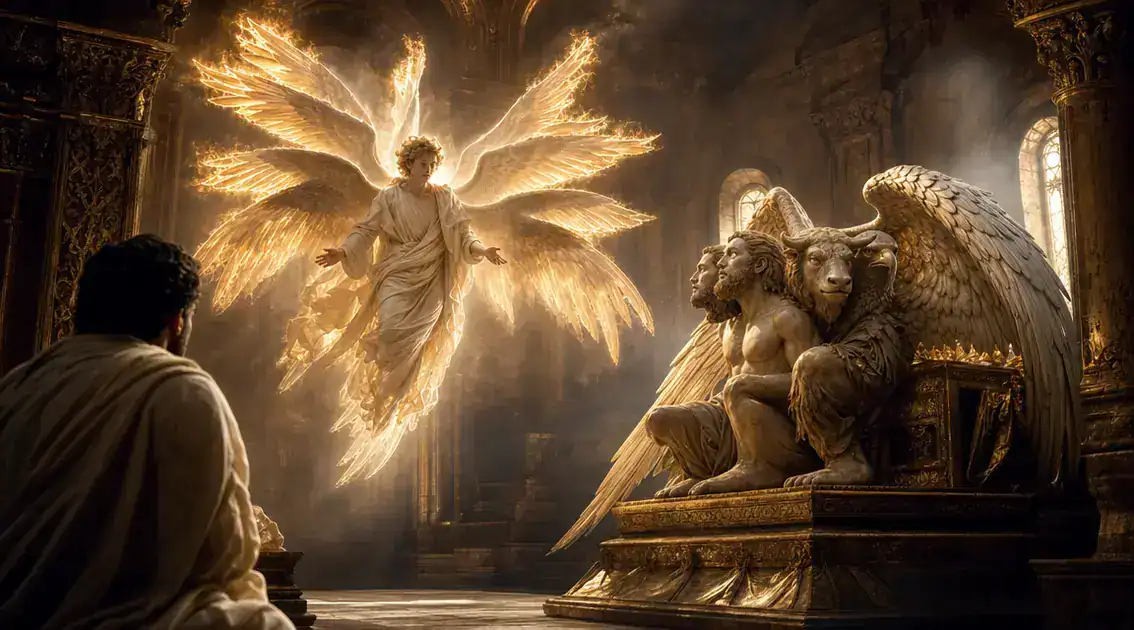
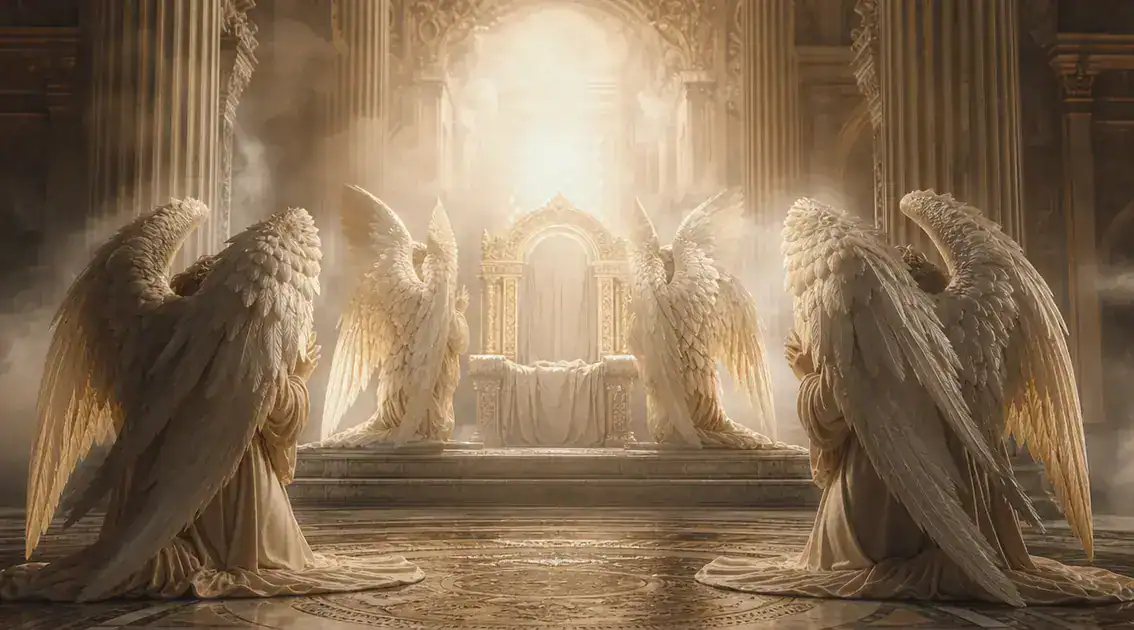
Isaiah’s vision opens in a still, sacred space: he sees the Lord enthroned and the room filled with seraphim. Each seraph is described with six wings — two to cover the face, two to cover the feet, and two for flight — moving in a steady, simple rhythm of worship. The image is vivid but quiet; the creatures are not showy, they are fully given to the presence before them.
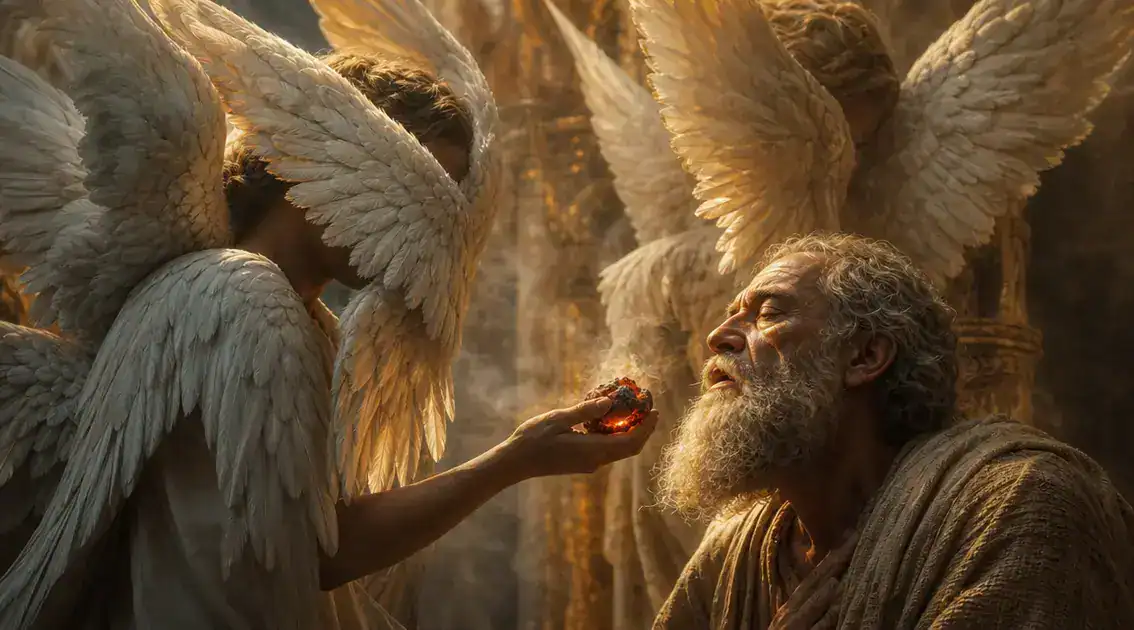
From their lips comes a repeated cry, “Holy, holy, holy”, a threefold call that lifts the mind to the depth of God’s otherness and purity. In the scene a seraph takes a live coal from the altar and touches Isaiah’s mouth, declaring his guilt taken away; this small, striking gesture links God’s purity with a tender act of cleansing. The moment balances awe and mercy, showing that nearness to God both exposes and heals.
For the reader, the vision invites a simple posture: attentive wonder, honest confession, and renewed praise. The seraphim model a life centered on the throne’s light — not distant perfection, but worship that leads to transformation. As we sit with the scene, we are reminded that encountering God’s holiness need not frighten us; it can purify speech, steady our hearts, and draw us into deeper devotion.
Symbols and form: wings, fire, and the language of holiness
The wings of the seraphim speak a simple, powerful language. In Isaiah’s vision each creature has six wings: two to cover the face, two to cover the feet, and two for flight. This arrangement shows both reverence and readiness — they hide from seeing God’s fullness and yet they stand ready to move in service and praise.
Fire is their other clear symbol. The name seraphim comes from a root that means to burn, and the burning coal that touches the prophet’s lips shows how holiness cleanses and equips speech. That small, intimate moment tells us that God’s purifying presence does not only judge; it heals and readies us to speak truth with renewed courage and honesty.
Together, wings and fire shape the very language of holiness. The covering of face and feet holds a posture of awe, the coal opens the mouth for worship, and the repeated cry of the seraphim frames all things as holy. In this way the symbols point us toward a life where reverence, purification, and heartfelt praise move together, inviting a humble and brave response to the sacred.
Function and song: why the seraphim cry ‘holy, holy, holy’
The seraphim stand in steady praise, crying out ‘holy, holy, holy’ around the throne. Their song is not mere noise but a living witness to God’s unmatched purity and presence. Isaiah hears this refrain as the heartbeat of heaven, a single truth spoken three times so the soul can begin to grasp its depth.
The triple cry gives shape to what holiness means: total otherness, perfect love, and constant motion toward goodness. In simple terms, saying ‘holy’ three times is a way of saying God is wholly holy in every way. This repeated song orders the room; it marks the space as sacred and calls all creatures into right attention and worship.
For those who listen, the seraphim’s function is both declaration and invitation. Their voice clears the air of vanity and steadies the heart for honest speech and humble service. When we learn to echo their cry in prayer or quiet wonder, we are drawn into the same rhythm that heals, readies, and reshapes how we live before the holy One.
Tradition and theology: Jewish and Christian understandings of seraphim
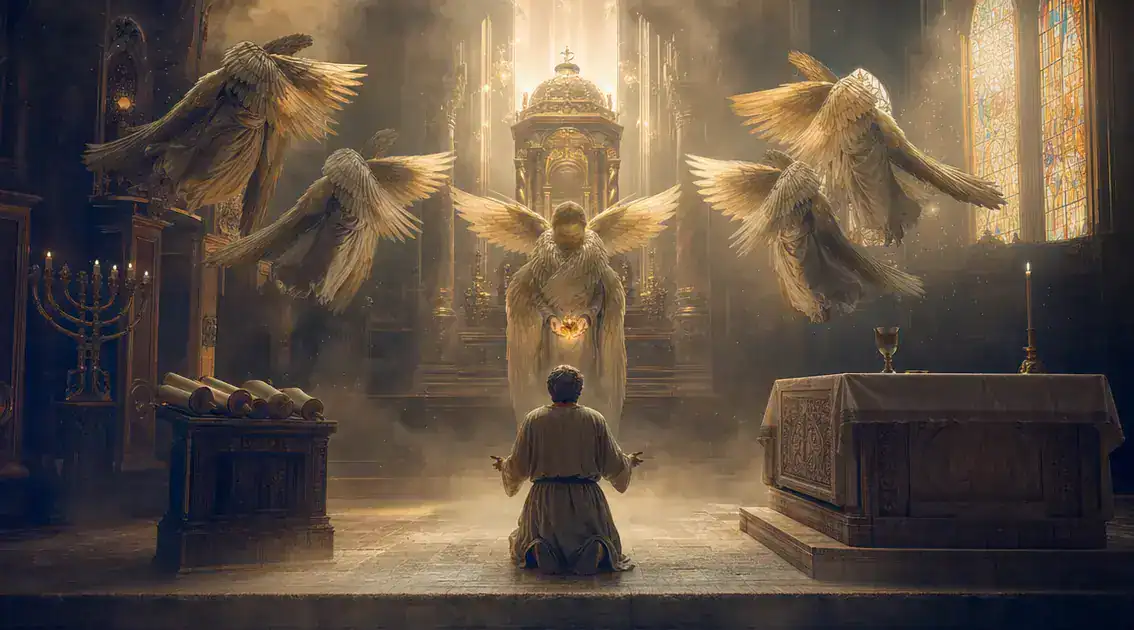
Both Jewish and Christian readers return again and again to Isaiah’s vision as the starting place for understanding the seraphim. In Jewish tradition the scene is heard through Temple rhythms: the seraphim attend the throne, their burning nature ties them to purification, and later mystical texts picture them as part of the heavenly liturgy that surrounds God. This sense of close, holy service keeps the focus on awe and the sacred boundaries between God and creation.
Christian writers and worship life took up the same images and gave them new devotional shape. The repeated cry of the seraphim influenced the Christian “Sanctus,” and theologians described these beings as models of perfect praise and as servants who help prepare souls for God’s presence. The seraph’s coal that touches Isaiah’s lips becomes a powerful image of cleansing that prepares a person to speak and to serve with renewed honesty.
Seen together, the two traditions share a clear rhythm: awe, purification, and praise lead the soul toward God. Whether in a synagogue’s hush or a cathedral’s soft incense, the seraphim remind us that holiness is not distant ceremony but a transforming presence. That shared witness invites practical devotion — a gentler posture in prayer, a readiness to be cleansed, and an honest desire to join heaven’s song.
Devotional encounter: how the seraphim inspire prayer and reverence
The seraphim teach a simple way of praying. In Isaiah they stand before the throne, voices rising with the threefold cry holy, holy, holy. Their posture — wings covering face and feet and steady motion — shows how reverence blends wonder with humble readiness.
The image of a coal touching Isaiah’s lips points to a practical truth: purification prepares our words. Try a short practice: breathe in silence, listen for God, then speak one honest sentence of thanks or need. Small acts like this turn prayer from performance into honest presence before the holy.
Over time these habits shape daily life. A pause before a meal, a breath before a hard conversation, or a soft hymn that echoes the seraphim’s song helps steady the heart. Worship then becomes a steady rhythm that clears pride, opens speech, and invites us into the same praise that circles the throne.
May the echo of the seraphim’s cry rest gently in your heart: holy, holy, holy—a simple call to wonder and quiet praise. Let it remind you that God’s presence is both vast and near, so close that even our small words can be touched and changed.
Remember the coal that cleansed Isaiah’s lips as a kindly act of healing. Let that image guide you toward small practices of honesty and humility: a breath of silence before you speak, a short prayer of thanks, a moment of awe at the morning light. These small things shape a life of prayer more than grand gestures ever could.
Carry this tenderness into your day. When you meet a hard word, pause. When you see beauty, stop and praise. When you feel unclean or afraid, imagine a gentle coal of mercy preparing your voice for truth. In these habits, reverence becomes a steady companion, not a rare event.
May peace find you in the throne-room’s quiet and may the seraphim’s song lead you into deeper praise and gentler speech. Amen.
FAQ – Common questions about the seraphim and their place in Scripture and worship
Where do the seraphim appear in the Bible?
The clearest account is in Isaiah 6:1–7, where Isaiah sees the Lord on a throne and seraphim surrounding him, calling ‘holy, holy, holy.’ Revelation 4:8 echoes that triple cry with the four living creatures. These passages form the scriptural backbone for how both Jewish and Christian traditions picture the seraphim.
What does the threefold cry “holy, holy, holy” mean?
The triple repetition emphasizes the fullness of God’s holiness — his complete otherness, purity, and faithfulness. In the Bible, repeating a word can deepen its meaning; here it invites awe and steady attention to God’s unique, unshared sanctity (Isaiah 6:3; Revelation 4:8). Christian liturgy preserves this as the Sanctus, bringing heaven’s praise into our worship.
What is the significance of the coal that touches Isaiah’s lips?
The coal (Isaiah 6:6–7) symbolizes purification and empowerment. A seraph takes a live coal from the altar to touch Isaiah’s mouth, declaring his guilt removed. This moment shows that encountering God’s holiness both reveals our faults and offers healing so we can speak and serve more faithfully.
How are seraphim different from cherubim or archangels?
Biblical texts and later tradition assign different roles: seraphim are depicted as attendants before God’s throne, focused on worship and purification (Isaiah 6). Cherubim appear as guardians of sacred space (e.g., Eden, the ark) and archangels like Michael and Gabriel have named missions in salvation history. These categories overlap in function but emphasize different aspects of angelic service.
Can the image of the seraphim shape personal prayer and devotion?
Yes. The seraphim model a posture of reverence, honest speech, and readiness to be purified. Practices inspired by Isaiah — a moment of silent awe, a short confession, then a simple prayer of thanks — echo the throne-room rhythm of awe, cleansing, and praise and can quietly deepen daily devotion.
Is it possible to meet a seraphim today like Isaiah did?
Scripture records rare, formative visions like Isaiah’s, not regular encounters for most people. Tradition encourages humility: the value of the vision is less in dramatic sighting and more in its effect—awakening reverence, inviting purification, and shaping worship. Seek the same fruits—honest prayer, a humble heart, and a life of praise—rather than expecting dramatic manifestations.