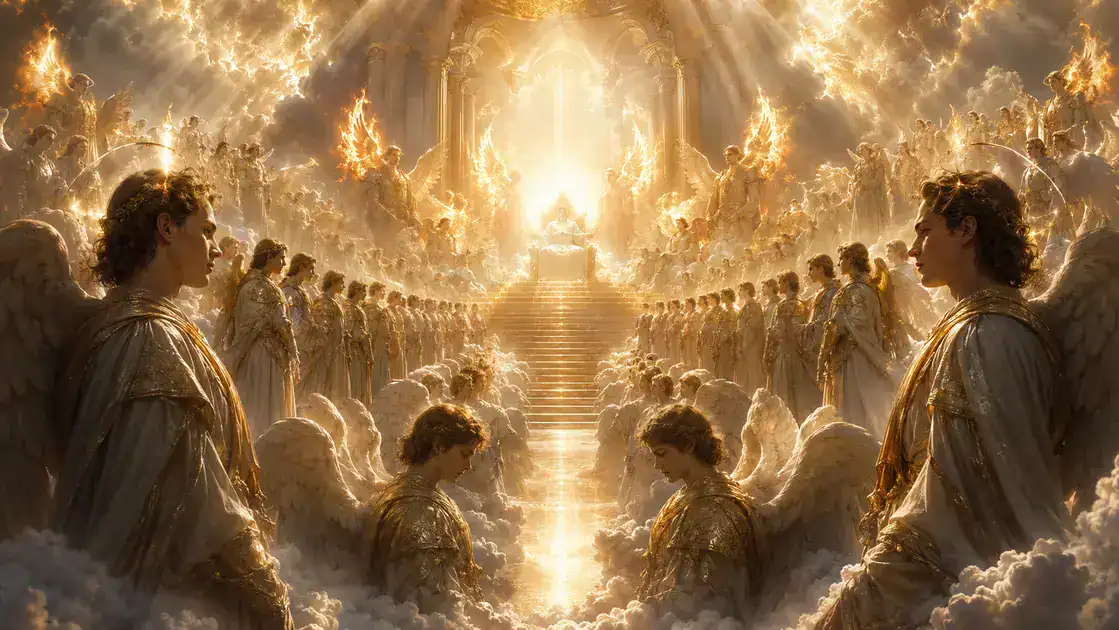

The difference between angelic spheres is that the first sphere (seraphim, cherubim, thrones) centers on immediate adoration, purification, and bearing God’s presence; the second (dominions, virtues, powers) governs providence and cosmic order; the third comprises archangels and guardian angels who minister directly to humanity’s needs and protection.
difference between angelic spheres — have you ever wondered why biblical visions arrange angels in ordered ranks, each bearing unique light and purpose? This short guide opens the sacred patterns behind those orders and how they invite our devotion.
Biblical roots of the angelic spheres
In Scripture, heavenly beings appear as vivid, worshiping presences rather than dry labels. In Isaiah’s temple vision the seraphim circle the throne and call out with a single, burning cry of ‘Holy,’ while Ezekiel’s living creatures—cherubim—move with the throne, their forms tied to God’s presence. These scenes show that the biblical roots of the angelic spheres begin in revelation and praise, grounded in moments where heaven and earth meet.
The New Testament adds other names—thrones, dominions, principalities, powers, authorities, and archangels—each pointing to a way angels serve God’s rule and care for creation. Paul and other writers offer glimpses of function more than a neat chart: some beings stand closest in adoration, others govern cosmic order, and some deliver messages to people. Read together, these texts invite us to see diverse ministries woven into one divine life.
Later Christian reflection organized these biblical traces into clearer groupings to aid prayer and devotion, but the heart of the witness remains the same: angels draw us toward worship and act under God’s will. Holding these images shapes how we pray and live—reminding us that the heavens are not distant, but alive with servants of mercy who lead creation back to God. Let that quiet, sacred vision deepen your own sense of wonder and reverence.
Characteristics of the first sphere (seraphim, cherubim, thrones)
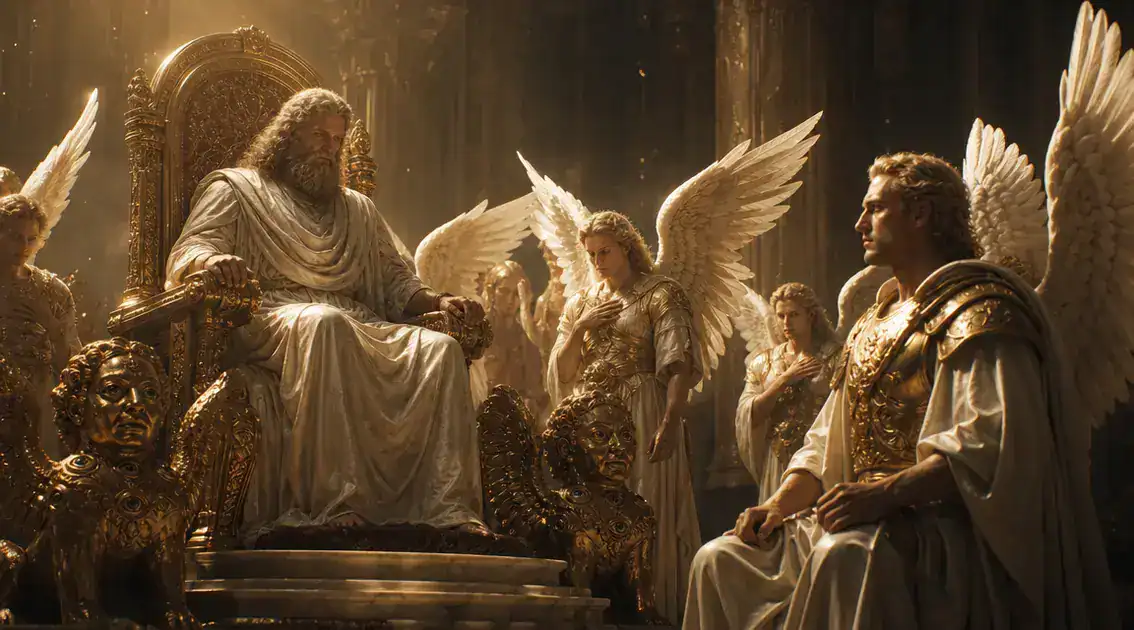
Close to God’s throne are beings of pure worship, whose life is praise and service. In Isaiah’s vision the seraphim appear with six wings and a burning devotion that both honors God and purifies the prophet’s heart. That small, vivid moment—when a coal touches Isaiah’s lips—shows how heavenly worship heals and readies us for mission.
Near them stand the cherubim, steady figures tied to the movement of the throne. Ezekiel describes them as full of motion and many eyes, a picture of careful attention rather than loud display. Their role feels like a gentle guard of mystery, keeping what is holy and guiding the presence of God where it must go.
The first sphere also includes the thrones, beings that seem to hold God’s justice and order in a visible way. They are less about spectacle and more about bearing weight—bearing the authority of God so creation can rest in right relation. Together, seraphim, cherubim, and thrones invite a faith that seeks purification, reverent attention, and trust in God’s steady rule.
How the second sphere governs providence and cosmic order
The second sphere is pictured as the part of heaven that shapes how God’s care moves through the world. Known in tradition by names such as dominions, virtues, and powers, these angels work within creation to keep things in balance. Rather than blazing at the throne, their presence is practical and ordered, touching seasons, rulers, and the systems that hold daily life together.
Scripture gives quiet hints of this work: Daniel’s visions show angelic figures engaged with the affairs of nations, and Paul’s letters speak of ranks that serve God’s plan for the world. These passages remind us that God’s providence often unfolds through ordered, unseen ministries. Imagine stars that keep their courses, winds that come on time, and leaders whose hearts are nudged toward justice—signs of a governed creation rather than random chance.
That view reshapes prayer and hope. When we pray for justice, wise leadership, or relief in crisis, we join a larger movement of care that includes these angels. Asking for their guidance is not superstition but a humble recognition that God uses many hands and minds to steward the world. This invites us to cooperate with providence—through prayer, faithful action, and patient trust in the steadying work that holds creation in right relation.
The third sphere’s mission: guardian care, archangels, and humanity
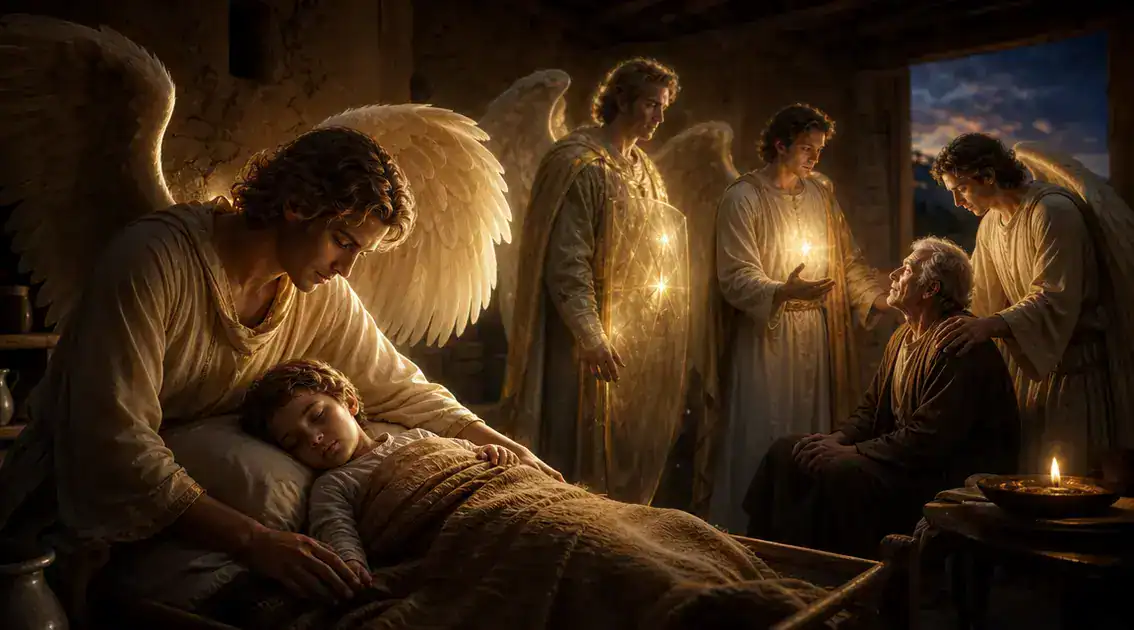
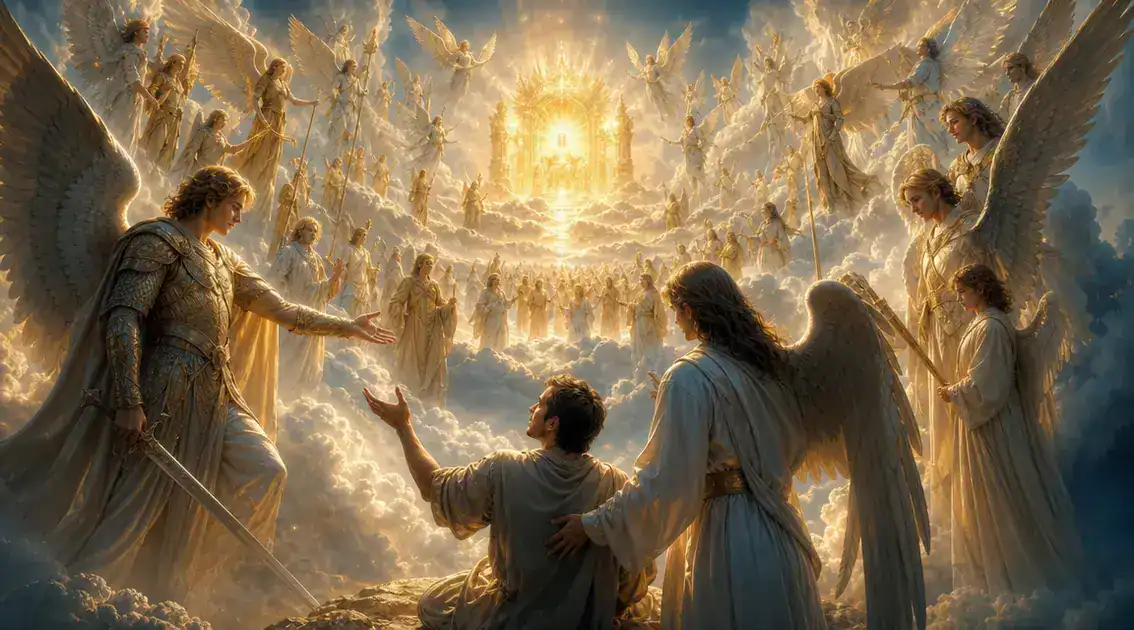
The third sphere draws near to human life, walking in the small and hidden places where faith grows. These angels are known for guardian care—watching households, guiding travelers, and staying close in times of need. In Scripture and tradition we are invited to believe that each life is accompanied by such care, a simple and steady presence that prays and watches with us.
Archangels like Michael, Gabriel, and Raphael show how this care reaches us in different ways: Michael as protector who stands against danger, Gabriel as messenger who brings good news, and Raphael as healer who brings comfort and restored strength. Their stories in the Bible and in devotional life remind us that heaven meets our very human needs with clarity and compassion, not distance or cold formality.
That truth changes how we live and pray. We can speak to our guardian angel, ask the archangels for help, and pay attention to gentle promptings that nudge us toward mercy. Simple practices— a short prayer before sleep, a quiet act of thanks, or a moment of mindful listening—train us to notice their work and to accept help with a humble, grateful heart.
Practical devotion: sensing and honoring angelic presence in prayer
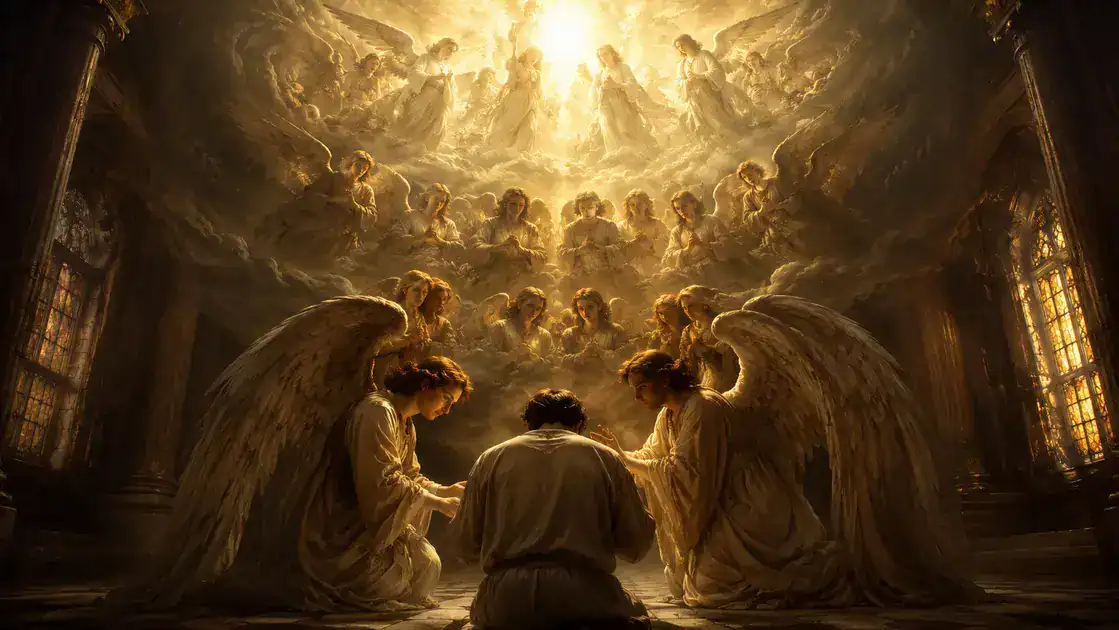
When we bow in prayer, it helps to remember a quiet truth: we are not alone. Scripture and devotion speak of angels who stand near God’s face and come alongside those who pray. Holding that image gently changes the tone of our words, turning worry into conversation and loneliness into companionship.
Try a few simple practices to open your attention. Begin each day with a brief greeting or the old prayer, light a candle before quiet time, and sit for a minute of stillness to listen. Name an archangel when you need a specific help, but keep the gestures small—folded hands, slow breath, a short word of thanks. These simple practices train the heart to notice gentle promptings rather than loud signs.
As these habits grow, look for their effects in daily life: a sudden calm in fear, the courage to speak kindly, or timely help that arrives when needed. Respond with gratitude and small acts of mercy, since angelic care often meets us through other people. Avoid chasing spectacular visions; instead, pray with humble trust and let quiet devotion shape your days.
A closing prayer
May the quiet order of heaven rest gently on your heart and bring a calm that steadies every step. Let the presence you have read about become a soft companion in the small hours and the busy ones alike.
We give thanks for the guardian care that watches over our days: for protecting hands, for messengers who bring hope, and for healing that comes in patient, hidden ways. These are not distant ideas but invitations to live with wonder.
Teach us to notice gentle promptings, to answer calls to mercy, and to trust providence when the road is unclear. May simple prayers and quiet acts of kindness open us to the help that moves through the world unseen.
Go now with a heart made lighter by awe. Carry this blessing into your daily life—soft light for your path, companions at your side, and peace for your journey. Amen.
FAQ – Common questions about the angelic spheres and sacred care
What really distinguishes the first, second, and third angelic spheres?
The Bible presents heavenly beings in different roles rather than a neat chart. The first sphere (seraphim, cherubim, thrones) centers on immediate worship, purification, and bearing God’s presence (see Isaiah 6; Ezekiel 1). The second sphere (dominions, virtues, powers) helps govern creation and the flow of providence, hinted at in Daniel’s visions and Paul’s lists of ranks (Daniel 10; Colossians 1:16). The third sphere draws closest to human life with guardian care and archangels who deliver messages and help the faithful (Matthew 18:10; Luke 1). Tradition has used these patterns to guide prayer and devotion.
Are seraphim, cherubim, and thrones literal beings we can understand?
Scripture describes them in vivid, sometimes strange visions, and the church has long read these as real, holy persons of a different order. Isaiah and Ezekiel give symbolic details to show function—seraphim purify and praise, cherubim guard and move the throne, thrones signify just authority. We can know their purpose and trust their reality, but their full nature remains a mystery beyond ordinary human sight (Isaiah 6; Ezekiel 1).
Do angels actually intervene in world affairs and providence?
Yes. Biblical narratives show angels acting in the affairs of nations and bringing God’s will into history—Daniel describes angelic engagement with kingdoms, and Paul names orders that serve God’s plan (Daniel 10; Colossians 1:16). This means providence often moves through ordered, unseen ministries rather than random chance. Seeing angels as instruments of God helps us pray for justice and trust in a guided creation.
What do archangels do, and is it right to ask them for help?
Archangels carry specific missions in Scripture: Michael as protector and combatant (Daniel 12; Revelation 12), Gabriel as God’s messenger (Luke 1), and Raphael as a healer in the book of Tobit (in Catholic and Orthodox canons). Tradition invites us to ask for their intercession in prayer while remembering they are servants of God, not objects of worship. Calling on an archangel can be a humble way to seek a particular form of help—protection, clarity, or healing—always directing praise to God.
How can I honor angelic presence in prayer without confusing worship?
Simple, reverent practices work well: a short greeting to a guardian angel, moments of stillness, or naming an archangel when you need a specific help. Keep the focus on God—Scripture warns that worship belongs to God alone, and angels themselves redirect worship to him (Matthew 4:10; Revelation 19:10). Use angelic devotion as a way to deepen prayer and service, not as a substitute for direct worship of God.
Does everyone have a guardian angel according to Scripture and tradition?
Many Christian traditions affirm that each person is entrusted to a guardian angel. Jesus’ words about the angels of little ones who behold the Father’s face suggest personal care (Matthew 18:10), and Psalm 91:11 speaks of angels guarding the faithful. Catholic and Orthodox teaching explicitly name guardian angels for each soul, while most Protestant voices accept the biblical witness to angelic care though expressions vary. In all cases, the invitation is to trust and live with humble awareness of that care.