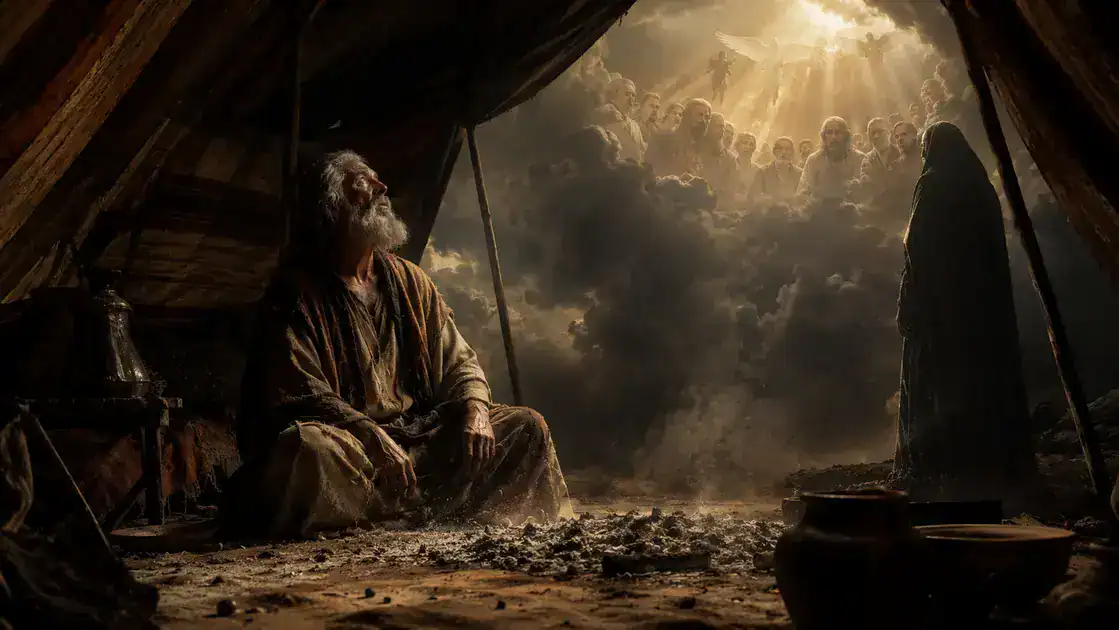

Demons and fallen angels differ because fallen angels were once heavenly messengers who rebelled and were cast from their place, whereas demons are the harmful spiritual beings—often identified with those fallen angels or more broadly described in Scripture and tradition—that tempt, oppress, and seek to turn souls from God’s healing presence.
demons and fallen angels difference — have you ever stood at dawn, reading Eden’s fall and felt the mystery tug at your heart? Walk with me through Scripture, tradition, and prayer to notice how these terms diverge and what that divergence means for your spiritual life.
Origins in Scripture: how rebellion appears in biblical narrative
From the first pages of Scripture, rebellion is shown not as an abstract idea but as a story that touches heaven and earth. In Genesis, a choice in a garden brings a new reality for humankind, and this human turning away echoes larger scenes where beings refuse their place before God. The Bible uses vivid images — trees, crowns, and storms — to show how a longing to be greater than one’s created role leads to loss.
Later passages paint the same theme on a grander stage. Isaiah and Ezekiel offer poetic laments that speak of proud rulers, and many readers hear in those laments the shadow of a heavenly fall; Revelation gives a dramatic image of a war in heaven and a dragon cast down. New Testament letters like Jude and 2 Peter name angels who sinned and were held for judgment, shaping a picture where pride leads to expulsion and divine order is restored.
These scriptural threads help us see that what we call demons or fallen angels grows out of a single sacred story about freedom, choice, and consequence. The texts invite careful reading, not fearful fascination: they call for prayerful discernment, humble repentance, and trust in God’s justice and mercy. In that light, the narrative of rebellion becomes less a grotesque mystery and more a warning and a call to faithful living grounded in hope.
Terminology explained: angel, fallen angel, demon in ancient texts

Many readers use the words angel, fallen angel, and demon as if they mean the same thing, but ancient texts treat each name with a different sense. In Hebrew the word often translated angel is mal’akh, and in Greek it is angelos — both carry the simple sense of “messenger.” These beings serve God’s purposes, speak truth, and appear in Scripture to guide, warn, or comfort people rather than to act as vague supernatural forces.
The phrase fallen angel points to a particular story: some angels chose rebellion and were cast out of their former place. New Testament writers like Jude and the author of 2 Peter recall angels who sinned and are held for judgment, and Revelation gives poetic images of celestial conflict. When Scripture speaks of a fall, it highlights a moral turning — pride and refusal of order — more than a theatrical change of costume, which helps us see fallen angels as once-loyal messengers who turned away from their calling.
Demons appear in ancient writings with yet another flavor. Hebrew traditions sometimes name harmful spirits (often called shedim), while the New Testament uses Greek terms like daimonion for unclean or troubling spirits that afflict people. Some theological traditions equate demons with fallen angels, while others treat demons as a broader class of spiritual foes or even as personifications of chaos and illness. Holding these differences gently helps a reader move from fear to faithful discernment, seeing Scripture’s language as pastoral and purposeful rather than merely sensational.
From Lucifer to Legion: key biblical passages to read closely
The Bible offers several passages that readers link to the name “Lucifer,” though the original texts speak in poetic and lamenting tones. In Isaiah and in Ezekiel we meet images of a proud ruler stripped of honor, described with stars and crowns as metaphors. Those scenes invite us to read with care: they show how pride and ambition bring ruin, and they remind us that Scripture often uses royal poetry to name spiritual truth rather than give a literal biography.
Other scriptures add a larger picture of cosmic struggle and its outcome. Revelation gives the dramatic image of a dragon cast down, while Jesus says he saw Satan fall like lightning in Luke, and the letters of Jude and 2 Peter refer to angels kept for judgment. Together these passages show rebellion, judgment, and hope as parts of the same sacred story — a story that points away from mere spectacle and toward God’s final ordering of all things.
The New Testament also gives us concrete encounters that teach pastoral truth, such as the story of “Legion” in Mark, Matthew, and Luke. There we see many troubled spirits named and then met by Jesus’ mercy and authority, a scene that teaches both the reality of spiritual harm and the power of compassionate deliverance. Reading these passages side by side helps a reader move from curious fear to faithful prayer, trusting Scripture to guide how we respond to both mystery and need.
Theological distinctions across traditions: Jewish, Catholic, Protestant views
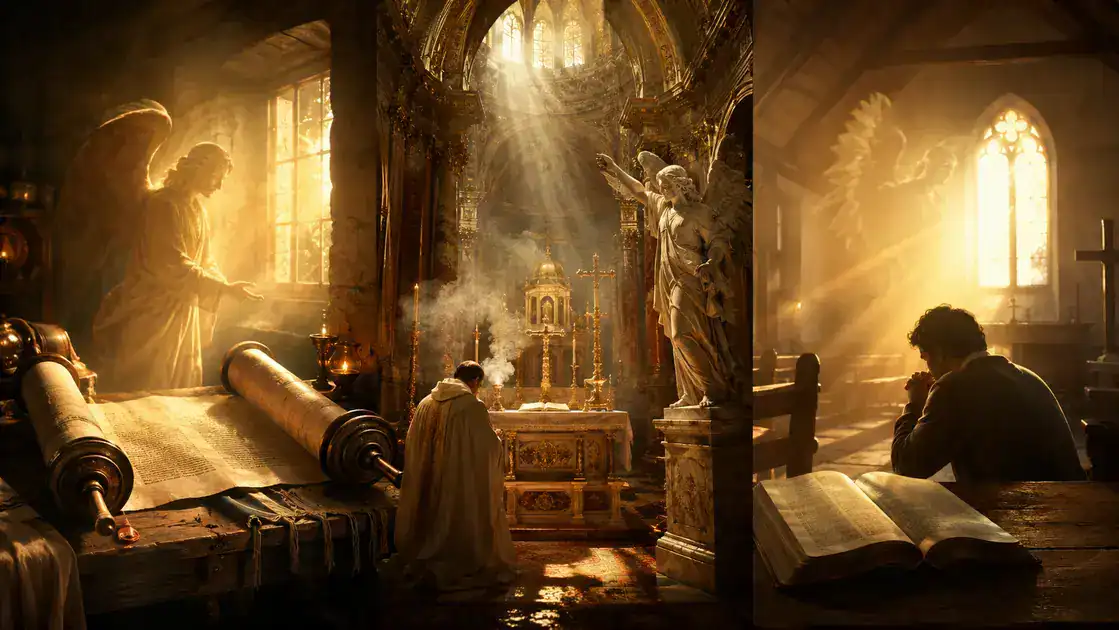
In Jewish tradition the focus often rests on Scripture and law, with angels appearing as God’s messengers and agents rather than as a fully developed class of enemies. Ancient Hebrew writings name harmful spirits in a few places and the extra-biblical book of 1 Enoch gives later readers vivid images of rebellious heavenly beings, but the primary Jewish witness keeps attention on covenant faithfulness and moral responsibility. That means teachings about spiritual foes are taught as part of a larger story about obedience, repentance, and God’s care for the people.
The Catholic tradition builds on both Scripture and Church teaching to form a rich angelology. Fathers and medieval theologians described a hierarchy of angels and spoke quite directly about fallen angels as those who freely turned away from God. In pastoral practice, this view appears alongside sacramental life, liturgy, and rites like exorcism, which treat spiritual harm with prayer, confession, and the Church’s healing presence. Catholics tend to hold both the reality of personal demonic influence and the promise of God’s ordered care in the sacraments and the saints.
Protestant voices vary, but many stress Scripture alone as the rule of faith and emphasize Christ’s victory over evil. For some Protestant communities, demons are seen primarily as fallen angels or as spiritual forces that oppose the gospel, and practical responses lean toward prayer, proclamation, and personal faith in Christ’s authority. Across these traditions we find a common pastoral thread: spiritual realities are met with prayerful trust, communal support, and attention to faithful living, not with sensational curiosity. That shared emphasis invites the reader to seek both clarity and compassionate care when encountering these sacred texts.
How saints and mystics described spiritual adversaries
Saints and mystics often spoke of spiritual adversaries as quiet tempters rather than loud monsters. They described how doubt, pride, and weariness come slowly, like a cloud that blurs the soul’s sight. When Teresa of Ávila wrote of interior trials, she named the subtle pull away from prayer and the slow stealing of peace as the real danger, a tenderness that must be met with steady care.
Many holy witnesses taught that response matters more than fear. John of the Cross counseled patient surrender in times of desolation, while Antony and other desert fathers met temptation with simple, persistent prayer and community support. These figures show us that discernment, humility, and routine prayer help the heart notice false claims and return to the steady light of God’s presence.
The mystics also remind us that struggle can be a teacher, not only a wound. Their stories point to practical means—confession, fasting, liturgy, and the help of companions—that rebuild spiritual strength and keep pride from growing. Reading their witness invites a gentle vigilance: stay in prayer, seek wise counsel, and trust that holiness grows through patience and small acts of faith.
Pastoral implications: discerning spiritual influence without fear
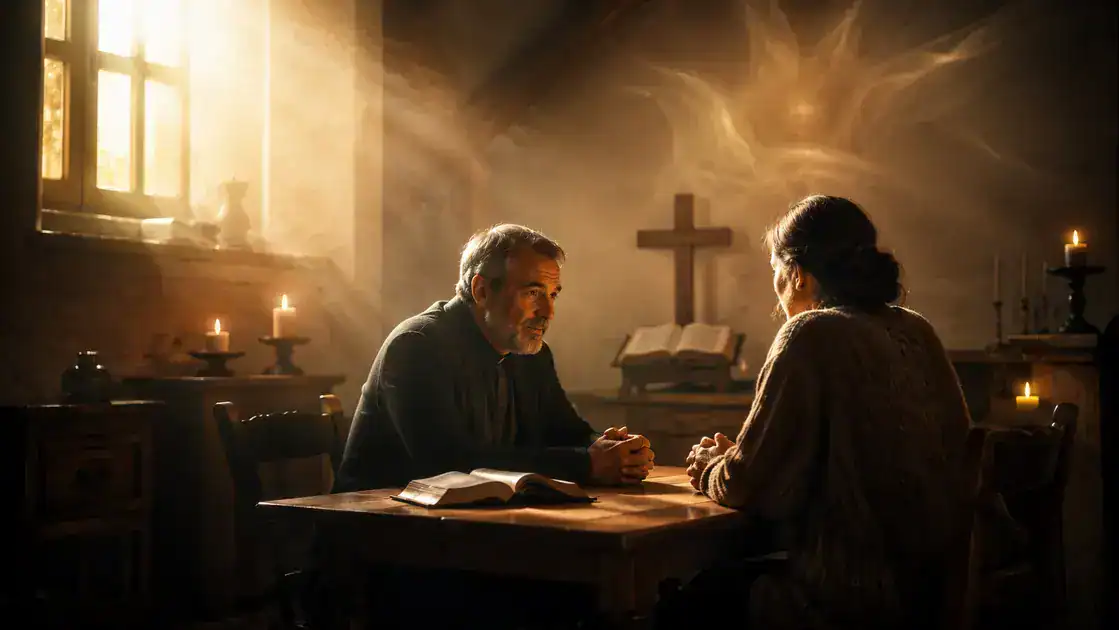
Fear often arrives faster than clarity when people speak of spirits or unseen pressure. A calm pastoral voice can change that very quickly by naming what is real: repeated patterns of harm, a steady move away from prayer, or actions that hurt oneself or others. These signs call for careful listening, not alarm, and they remind the community to respond with steady compassion.
Good discernment begins with Scripture and prayer, and with simple tests of fruit and truth. The New Testament invites believers to test the spirits by looking for love, peace, and the fruit of the Spirit rather than drama. In practice this means grounding observations in prayer, asking a trusted leader to listen, and comparing what is said or felt with gospel truth and wise counsel.
Pastoral care also brings practical steps that protect the whole person: steady prayer, community support, rest, and if needed, medical or psychological help. Where a spiritual practice is appropriate, rites of blessing, confession, or guided prayer can bring relief and restore balance. Above all, these responses keep people close to Christ’s presence, where fear gives way to hope and healing grows through patient, loving care.
Practical prayer and spiritual practices for protection and clarity
Prayer is the first and simplest practice for protection and clarity. Begin with short, steady prayers — the Lord’s Prayer, a brief plea in Jesus’ name, or a quiet recitation of Psalm 91 in your heart. These habits shape the will and calm the imagination, so that fear loses its quick hold and you can stand in a gentler, clearer place.
Spiritual life also grows through shared rites and faithful practices. Read Scripture slowly, practice lectio divina, and join a community for regular prayer or the Lord’s Supper when you can. Many find help in confession, anointing, or a simple blessing from a trusted leader; these acts point us back to Christ’s presence and remind us we are not alone in struggle.
Daily disciplines keep clarity steady: regular silence, short fasts, the examen at evening, and clear boundaries around harmful habits. Pair these with service and quiet charity, and you will notice a new freedom to see truth. Little, faithful acts—prayer, word, and deed—build a guarded life where wisdom and hope grow together.
A gentle prayer to carry into your day
Lord, help us keep clear eyes and humble hearts as we walk this path. When questions rise, grant us the quiet courage to seek truth and mercy. Let the mystery of these things draw us to prayer, not to panic.
May we notice your presence in small things — a calm breath, a child’s laugh, the hush of morning. Teach us to meet doubt with simple acts of faith: a short prayer, a turned page of Scripture, a kind deed for another.
Give us wisdom to care for one another. When fear comes, let friends and shepherds bring steadiness, counsel, and compassion. Help us test what we feel by the clear fruit of love, patience, and kindness.
Keep us close to Christ’s light, where hope replaces fear and healing grows day by day. Amen.
FAQ – Questions seekers ask about demons, fallen angels, and Scripture
Are demons and fallen angels the same thing?
Many traditions link the two: fallen angels are those who rebelled and were cast out, and demons are often described as the harmful spirits that follow that rebellion (see Jude 6; 2 Peter 2:4). Some writers treat demons as a broader category or as spirits tied to brokenness. The pastoral point is gentle: whether named the same or not, Scripture calls us to prayer, repentance, and trust in God’s care (Revelation 12).
Where does the Bible speak about angels who fell?
Poetic texts in Isaiah 14 and Ezekiel 28 use images of pride and downfall that readers have long read as signs of a heavenly fall. The New Testament speaks more directly in passages like Jude and 2 Peter about angels who sinned and in Luke 10:18 where Jesus says he saw Satan fall like lightning. These passages invite prayerful reading, not simple proof-texting.
What does the story of “Legion” teach about spiritual harm?
In Mark 5 (also Luke 8 and Matthew 8) Jesus meets a man tormented by many spirits called ‘Legion’ and restores him by name and mercy. The scene shows both the reality of suffering and Jesus’ authority and compassion. It points us to pastoral care that combines truth, mercy, and the power of Christ to heal.
How should I respond if I fear demonic influence?
Begin with Scripture and simple prayer, and bring your concern into community—trusted clergy, spiritual friends, or a small group (1 Thessalonians 5:11). Test spirits by their fruit (love, peace, self-control) and use practices like Scripture reading, the Lord’s Prayer, and Psalm 91 for calm. If needed, seek wise counsel and balanced help rather than acting from panic (Ephesians 6:10–18).
Can spiritual forces be the cause of illness or mental struggle?
Scripture records cases where spiritual and physical needs meet, and Jesus often heals both body and soul. Yet church tradition and pastoral wisdom also recognize medical and psychological realities. The faithful path is careful: pray and seek spiritual care while also getting medical or counseling help when needed, trusting God works through many forms of healing (Matthew 9; James 5:14–15).
Do Jewish, Catholic, and Protestant traditions view demons differently?
Yes. Jewish texts focus on covenant life and name hostile spirits in some places and in extra-biblical works like 1 Enoch they describe rebellious beings. Catholic theology has a developed angelology and sacramental, liturgical responses including rites of exorcism. Many Protestant communities emphasize Christ’s victory and pastoral prayer, often favoring proclamation and personal faith in Jesus. Across traditions the shared aim is pastoral care, prayer, and faith in God’s mercy.