
The angelic calendar feasts all year commemorate Scripture-rooted roles of angels—archangels like Michael, Gabriel, and Raphael and guardian angels—through liturgical dates, local customs, and devotional practices that invite prayer, thanksgiving, protection, healing, and attentive listening throughout the church year and foster communal remembrance and personal devotion.
angelic calendar feasts all year — have you ever wondered why the church marks special days for heavenly messengers? This brief guide walks the liturgical rhythm of angelic feasts, blending scripture, tradition, and simple practices to help you meet these moments with renewed reverence.
Major angel feasts in the church year: dates and origins
Communities across Christendom set aside special days to honor heavenly messengers, and these observances have roots in Scripture and faithful memory. The Western calendar names September 29 for the archangels Michael, Gabriel, and Raphael, while the Church also keeps a day for guardian angels on October 2. In the Eastern tradition, a Synaxis for Archangel Michael in early November and other local commemorations show how these dates grew out of different spiritual lives and histories.
Those dates did not appear from nowhere; they grew from sacred stories, church dedications, and popular devotion. Michael is remembered where Scripture portrays him as a protector and warrior in Daniel and Revelation, Gabriel appears where God’s message lands most tenderly in Luke’s Gospel, and Raphael is known from Tobit as a companion and healer. Over time, monasteries, local shrines, and liturgical calendars shaped when and how the faithful would recall these figures so their presence would mark the rhythm of the year.
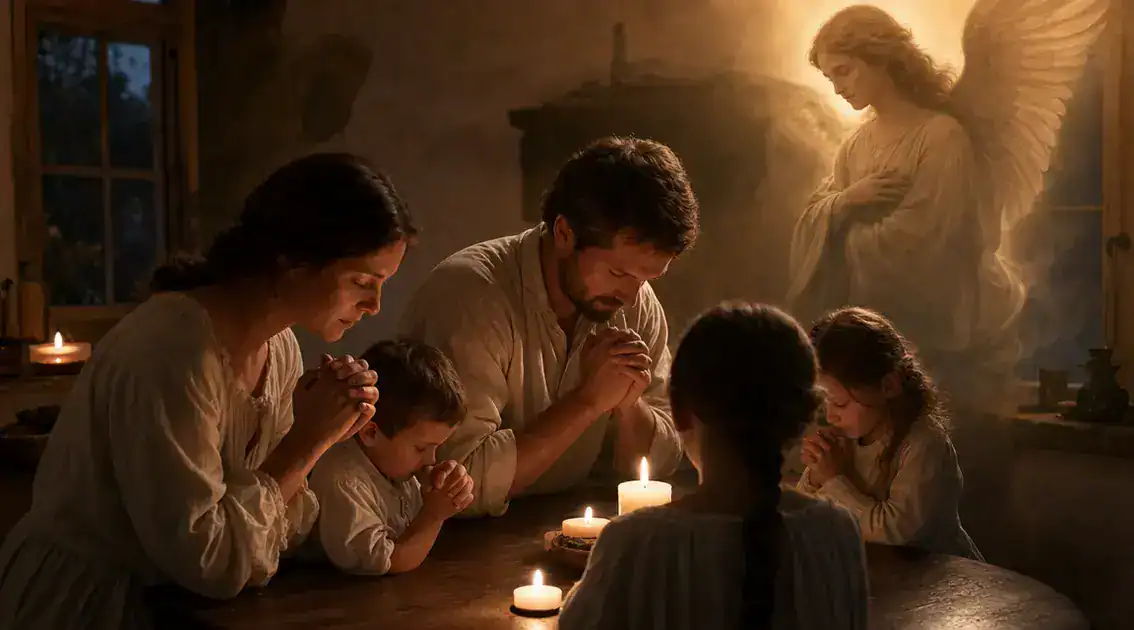
Marking angel feasts becomes a simple spiritual practice that helps us live with attention to heaven’s work in daily life. Families and parishes might read the relevant biblical passages, light a candle in quiet prayer, or pause to name a guardian in gratitude; in older customs, Michaelmas carried harvest blessings tied to thanksgiving. These small acts teach us to notice protection, guidance, and healing throughout the seasons, letting the church year form habits of trust and wonder rather than mere dates on a page.
Archangel Michael and the Michaelmas tradition
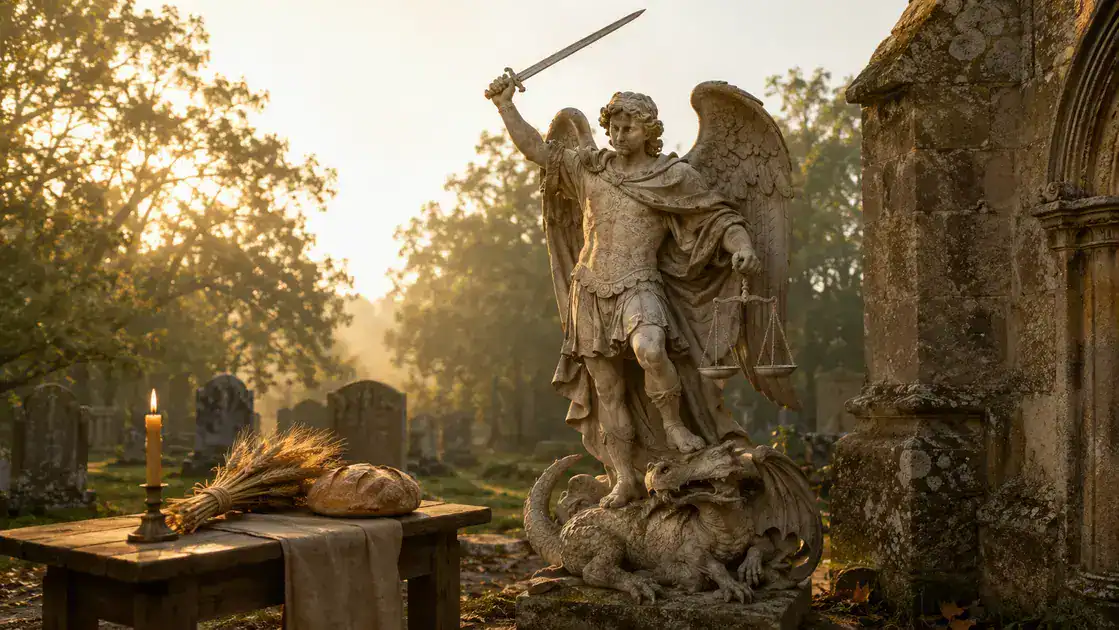
Archangel Michael appears in Scripture as a powerful helper and defender, called upon in times of crisis and change. In Daniel he stands as a guardian for God’s people, and in Revelation he leads heaven’s host against the forces that oppose God’s will. These passages shape our faith’s image of Michael not as a distant myth but as a figure who embodies divine ordering and protection. When we read of Michael, we meet the sense that God watches over history and calls the faithful to stand with courage.
Michaelmas and its customs
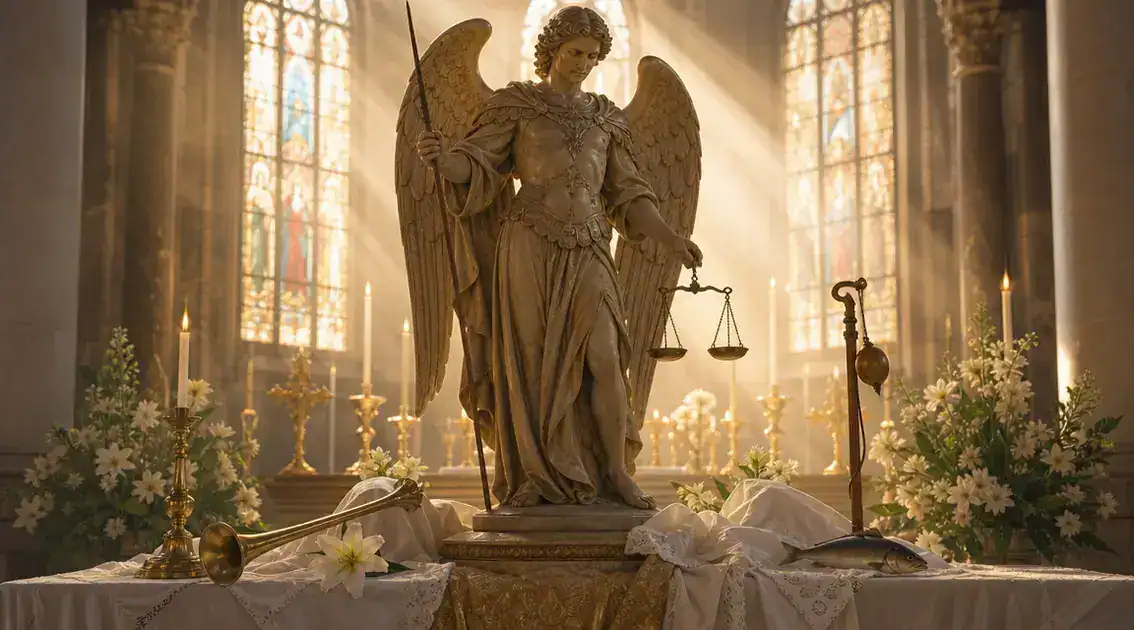
The feast known as Michaelmas, kept on September 29 in the Western church, grew from ancient church dedications and the rhythm of rural life. Medieval communities marked the day with simple rites: blessing the harvest, offering bread, and pausing to give thanks for provision and safety. Symbols like the sword and the scales remind worshipers of Michael’s roles as defender and judge, while local shrines and liturgies kept his memory close in everyday life.
Keeping Michaelmas today can be a small, lived practice rather than a showy ritual. Parishes might read the biblical accounts aloud, ring a bell in thanksgiving, or invite a quiet moment of prayer for those who serve and protect. At home, lighting a candle or sharing a modest meal on the feast helps bind the story of heaven’s care to daily life. In these acts we find a chance to ask for courage and trust, to name our fears and hand them into God’s keeping through the care of the angelic host.
Feasts of Gabriel and Raphael: biblical roles and devotions
In Scripture Gabriel appears as the clear-voiced messenger who brings God’s word into human life, most vividly at the Annunciation. In Luke’s Gospel he speaks simply and decisively, opening a new chapter of salvation history; this is why many Christians remember him as the one who carries God’s revealing message into fragile human moments. The image of Gabriel teaching us to listen for God’s call helps ordinary believers hear how a single word from heaven can change a life.
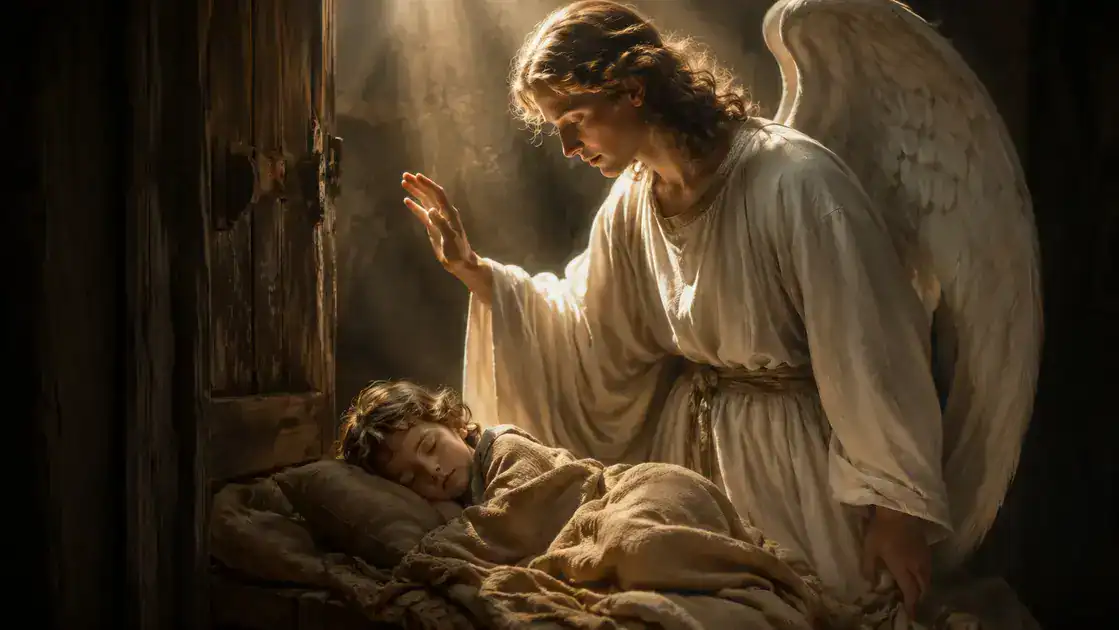
Raphael’s story lives in the book of Tobit, where he travels beside a young man, guides him, and brings healing to a family in need. In that quiet narrative Raphael is less a dramatic warrior and more a steady companion, showing how God cares through guidance, medicine, and attentive presence. Remembering Raphael invites us to see angelic work as practical and tender—a companion and healer who walks with those who journey and those who suffer.
Those biblical roles shape the ways the church honors Gabriel and Raphael: through readings, icons, and simple prayers that name their ministries. People turn to Gabriel when they need clear direction or courage to say “yes,” and they turn to Raphael when they seek healing or safe travel. Small devotions—lighting a candle, reading the Annunciation or Tobit, or offering a quiet prayer for the sick and travelers—make these ancient stories live in our days and remind us that God’s care comes both in word and in compassion.
How liturgy, saints, and local customs shape angel celebrations
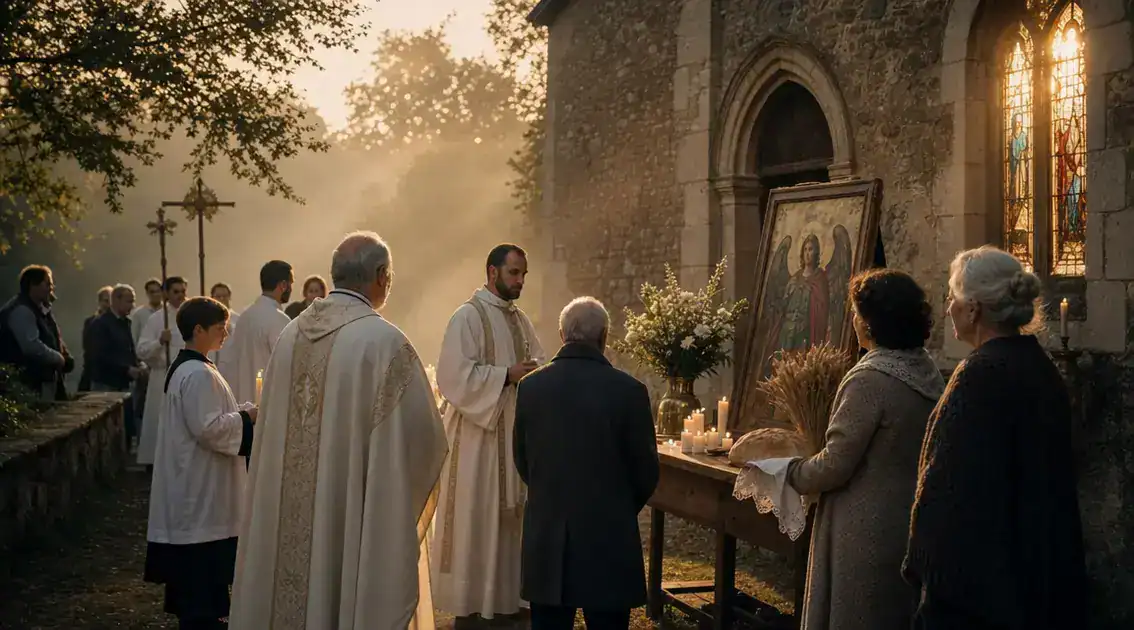
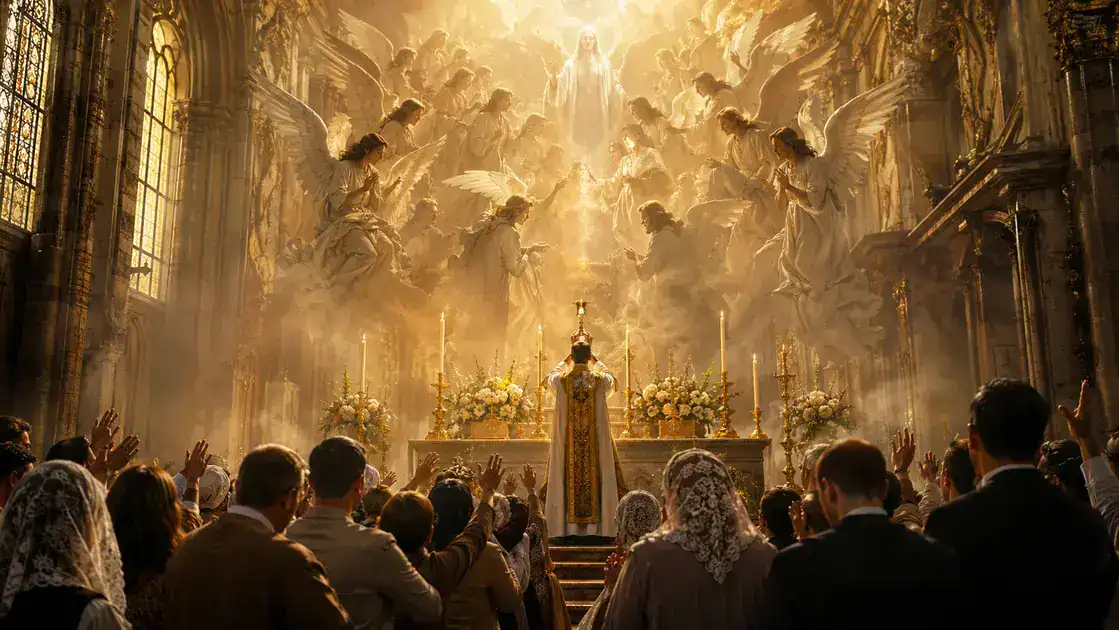
Liturgy gives shape to how communities remember angels. Through readings, hymns, and the Mass or Divine Office, the church places these feasts into the year’s rhythm. These public rites make memory live in a communal way, so that prayer, song, and Scripture teach the faithful to notice heaven’s care in ordinary time.
Saints and holy witnesses keep those memories warm and personal. Shrines, relics, and the stories of those who loved the angels invite private devotion to join public worship. Voices like humble pastors, monastic poets, and saints who wrote about prayer help people see angelic help not as an abstract idea but as a lived experience of guidance and protection.
Local customs then turn calendar days into real practice. A village blessing at Michaelmas, a candle lit for a traveling friend, a small procession to a chapel, or a family reading of the Annunciation binds the feast to daily life. These simple acts—bread shared, a prayer said, a bell rung—teach a steady lesson: the church year is a map for seeing God’s care in small things.
Living the angelic calendar: spiritual practices for the year
Living the angelic calendar gently trains the heart to notice heaven’s care across the year. Small marks on a calendar or a quiet feast day invite us to stop and listen, turning ordinary time into moments of prayer. These observances remind us that God’s care is not only occasional but woven into the rhythm of daily life.
Simple practices help the rhythm take root: read the Scripture linked to a feast, light a candle, or share a modest meal with a short blessing. On Michaelmas pause to give thanks for protection, on Gabriel’s day listen again to the Annunciation, and on Raphael’s feast offer a prayer for healing or safe travel. Inviting a friend or family member to join makes these acts communal and keeps them from fading into mere formality.
Little habits grow into steady devotion when they are gentle and repeatable. A nightly line to your guardian angel, a marked calendar with colored ribbons, or one small act of mercy on an angel’s feast can change how you see the year. Begin with one simple practice, keep it faithful, and let the church’s calendar shape a life of gratitude, trust, and attentive love.
A prayer to carry with you
Lord, thank you for sending messengers of your care into our lives. As we mark their feasts through the year, may we remember that we are held and guided. Let the memory of angels teach us that we are not alone in our joys or our fears.
Help us to meet each feast with a simple heart: a prayer, a candle, a small act of kindness. These little practices shape a steady life of trust more than grand gestures ever could. May they root our days in gratitude and gentle attention.
When hard moments come, remind us of the stories we have read and the prayers we have shared. May those memories bring calm, courage, and the strength to turn toward one another. Teach us to walk lightly, carrying wonder and care into each ordinary hour.
Keep us mindful of heaven’s quiet work, and send us out with peace. Amen.
FAQ – Questions about the angelic calendar and feasts
Why does the church celebrate angel feasts?
The church celebrates angel feasts to remember how God acts through heavenly messengers in Scripture and history. Passages like Daniel (guardian roles), Luke (Gabriel at the Annunciation), Tobit (Raphael’s guidance), and Revelation (Michael’s victory) give biblical reasons, and the liturgy shapes this memory so worshipers live with attention to God’s care.
What are the main angel feasts and when are they observed?
In the Western tradition the chief date is September 29 (Michael, Gabriel, and Raphael together), and October 2 is often kept as the Feast of the Guardian Angels. The Eastern Orthodox tradition celebrates a Synaxis of the Archangel Michael and the other bodiless powers on November 8. Local churches may add other commemorations tied to shrines or ancient dedications.
What do Gabriel and Raphael represent in Scripture and devotion?
Gabriel is the messenger who brings God’s revealing word, most clearly at the Annunciation in Luke 1, so he is invoked when people seek clarity and faithful yes. Raphael appears in Tobit as a companion and healer, showing God’s care in travel and medicine; devotion to him often centers on healing, travel, and safe guidance.
What is Michaelmas and why did communities observe it?
Michaelmas, celebrated on September 29 in the West, honors Archangel Michael as protector and judge (see Daniel and Revelation 12:7–9). Medieval villages tied Michaelmas to harvest and provision—blessings, bread, and simple rites—so the feast became both a spiritual remembrance and a communal moment of thanksgiving and trust.
How can I observe angel feasts at home in a simple, faithful way?
Practical observances include reading the related Scripture (e.g., Daniel, Luke, Tobit), lighting a candle, offering a short prayer for protection, guidance, or healing, and sharing a modest meal or blessing with family. These modest acts follow tradition: they root the feast in prayer and daily life rather than requiring elaborate ritual.
Do all Christians believe in guardian angels, and how should I relate to mine?
Many Christian traditions accept guardian angels; Jesus’ words in Matthew 18:10 are often cited as support, and Catholic and Orthodox teachings give formal recognition to this care. Relating to a guardian angel is best done in humble prayer—acknowledging God first, asking for help or guidance, and paying attention to gentle prompts rather than seeking spectacular signs.