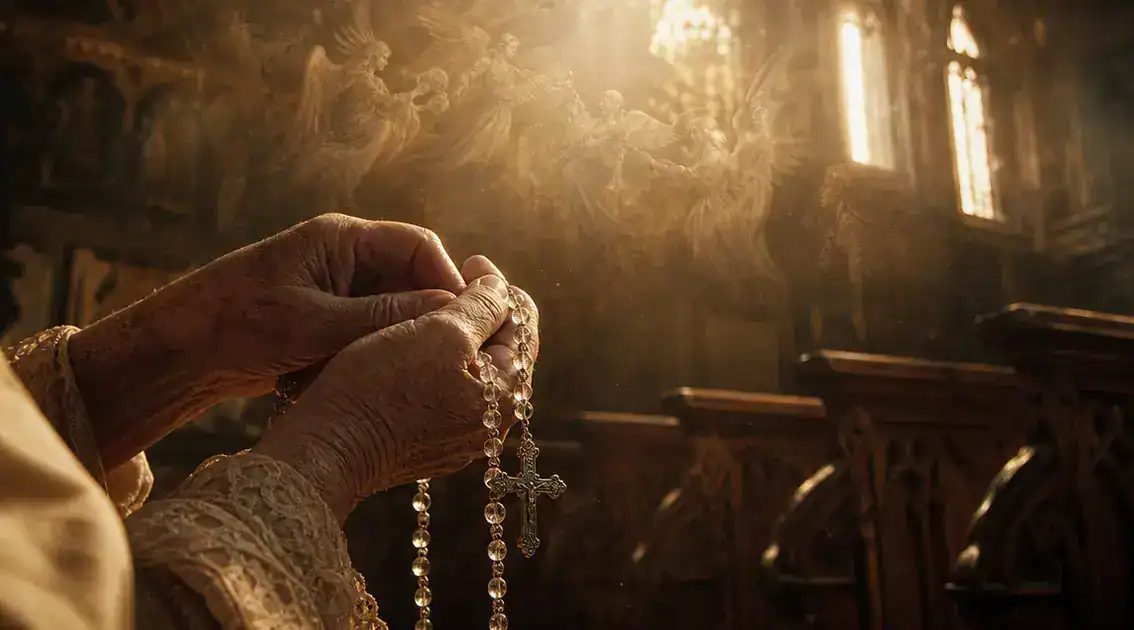

Novena to the archangels is a nine-day devotional prayer invoking Michael, Gabriel, and Raphael to intercede for discernment, healing, and protection, rooted in Scripture and Church tradition, practiced with simple daily rhythms of prayer, brief scripture, and silence so the faithful may grow in clarity, consolation, and obedience to God’s will.
?Have you ever felt a quiet presence guiding a decision or lighting a dark room? novena to the archangels opens nine days of attentive prayer with Michael, Gabriel and Raphael — an invitation to listen, ask, and be gently steadied.
Biblical roots: angelic visits and the call to pray
Across the Bible, angels appear not as distant ideas but as messengers who meet people in real moments. In Genesis, visitors bring news to Abraham and Lot; in Daniel, an angel answers prayer and gives strength. The Gospel scenes feel closest to us: Gabriel’s greeting to Mary begins a life-changing dialogue, and angels comfort the disciples at the tomb. These encounters show that God often works through a gentle, personal messenger to turn our attention back to him.
Those visits are also invitations to pray. Time and again Scripture links angelic presence with a response of faith: Daniel prays and an angel comes with understanding; Mary listens and says yes. The pattern is simple and hopeful — prayer opens a door, and God sends help. Prayer is the human response that makes room for God’s message, and the angels in the stories point us toward that quiet, obedient listening.
For everyday devotion, this means we do not need spectacular signs to practice angelic companionship. We begin with steady prayer, reading the Bible, and a humble asking for guidance or protection. When we do, we join the long thread of Scripture where God uses messengers to steady hearts and guide steps. These stories encourage a prayerful attention that expects God’s kindness, trusting that help can arrive in subtle, life-changing ways.
Who are Michael, Gabriel and Raphael in Scripture

The Scriptures present Michael, Gabriel and Raphael as distinct servants of God’s care, each showing a different way God reaches us. Michael appears as a protector and leader, called to stand for God’s people. Gabriel comes as a clear messenger who brings news that changes lives. Raphael shows up as a gentle guide and healer, walking beside those who are afraid or sick.
In the book of Daniel, Michael is named as a chief prince who defends Israel, and in Revelation he appears as the one who contends against evil. Gabriel speaks in Daniel to explain visions and then appears in Luke to announce the birth of John and Jesus, moments that call for trust and obedience. Raphael’s story in Tobit (found in Catholic and Orthodox canons) shows him guiding Tobias on a journey and bringing healing to a wounded family — a plain, human work of care.
These biblical portraits invite a simple response: prayer and attention. When you feel overwhelmed, you can ask for Michael’s protection; when you seek clarity about God’s will, remember Gabriel’s clear speech; when you need healing or steady company, turn to Raphael’s quiet care. Practically, this means praying with honesty, reading the passages that describe them, and listening for the small, steady nudges that follow — a humble way to welcome God’s help through these faithful messengers.
Text of the novena: full prayers and liturgical notes
This novena follows a simple, steady rhythm for nine days: an opening invocation, the daily prayer, a brief scripture or psalm, and a closing blessing. Begin by making the Sign of the Cross, offering a short act of faith, and inviting the archangels near. Breathe slowly, name your intention, and ask the Lord to work through Michael, Gabriel, and Raphael in the ways you most need.
Daily prayer (say slowly and from the heart): O holy Archangels Michael, Gabriel, and Raphael, stand with me this day. Protect me from harm, bring clear message where there is doubt, and heal what is broken in body and spirit. Guide my steps, enlighten my mind, and carry my petitions to the throne of God. May your presence strengthen faith, bring consolation, and help me follow Christ more closely. Amen.
After this prayer, sit in gentle silence and listen for a small prompt of peace or clarity. You may read Luke’s account of the annunciation, a healing passage like Tobit, or Psalm 91 as a short companion. Pray for one specific intention each day, and conclude with the Sign of the Cross and a brief blessing for those you love. Repeat this pattern for nine days, trusting that prayer opens a humble channel for God’s care through these faithful messengers.
Patristic and devotional tradition: saints who recommended this prayer
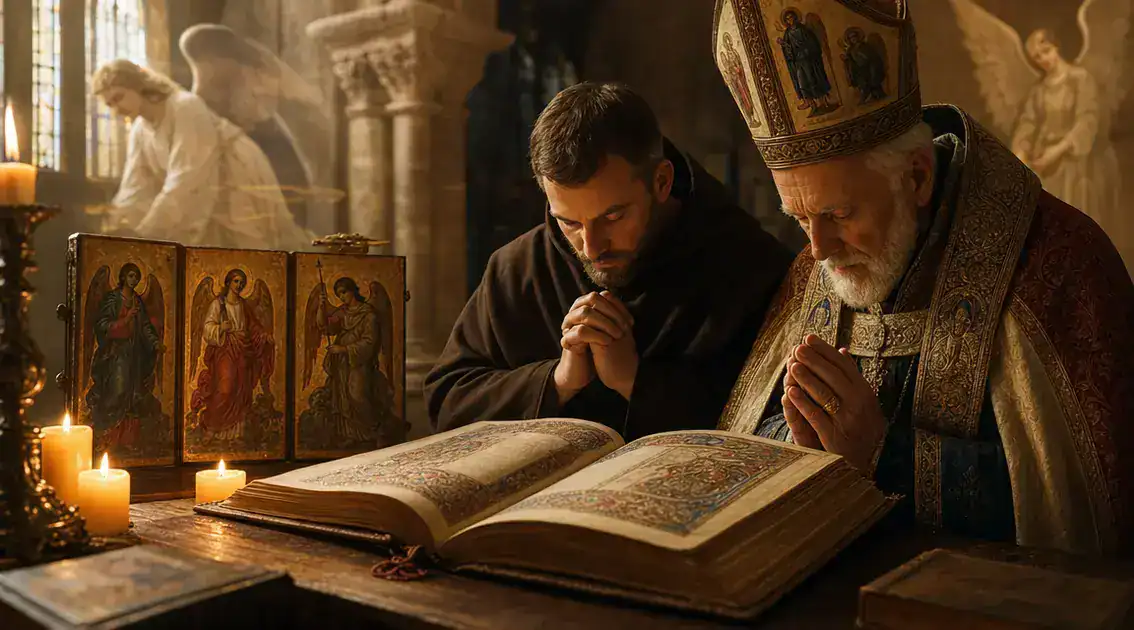
For centuries the Church’s writers and saints treated angels as living companions in prayer. Early teachers like Augustine reflected on angels as God’s ministers, and leaders such as Gregory the Great helped shape popular devotion to Michael in liturgy and shrines. These voices show that calling on the archangels comes from a long, prayerful tradition rather than a sudden idea.
Through the medieval world into modern times, monks, mystics, and parish pastors kept the practice alive in homes and chapels. Many beloved figures encouraged people to invoke archangels in danger, when seeking clarity, and during sickness; Padre Pio and other modern witnesses often spoke of trusting one’s guardian angel. Saints used Scripture like Tobit and the Gospel annunciations as the steady guide for how to pray and why to hope.
Following their example can be simple and gentle. Read a short passage, name a clear intention, and offer a brief prayer asking for protection, guidance, or healing each day. The saints teach a humble rhythm: read, ask, and trust, and in time that quiet practice can form a steady habit of attention to God’s care through these faithful messengers.
How to pray these nine days: practical tips and rhythms
Choose a gentle time each day and make a small, quiet space for prayer. Begin with the Sign of the Cross and name your intention aloud or in your heart. A steady place and a short routine help the mind settle and make the nine days feel possible, even on busy mornings.
Use a simple rhythm: a short opening act of faith, the daily novena prayer, a brief scripture reading, and a moment of silence. Breathe slowly as you listen, and let the silence be part of the prayer. Keep the words plain and honest — a short, honest prayer is more powerful than long, distracted speech.
Practical tools can deepen the habit without making it heavy. Light a candle, keep a small journal of thoughts and answers, or invite a friend or family member to join for a day or two. Above all, hold to one clear intention each day and return to it gently; consistency and trust matter more than perfection.
Spiritual fruits: discernment, healing and protection

When the novena is lived with attention, small changes begin to show in daily life. Over nine days, prayer can open us to three simple gifts: discernment, healing, and protection. These fruits arrive gently—an inner calm, a clearer choice, or a slow mending of what was broken—rather than as dramatic signs.
Discernment often comes as a soft nudge or a clearer thought about the next right step. You may find a sudden peace about a decision or a new openness to God’s will. Think of Gabriel’s clear message in Scripture: good news that made a path forward. In the same way, steady prayer helps the heart notice those small promptings and grow more confident in what feels true and kind.
Healing and protection work together in prayer. Healing may touch the body, soothe a fear, or restore a strained relationship, much like Raphael’s quiet care in the story of Tobit. Protection is not only being kept safe but being given courage and steadiness, as Michael is shown in Scripture. As you pray, look for ordinary signs—a night of better rest, a softened heart, renewed courage—that show these gifts taking root in everyday life.
A prayer to carry with you
May the quiet presence of Michael, Gabriel, and Raphael walk beside you each day, bringing a steady calm when choices feel heavy and a gentle courage when fear stirs. Know that you are held by care that is both real and tender — never truly alone.
Carry this small practice into ordinary moments: a brief pause in the morning, a whispered request at noon, a breath of thanks before sleep. These tiny acts form a thread of prayer that weaves God’s help into daily life, making the ordinary feel like a sacred place.
Heavenly Father, through your faithful messengers, give us clarity where we are confused, healing where we are hurt, and protection where we are worn. Help us listen for simple promptings and trust the quiet good that follows. Amen.
Go gently, with a heart open to wonder. Return to this prayer whenever you need a steady hand, and let the archangels’ care shape the way you walk and love in the world.
FAQ – Common questions about the archangels and this novena
Do Michael, Gabriel, and Raphael appear in the Bible?
Yes. Scripture names Michael as a protector (Daniel 10–12; Revelation 12), Gabriel as a messenger (Daniel 8–9; Luke 1), and Raphael as a healer and guide in Tobit (found in Catholic and Orthodox canons). Their roles in these passages shape how Christians have prayed to them for centuries.
Can I pray to the archangels during a novena?
Many Christian traditions, especially Catholic and Orthodox, invite asking the archangels to intercede and assist. Prayer to them should always point to God; we ask the archangels to carry our petitions and help us follow Christ, while directing ultimate worship and trust to God alone.
Will a novena guarantee a specific outcome?
A novena is a faithful devotional practice, not a magic formula. Scripture honors persistent prayer (see Luke 18:1–8). Expect growth in trust, clarity, and openness to God’s will rather than a guaranteed, immediate result. The practice forms the heart to receive God’s help.
Which Bible passages should I read during the nine days?
Good passages to accompany the novena include Luke 1 (the annunciation), Daniel 10–12 (Michael’s ministry), Psalm 91 (trust and protection), and Tobit 3–12 for Raphael’s guiding care (in those traditions that include Tobit). Short readings each day help the prayer stay anchored in Scripture.
What spiritual fruits might I notice while praying this novena?
Many people report simple, steady fruits: greater discernment about decisions, a calming of fear, small healings of heart or relationships, and a felt sense of protection. These often come quietly—an inner peace, clearer judgment, or renewed courage—rather than dramatic signs.
Are there any cautions I should keep in mind when praying to angels?
Yes. Do not seek signs nor place angels above God; Scripture warns against elevating creatures (Colossians 2:18). Test any interior prompt with Scripture, prayer to God, and, when helpful, the counsel of a trusted spiritual leader. Keep prayer humble, Christ-centered, and focused on God’s will.