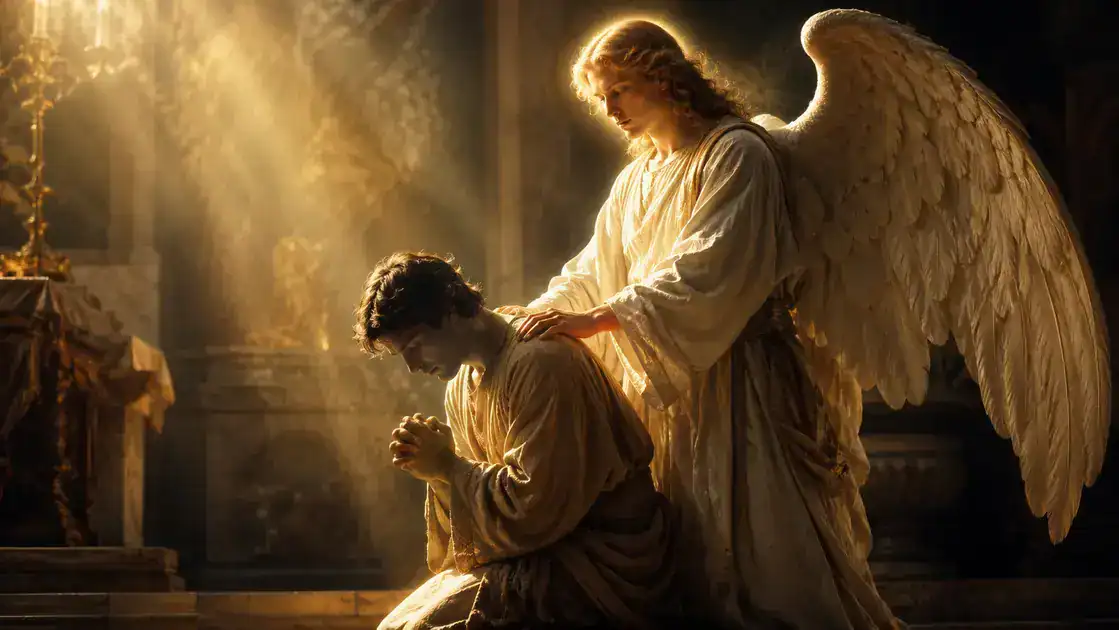

Consecration to a guardian angel is a solemn act of devotion by which a believer entrusts their life to God’s care through the angel assigned to them, asking for guidance, protection, and growth in virtue while maintaining human freedom and rooted in Scripture and the witness of saints.
consecration to guardian angel: have you ever felt a sudden hush, a guiding thought that seemed not your own? This quiet devotion opens a sacramental space where ordinary choices become small acts of holy companionship.
Biblical roots of angelic companionship
From the first pages of Scripture, God sends messengers who walk close to human life. In Genesis, angels visit Abraham and Jacob and act as guides and guests in ordinary moments. The Psalms frame this as a steady promise: “For he will command his angels concerning you” (Psalm 91), a line that turns protection into a familiar part of God’s care.
The Gospels deepen that intimacy when Jesus speaks of children and adds that their angels always see the face of the Father, showing that heavenly care watches us in God’s presence. The story of Tobit gives a vivid, personal image of this companionship, as the angel Raphael accompanies Tobias through danger, healing, and decisions. These scenes make the abstract idea of angels very human and near.
Read together, these passages form a pattern: angels are not distant beings but personal companions sent by God to guide, guard, and comfort. This biblical habit of divine accompaniment helps us see consecration to a guardian angel as a rooted, scriptural practice rather than something exotic. It invites a simple, steady opening of the heart to daily guidance and protection.
Theology of consecration and spiritual guardianship
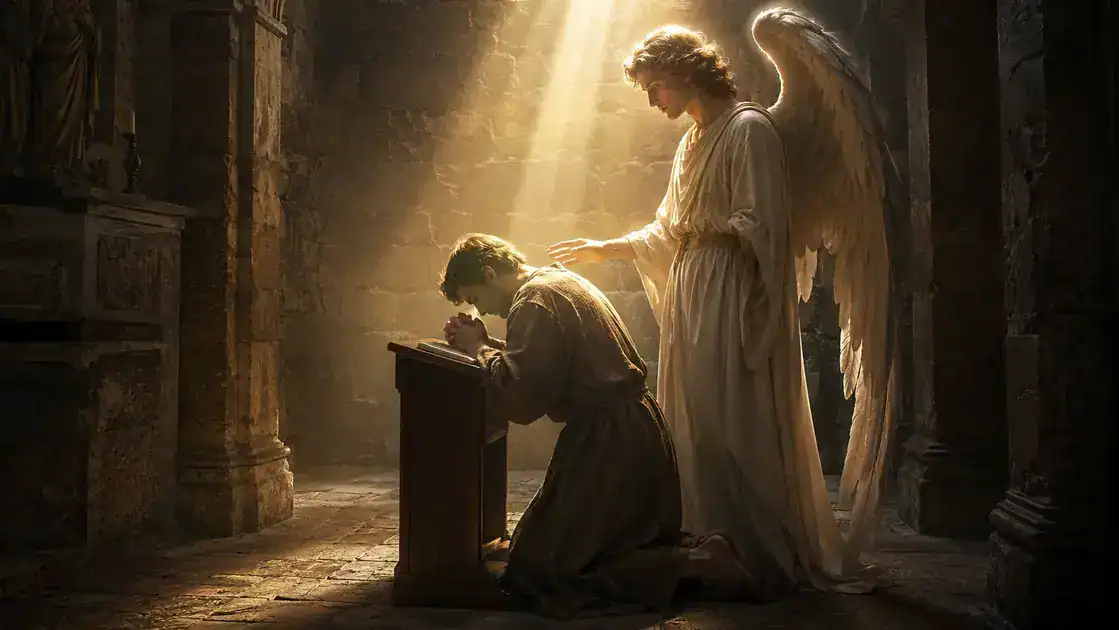
Consecration to a guardian angel is a simple, earnest giving of yourself to God’s care through a heavenly companion. It is not a magic formula but a deliberate act of trust. Theologically, it names our desire to live under God’s watchful love and to accept the help God offers through angels.
Guardian angels are described in Scripture as messengers and protectors who stand near us in daily life. They nudge our conscience, guard us from harm, and inspire acts of kindness. When you consecrate yourself, you are saying yes to this steady companionship and acknowledging that holiness often grows in small, guided steps.
Practically, consecration shapes how you pray and choose. It asks for moments of quiet attention, brief prayers of surrender, and a habit of inviting the angel’s guidance before decisions. This is a humble discipline, meant to deepen trust and to join your everyday choices to the larger rhythm of God’s care without drama or pretense.
How saints practiced devotion to their guardian angel
Many saints kept a quiet, everyday friendship with their guardian angel instead of chasing visions. Padre Pio and St. John Bosco are known for speaking plainly about an inner companion who nudged them toward charity and prudence. Their devotion looked like brief prayers said at ordinary moments, a steady habit more than a dramatic event.
These holy practices were simple and repeatable: a short morning offering, a quick plea before a journey, a moment of silence before a hard choice. Saints often paired a small physical action with prayer — lighting a candle, signing the cross, or jotting a line in a journal — so the body would help the soul remember the angel’s presence. Over time these tiny acts knit themselves into a spiritual routine that shaped daily life.
The fruit of such devotion was calm courage and clearer moral sight rather than theatrical wonders. Those who followed the saints’ example found that conscience grew more keen and acts of kindness became easier to choose. You can begin with a habit of daily attention: speak a brief prayer, name one desire or fear, and then move through the day with the quiet expectation that you are not alone.
A simple rite: steps for personal consecration
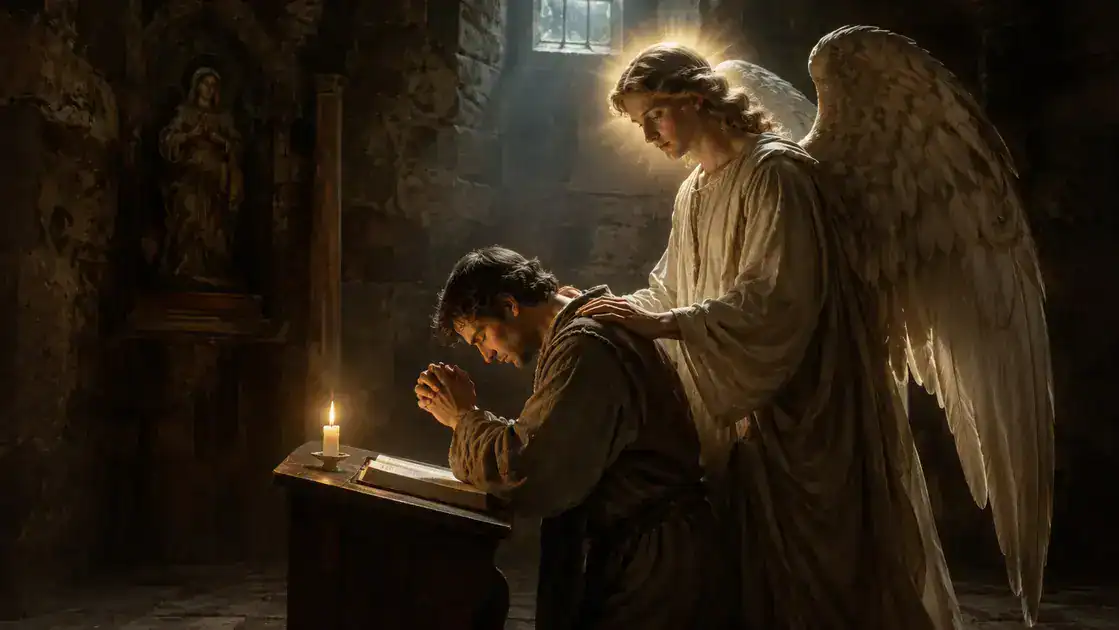
Begin by making a small, quiet space. Sit or kneel where you will not be rushed, light a candle if you like, and take a few slow breaths to settle your heart. Offer a brief moment of silence and name your desire to be guided; this plain act of attention prepares you for the next step.
Speak a simple, sincere prayer of consecration and invitation. You might say in your own words that you give yourself to God’s care through your guardian angel, asking for guidance, protection, and courage. Make the central gestures short and clear — a sign of the cross, a humble bow, and a quiet word of surrender — letting surrender and invocation shape the moment more than any long formula.
After the rite, keep the practice small and steady so it becomes part of your day. Offer a one-line prayer each morning, a quick plea before hard choices, and a short thanksgiving at night. Over time these brief acts form a habit of attention that deepens trust and helps you notice the gentle guidance that often moves us in small ways.
Living the consecration: signs, doubts, and spiritual fruit
Living a consecration often shows itself in quiet, steady ways rather than dramatic signs. You may feel a calm in sudden stress, a gentle nudge to choose mercy, or an unexpected clarity about a decision. These small movements of heart are signs of consolation that invite you to notice God’s care woven into everyday life.
Doubt and dryness are part of the path and do not cancel the grace you asked for. When you feel unsure, return to simple practices: a brief prayer, the original words of your consecration, a moment of silence, or a sacrament where it is available. Speak honestly with a spiritual friend or director; these steps help you hold the faithful habit without turning every feeling into a verdict.
Over time the true spiritual fruit becomes visible in small acts: steadier charity, clearer conscience, and a softer, braver heart in hard moments. Keep the practice small and steady — a morning offering, a quick plea before choices, a nightly thanksgiving — and let trust and patience shape your days. As these habits deepen, you will more easily recognize the angel’s gentle guidance in ordinary decisions and ordinary kindnesses.
A gentle blessing as you go
May you walk with the quiet peace of one who is watched and loved. Remember that in small choices and big fears, you are not alone. The same care that held the saints holds you now.
If doubt comes, meet it with a short prayer and a steady habit. Offer a morning thought, a quick plea before hard choices, and a simple thanks at night. These tiny acts keep your heart open and help you notice gentle nudges.
Let patience be your companion. Grace often grows slowly. Keep faith in small steps and let mercy shape your days.
Go now with a soft courage. Trust the companion who walks beside you and carry this consecration into ordinary hours, making each small choice a quiet yes.
FAQ – Questions about consecration and guardian angels
Do guardian angels really exist according to the Bible?
Yes. Scripture speaks of angels who serve and guard us, for example Psalm 91:11: “He will command his angels concerning you.” Jesus also refers to angels in Matthew 18:10, and both Jewish and Christian tradition have long affirmed their presence.
Does every person have a guardian angel?
Many Christian traditions teach that each person is entrusted to a guardian angel. The Catechism of the Catholic Church and longstanding Christian practice affirm personal angelic care, often drawing on Jesus’ words about the angels of children in Matthew 18:10.
What is consecration to a guardian angel and is it appropriate?
Consecration is a prayerful giving of yourself to God’s care through the angel God has assigned you. It is a devotional act, rooted in piety and the witness of saints, not a magical rite. The aim is trust, guidance, and growth in virtue under God’s providence.
How do I make a simple, honest consecration?
Start small: find a quiet spot, name your intention, pray a short act of consecration, and use brief daily practices—an offering in the morning, a quick plea before choices, and thanks at night. Saints like Padre Pio and John Bosco practiced short, steady habits rather than elaborate formulas.
I don’t feel anything after consecrating. Does that mean it didn’t work?
Not feeling an immediate change is common and not a failure. Spiritual consolation often arrives slowly. Keep faithful to simple practices, speak honestly in prayer, and consider discussing your experience with a spiritual friend or director who can support patient growth.
Can angels change God’s will or take away my freedom?
No. Angels serve God’s loving plan and assist us, but they do not override human freedom or God’s will. Biblical examples like Raphael guiding Tobias in Tobit show angelic help that leads and heals while leaving human choice intact.