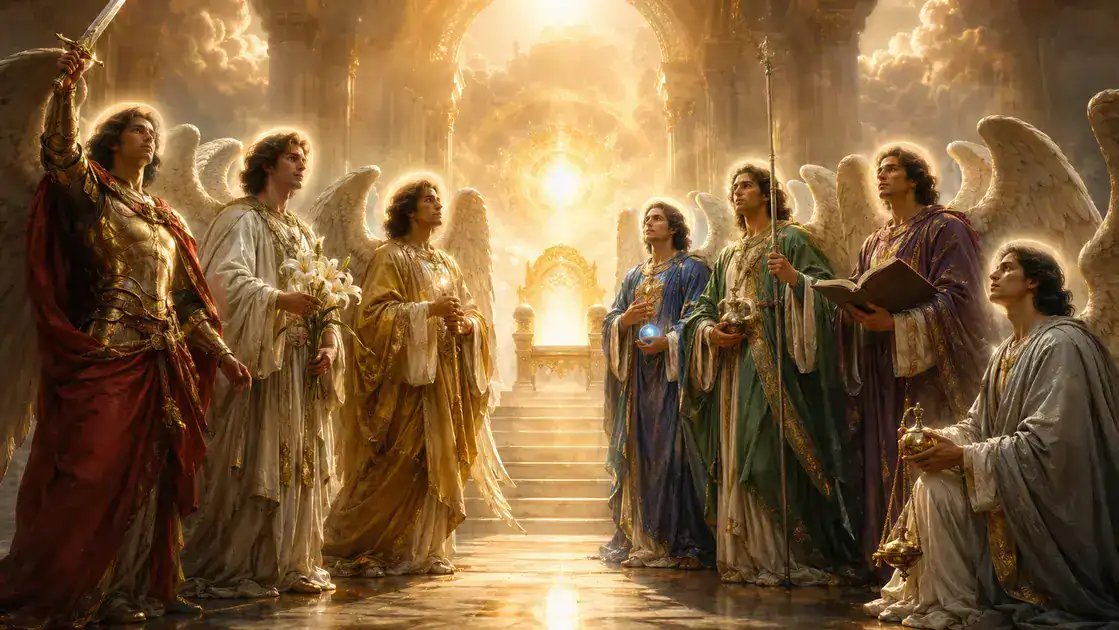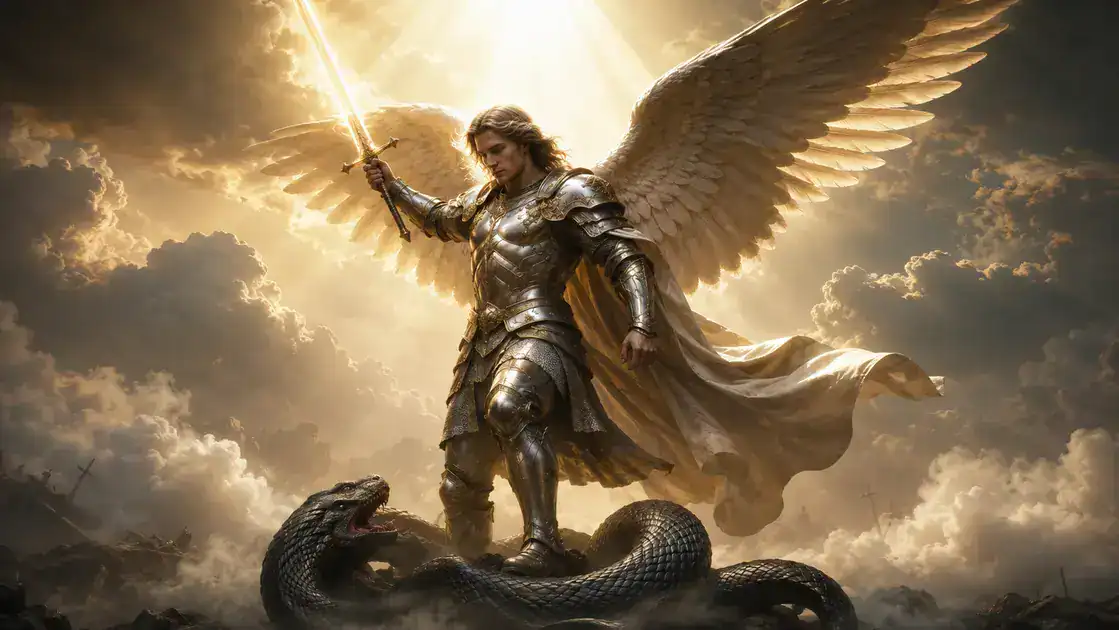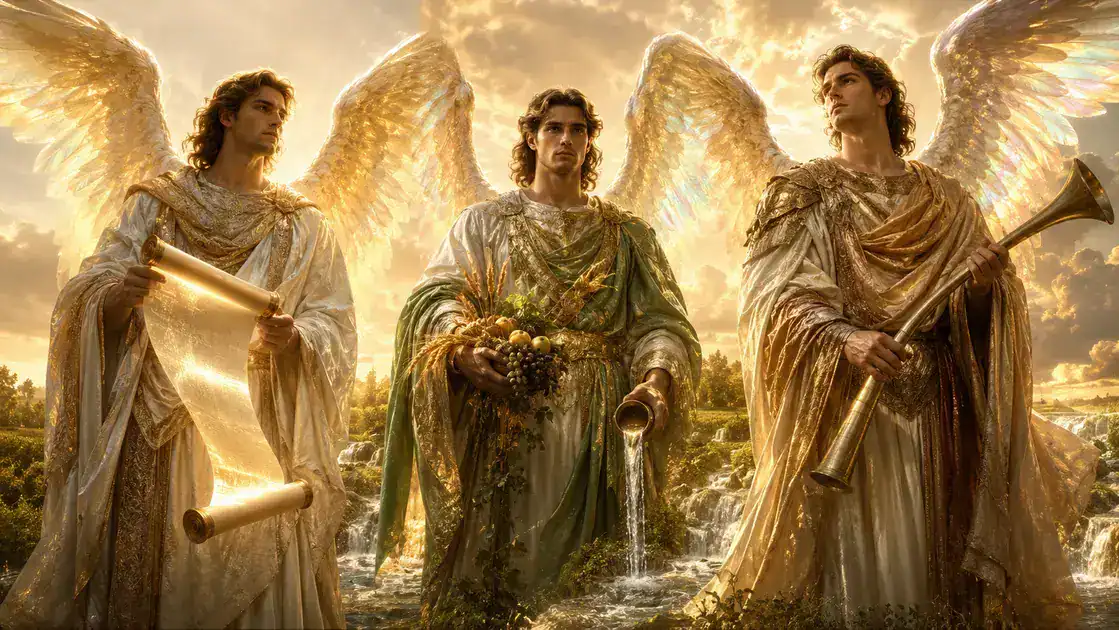

Archangels in Islam — Jibril as the faithful bearer of divine revelation, Mikail as the steward of sustenance and mercy, and Israfil as the herald of the Last Day — are angelic officers grounded in the Quran and prophetic hadith, serving to transmit God’s word, care for creation, and call humanity to moral readiness.
archangels in islam jibril — have you ever wondered how a single messenger shaped revelation? Let us sit with Quranic scenes and prophetic reports that name Jibril alongside Mikail and Israfil, opening a quiet space for reflection.
Who is Jibril in the Quran and early Islamic tradition
In the Quran, Jibril is presented as the angel who brings God’s word to prophets. He is often described not as a vague spirit but as a clear, faithful envoy. In passages that recount revelation, Jibril appears as the bearer of revelation, moving God’s message into human language so people can hear and respond.
Early Islamic tradition fills in the quiet details of those meetings. Stories of the Cave of Hira and the first moments of revelation show Jibril arriving with light and a calm severity, urging the listener to read or receive a message. Hadith literature preserves scenes where Jibril teaches, questions, and confirms the prophetic call, acting as both messenger and witness to the sacred exchange.
For devotional life, these accounts shape how believers imagine the closeness of revelation. Jibril is not distant thunder but a caring intermediary who makes the unseen speak to the heart. Holding that image invites a practice of attentive listening: prayer, quiet reading of revealed texts, and a humble readiness to be guided by what is larger than oneself.
Mikail: sustenance, mercy and the care of creation
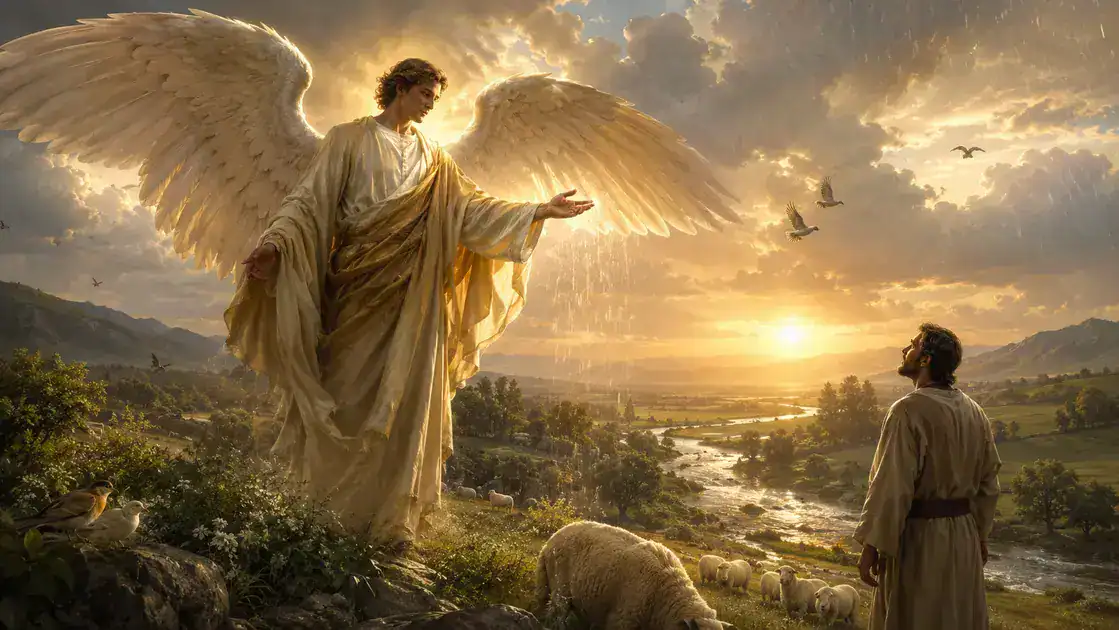
Mikail is known in Islamic tradition as the angel closely tied to provision and the visible care of the world. He is often pictured in stories as arranging rain, winds, and the bounty that feeds people and animals. In that way, he becomes a quiet symbol of sustenance and mercy — a reminder that life’s daily gifts are held within a larger, loving order.
Imagine fields after a long drought, or the sudden ease of cool rain on warm soil; those images help us feel what these traditions teach about Mikail’s work. The texts invite us to see seasons, harvests, and flowing rivers not as random chance but as part of a compassionate design. This view asks us to notice small mercies: a shared meal, a child’s bright laughter, water that arrives when it is needed most.
For spiritual practice, that recognition turns into gentle action. We respond with gratitude, mindful use of what we are given, and care for the earth that sustains us. Seeing Mikail’s role can shape how we pray and how we act: we give thanks, we protect resources, and we treat every gift as both fragile and holy.
Israfil and eschatology: the trumpet that ends and begins
When the texts speak of Israfil, they point toward a moment that both closes and opens the world. In many traditions he is the angel assigned to blow the great trumpet — a sound that will end present time and call forth a new reality. This image is not meant to frighten so much as to remind the heart that all things are held within a divine rhythm of ending and renewal.
The trumpet is described as a single, clear act that will wake the sleeping and gather the living. In that scene, the noise is not chaos but a sacred summons: a call to account, a call to mercy, and a call to restoration. Hearing that call in our imagination invites a quiet courage, a readiness to meet truth with honesty and compassion.
Living with the thought of Israfil’s trumpet can shape how we act now. It encourages small, steady practices — prayer, care for others, and repair where we can — because each act of kindness keeps us aligned with the promise of renewal. In the quiet between breaths, the image of the trumpet becomes a gentle teacher, asking us to hold both our endings and our beginnings with trust and mercy.
Angelic encounters in hadith and the language of revelation
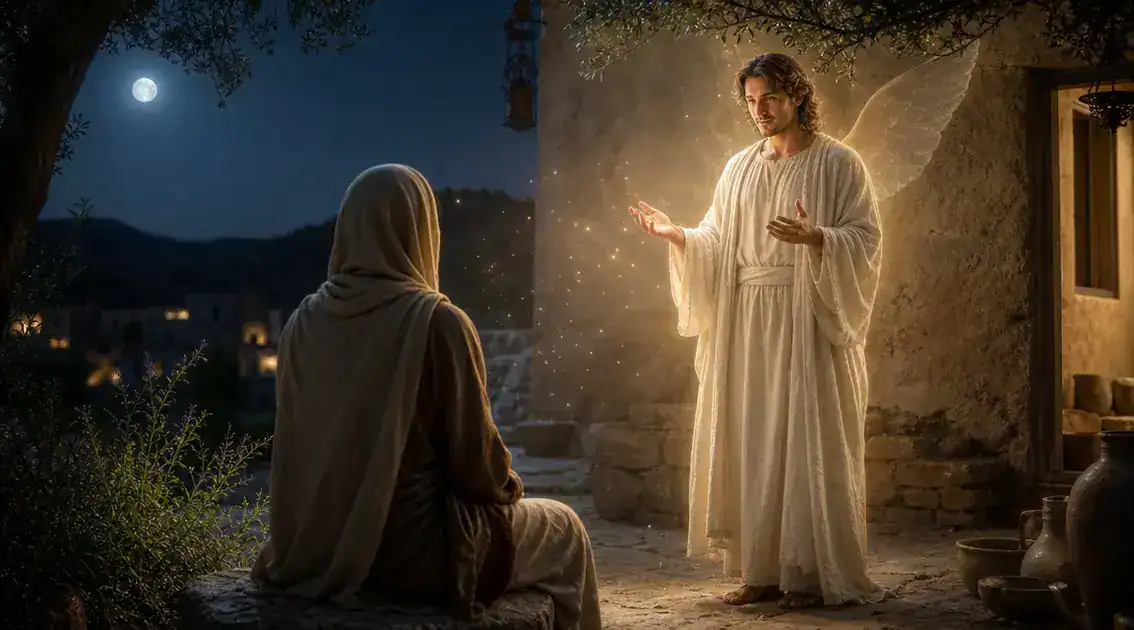
Hadith recount many moments when angels come close in clear, human-like form to teach and to test. In these stories an angel may appear as a simple man and ask questions, or stand in a scene full of light and gravity. Such accounts show that angelic visits are both ordinary and sacred, meant to form faith through direct, personal exchange.
Those encounters also teach us about the language of revelation. Sometimes communication is plain speech, easy to hear and answer; other times it is a pressing of meaning into the heart, a weight that settles and stays. The texts describe both kinds of contact, giving believers a way to understand how the unseen can make itself known without breaking the quiet of human life.
For devotional practice, these narratives invite attentive listening and steady humility. We do not expect dramatic signs every day, yet the stories teach us to read tenderness in ordinary time—careful study of scripture, prayer that pauses for inner promptings, and a readiness to act when mercy asks us to. This way, the voice of guidance becomes less a distant miracle and more a steady companion for the faithful walk.
Responding devotionally: prayers, art and interpretive differences
Many believers respond to the archangels through simple, steady practices of prayer and remembrance. Hands raised in quiet supplication, the repetition of short phrases, or a moment of silence after reading a sacred passage all help the heart hold what revelation asks of it. These small acts shape a life of attention, teaching us to listen for guidance and to welcome mercy when it comes.
Art and material devotion often follow the same impulse. In many traditions, artists turn to pattern, light, and calligraphic form to name the sacred without words or images that claim too much. Such work becomes a kind of prayer itself — a painted panel, a carved wood screen, or a gentle arrangement of light and color that invites wonder and memory. When we stand before such pieces, we are invited into a contemplative posture: to be still, to thank, and to learn.
Different communities read these signs in different ways, and that variety is not a weakness but a resource. Some emphasize scholarly study of texts, others favor mystical experience, and many simply live their devotion in concrete care for neighbors. Holding those differences with humility lets us learn from one another while keeping the focus on compassion and faithfulness. In practice, this means responding with charity, steady study, and acts of kindness that reflect the mercy the archangels symbolize.
A gentle prayer to carry with you
May the memory of Jibril’s faithful message, Mikail’s mercy and care, and Israfil’s call to new life rest softly in your heart. In quiet moments, let these images remind you that the unseen holds you with kindness and purpose.
Listen with patience, and let prayer make you steady. Practice small acts of care for others and for the earth, for such deeds are a simple way to live what revelation asks. Hold this as a daily habit: a short prayer, a moment of thanks, a kind choice.
May wonder shape your days and mercy guide your steps. When doubt comes, remember that the sacred is not far off but woven into the ordinary. Go in peace, ready to receive and ready to give, carrying this gentle trust into every small hour.
FAQ – Questions about Jibril, Mikail, Israfil and angelic presence in Islam
Who is Jibril and what is his primary role in Islam?
Jibril (Gabriel) is named in the Quran as the angel who brings God’s revelation to the prophets (see Quran 2:97) and is shown in hadith acting as the clear messenger who taught and confirmed the Prophet’s call. He is understood as the faithful bearer of divine speech, making the unseen Word accessible to human hearts.
What is Mikail’s function and how is he described in tradition?
Mikail (Michael) is associated in Islamic tradition with provision and the care of creation—rain, sustenance, and the orderly workings of nature. The Quran mentions angels by name and classical commentaries and hadith expand his role as a merciful steward who helps bring God’s blessings to the world, pointing believers toward gratitude and responsible care for creation.
Is Israfil mentioned in the Quran, and what does tradition say about him?
Israfil is not named in the Quran, but later prophetic traditions and classical literature identify him as the angel who will blow the trumpet at the Last Hour, marking the end of the present order and the beginning of resurrection. That image functions as an eschatological call to moral readiness and hopeful trust in God’s final reckoning and mercy.
Can people meet angels today as the prophets did?
Stories in the hadith show angels appearing in human form for specific, purposeful encounters—most famously the hadith of Jibril who appeared as a man to question the Prophet about Islam, faith, and excellence. While such meetings are not common for ordinary life, tradition encourages attentive prayer, ethical living, and humility, since the unseen can touch the seen in measured, meaningful ways.
How should these angelic roles shape devotional life and practice?
Knowing Jibril, Mikail, and Israfil invites practices of listening, gratitude, and readiness: careful study and recitation of revelation, thanksgiving and stewardship for daily sustenance, and moral preparedness for life’s endings and renewals. Devotion becomes both inward (prayer, reflection) and outward (charity, care for creation), reflecting the mercy and purpose these angels embody.
Do all Muslim communities understand angels the same way?
Core beliefs—angels’ existence and some key functions—are shared across Sunni, Shia, and other Muslim schools because they are grounded in the Quran and hadith, but emphasis and interpretation differ. Sufi writings may give richer mystical readings of angelic presence, while juristic traditions focus on doctrinal clarity; these differences offer complementary ways to live the same inner trust and ethical responsibility.