
Difference between archangels and regular angels: Archangels are named leaders in Scripture given specific, often decisive missions—protection, revelation, or healing—while regular angels serve as numerous, typically unnamed messengers, guardians, and worshipers; both function within a heavenly order that directs creation toward God’s presence and loving purpose.
difference archangels and regular angels — have you ever wondered why some heavenly messengers carry rank, names, and unique roles while others remain unnamed? Walk with me through a few Scripture passages, historical glimpses, and devotional reflections that illuminate their distinct presence in our prayer life.
Biblical glimpses: where angels and archangels appear
Scripture offers brief, moving scenes where angels enter human story and point toward God. In Genesis, Abraham receives unexpected visitors, and Jacob dreams of a ladder with angels going up and down, images that feel domestic and mysterious at once. In the prophetic books and the Gospels we meet named figures—Gabriel and Michael—whose appearances mark turning points in God’s plan.
These encounters vary in tone: some are arresting and fearsome, others tender and consoling. Isaiah and Ezekiel describe heavenly beings around the throne, singing and keeping divine order, while in Luke and Daniel angels deliver messages, warnings, and protection. Together these passages show both angels who worship at God’s side and those who serve in mission to the world.
Reading these biblical glimpses can shape our prayer and attention: they remind us that God’s care moves through both named leaders in the spiritual realm and unnamed companions at our side. The presence of an archangel like Michael points to spiritual leadership and struggle, while unnamed messengers invite a quieter trust. Let these scenes lead you to gentle wonder and a deeper habit of prayer, seeing each story as an invitation to live beneath a holy, attentive sky.
Names and roles: Michael, Gabriel and the named few
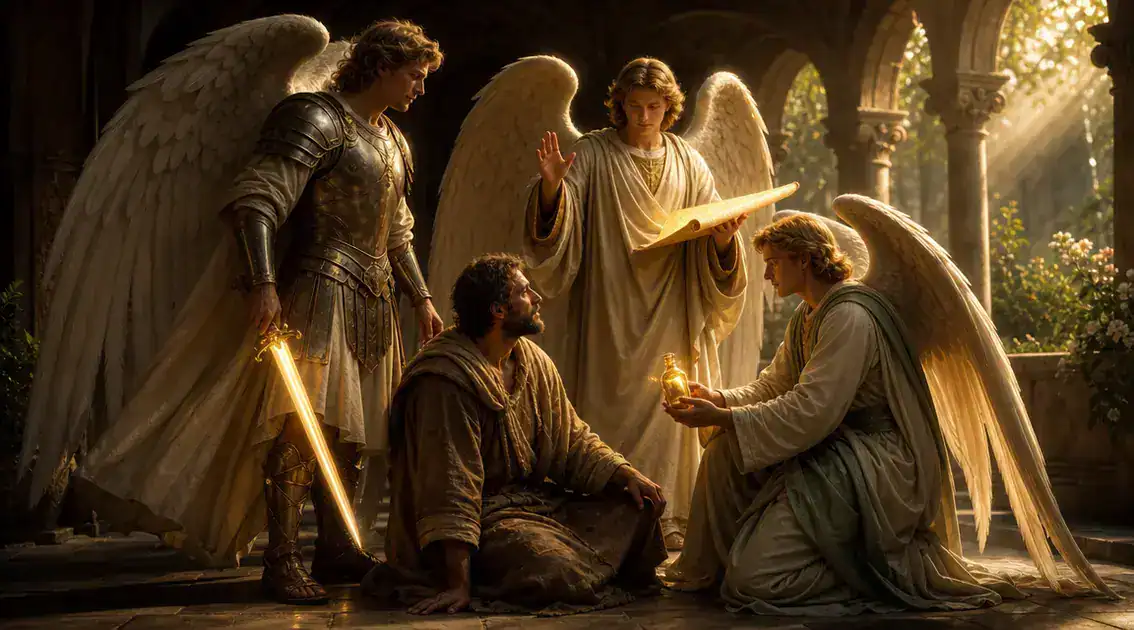
The Scriptures and the wider sacred tradition give us only a few named heavenly figures, and those names carry weight. You meet Michael in Daniel as a protector of God’s people and later in Revelation and Jude as a leader in spiritual struggle. Gabriel appears as a clear messenger, bringing news that changes lives in Daniel and Luke. In the deuterocanonical book of Tobit, Raphael acts as a healer and guide, and other names like Uriel appear in older Jewish writings and church tradition.
Each name points to a distinct role that helps us read the sacred story. Michael’s presence speaks of protection and spiritual order, a reminder that God’s care can have a strong, defending posture when needed. Gabriel’s visits show how God chooses to speak clearly into history, announcing births and revelation. Raphael’s scenes teach tenderness: healing, travel, and the quiet work of restoring sight and wholeness. These roles are not about rank for pride, but about service within God’s plan.
Naming these angels shapes how the faithful pray and attend to God’s movement in life. We may ask for protection like Michael provides, receive God’s message in the spirit of Gabriel, or seek healing remembering Raphael’s care, always with the understanding that these figures point us to God rather than replace him. Let their stories deepen your prayer: call on them as companions who direct your heart toward the Source of all mercy and strength.
Hierarchy and orders: what tradition has taught
Christian tradition paints a gentle picture of heaven organized in orders or choirs, not to flatter a system but to show how divine love moves with purpose. These groupings help believers imagine how the holy realm both worships God and reaches toward the world. The idea is simple: some beings circle the throne in constant praise, while others carry God’s will into the lives of people.
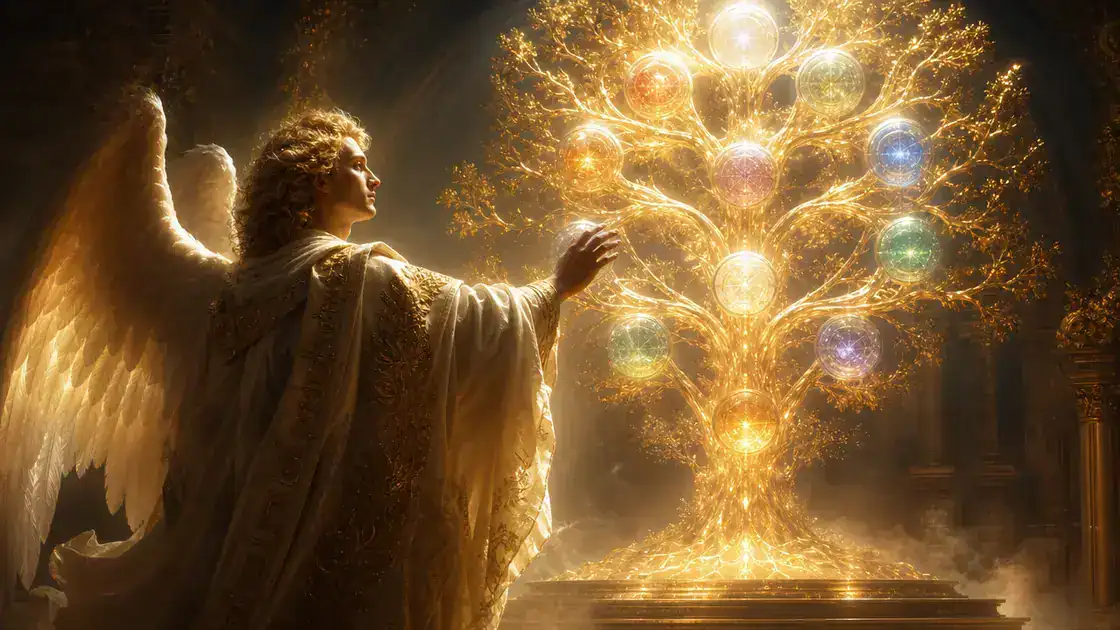
At the highest level are the choirs closest to God, often named as Seraphim, who burn with love, and Cherubim, whose wisdom and guarding presence attend the throne. Below them are ranks like Thrones, Dominions, and Virtues, pictured as ordering creation and supporting the divine plan, and then Powers, Principalities, Archangels, and Angels, who act more directly in history and human affairs. These names describe roles more than status; each choir serves the one purpose of drawing creation into deeper communion with God.
For faithful practice, this hierarchy invites reverence without pride. Seeing angels in ordered service should lead us to fuller worship and humble cooperation, not to speculation. Let the tradition shape your prayer: honor the mystery, learn from the many ways God cares for the world, and remember that every angelic role ultimately points us back to the Source of love who sends them.
Functions in Scripture: messengers, warriors, worshipers
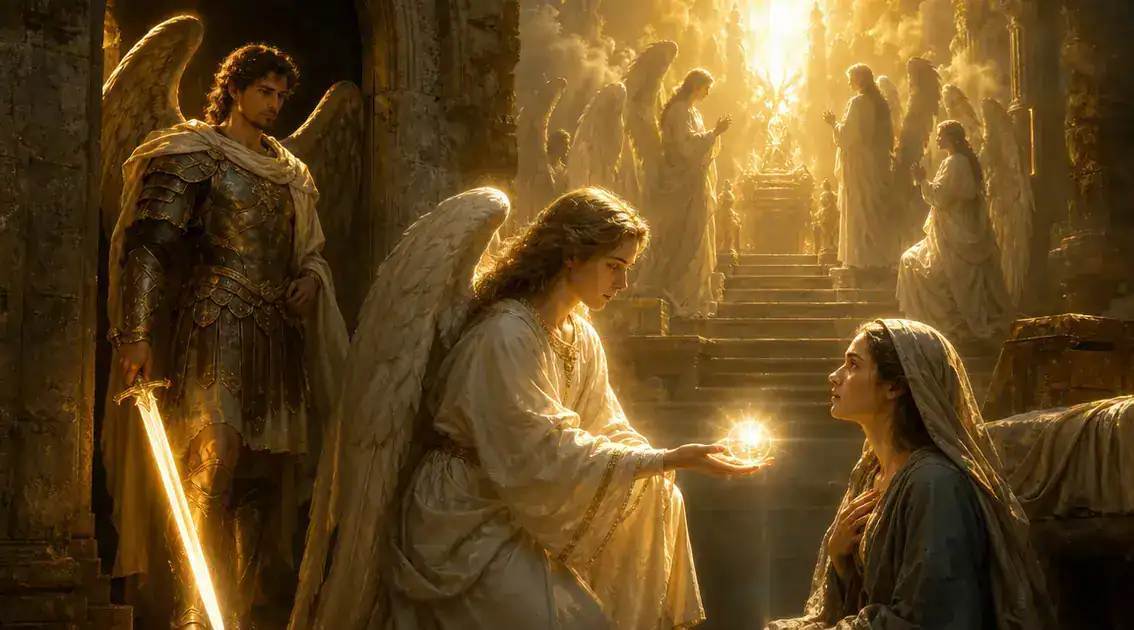
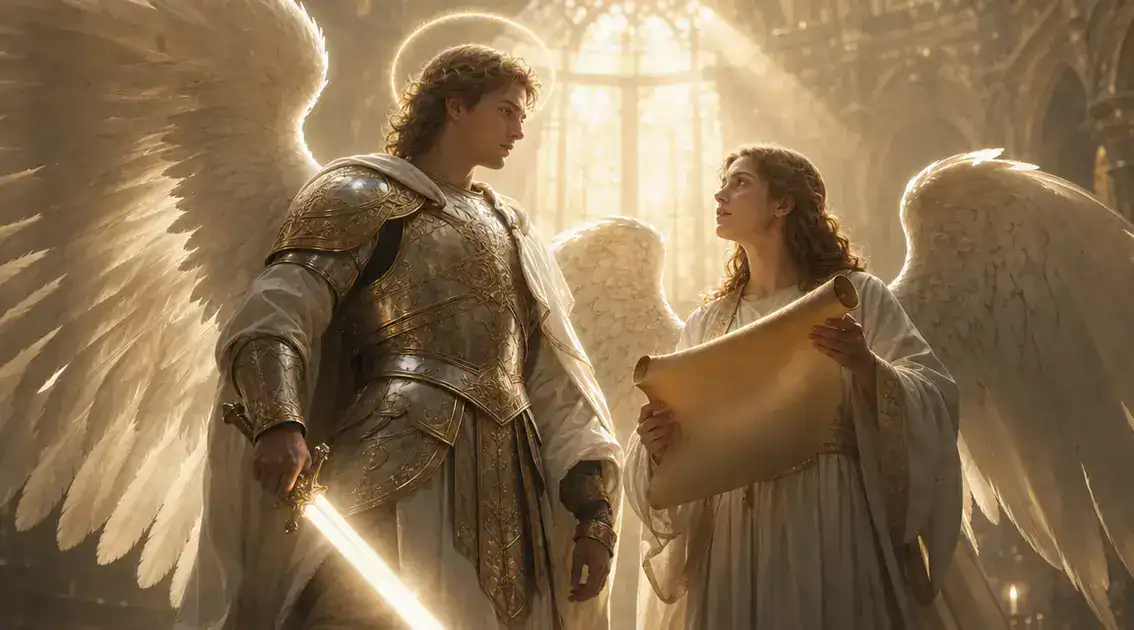
Scripture often shows angels as direct conveyors of God’s will, sent with clear words and signs. When Gabriel speaks to Daniel and later to Mary, the scene feels simple and decisive: a message from heaven that changes a life. These moments teach us that one of the most common angelic tasks is to deliver God’s voice into human history, opening ears and hearts to what God wills.
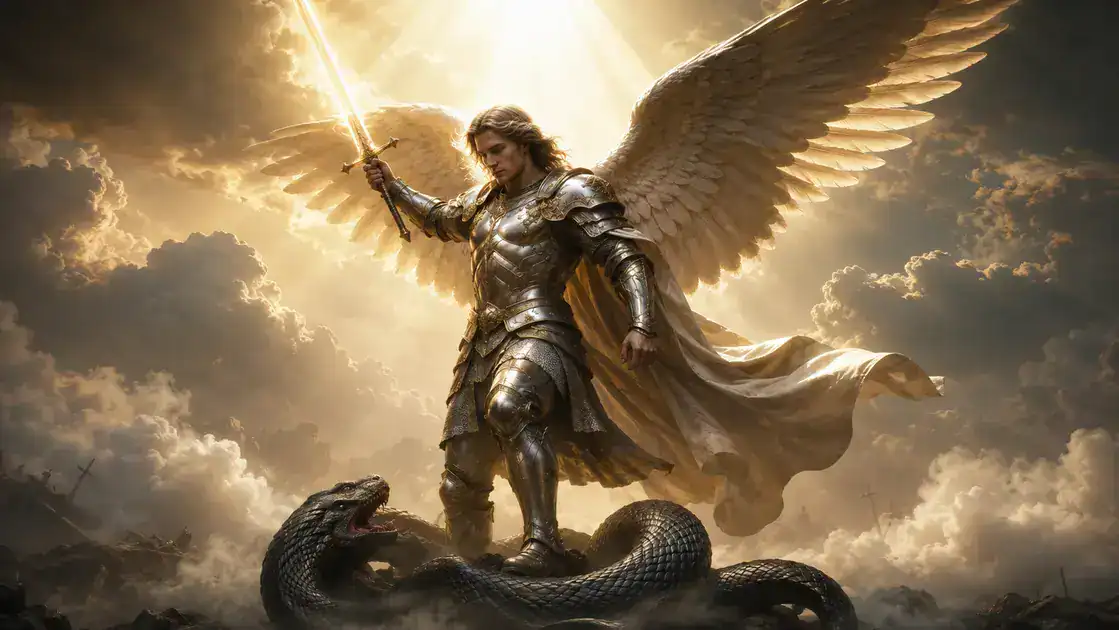
Alongside their role as messengers, angels appear as warriors in Scripture, standing against forces that harm God’s people. Michael is named as a protector in Daniel and appears later in the New Testament as one who contends for God’s people; other passages show angels defending, delivering, and guarding in ways that speak of spiritual strength and vigilance. This martial presence is not for glory but for service—protection and order offered so God’s purposes can proceed.
Yet the same beings who announce and fight are also worshipers who adore God around the throne. Isaiah hears the Seraphim cry “Holy, holy, holy,” and Revelation shows vast hosts offering praise, reminding us that worship is the root of every angelic function. Seeing angels as messengers, warriors, and worshipers helps us keep them in balance: they serve God in many ways, always directing us back to divine love and praise.
Devotional practice: honoring archangels without idolatry
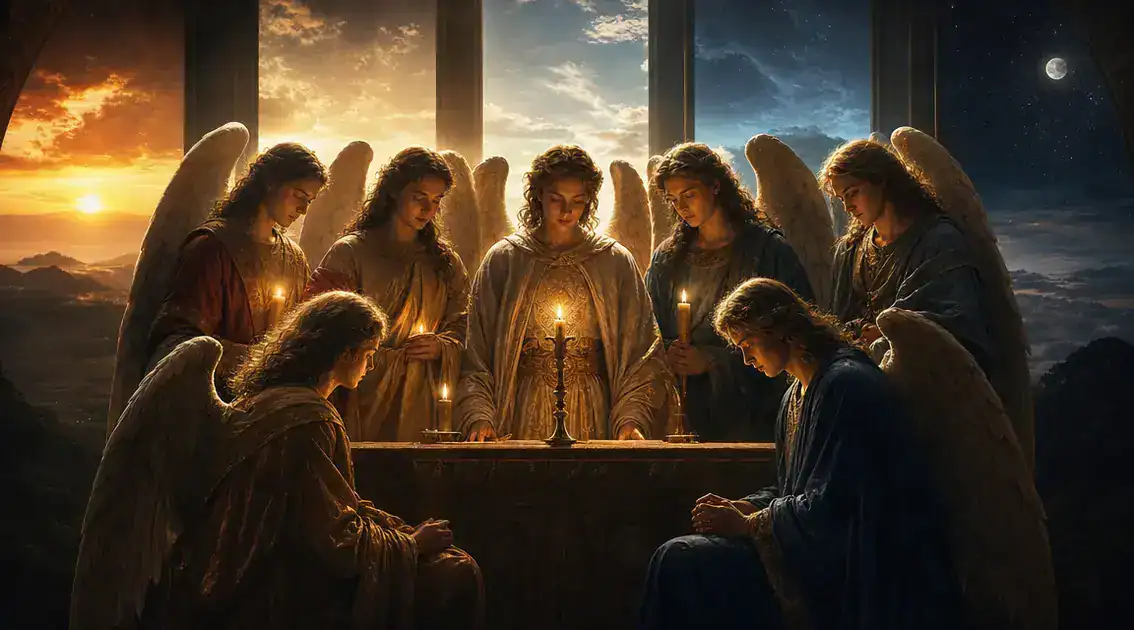
Many Christians honor archangels in simple, humble ways that lead the heart to God. You might name Michael, Gabriel, or Raphael in a short prayer, light a candle in church, or join a liturgical feast that remembers their service. These acts are meant to deepen trust and to remind us that God cares for our needs through many means.
Keep one rule central: worship belongs to God alone. When you ask an archangel for help, do so as a request for intercession, not as praise reserved for God. Use church-approved prayers or short, honest words. Avoid charms, secret rituals, or any practice that treats an angel as a substitute for prayer to God. Let reverence lead to humility, not to dependence on signs or objects.
Practical habits help keep devotion healthy: read Scripture, pray the psalms, receive the sacraments, and seek guidance from a trusted pastor or spiritual friend. These practices root your encounters in community and truth. When you sense consolation or guidance, test it by prayer and the counsel of the faithful, remembering that archangels point us back to the One who sends them and to a life of love and service.
Interpreting visions: theological debates across traditions
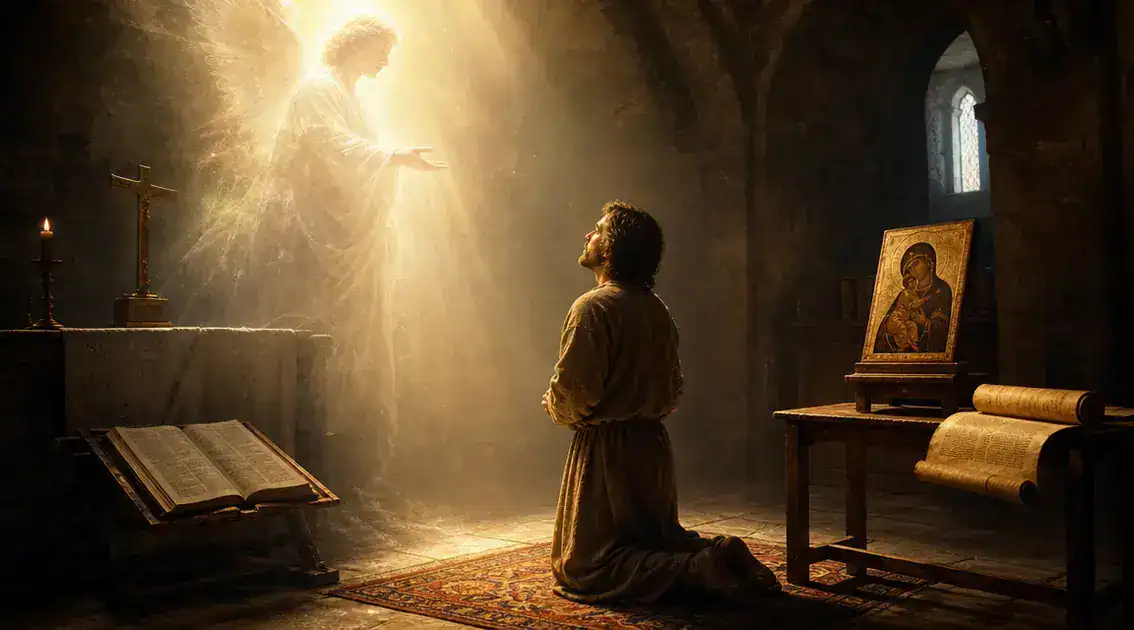
Visions have always stirred careful conversation among the faithful, because they touch both wonder and risk. In Scripture, visions often come as a call or a correction, and later interpreters have learned to weigh them by how well they lead people to God. This means the first question is one of discernment: does a vision draw the heart to prayer, humility, and love, or does it foster fear, pride, or division?
Different traditions approach that question in different ways. Many Catholics look for harmony with Scripture and Tradition, guidance from the community, and the witness of saints and spiritual directors before accepting a private revelation. Orthodox Christians place strong value on the liturgy, the fathers, and the shape of prayer to test any spiritual experience. Many Protestant communities emphasize the primacy of Scripture and the need for any vision to show the clear fruit of the Spirit: love, joy, peace, patience, and humility.
For personal practice, a few simple rules help keep one grounded: bring the experience to Scripture, seek trusted counsel, and watch for lasting change in character and service. Avoid chasing signs or letting a vision become a private idol; instead let it point you back to worship and care for others. In the end, visions are measured not by spectacle but by whether they deepen faith and lead to faithful love of God and neighbor.
A prayer to carry into the day
Across Scripture and tradition we learn that God’s care reaches us in many ways, sometimes through named leaders in heaven and sometimes through quiet, unnamed companions. We are held in God’s love, never alone even when life feels small or hard.
The distinction between archangels and regular angels helps us see the variety of ways God moves: some lead, some speak, some protect, and all point us back to worship. Let their service teach you to turn your praise and trust toward the Source of every good gift.
Practice simple habits that keep you grounded: a short prayer, the psalms, acts of kindness, and quiet attention to God’s presence. These small choices invite a steady peace and help you recognize help when it comes.
May you walk with wonder, guided by faithful companions and rooted in prayer. Lord, give us eyes to see your care, ears to hear your call, and hearts ready to serve. Amen.
FAQ – Common questions about archangels and angels
Do archangels and regular angels both appear in the Bible?
Yes. Scripture names a few heavenly figures—Michael appears in Daniel and Revelation, Gabriel in Daniel and Luke, and passages like Genesis, Luke 2, and Acts show many unnamed angels acting in God’s work. The book of Tobit (in the Catholic and Orthodox canon) names Raphael, and Psalm 91 and Matthew 18:10 speak to angelic care for people.
What is the main difference between an archangel and a regular angel?
The difference is chiefly functional in Scripture and tradition: archangels are named and portrayed with particular missions or leadership roles, while regular angels are often unnamed messengers, guardians, or worshipers. Christian tradition frames these distinctions as roles within God’s ordered care rather than as rivals to God’s unique authority.
Can I pray to archangels or ask for their help?
Many believers warmly invite an angel’s intercession—asking an archangel to pray or protect is treated as a request for help, not worship. Scripture models reliance on God; tradition advises praying to God first and, where accepted, asking angels to intercede while always reserving worship for God alone.
How should I discern an angelic vision or message?
Discernment rests on simple, tested steps: check whether the message aligns with Scripture, look for the fruit of the Spirit (love, peace, humility), and seek guidance from trusted spiritual leaders or community. Churches across traditions recommend humility, patience, and grounding in communal prayer before accepting any private revelation.
Are archangels the same across Christian, Jewish, and Islamic traditions?
There is notable overlap: Michael and Gabriel appear in Jewish, Christian, and Islamic texts with similar roles as protector and messenger, while Raphael and other names appear more variably. Each tradition preserves its own teachings and emphases, so respect for differences helps deepen mutual understanding.
Do angels have free will, and can they fall?
Traditional teaching affirms that angels possess will and that some freely chose rebellion, as many interpret passages like Revelation 12 and Jude 1:6 to indicate. That reality is a sober reminder that angelic beings, like humans, are called to faithful obedience to God’s loving rule.