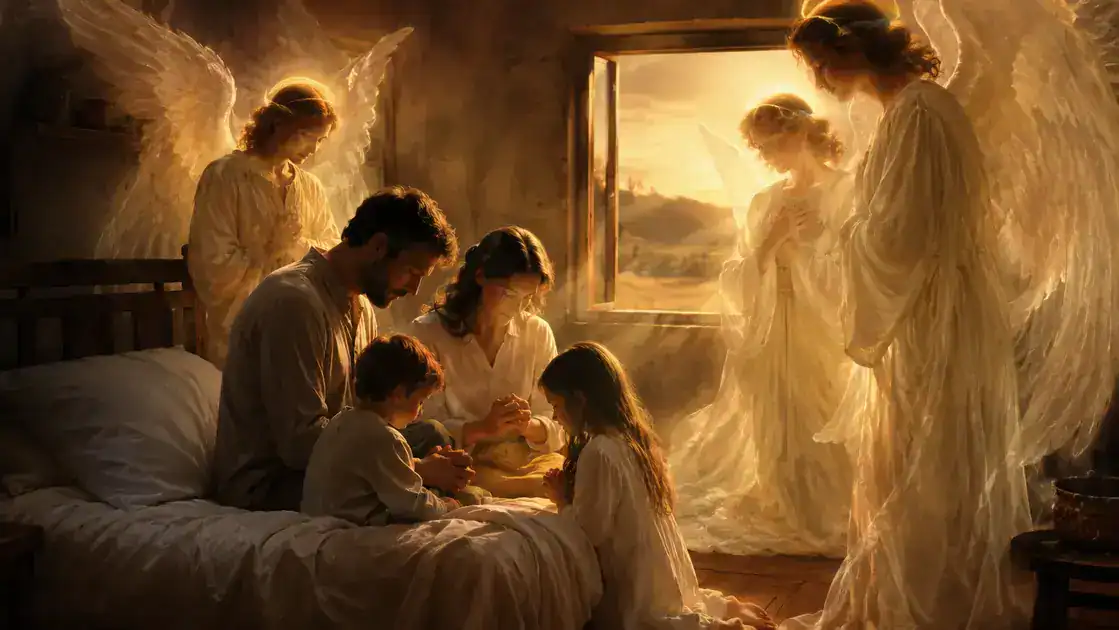

Prayer to the powers for protection is a devout appeal to God to deploy his heavenly servants—angels, archangels, and ordained spiritual orders—to guard family and home, grounded in Scripture such as Psalm 91 and Hebrews 1:14, practiced through humble prayers, household blessings, and faithful dependence on God’s providential care.
Have you ever felt a sudden hush in a room, as if scripture itself leaned in? prayer to powers for protection; opens that hush into a gentle invitation — a way families and houses receive blessing, watchfulness, and quiet courage.
Biblical foundations for invoking powers
Scripture speaks plainly about heaven’s ministering presence around God’s people. From the sheltering language of the psalms—especially Psalm 91 and the watchful lines of Psalm 121—to the visions in Daniel and the angelic visit recorded in Luke, the Bible shows that God often sends higher powers to guard and guide his flock. These texts give us a devotional picture: protection is worked through servants of God, not by human cunning or secret rites.
The New Testament puts this in clear theological terms: angels are described as ministering spirits sent to serve those who will inherit salvation (Hebrews 1:14). That truth keeps our prayer centered on the Lord who commands and orders his messengers. At the same time, passages like Paul’s call to put on the full armor of God (Ephesians 6:10–18) remind us that spiritual protection is lived out in humble reliance, prayer, and righteous practice rather than in attempts to control unseen beings.
Rooted in these scriptures, practical devotion looks simple and steady: praying the psalms, blessing doorways, gathering as a family to ask God for his care, and fostering a home where trust in God’s providence is taught and practiced. Such acts honor the biblical pattern—invoking God’s protection while recognizing that the powers themselves act under his will. For those seeking guidance, a pastor or spiritual mentor can help discern a reverent path that points always back to God as the true keeper of home and family.
The role of archangels and guardian spirits
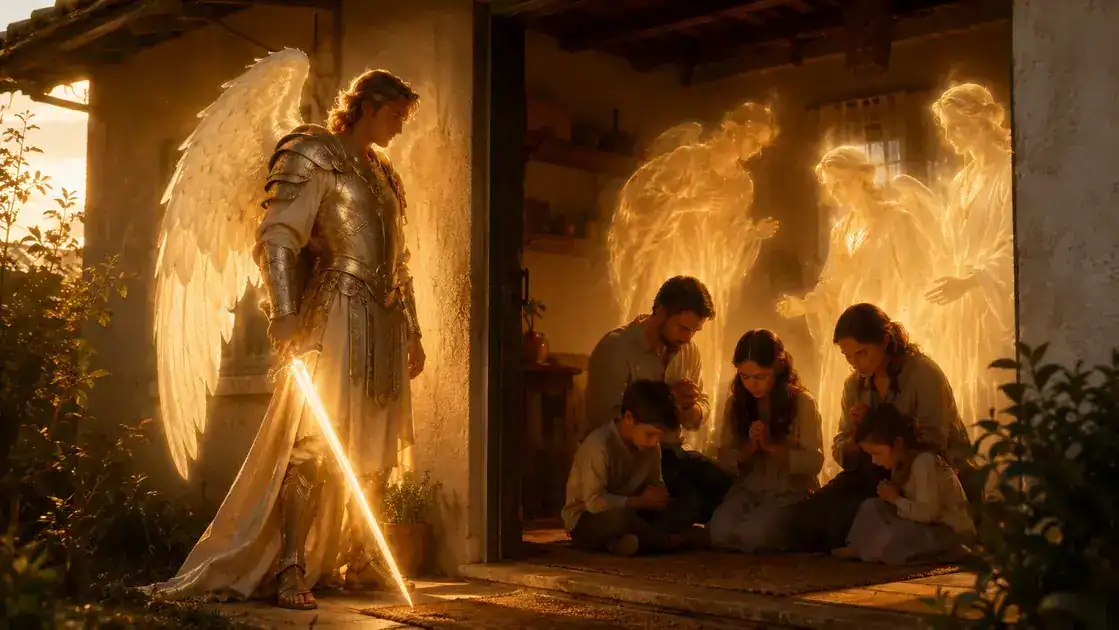
Archangels and guardian spirits appear in Scripture and tradition as agents of God’s care for his people. They are not independent powers but servants sent by the Lord to guard, guide, and comfort those who trust him. When the Bible calls them ministering spirits, it points us back to God as the source of their mission, reminding us that their work is always ordered by his love and wisdom.
Think of Archangel Michael as a biblical image of protection, Gabriel as a messenger who brings God’s word, and Raphael as one who accompanies the wounded and ill. These names help believers focus their prayers, but the heart of devotion remains simple: we ask the Lord to surround our family and home with his care. Prayer to these powers is therefore a prayer to the God who commands them, practiced with humility and gratitude rather than control or spectacle.
In daily life, this awareness changes small habits: a short blessing at the door, a family prayer before sleep, or a quiet moment asking for gentle watchfulness. Such acts form a rhythm that makes a household feel like a sacred place where God’s presence is invited and trusted. For questions about naming or invoking these figures, it is wise to seek guidance from a pastor or spiritual mentor who can help keep devotion reverent and rooted in Scripture.
Traditional prayers and blessing rituals for the home
Homes have long received protection through simple, reverent rites that point to God’s care. Families often begin with Scripture and blessing: reading a short psalm such as Psalm 91 or speaking the Priestly Blessing (Numbers 6:24–26) aloud over doorways and rooms. These words are not magic words but promises spoken in faith, meant to remind the household that God’s watchful presence surrounds them.
Physical signs meet spoken prayer in many traditions: a gentle sprinkling of blessed water, a trace of oil on a doorpost, or a candle lit at the evening table. Each action helps the family pause and name their trust, turning ordinary moments into acts of devotion. When relatives gather to ask for protection, the practice knits faith into daily life and teaches children that blessing is both simple and sacred.
Keep such rituals short and steady so they become natural parts of home life: a brief prayer at the threshold, a nightly psalm, or a meal blessing that invites gratitude and care. If a household seeks a formal blessing, a pastor or elder can offer a prayer and guidance that fits your tradition. Above all, these practices aim to draw hearts toward God, trusting him as the true guardian of family and home.
How saints and tradition speak of spiritual protection
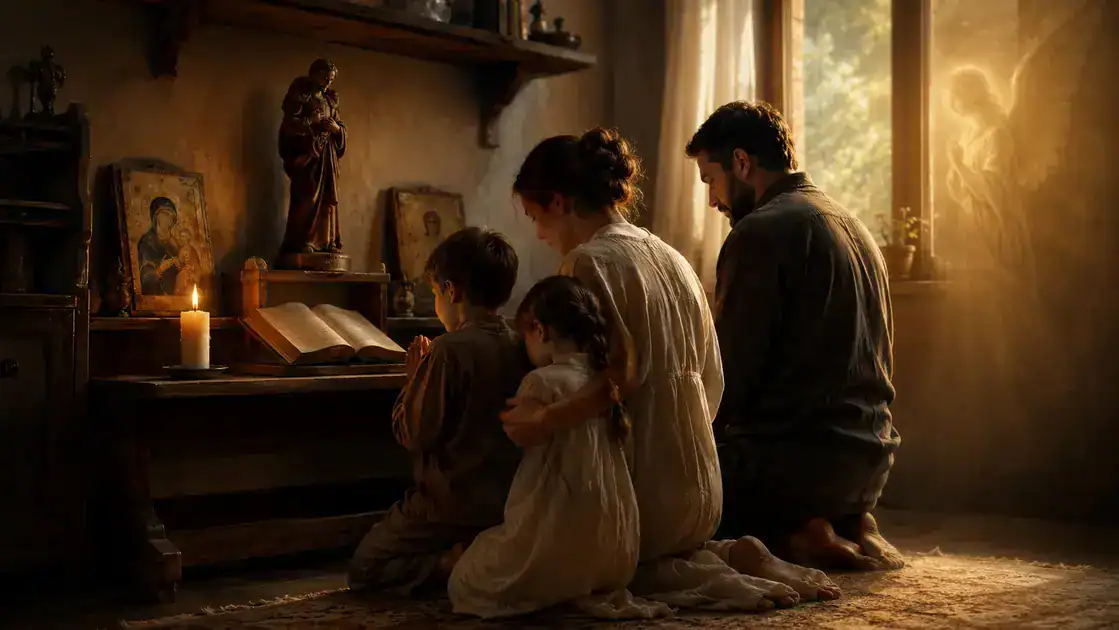
Saints across Christian history speak of God’s care through quiet stories of danger turned to peace and sudden relief. Many households remember names like Saint Michael or Saint Benedict not to replace God but to hold stories of faith that point back to him. These lives become witnesses—examples that teach prayer, trust, and the steady hope that God watches over his own.
Over time, tradition gathered gentle practices: simple medals, small icons, short prayers, and household blessings passed from parent to child. These objects and acts are meant as reminders, not magical tools; they help focus the heart and train memory to return to prayer. Used with humility, they shape a rhythm of faith that keeps a home mindful of God’s promises.
In daily life this looks like brief habits—reading a psalm at the door, asking a saint to pray with you, or inviting a pastor to bless the house. Such rhythms teach children that protection is a gift we ask for and receive, not something we command. Even while we honor the saints, the tradition always turns our trust back to the one true keeper: God alone.
Practical practices to make a home a sacred space
Make sacred space with small, steady habits that the whole family can keep. A short family prayer before meals or at bedtime, a quick reading of a psalm like Psalm 127, and a moment of shared thanks turn ordinary rooms into places of trust. These tiny acts repeat until the house itself grows quiet with the rhythm of prayer.
Use simple signs to help memory: a candle on the table, a small cross by the door, a blurred open Bible on a shelf, or a tasteful icon in a corner. Sprinkling a little blessed water at thresholds or tracing a gentle sign of blessing on a doorpost can be an outward way to name inward trust. These outward signs are not magic; they are reminders that shape attention and invite God’s presence into daily life.
Teach children the ways of blessing by making practices gentle and regular rather than long or ceremonial. Invite a pastor or elder occasionally to pray with you, and keep rituals short so they feel natural, not forced. In all of this, hold to humility: we seek God’s care, not control of the unseen, and we trust that steady devotion makes a home more open to grace.
Reading signs: discernment and devotional vigilance

We learn to read signs with care and a quiet heart, not with quick fear or guesswork. The Bible warns us to test what appears spiritual, and that helps keep us steady. 1 John 4:1 asks believers to “test the spirits,” which teaches a calm habit: check what you feel against Scripture, prayer, and common sense before you act.
Devotional vigilance grows from simple practices. Daily Scripture and short prayers sharpen the heart so small promptings can be seen for what they are. Talk with a trusted pastor or elder when something feels unclear, and let the wise voice of community weigh in. These things do not make signs vanish, but they help the household read them without panic and with humble patience.
Practical steps keep discernment gentle and steady: keep a short prayer journal, note when feelings match God’s word, and wait before making big changes. Seek confirmation in Scripture and from a mature believer, and prefer trust over quick control. Above all, hold to a calm trust that God is the true guide and protector of home and family, and let that trust shape how you interpret every sign.
May the Lord send near the gentle powers that guard and keep our home. We ask that every door be watched, every table blessed, and every quiet hour held in peace.
Let this be a small habit of trust: a brief prayer at the threshold, a psalm read aloud, a candle lit with thanks. These acts teach the heart to notice God’s care and to welcome help without fear.
When doubts come, turn to Scripture, a trusted friend, or a pastor. Let community and simple practices guide your steps, so discernment stays calm and loving.
May you live with a quiet wonder, knowing that God’s presence and his faithful powers watch over family and home. Go in peace to keep and share this blessing each day.
FAQ – Questions about prayer to the powers for protection and home
Do the “powers” in prayer mean angels or something else?
In Scripture the word often points to heavenly beings and spiritual ranks that serve God’s will. Passages like Hebrews 1:14 call angels “ministering spirits,” and Ephesians 6 names principalities and powers within the spiritual realm. Prayer to the powers, rightly understood, is a request that God order his servants to guard and help us, always returning our trust to the Lord who sends them.
How can I pray to the powers for my family’s protection without falling into superstition?
Keep your prayer centered on God and use Scripture as your guide—for example, pray psalms like Psalm 91 and the Priestly Blessing (Numbers 6:24–26). Ask humbly that God direct his angels rather than trying to command unseen forces, and pair words with faithful practices (prayer, Scripture, community). If unsure, seek a pastor or spiritual mentor to help keep devotion reverent and rooted in the Bible.
Which archangel is best to invoke for protection at home?
Tradition commonly names Archangel Michael as a protector (see Daniel and Revelation) because he appears as a defender of God’s people. Gabriel is known as God’s messenger (Luke 1) and Raphael as a companion in healing (Tobit in the Catholic and Orthodox canons). Use these names as focal points for prayer, but always direct worship and ultimate trust to God alone.
What simple, biblically grounded rituals can a household use to welcome protection?
Short, regular practices work best: reading a protective psalm, speaking the Priestly Blessing over doors, offering a brief family prayer before bed, or lightly sprinkling blessed water at thresholds. These outward signs serve as reminders of inward trust; they are devotional habits that teach children faith rather than secret formulas. When families desire a formal rite, an elder or pastor can bless the home in keeping with the tradition.
How do I discern whether a prompt or sign is from God, an angel, or my own imagination?
Scripture calls believers to test the spirits (1 John 4:1) and to weigh things against God’s word. Look for consistency with Scripture, the fruit it produces (peace, love, humility), and confirmation from a trusted spiritual leader or community. Keep a short prayer journal and allow time before major decisions so discernment grows slowly and calmly rather than by anxious impulse.
Do saints help protect a home, and how should we relate to them?
In many Christian traditions saints are honored as faithful witnesses who intercede for us and point hearts back to God. Families may ask a saint’s prayer—such as St. Michael or St. Benedict—while remembering that saints are not substitutes for God. Use their example to deepen prayer and trust, and always let devotion to saints lead you toward the one true protector, the Lord himself.