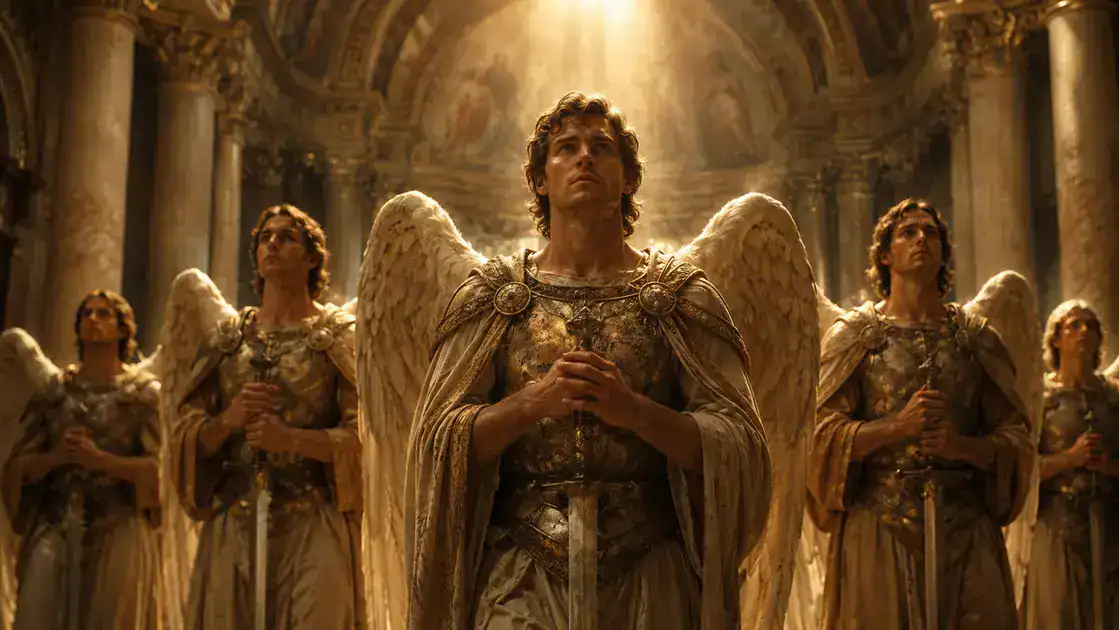

What are powers angels: angels are spiritual beings described in Scripture and tradition as God’s messengers and warriors, endowed to protect, guide, and confront evil under divine authority, acting with strength that serves mercy and always pointing believers back to God’s will through prayer, discernment, and faithful obedience.
what are powers angels? Have you ever felt the hush that follows a rescue, as if unseen hands ordered chaos into peace — and wondered who stands guard? This piece invites you to walk with Scripture and tradition to encounter the angelic forces that oppose evil and attend our lives.
Angelic powers in Scripture: key passages and meanings
Biblical images of angels give us a clear sense of their power and purpose. Scripture shows them acting as God’s messengers and warriors, moving between heaven and earth to carry word, protect the vulnerable, and confront spiritual harm. In Daniel we meet an angelic figure who aids and defends against unseen forces, while Revelation paints a dramatic scene where heavenly hosts oppose evil. The Gospels add gentle scenes too, where angels minister to Jesus and bring word of hope at the tomb.
These passages do different kinds of work. Some point to cosmic struggle, reminding us that not all reality is visible. Daniel and Revelation show that angels can act with force when God’s will meets resistance. Other texts, like Psalm 91 and Hebrews 1:14, frame angels as caretakers sent to watch over the faithful. When read together, the texts balance might and mercy: angels are powerful, but their power serves God’s loving design for the world.
For those who seek spiritual meaning, these passages invite a posture of trust and sober awareness. We are asked to notice how the angelic role always points back to God’s authority, not to angelic fame. Simple practices—reading the key verses, pausing in prayer, asking for discernment—help the images move from idea to daily comfort. In this way the biblical portraits of angels shape courage, attention, and a quiet confidence that we do not walk alone.
Archangel Michael and spiritual combat: a biblical portrait

Scripture names Archangel Michael as a chief warrior who stands at the hinge of cosmic conflict. In Daniel he appears as a protector of God’s people; in Revelation he leads the heavenly host against the dragon. These brief but vivid moments show Michael acting with clarity and purpose, not as a lone hero, but as one sent to carry out the Father’s will.
As a biblical portrait, Michael teaches us about spiritual combat that is real but never detached from God’s rule. The images of sword, standing watch, and leading company point to authority exercised on behalf of others. This authority is not self-made; it is ordered by God’s authority and directed toward defending the vulnerable and upholding justice in ways we can barely see.
When readers pray with these texts, they often find steadying courage rather than spectacle. Remembering Michael invites a posture of vigilance and trust: pray for discernment, read the key passages, and hold fast to the promise that God’s order resists evil. Such practices quietly shape a faithful heart that leans on God while honoring the angelic service shown in Scripture.
Angels as guardians and messengers: roles that protect and guide
Biblical pages show angels both as guardians and as messengers. Psalm 91 speaks of angels who watch over those who trust God. In the Gospels, Gabriel brings news that changes lives. Hebrews calls angels ministering spirits sent to help those who will inherit salvation. These images keep coming back: angels are near when we need protection and they arrive with clear word from God.
Their roles are simple and humble: to guard and to guide under God’s authority. Guardians stand between harm and the vulnerable, while messengers bring direction and comfort. They do not take the place of God’s leadership, but they make God’s care visible. That balance—strength that serves mercy—shifts our view from fear to quiet trust.
Living with this truth means small practices more than grand visions. Pray for protection and for clear hearing when choices press in. Read the passages that speak of angels, and ask for simple signs of guidance while staying rooted in Scripture and prayer. When we act with compassion and watchfulness, we join their work of care and become part of the same story of protection and hope.

Different faith traditions read angelic authority through their scriptures and worship in ways that reveal both variety and unity. In the Hebrew Scriptures, angels often appear as messengers and executors of God’s will, acting when the divine word moves in history. These images shape a view of authority that is derivative: angels do not act on their own but carry and embody God’s purpose.
Within Catholic and Orthodox practice, this biblical view is framed by a long theological tradition that speaks of ordered ranks like seraphim and cherubim and of angels who join the liturgy of heaven. Devotional life here pays attention to saints’ testimonies and to rites that name guardian angels and archangels such as Michael and Gabriel. The emphasis is on a ministering presence that participates in the church’s prayer and in the protection of the faithful while always pointing back to God.
Many Protestant communities keep the focus tight to Scripture, seeing angels as servants whose authority is valid only insofar as it reflects Christ’s rule and God’s revelation. That caution helps guard against exaggeration, while still affirming that angels serve and protect. Across these perspectives, a shared spiritual lesson appears: angelic authority is purposeful and subordinate, meant to draw us closer to God, to encourage prayerful attention, and to foster a humble trust rather than fascination with the heavenly beings themselves.
Living with angelic presence: devotional practices and discernment
Living with an angelic presence begins in simple, everyday acts of devotion. Turn small moments into prayerful pauses—a brief morning blessing, a quiet breath before a task, or reading a short passage of Scripture. These tiny choices open a gentle space in which you can become aware of care that feels like a companion beside you.
True discernment grows from that steady habit of prayer and Scripture. When a thought or prompting feels unusual, test it with the Bible, with prayerful silence, and with trusted companions in faith. Remember that an authentic angelic movement will always point you back to God, invite humility, and encourage love for your neighbor rather than self-glory.
Practical practices help faith become felt and faithful: keep a short journal of prayers and small signs, make a simple prayer to your guardian angel each morning, and practice acts of kindness as a way to live out the care you receive. These routines form a rhythm where protection and guidance become part of ordinary life, reminding you that the angelic service is never an end in itself but a call to draw closer to God in trust and action.
Walking with angelic companions
Across Scripture and the life of the church, one gentle truth shines: we are never truly alone. Angels appear as messengers, guardians, and servants of God’s care. They remind us that God’s love reaches into ordinary days.
They do not remove all pain. They do not take away hard choices. But they bring comfort, steady courage, and small signs of God’s presence. Pray, read Scripture, and make room in your day for quiet listening. These practices help you notice the care that surrounds you.
May you walk with a soft sense of wonder. May you find courage for the road and patience for the slow work of growth. May the Lord’s angels accompany you, and may their service draw your heart nearer to God each day.
FAQ – Common questions about angelic power, presence, and practice
Do angels really exist according to the Bible?
Yes. Scripture speaks of angels often—Psalm 91:11 promises God’s angels to guard us; Hebrews 1:14 calls them ministering spirits; Daniel and Revelation show them acting in God’s purposes. The Bible presents them as real servants of the Lord, not mere symbols.
Does every person have a guardian angel?
Many Christian traditions affirm that each person is entrusted to a guardian angel. Jesus’ words in Matthew 18:10 are often read as support for this care. Some communities emphasize the idea cautiously, always noting that angels act under God’s authority and not as substitutes for our relationship with Christ.
What powers do angels have in Scripture?
Biblical angels serve as messengers, protectors, guides, and, when God wills, warriors against spiritual harm. Passages in Daniel and Revelation show their role in cosmic conflict, while Luke and Hebrews highlight their work as heralds and caretakers. Their ‘power’ always functions to carry out God’s will and to serve others.
How should I pray about angelic help?
Pray to God first, asking for protection, wisdom, and guidance. It is fitting to seek God’s care and to thank Him for the ministry of angels. Many devout traditions offer short prayers asking a guardian angel to watch over one’s day, always remembering that prayer is directed to God through Christ, with angels as faithful servants.
How can I discern true angelic promptings from imagination or deception?
Discernment rests on Scripture, prayer, and community. A genuine prompting will align with Scripture, lead to humility and love, and point you toward God rather than self-glory. Test unusual experiences in prayer, consult mature spiritual guides, and watch the fruit of the prompting in your life.
Are we ever to worship angels?
No. Scripture and tradition forbid worship of angels. When people bow before an angel in Revelation, the angel refuses and points them to worship God alone (see Revelation 19:10; 22:8–9). Angels are servants who direct us to the Creator, not objects of devotion.