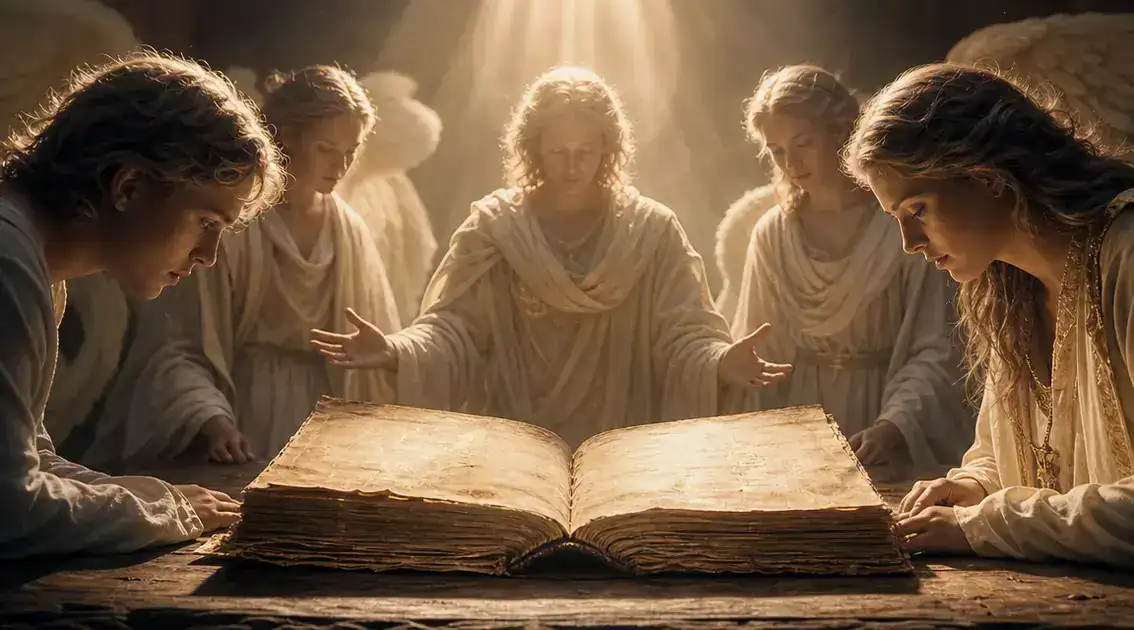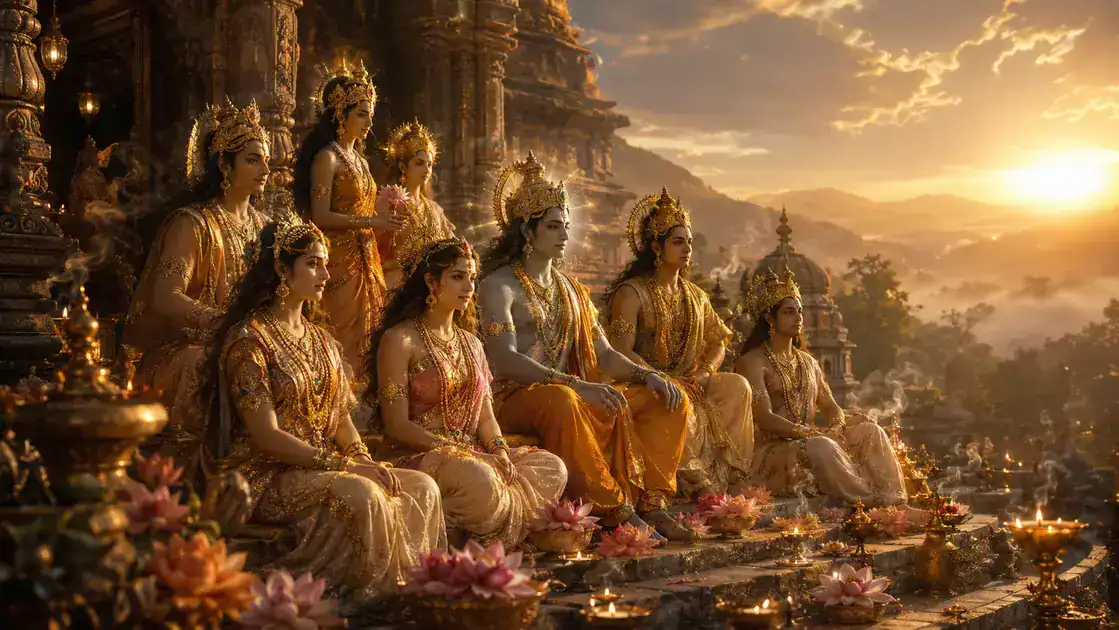

Angels in Hinduism, called devas, are divine beings in scripture who act as cosmic stewards and ritual mediators, tied to natural forces and local cultic care, distinct from Christian angels in their embedded role within a plural sacred order yet similarly serving to bridge human life and the divine.
angels in hinduism devas — have you ever wondered whether devas serve roles similar to Christian angels? Walk with me through prayers, myths, and temple echoes to sense where likeness begins and mystery remains.
Origins of devas in Vedic scripture
In the oldest hymns of the Veda, devas are first encountered as the “shining ones” who govern sky, storm, fire, and order. The Rigveda calls out to Indra, Agni, Varuṇa and others with simple, vivid images—lightning, flame, and vast waters—so that worship feels like a human response to natural presence. These early verses do not sketch abstract theology so much as name the powers that shape life and keep the world turning.
Within that ritual world, devas appear through sacrifice and song. Priests offer ghee into the fire, and Agni carries the offering upward; in that moment the community sees the cosmic life at work. The rituals help people meet the sacred, and the devas are understood as cosmic stewards who sustain the order of things rather than purely moral messengers sent to guide individual souls.
Over time, the Vedic picture broadened. Later texts and devotional practice gave devas fuller personalities, stories, and homes in mythic heavens, and devotees began to address them with personal praise and petitions. This growth shows how a ritual language of power became a living devotional language, letting ordinary people relate to these presences in prayer and temple life.
Major classes and hierarchy of devas
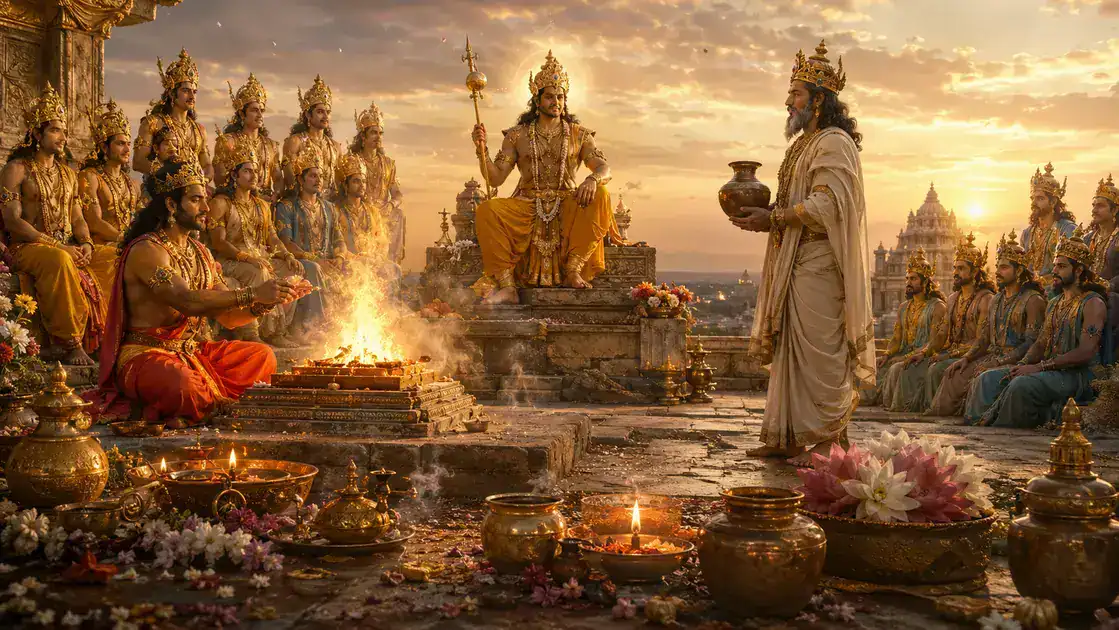
The Vedic world names devas in clear groups so people can relate to the powers that shape life. You meet the Adityas as solar and social lights, the Vasus as elemental forces like earth and wind, the Rudras as fierce storm and healing powers, and the Maruts as the spirited winds and storm companions. These group names help worshipers see how different aspects of nature and spirit work together, not as distant ideas but as living presences felt in ritual and song.
Above these classes sits a gentle sense of rank and role rather than strict divine caste. In many hymns, Indra appears as a leader among the devas, Agni as the messenger who carries offerings, and Varuṇa as keeper of cosmic law; yet each deva keeps a distinct responsibility that the community calls upon in prayer. Ritual life gives shape to this order: offerings and praises place the devas within a caring network that links earth to sky, household to cosmos.
For the devotee, this hierarchy is practical and intimate. You do not petition the deva class as an abstract whole; you speak to Agni for warmth and offering, to Varuṇa for right waters, and to a guardian deva for household well-being. That lived relationship shows how the Vedic system weaves cosmic roles into daily devotion, making the hierarchy a guide for prayer and a map for finding the sacred in ordinary life.
Roles and responsibilities: devas vs angels
In Hindu practice, devas often appear as cosmic stewards who hold parts of the natural and social order. They are tied to rivers, rains, fire, and the seasons, and their presence is felt in ritual acts such as offerings and hymns. People address devas to keep life flowing—asking for rain, safe travel, or the steady light of the sun—so their role is practical and woven into daily care for the world.
By contrast, Christian angels are most often described as messengers and servants of God who bring revelation and protection to people in need. They announce good news, guard the vulnerable, and act under the direction of a single divine will. In scripture and devotion, angels are also moral agents who serve God’s plan and point human hearts toward mercy, repentance, and holy purpose, which gives their work a clear theological aim.
Seen together, devas and angels share a common function as mediators between the human and the larger sacred order, yet they do so in different keyways. Devas are deeply embedded in ritual rhythms and the life of nature, while angels are framed more by revelation and moral service under one God. For a devoted person, learning these differences helps shape how one prays, offers, and listens—inviting a sense of awe while keeping questions open about how the divine moves in both song and word.
Devas in bhakti devotion and ritual practice
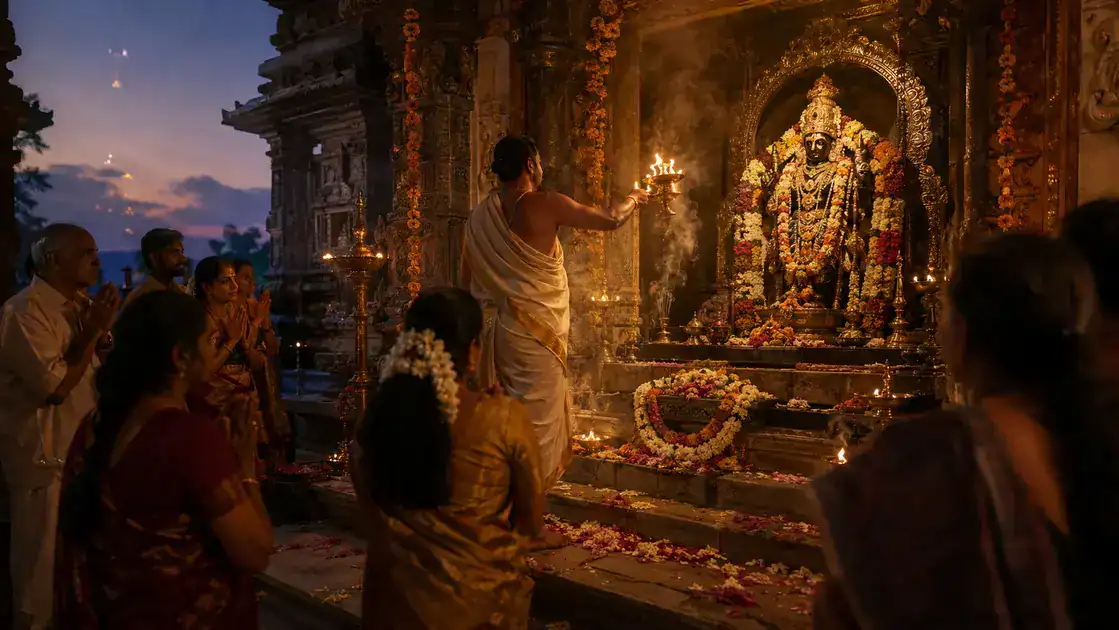
In bhakti practice, devas are met not as remote forces but as beloved presences whom people speak to with simple words and songs. Devotees place small murtis or images on home altars and sing hymns each morning, offering flowers and food with steady, loving hands. This repeated care creates a sense of nearness, and many find that the deva becomes a living point of contact for gratitude, hope, and comfort.
Puja and arati shape that lived relationship. A priest or a family member lights lamps, rings bells, and lifts incense while a small flame moves in slow circles before the image. Mantras may be chanted softly, and prasād is shared afterward, turning ritual into a shared, warm moment. These actions are not mere formality; they teach attention, patience, and the habit of turning the heart toward the sacred in ordinary time.
Bhakti also opens space for personal stories and saints who model devotion. Poets and temple singers tell of simple encounters—rain after a prayer, a healed child, a sudden peace—that keep faith alive. Over time, these moments weave into daily life so that ritual and memory support one another, making devotion a steady practice rather than a single event.
Moral agency and worship: when devas receive reverence
When devas receive reverence, the act often becomes a moral encounter as much as a ritual one. Sacred stories show devas choosing rightly or wrongly, and those choices carry consequences in mythic life. In this way, the tradition allows for devas to exhibit moral choice and to be accountable within the divine order, even if their accountability differs from human moral life.
Rituals shape that moral relationship. Offerings, mantras, and vows teach attention and restraint, and they ask the deva to uphold what is right for the community—rain for crops, protection for travelers, fair rule for kings. The practice of giving with a sincere heart links worship to ethics: when devotees act with care, the exchange encourages benevolence rather than merely seeking power.
For a devotee, seeing devas receive reverence becomes a mirror for one’s own conduct. Reverence can cultivate humility, gratitude, and a sense of shared duty toward the world. At the same time, many traditions gently remind worshipers that highest devotion belongs to the supreme reality, so honoring devas remains a way to grow in virtue rather than a final answer to ultimate worship.
Comparative theology: similarities and differences with Christian angels
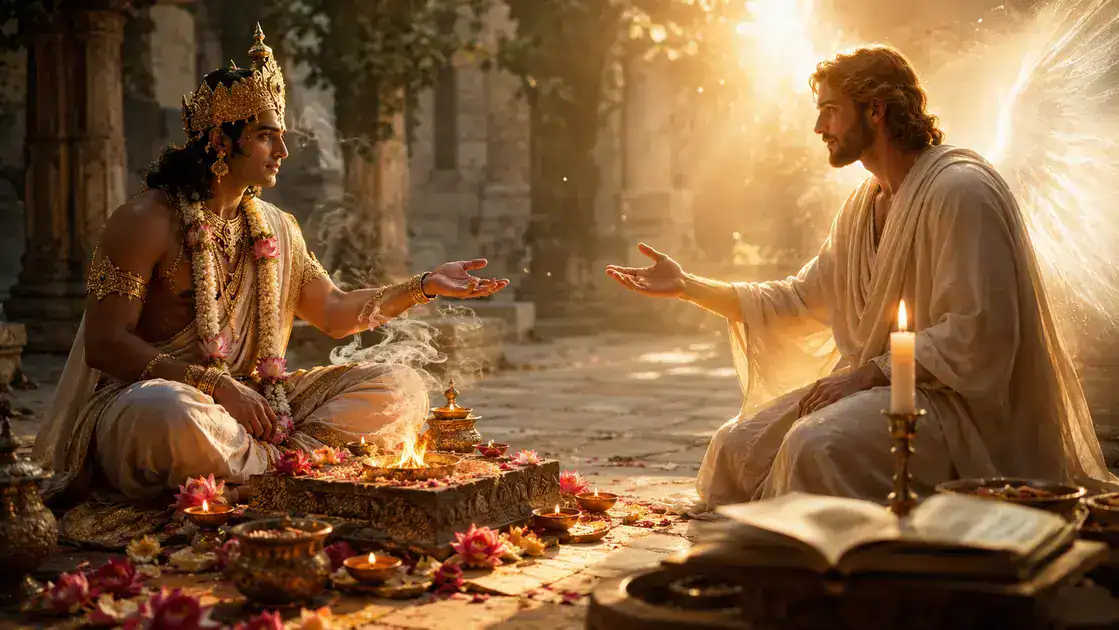
Both devas and Christian angels serve as gentle mediators between the divine and everyday life. They appear in stories and worship as helpers who guard, guide, and hold parts of the world so people can live well. For many believers, these figures are experienced in prayer, ritual, or sudden moments of care, and that shared role invites trust and a sense of awe.
At the same time, important differences shape how each tradition understands them. Devas often link to rivers, fire, wind, and local places, and they are called through offerings and song within a plural sacred order. Christian angels are described as servants and messengers of one God who announce truth, protect, and act with divine authority; angels emphasize faithful obedience to the single divine will, while devas are woven into a wider pattern of cosmic duties and ritual exchange.
Those contrasts matter for devotion. Approaching a deva typically involves ritual care, offerings, and direct address, which trains attention to the cycles of nature and community needs. Approaching angels usually flows through prayer to God, trusting angels to act as messengers or guardians within that relationship. Both paths, when followed with humility and discernment, can deepen gratitude, ethical living, and a quiet sense that human life is held by something larger than ourselves.
Modern devotion and popular images of devas in culture
In many cities today, devas continue to live in neighborhood temples, home shrines, and the quiet moments between work and sleep. Devotees bring flowers, light lamps, and hum familiar chants; some follow live pujas online, while others keep small images on mantels to remind them of care and blessing. This ongoing practice shows how devotion to devas remains a daily, gentle presence in modern life.
At the same time, popular images shape how people see devas across cultures. Calendar art, film, folk paintings, and temple festivals give devas recognizable faces and stories that travel easily. These images can invite new people to wonder and worship, even as they sometimes simplify complex traditions into tidy symbols that ask for careful attention from thoughtful devotees.
Across that variety, devotion adapts without losing its heart. Communities balance tradition and change by teaching rituals, sharing stories, and asking that reverence guide creative expression. When images and practices are offered with humility and care, they help keep the sacred alive in a world that moves fast, inviting each person to discover meaning in ordinary days.
May the gentle care of devas and the guiding presence of angels remind you that the world is watched with love and order.
In small acts—lighting a lamp, offering a flower, or speaking a quiet prayer—you keep that sacred conversation alive and learn to see the holy in daily life. These habits teach attention and open the heart to service and gratitude.
Let this practice shape how you move through work, family, and rest. When you bend to help another, or pause in wonder at a sky or a river, you carry forward a lineage of devotion that blesses both earth and spirit.
May you go in peace, held by the sacred and met by mystery. May simple reverence keep your steps steady and your days full of quiet awe.
FAQ – Devas, angels, and sacred practice
Are devas the same as Christian angels?
They share a similar role as mediators between the sacred and human life, but they are not identical. In Hindu tradition, devas are tied to natural powers, ritual roles, and local worship described in the Vedas and later Puranic stories. Christian angels, drawn from Scripture, are messengers and servants of the one God who act in obedience and revelation. Both invite reverence, yet each tradition frames these beings within different theological horizons.
Can devas influence my daily life?
Yes. Traditional hymns and bhakti practice show devas at work in rain, harvest, health, and household welfare. People offer puja, mantras, and prasād to seek blessing and balance. Such acts shape a lived relationship where devotees experience help, comfort, and timely care through ritual and devotion.
Should I worship devas instead of God or the supreme reality?
Hindu scriptures and bhakti teachers guide devotees to see devas as respected helpers, not ultimate objects of final devotion. For example, the Bhagavad Gita contrasts worship of many gods with devotion to the supreme: worship of devas yields temporal fruits, while devotion to the supreme brings lasting union. Worshiping devas can be a sincere step of devotion, but many traditions counsel keeping highest love for the ultimate divine.
How can I respectfully honor devas in simple daily practice?
Begin with small, steady acts: light a lamp, offer a flower or fruit, chant a short mantra, or share prasād. Do these with humility and clear intention, not seeking power but offering thanks. Learn basic ritual gestures from a teacher or a local temple, and let reverence shape your heart more than external form.
Are devas morally fallible or always benevolent?
Scripture and myth show devas with moral choice. Stories recount moments of pride or error among devas as well as acts of mercy. That tradition invites us to treat them as real agents who can act well or poorly. Rituals and ethical living remind devotees to seek wisdom and to place ultimate trust in the highest good rather than in any single being’s favor.
How do Christian angels relate to prayer and protection?
The Bible presents angels as God’s servants who guard, guide, and bring messages—seen in passages like Psalm 91:11 and Matthew 18:10. Christian practice encourages prayer to God while trusting angels to minister according to God’s will. Saints and church teaching affirm angelic care without permitting worship of angels themselves; prayer remains directed to God through humble trust.