

Divine messengers in African religions are ancestors, spirits, and orisha figures who act as intermediaries—receiving prayers in dreams, rituals, and libations—to convey guidance, protection, and calls to justice and reconciliation, a role that parallels biblical angels as God’s envoys while remaining rooted in communal memory, land, and devotional practice.
divine messengers african religions — have you ever felt a sudden clarity at dawn, as if a message rode the wind or a dream opened a door? Sit with that question for a moment; together we’ll listen to how Scripture, oral memory, and prayer reveal messengers who guide, correct, and console.
Ancestors, spirits, and heavenly intermediaries
In many African traditions, ancestors are not merely memories but steady companions who walk with the family and community. People speak to them, seek their counsel in dreams, and honor them at rites that keep the line of care unbroken. This living memory holds history, wisdom, and a sense of belonging that comforts and guides daily life.
These elders and spirits often serve as intermediaries, carrying prayers, warnings, and blessings between the human world and what lies beyond. In the Bible, angels perform a similar role as messengers and protectors sent by God, announcing hope or turning the course of a story. Seeing ancestors and angels side by side helps us recognize a shared spiritual logic: the sacred reaches into our lives to teach, correct, and console.
Communities practice reverence through song, offerings, quiet listening, and disciplined discernment so encounters remain rooted in care rather than fear. Such devotion trains the heart to notice guidance and to act with justice and compassion. When we attend to these patterns, we learn a humble rule of life: that sacred mediation calls us toward reconciliation, responsibility, and mutual care.
Angelic figures in oral traditions and Scripture
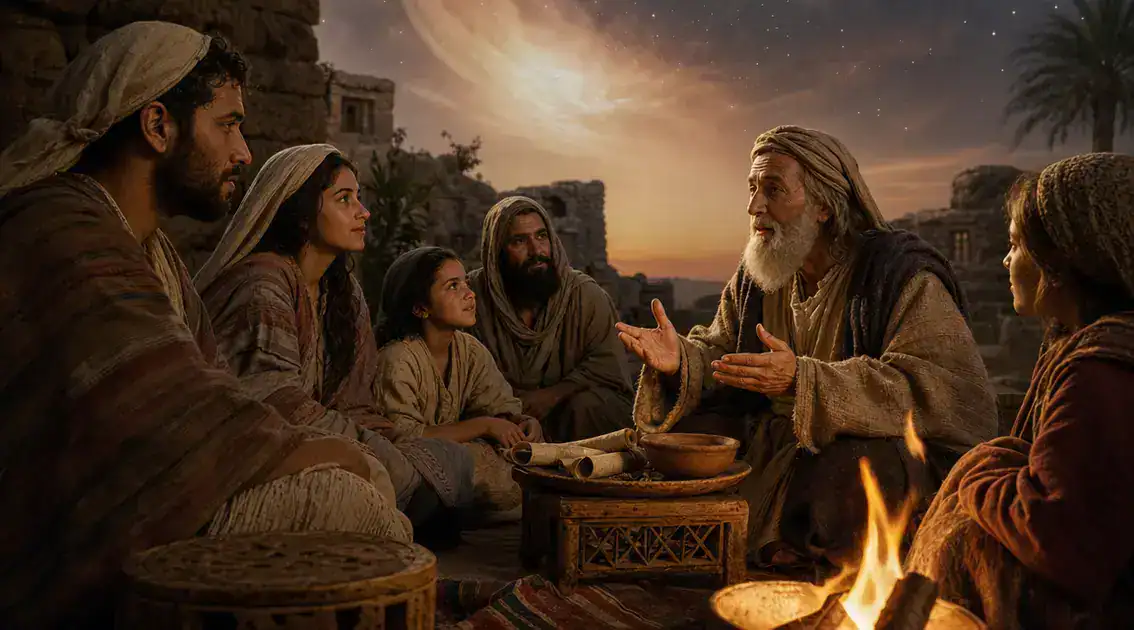
Across many African oral traditions, stories of luminous messengers appear in songs, proverbs, and dreams. Elders tell of beings who come with urgent news, gentle guidance, or a warning that turns a family away from danger. These figures are often named with local language and shaped by culture, yet their role as intermediaries feels familiar to listeners of Scripture.
In the Bible, angels appear in clear, short scenes: Gabriel announces to Mary, a host of angels praises at the birth of Christ, and a messenger leads people through peril in the Psalms. Here we see a steady pattern — beings who bring word and care. In both settings, the presence of a messenger asks people to listen closely and to respond with trust and responsibility.
Practices grow from these encounters: prayer, attentive dreaming, ritual hospitality, and careful discernment that tests spirit and meaning. Communities learn to recognize signs without rushing to claim every vision, and to honor the messenger by living justly and kindly. Such disciplines keep the sacred alive in daily life and invite each person into a deeper, listening way of being.
Rituals that invite messengers into community life
The drum calls the people and thin smoke rises from a small clay burner. Hands pour libation into the cool earth while elders sing a steady phrase. These simple acts make a room in time where messengers are welcomed and the heart learns to listen.
Like the sweet smoke of temple incense in Scripture, these offerings create an opening for the holy to break into daily life. Scripture shows angels attending worship and bearing God’s word, and ritual signs help a community notice that same care. Prayer, song, and disciplined attention train the spirit to recognize gentle guidance without rushing to claim it.
Rituals also teach what to do with a message: give thanks, repair harm, or stand for the vulnerable. They set limits so encounters remain humble, tested, and life-giving rather than capricious. Over time these practices form a people who move with mercy, ready to respond to what the messenger asks of them.
Comparative theology: archangels, orishas, and messengers
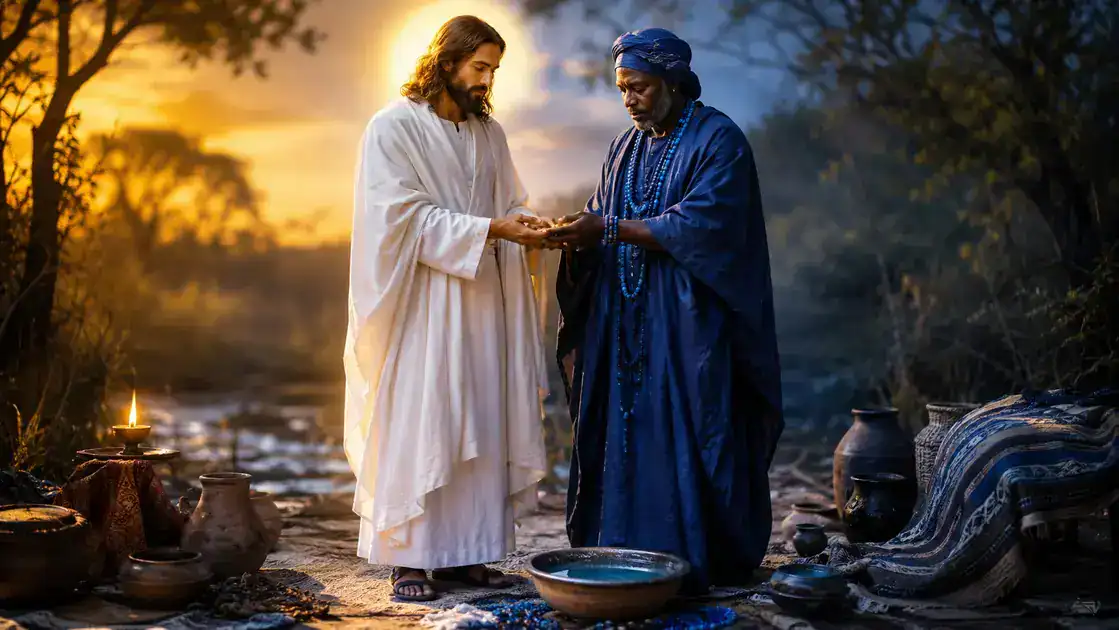
Archangels and orishas both stand as messengers and guides within their communities, though they come from different streams of faith. In Christian texts, figures like Gabriel or Michael appear as swift envoys of God, bringing news or protection in a few clear scenes. In Yoruba and related African traditions, orishas such as Ogun or Yemaya act as powerful presences tied to work, water, and life; they teach through story, ritual, and relationship.
These roles overlap in helpful ways. Both traditions give people a way to name the sacred and to ask for help in real life. Yet they differ in shape: angels are often portrayed as servants of a single Creator, while orishas can be understood as ancestral, elemental, or divine forces woven into lineage and land. Practices follow those shapes — prayer and scripture in one setting, song, offerings, and ritual craft in the other — each forming a living path to listen for guidance.
Holding these truths together invites a humble curiosity rather than a quick equation. Comparative reflection can deepen devotion by showing how different communities receive care from the sacred and how that care calls for justice, repair, and mercy in daily life. By attending to practice and fruit — how people change, heal, and serve — we learn to honor both the difference and the shared call to live faithfully under guidance.
Personal encounters and devotional practices
Many people speak of quiet, personal moments when a messenger’s touch feels real: a clear dream, a sudden phrase in the heart, or a guiding nudge at a crossroads. These encounters are often simple and gentle rather than dramatic, and they lead people back to prayer, song, or an act of care. In Scripture we read of similar visits—brief and decisive scenes where a messenger appears to redirect a life or bring a promise—reminding us that the sacred often meets us in ordinary time.
Devotional practices help keep those moments rooted and wise. Families light a small lamp, offer a handful of grain, or sing a remembered hymn to receive and honor what came. Discernment is practiced as a form of love: elders listen to dreams, neighbors test words by their fruit, and prayer asks, “Does this call us to mercy?” Such habits teach humility and make it harder to mistake passing feeling for steady guidance.
When a message is welcomed, it usually bears a simple task—repair a relationship, feed the hungry, forgive an old hurt. That is the measure of authenticity: how a life changes toward justice and kindness. Devotional life, then, becomes a slow schooling in response. Little gestures—telling the story, keeping a ritual, helping a neighbor—turn a private encounter into shared care that blesses a wider circle.
Ethical implications: guidance, justice, and reconciliation
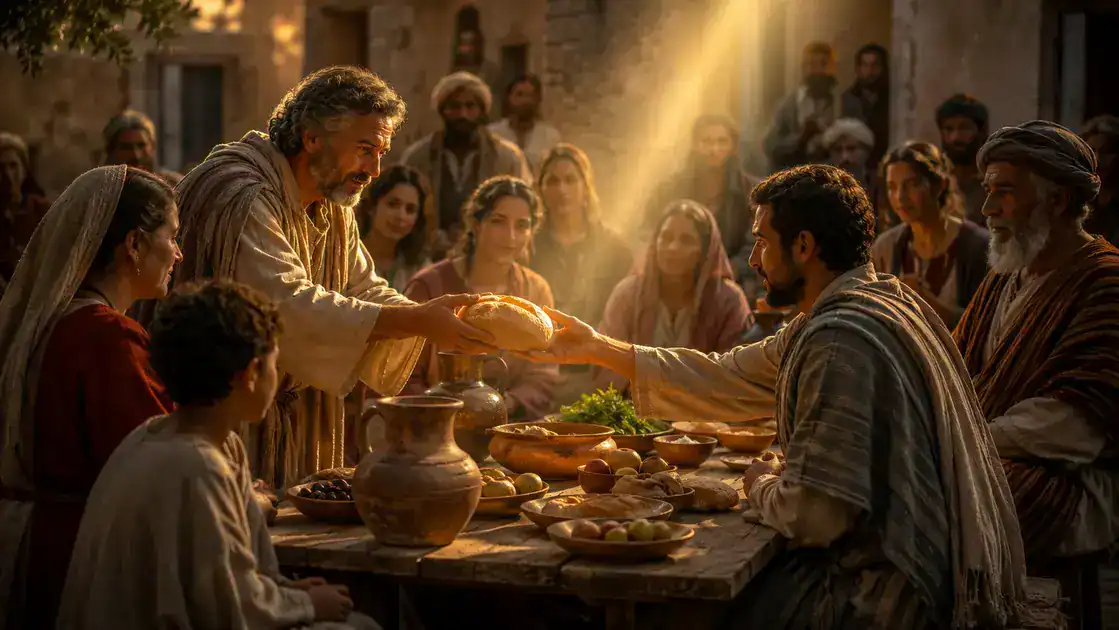
When messengers bring word, the words often point away from personal comfort and toward how we treat one another. A message that truly comes from the sacred will press a community to feed the hungry, defend the weak, and speak truth to power. This is not a distant idea but a daily practice: the call to act faithfully shows whether a greeting was real or merely a passing feeling.
Scripture models this plainly—angels announce deliverance, warn of danger, or urge mercy in moments that change history. In the same way, many African traditions teach that spirits and ancestors guide people toward right living and repair. Guidance from the holy asks for justice and reconciliation, so ritual and prayer are paired with acts that mend harm and restore dignity.
Practically, this means discernment includes testing a message by its fruits: does it lead to kindness, repair, and shared life? Communities practice accountability through elders, public rites, and simple works of mercy that turn private revelation into public good. Listening to messengers becomes a way of learning how to live together with honor, courage, and steady compassion.
A gentle prayer for the road
As you go from this place, may your heart stay open to the small, quiet ways the sacred meets you. Notice dreams, songs, and gentle nudges that call you to pay attention. Let these moments settle you rather than hurry you.
May the memory of ancestors, the care of messengers, and the witness of Scripture guide your steps. May guidance lead you to justice, healing, and simple acts of kindness, so that every message asks something good of your hands and your heart.
Keep a humble practice: a short prayer, a shared meal, a careful question before you act. Let discernment and community hold your choices, and let mercy be the test of what you follow.
Go in calm wonder, ready to serve and to listen. May peace be with you, and may your small deeds echo the sacred presence you have met here.
FAQ – Divine messengers, ancestors, and sacred guidance
How do ancestors and spirits in African religions compare with angels in the Bible?
Both function as intermediaries who connect the human and the sacred, but they arise in different contexts. In many African traditions ancestors are understood as living guardians tied to family, land, and memory; people consult them in dreams, through libation, and at rites. In Scripture, angels act as messengers and servants of God (see Luke 1:26–38; Hebrews 1:14). The parallel is pastoral: both seek the wellbeing of the community, call for right living, and invite response in worship and moral action.
Are orishas the same as angels?
Not exactly. Orishas in Yoruba-derived traditions are complex divine or semi-divine figures connected to elements, tasks, and family lines; they are approached through offerings, song, and ritual craft. Angels in biblical tradition are typically understood as servants of the one Creator who deliver God’s word or protection. Comparative theology honors both realities while respecting their distinct roles, languages, and practices rather than collapsing them into one category.
What rituals invite messengers into community life?
Common practices include libation, offerings of food or cloth, communal song, fasting, and formal prayers. In Scripture, incense and prayer are paired (Revelation 8:3–4), and in African contexts libation and honored speech open a sacred space for guidance. Elders, ritual leaders, and shared rites teach the community how to welcome a messenger and how to respond with justice and care.
How can I discern whether a message is truly from the sacred?
Test messages by their fruit and by communal wisdom. Scripture advises testing spirits (1 John 4:1) and judging by outcomes (Matthew 7:15–20). In living traditions, elders and ritual checks—asking whether the message leads to healing, reconciliation, and service—help keep discernment humble and accountable. Prayer, patient waiting, and asking for corroboration in community are practical safeguards.
Are personal encounters with messengers common in both traditions?
Yes. Scripture records brief, decisive visits—Gabriel to Mary, angels to the shepherds—moments that redirect lives (Luke 1; Luke 2). Likewise, many African communities speak of dreams, visions, and divinatory signs through which ancestors or spirits offer counsel. These encounters tend to be simple, prompting acts of mercy, repentance, or protection rather than constant spectacle.
How do messages from the sacred lead to justice and reconciliation?
True guidance moves a people toward mercy and repair. Biblical calls often demand social justice (Micah 6:8; Isaiah 1:17), and many African rites pair communication with duties to mend harm or support the vulnerable. A genuine message rarely asks merely for private comfort; it summons concrete action—feeding the hungry, restoring relationships, and defending the weak—so the sacred presence becomes visible in communal life.