

Principalities’ guardian angel of a country refers to the biblical and traditional belief that nations have heavenly representatives, angels or princely spirits, appointed by God to watch, influence, and intercede for a people, always subject to Christ’s lordship and discerned through Scripture, prayer, and communal wisdom.
principalities guardian angel of a country: have you ever wondered whether such a presence watches over your nation and shapes its prayers? This question opens a doorway into Scripture, tradition and lived devotion — and many find the search quietly transforming.
Biblical roots: angels and principalities in the Old and New Testament
Angels appear early in Scripture as God’s messengers and protectors, moving quietly through moments of birth, exile, and deliverance. The familiar figure called the angel of the Lord gives word and shelter in surprising places, and visions in books like Daniel speak of heavenly figures who seem linked to nations — images of princes over peoples that invite careful listening rather than wild speculation.
The New Testament keeps this language but places it in a larger frame of meaning. Paul speaks of “principalities and powers” to describe unseen forces at work in the world, and the Gospel shows how Jesus meets and masters those forces in acts of healing and compassion. These texts together point to a spiritual reality ordered by God, where authority both troubles and is itself held accountable to Christ’s rule.
Reading these passages devotionally leads us to prayer more than to curiosity. We do not make angels the center of our faith, nor do we hunt for secret signs; instead, we let the biblical images shape how we pray for nations, leaders, and neighbors. To see angels and principalities as part of God’s ordered care helps us approach public life with humility, vigilance, and a hopeful, prayerful responsibility.
Patristic and medieval views: how church fathers described national guardians
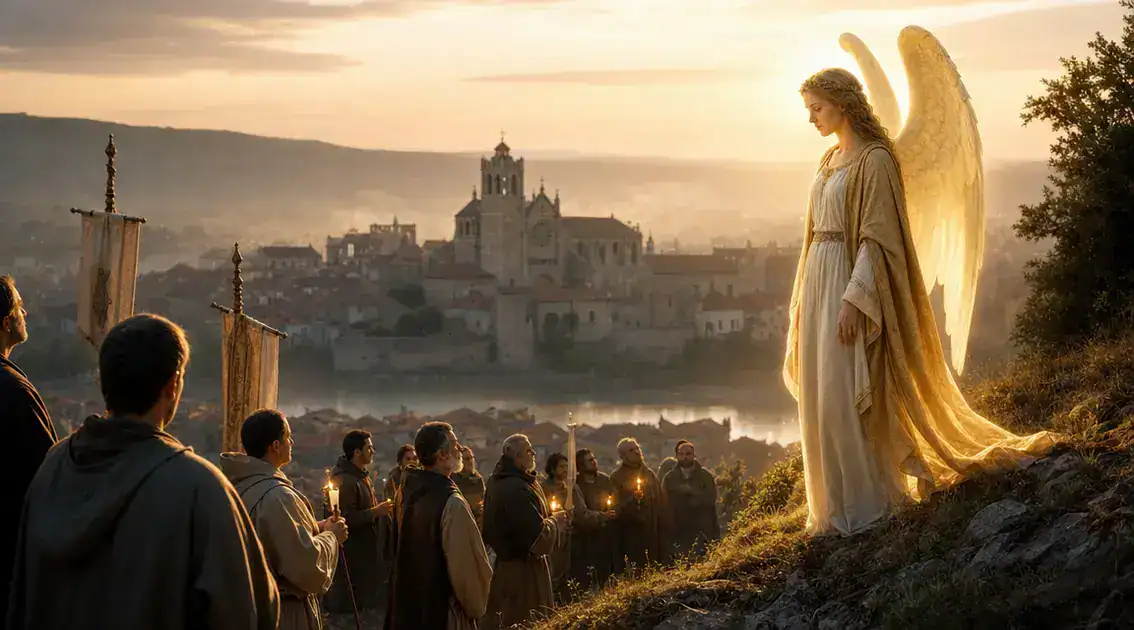
Early church writers often spoke of angels as active in the life of peoples, not merely as distant spirits. Figures like Augustine and Gregory of Nazianzus used biblical stories to show how heavenly beings can stand near nations in God’s care. They did not claim angels act on their own authority; rather, they described these beings as servants of God’s will, ordered to bring guidance, warning, or protection when God permits.
As Christian thought moved into the medieval age, theologians and pastors wove these ideas into prayer and public life. Monks, bishops, and poets imagined an angelic order that shaped history in small ways—guarding cities at night, guiding rulers toward mercy, or lending strength in times of war. Writers such as Bede and later scholastics like Thomas Aquinas treated angels as real and present, while also urging caution: devotion to divine care must always point back to God, not to angels themselves.
For those who follow this tradition today, the lesson is both hopeful and sober. The notion of a national guardian invites us to pray with humility, to ask God’s help for leaders and neighbors, and to celebrate the many unseen ways grace may work in public life. At the same time, the fathers remind us to keep our trust centered on God—using prayer and liturgy to deepen dependence rather than to seek secret signs. This balance keeps devotion steady, grateful, and grounded in faithful hope.
The theology of principalities: meaning and implications for a nation
The Bible speaks of principalities and powers as names for unseen forces that shape history and nations. These words do not point to rival gods but to real influence in the spiritual order. They help us see that human events sit within a larger story that only God fully knows and holds.
Theology teaches that these forces are true yet always under God’s rule. Scripture shows Christ’s lordship and victory over every power, which means no nation is outside divine care or final judgment. This view brings both sober caution and hopeful trust: we take evil seriously, but we also trust that God’s mercy can reach human structures.
Practical implications
For believers, this theology turns toward prayer and faithful action. We pray for leaders, laws, and public life, asking God to heal systems of fear, injustice, and greed. Prayer here is steady and simple, a practice that shapes our hearts and keeps us attentive to signs of mercy among the ordinary things of civic life.
At the same time, it urges practical love and accountability. Working for justice, caring for neighbors, and acting with integrity are spiritual responses to broken powers. We do not pretend to control nations, but our small acts of service and truth-telling join God’s work to reorder what is harmed and to seek the common good.
Popular devotion and patronage: saints, feasts, and national protection
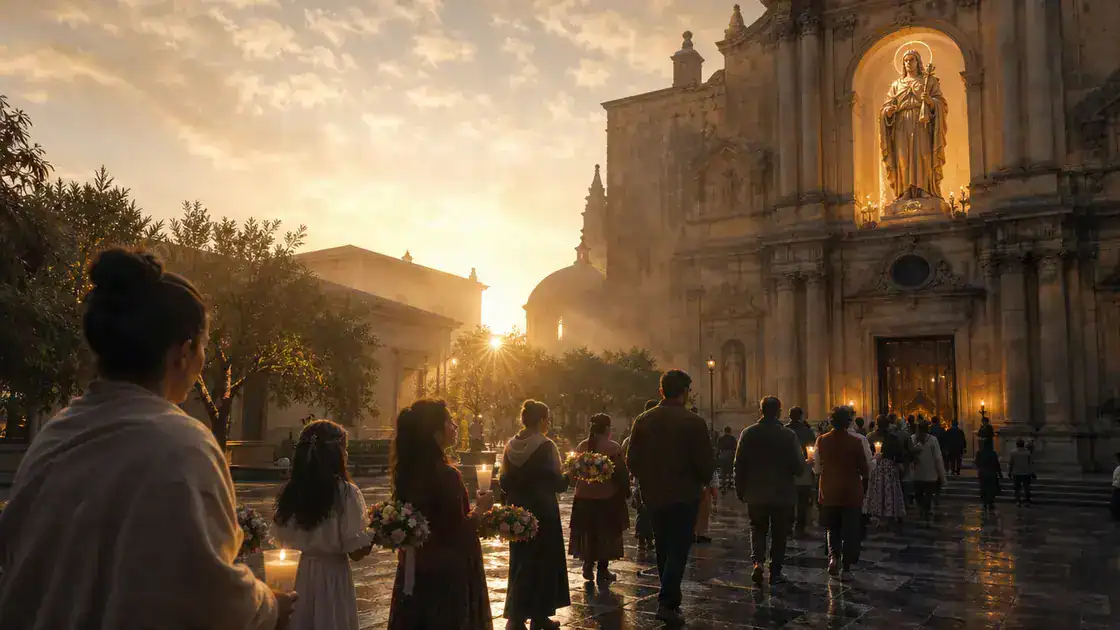
In many lands, people turn to saints as visible signs of God’s care, naming them patrons and gathering each year to remember their help. These public memories—processions, liturgies, and feasts—make prayer concrete for whole communities. When a town lights candles before a patron’s image or sings at a dawn Mass, it is not superstition but a communal act of trust rooted in intercession and gratitude.
Feast days stitch together history and hope. Stories of mercy, rescue, or faithful witness become part of a nation’s story when celebrated in public worship. Such rituals shape how citizens see one another and how leaders are prayed for, turning private faith into shared responsibility. The sacred calendar offers rhythm: moments to ask for protection, to repent, and to recommit to the common good.
Participation in these practices is simple and practical: join a prayer, attend a feast, offer service to neighbors in need. Devotion to a patron saint should deepen love for the vulnerable and spur acts of justice, not replace them. In this way, popular devotion becomes a holy discipline that links prayer and public life, inviting communities to live out the protections they pray for by caring for one another.
Discernment and caution: distinguishing experience from theology
Many spiritual experiences feel vivid and moving, but they must be held gently and tested. The Bible itself urges believers to “test the spirits”, which is a call to careful listening rather than to fear. When a vision or a strong sense of presence comes, pause, pray, and ask whether it brings peace, love, and clarity about Christ.
Theology gives us a steady frame for that pause. We read Scripture, sit in the pattern of tradition, and seek the counsel of trusted leaders and friends. This does not mean discouraging heartfelt devotion; it means placing experience within Scripture and community so personal feelings do not become private dogma. Humble questions such as “Does this align with the Gospel?” keep our feet on the path of faithful worship.
There are practical signs to watch for: the fruit of an experience shows itself in patience, charity, and a desire for justice, not in pride or secrecy. Bring what you sense to prayer, to those who know your life, and to liturgy where it can be weighed without hurry. In time, patience and prayer reveal whether an encounter is a genuine touch of grace or a warm feeling that needs gentle correction. This kind of discernment honors both wonder and wisdom, inviting us to live with courageous humility in the public work of prayer.
Practical prayer: how communities pray for their country’s guardian principality
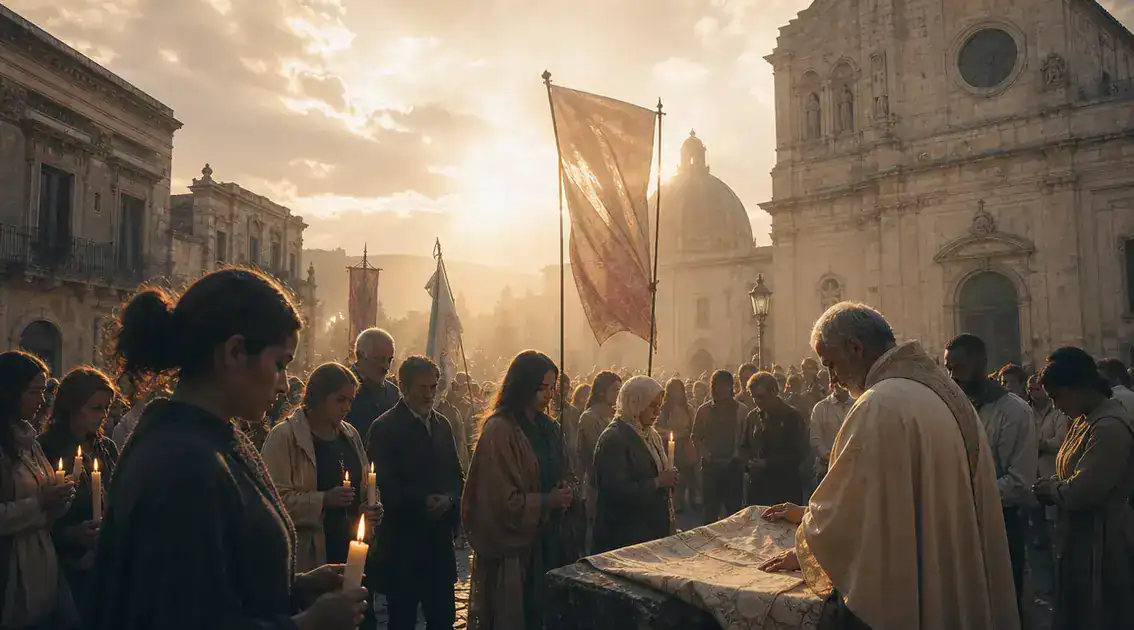
Communities pray for their country in simple, steady ways that any person can join. On Sundays and feast days, people lift up leaders, the poor, and the broken places of society with short, clear prayers. Small groups meet for morning or evening prayer, and neighbors add names and needs aloud so concern becomes shared practice of intercession.
Other forms are public and tactile: vigils by candlelight, processions along a main street, or a blessing at the start of a civic ceremony. These actions link prayer with visible care — blessing a town hall, visiting a shelter, or offering a communal meal for those in need. Such gestures teach that prayer is not private escape but prayer as service, shaping how a people treat one another.
If you want to join this work, start small and steady: join a local prayer group, sign up for a daytime hour of intercession, or invite a neighbor to pray for leaders and teachers. Use short prayers: ask for wisdom, mercy, and the protection of the most vulnerable, and pair those prayers with practical help for your community. Over time, these habits form a public witness of hope, trusting in the presence of God at the heart of a nation’s life.
Scripture and story: biblical episodes that suggest a nation’s heavenly companion
The Bible holds scenes that invite us to see a nation watched by heaven. In Exodus, God leads Israel as a visible guide—a pillar of cloud by day and fire by night—and the figure called the angel of the Lord appears to give direction and protection. These images show God’s care working through a named presence that goes before a people in danger and in hope.
Later stories give sharper, more personal images. In Daniel, angels speak of spiritual “princes” who seem tied to nations, and the archangel Michael is named as a protector who stands with God’s people in times of trial. The vision shows spiritual conflict without turning angels into rivals of God; instead, these figures remind us that the life of a nation can be shaped by unseen service and struggle beneath the surface of history.
The New Testament and other biblical books return the focus to Christ while keeping the images of care. Jesus is shown as Lord over every power, and the quiet providence in stories like Esther shows how God can guard a people through ordinary means. Reading these episodes devotionally helps us pray for our country with humble trust, remembering both the visible acts of mercy and the subtle, hidden ways God keeps a people in life and hope.
May the gentle thought of a nation watched by heaven fill you with quiet wonder and steady courage. Keep that image close, like a lamp for small choices and kind acts.
Let us pray simply: Lord, bless our country, give wisdom to leaders, care for the poor, and guard those who suffer. May our prayers rise with humility and hope.
Turn that prayer into practice through small acts of service, honesty, and mercy. Let public prayer meet public care so that faith shows itself in deeds as well as words, and the work of love shapes your community.
Go forward in peace, trusting that you are not alone; carry this sense of sacred guardianship into each day with a calm heart and a ready hand.
FAQ – Questions about national guardian principalities and sacred tradition
Does Scripture speak of guardian angels or ‘principalities’ connected to nations?
Yes. Passages like Daniel 10 mention a spiritual ‘prince’ associated with a people and name Michael as a protector, and Paul speaks of “principalities and powers” (Ephesians 6:12) to describe unseen forces. These texts, read in tradition, suggest spiritual realities that touch the life of nations while remaining under God’s authority.
How did the church fathers and medieval theologians understand national guardians?
Writers such as Augustine, Gregory, and later scholastics taught that angels act as servants of God’s ordering, sometimes linked in Scripture to peoples or regions. They urged devotion that points back to God — seeing angels as instruments of divine care rather than objects of worship.
Should we pray to a country’s guardian angel, or to God through saints?
Prayer belongs ultimately to God, so we address God and ask for protection and wisdom. Tradition encourages asking saints and angels to intercede before God, while avoiding prayer that treats them as independent powers. The pattern is humble petition to God, often offered through the communion of saints.
How can a community discern whether an experience points to a genuine heavenly guardian?
Discernment begins with Scripture and community: test experiences as 1 John 4:1 urges, look for signs of Christlike fruit (love, humility, service), and seek counsel from trusted leaders. Genuine gifts align with the Gospel, lead to greater charity, and stand up to liturgical and pastoral wise judgment.
What public practices help a nation pray for its guardian principality?
Simple, steady practices work best: regular intercessions in worship, vigils, feast-day prayers, processions, and public acts of service for the poor. These rituals join prayer and deed, making intercession concrete while shaping a people toward mercy and justice.
Does belief in principalities mean nations are controlled by angels instead of God or people?
No. Christian teaching holds that all powers, seen and unseen, are under Christ’s lordship (Colossians 1:16–17). Angels do not replace human responsibility; Scripture invites both trust in God’s care and active moral work by citizens to seek the common good.