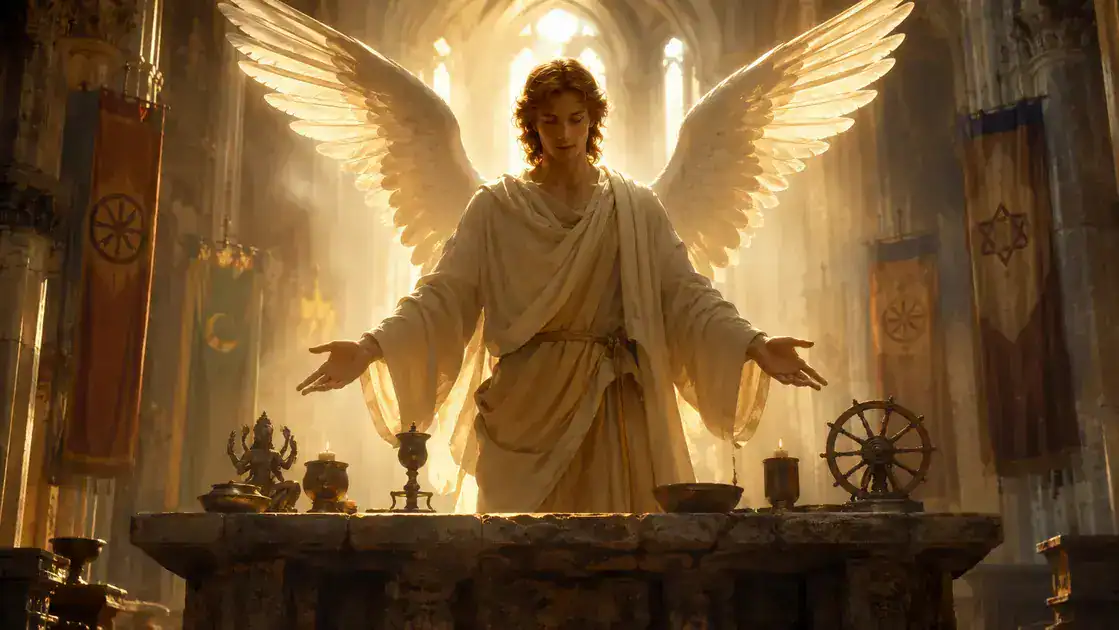

Principalities, guardians of religions and cultures, are spiritual ranks portrayed in Scripture and tradition that steward communal memory, preserve sacred rites, and influence the life of faith; they work through liturgy, symbols, and prayerful practices to protect a people’s identity and transmit its worship across generations.
principalities guardians of religions cultures — have you ever felt the hush of an ancient sanctuary, as if something unseen kept watch? This quiet presence invites a closer look at how celestial guardians shape faith, memory, and tradition in ways both subtle and profound.
Biblical roots of principalities and their scriptural images
When Scripture names principalities, it points to real spiritual ranks that touch our lives. In the New Testament these powers appear in passages like Ephesians 6:12, which reminds us that our struggle is not only physical, and Colossians 1:16, which speaks of visible and invisible realms ordered by God. These lines suggest that the life we live is held within a larger, sacred story.
The Bible gives us images more than definitions: throne rooms, angelic messengers, and moments when heaven and earth meet. Think of Daniel’s encounters with angels or the throne visions in Revelation—these are heavenly court pictures that show principalities at work, guarding, guiding, or bearing witness to God’s purposes. Such images help us see that spiritual order is woven into history and worship.
These scriptural scenes invite a simple, steady devotion. Reading them can lead us to pray with reverence, to honor sacred memory, and to practice quiet discernment about the influences that shape our communities. In this way the biblical roots of principalities become a living guide for tending faith, ritual, and the shared stories that hold a people together.
How principalities shape religious memory and communal identity
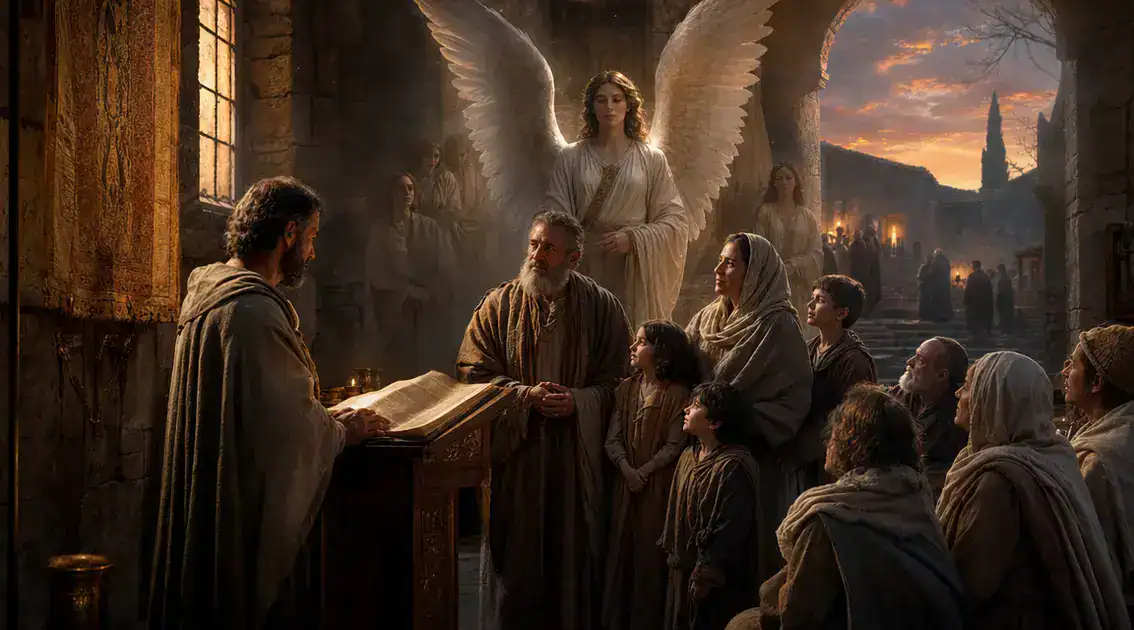
When a people remembers its past, unseen powers often hold that memory safe. The Bible shows memory as a living thing that shapes who we are. In Deuteronomy, families pass stories to children as a sacred task, and in Ephesians 6:12 we are reminded that spiritual ranks work behind the scenes. These passages invite us to see memory as a guarded gift, woven into worship and daily life.
Rituals, songs, and sacred objects are the ways a community keeps its story alive. Icons, liturgy, and seasonal festivals carry meaning from one generation to the next. Scripture such as Psalm 78 and Deuteronomy 6 points to remembering as an act of faith, not mere nostalgia, and the presence of spiritual guardians helps explain why these forms endure and shape identity over time.
To tend this inheritance, simple practices matter: prayer around the table, careful telling of the story, and faithful keeping of rituals that mark life’s steps. These small acts anchor a people and open space for the sacred to breathe among them. When communities do this with reverence, they participate with those heavenly stewards in passing on faith, memory, and a shared sense of belonging.
Patristic and medieval reflections on heavenly guardians
Early Christian writers often spoke of principalities as real beings who help hold the world in order. The Church Fathers—voices like Augustine, Gregory of Nyssa, and John Chrysostom—wrote that these powers serve God and watch over communities in ways the eyes cannot see. Their reflections tie biblical images to everyday faith, letting scripture breathe into the life of prayer and worship.
In the medieval era, monastic scholars and theologians kept these ideas alive and made them practical for communal life. Thinkers such as Thomas Aquinas worked to name an angelic hierarchy that fit both prayer and reason, while monks copied texts, sang chants, and painted images that showed heaven touching earth. These practices shaped how people experienced the sacred in art, liturgy, and the rhythm of the year.
Those patristic and medieval reflections gently shaped devotion. Simple acts—litanies, processions, careful telling of a patron saint’s story—grew from the belief that unseen guardians attend our rites. Such habits invite a steady, humble trust: that our prayers, memories, and traditions are cared for by loving, heavenly guardians who help keep a people’s faith alive.
Symbols, rituals and material culture as spiritual safeguards
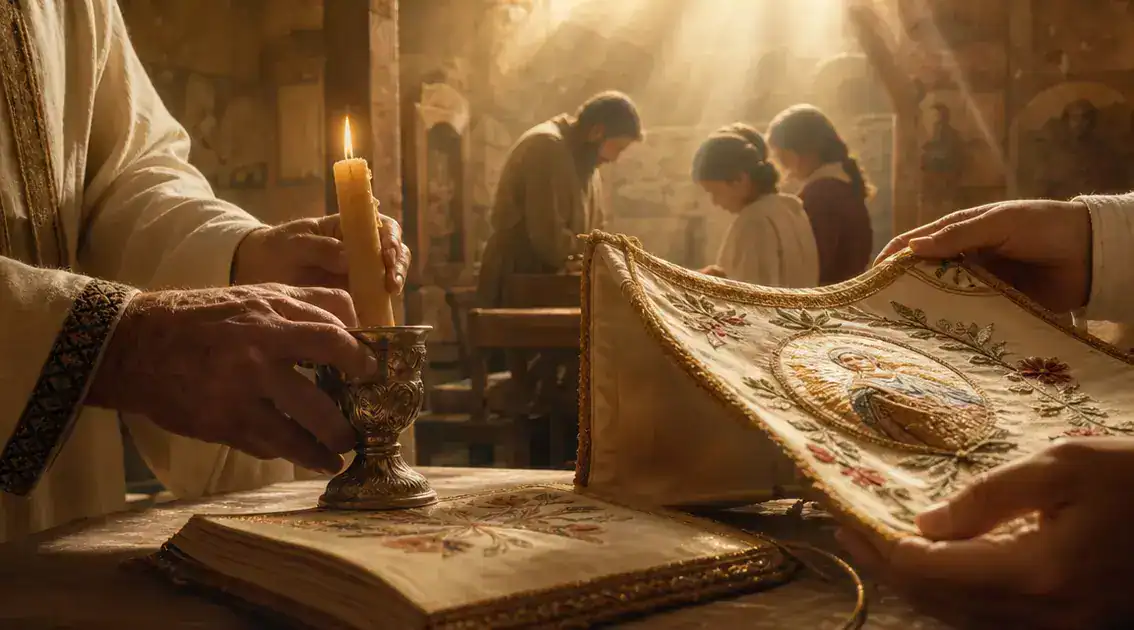
Symbols and objects help a community hold its faith in small, steady ways. A candle flame, a worn chalice, a woven banner or an icon can carry memory across years because they speak to the senses. These material signs become tangible prayers that remind people of God’s presence when words feel thin.
Rituals give those symbols a living voice: lighting, offering, singing, and passing a bowl at a table bind a body of people together. When families and congregations repeat simple rites, they teach the next generation how to see the sacred. This steady repetition invites careful discernment—not fear, but a humble watching that trusts unseen guardians at work behind the scene.
Caring for ritual objects and keeping customs need not be ornate or costly; what matters is devotion and attention. Mending a banner, polishing a vessel, telling the stories behind a hymn are acts of stewardship that protect a people’s spiritual memory. In these small labors we practice a quiet guardianship, inviting continuity, reverence, and a lived faith that both honors the past and blesses the future.
Discernment practices: recognizing benign and harmful influences
Discernment is a humble practice that helps a community tell what brings life and what brings harm. The Scriptures invite this careful watching — “test the spirits” (1 John 4:1) — and remind us that spiritual life shows itself in ordinary signs. When we learn to notice those signs, we begin to read spiritual weather as faithfully as we read a room.
Simple habits shape this gift. Daily prayer, steady reading of Scripture, and times of silence help a person see more clearly, while communal rites and confession keep us honest before one another. Fasting, spiritual direction, and accountability are practical ways to slow down decisions so the heart can speak. We also look for the fruits of the Spirit — love, joy, peace, patience — as steady measures of what is benevolent and true.
At the same time, discernment names patterns that warn us: secrecy, fear-driven obedience, manipulation, or a hunger for control often mark harmful influence. When such signs appear, the faithful response is not panic but steady care — seek counsel, restore healthy limits, return to prayer and the sacraments, and invite trusted companions into the process. This living practice protects a people’s memory and worship by keeping devotion rooted in humility, truth, and love rather than in clever words or proud displays.
Practical devotion: prayer, liturgy and cultural stewardship
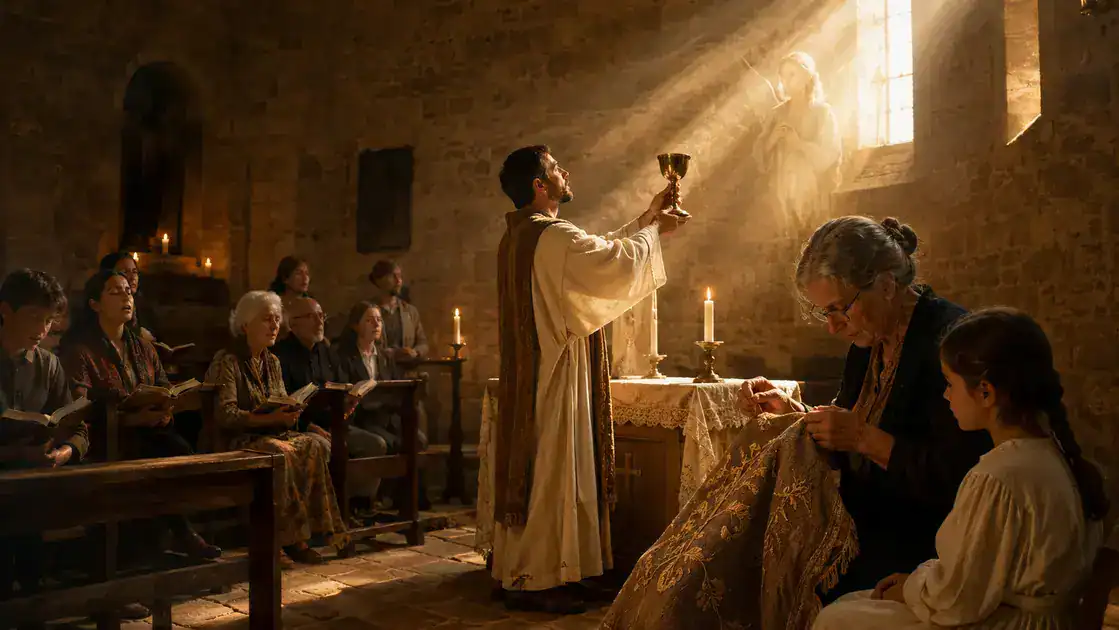
Prayer begins as a faithful, ordinary act that roots a community in God’s presence. Simple habits—morning silence, a shared table prayer, a brief evening blessing—teach a people how to listen. When we name needs aloud or hold a loved one in quiet thought, we practice prayer as an anchor that steadies memory and opens our hearts to one another.
Liturgy gives prayer a steady shape. Repeated words, common gestures, and sung melodies form a pattern that children learn without needing long explanations. These rhythms help a community remember what matters and pass it on. The sacramental moments—the breaking of bread, lighting of candles, public prayers—become shared language for a people learning to worship together.
Cultural stewardship grows from these practices into careful acts of care. Mending a banner, teaching an old hymn, tending a communal meal, or recording a family story are small acts that protect a tradition. When elders teach young ones how to keep a feast or polish a chalice, they hand over more than objects—they hand over a way of seeing the world. This steady, humble work is itself devotion: quiet service that keeps faith alive across generations.
A closing prayer for faith, memory, and care
Lord, we thank you for the quiet watching that surrounds our worship and our ways of life. May those unseen stewards keep safe the stories, songs, and rituals that shape us, so that memory may breathe gently in our homes and halls.
Bless the small acts of tending—mending a banner, keeping an old hymn, sharing a table prayer—and make them means of grace. Let these simple labors teach the young how to love what is holy and how to pass it on with care.
Give us wisdom to discern what builds life and courage to set aside what harms. May our decisions be guided by humility, prayer, and the steady signs of love, peace, and patience that show the Spirit at work.
Send us out with calm hearts and a sense of wonder, ready to keep faith alive in word and work. May we walk each day as a people guarded and sent, carrying the sacred into ordinary life with hope and reverence.
FAQ – Principalities, guardianship, and cultural memory
What does the Bible mean by “principalities,” and how are they different from ordinary angels?
Scripture uses terms like principalities and powers to name spiritual ranks that belong to the unseen order (Colossians 1:16; Ephesians 6:12). They are not mythical forces but part of a created, ordered realm that serves God’s purpose. Unlike personal guardian angels, which many traditions describe as close companions, principalities often appear in Scripture as larger, court-like figures or powers that shape nations, institutions, or spiritual climates.
How can principalities actually guard religions, cultures, and traditions?
Biblical images—throne visions, angelic attendants in Daniel and Revelation—show heaven’s order touching earth’s life. The Church Fathers taught that these powers help preserve memory, ritual, and communal identity by watching over sacred signs and rites. When a community keeps prayer, liturgy, and story-telling, it participates with those guardians in passing faith down the generations (Deuteronomy 6; Psalm 78).
Can spiritual influences be harmful to a community’s religious life, and how would we know?
Yes. The Bible calls us to test the spirits (1 John 4:1) and to look for the fruits of the Spirit—love, joy, peace—as signs of what is true (Galatians 5:22–23). Harmful influences often show themselves in secrecy, fear, manipulation, or a hunger for power. Discernment—rooted in prayer, Scripture, and trusted counsel—helps communities protect their memory and worship from such damage.
What practical practices help invite benevolent guardianship over a religious culture?
Simple, steady practices matter: communal prayer, regular liturgy, the faithful keeping of rituals, and passing stories to children. Acts of stewardship—mending banners, preserving hymn-sheets, teaching a feast—are forms of devotion that keep tradition alive (Deuteronomy 6). These practices shape the heart of a people and make space for the sacred to continue its work among them.
Do all Christian traditions accept the idea of principalities as guardians of culture?
Many traditions affirm the reality of spiritual beings, though they differ in emphasis. The Fathers and medieval theologians developed detailed language about angelic orders, which is especially present in Catholic and Orthodox teaching. Many Protestant traditions accept the biblical witness to unseen powers while stressing Scripture and the priesthood of all believers. Despite differences, the common concern is faithful worship, prayerful discernment, and living the fruits of the Spirit.
How can I serve cultural stewardship without slipping into superstition or fear?
Serve with humility and practical love. Focus on prayer, clear teaching of Scripture, simple stewardship tasks, and passing on stories and songs. Use discernment when something seems off, but avoid magical thinking by rooting actions in communal worship and accountability. When in doubt, seek wise counsel, return to prayer, and look for the steady signs of love, peace, and humility as a guide.