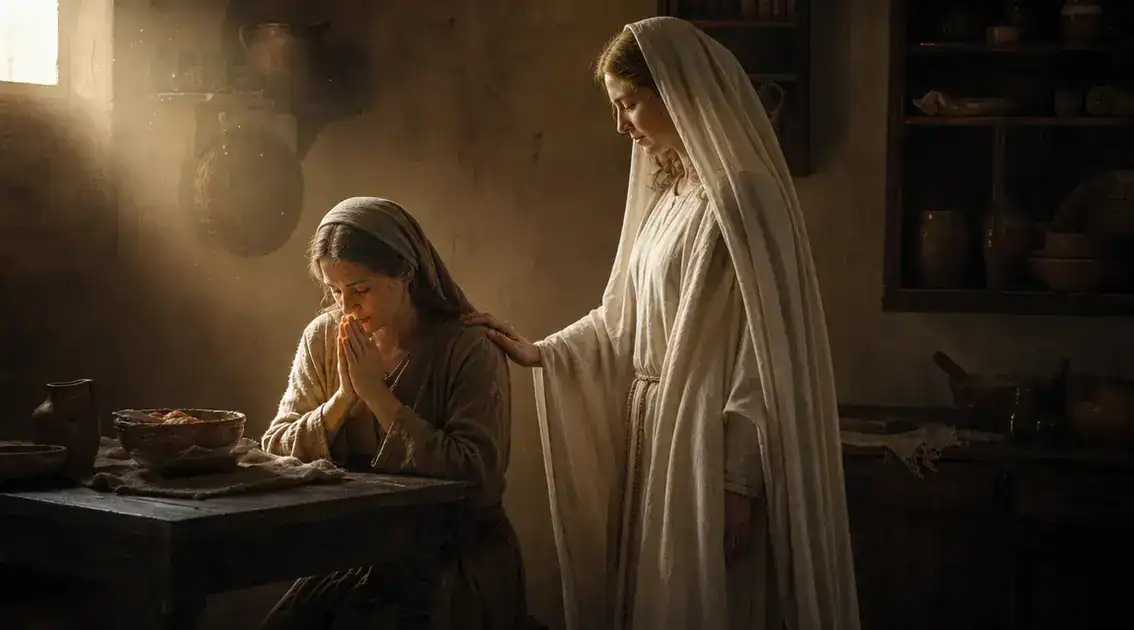

Prayer to virtues for miracles asks God to deepen habitual gifts such as faith, hope, and charity so the soul becomes receptive to divine intervention, inviting saints’ and angels’ intercession while cultivating patience, humility, and works of mercy that prepare ordinary life to receive both subtle consolations and extraordinary graces.
Have you ever felt a quiet longing for a sign of grace? Asking the prayer to virtues for miracles can feel like opening a small, sacred door — a humble invitation to the heavenly helpers who have guided believers across Scripture and tradition. Stay with me as we explore how these intercessions appear in sacred stories and in the lives of the faithful.
Understanding virtues in Scripture and tradition
Scripture gently shapes our sense of what goodness looks like. From the wisdom books to the letters of Paul, virtues appear as steady habits that lead the heart toward God and neighbor. Think of them not as rules but as steady lights that guide choices — patience in hardship, mercy in judgment, courage in truth.
Early Christian writers and liturgical tradition took these biblical sparks and made them a living path. The Church named and taught virtues so believers could practice them in daily prayer and work. Over centuries, saints showed how virtues become prayerful habits: by small, repeated acts of love, a soul grows in holiness and openness to divine action.
When we seek miraculous help, the roots of that asking lie here. By tending the virtues, we open doors to grace and learn to recognize God’s movement in ordinary life. Let prayer and the steady practice of faith, hope, and charity prepare the heart to receive the quiet ways that heaven answers.
How virtues intercede: biblical examples of heavenly assistance

Throughout Scripture, God often moves where hearts show steady virtue. Faith opens a small door. Hope keeps a soul steady in hard times. Charity reaches outward and makes room for God to act in simple, human ways.
We meet this pattern in vivid stories. In Daniel’s long prayer, his perseverance draws the angel Michael to assist him — a portrait of persistent faith meeting heavenly help. In Acts, Peter sleeps in prison until an angel breaks his chains and leads him out, a quiet sign that God can free those who call on him. When Gabriel visits Mary, her humble assent and trust welcome a startling mercy, showing how openness and courage invite divine action.
These episodes teach a gentle truth: virtues do not purchase miracles like coins, but they shape a soul to receive God’s help. Practicing patience, offering small acts of charity, and holding to hope tune the heart to notice both subtle consolations and dramatic interventions. Let these biblical examples guide a simple practice of prayer and love, so that when heaven reaches down, we are ready to recognize and receive it.
Prayers and practices: devotional ways to ask the virtues for help
A simple, steady prayer can begin to shape the heart. Speak short petitions from the place where you are — a whispered plea for patience, a quiet request for courage, a humble asking for charity to grow. These brief prayers are not magic formulas; they are ways to keep your attention on God and to invite the virtues to take root in daily life. Short, honest petitions help the soul stay open and expectant without pressure.
Pair these words with gentle practices that ground your faith. Read a few lines of Scripture each morning, offer a breath prayer between tasks, or set aside a few minutes for an evening examen of conscience. Small acts of kindness — sharing a meal, listening fully, forgiving quickly — become living prayers that draw the virtues outward into the world. In this way, devotion and action work together: prayer forms intention, and mercy gives it shape.
Make a modest rhythm you can keep and protect it with simple signs: a candle, a favorite psalm, a quiet corner for kneeling. Keep a short journal of prayers and little answers you notice; this practice trains memory to see how grace moves. Over time, these habits build a stable soil where consistency and humility let divine assistance be recognized and received, not forced but welcomed in the ordinary flow of life.
Saints, mystics, and testimonies: lived encounters with virtue-led miracles

Stories of saints and mystics show how virtue often becomes the path that leads to miraculous moments. In quiet prayer, they learned to lean on trust and charity; in simple service, they let mercy guide every choice. These lives remind us that miracles are often woven into steady habits of love rather than sudden spectacles.
Many accounts describe ordinary acts turning sacred: a nurse’s bedside kindness followed by an unexpected recovery, a poor meal shared that brought a family back from despair, a long season of prayer after which clarity and peace arrived. Witnesses spoke of humble service and persistent prayer as the soil where healing and grace took root, not as a claim that virtue forces God’s hand but as an invitation that readies the heart to receive.
We can learn from these testimonies without seeking fame or signs. Begin with small, faithful steps — a moment of silent prayer, a regular act of kindness, a simple vow to forgive one hurt. Over time, those habits nurture an inner openness; by practicing humility and constancy, we make room for the quiet ways God moves in our lives and in the lives of those we love.
Pastoral guidance and theological cautions when seeking miraculous intercession
When we long for a miracle, the first step is gentle discernment through prayer and sober conversation. Ask God for clear sight and lean on discernment and humility rather than bold demands; a humble heart listens and waits, while honest counsel helps us see whether our hopes come from faith or from fear.
Seek the guidance of trusted pastors, confessors, or spiritual directors who know both Scripture and the life of prayer. The Church’s rhythms — the Scriptures, the sacraments, and regular prayer — help shape a steady faith that can receive grace without confusion. These practices remind us that divine help often comes through ordinary means and trusted spiritual companions.
Be cautious of quick signs or private revelations that lack good fruit; ask whether a claimed miracle leads to charity, peace, and greater love of God. Avoid superstition and manipulation, test what you experience against Scripture and wise counsel, and give patience space to work. In this way, we preserve a healthy devotion that invites God’s action without forcing it, and we stay faithful to the path of lasting spiritual growth.
A gentle prayer to carry virtues into daily life
Lord, teach us to keep our hearts open to small graces. Help us practice faith, hope, and charity in the ordinary tasks of each day. Let our simple acts of kindness become paths where your help can come.
May we learn patience to wait without anxiety and the quiet courage to serve without seeking signs. When we notice a gentle answer or a sudden peace, may we recognize it as your touch and give thanks. These small moments prepare us to receive what only you can give.
Grant us steady habits of prayer and humble service so that our lives reflect your mercy. Let our striving be gentle, our asking honest, and our trust rooted in your timing. As we walk this way, may our days be filled with wonder and a ready heart for grace.
Keep us faithful to the simple work of love. May we go forth with peace, open eyes, and a quiet hope that welcomes your surprises. Amen.
FAQ — Asking the virtues for intercession and seeking miracles
What does praying to the virtues for miracles mean?
It means asking God to increase the habitual qualities of the soul — faith, hope, charity, patience, courage — so we become more open to his help. Scripture and tradition urge us to grow in virtue (see Philippians 4:8; Galatians 5:22–23). This prayer is ultimately directed to God while inviting the steady work of grace to shape our hearts.
Can virtues themselves intercede like saints or angels?
Virtues are not persons and do not act apart from God. In Scripture, angels and saints do appear as heavenly helpers (for example, Daniel’s interaction with Michael). The point is that cultivating virtues disposes us to receive God’s action, while saints and angels in tradition may intercede for us before God.
How should I pray when asking for miracles through virtues?
Pray simply and persistently: offer short, honest petitions asking God to increase a specific virtue, use Scripture and the sacraments, and practice humility. The Gospels encourage persistent prayer (Luke 18) and James speaks of communal, faithful prayer (James 5:16). Combine petition with small acts that live out the virtue you seek.
If I practice virtues, will I always receive a miracle?
No; virtues do not function as guarantees or formulas. They form a receptive heart and align our will with God, but miracles occur according to God’s wisdom and timing. Trust and hope matter (Matthew 7:7), yet patience and surrender to God’s will remain central.
How can I discern whether an experience is a true miraculous intercession?
Discernment looks for lasting spiritual fruit: increased love, humility, peace, and conformity to Scripture. Test experiences against the Bible (1 John 4:1), seek counsel from a trusted pastor or spiritual director, and watch for consistent good fruit rather than sensational signs. The Church’s careful processes for authenticating miracles reflect this cautious, pastoral approach.
What daily practices help cultivate the virtues that welcome God’s help?
Simple, regular habits: brief morning prayer, reading a short Scripture passage (Philippians 4:8), small acts of mercy, an evening examen, and regular reception of the sacraments. Reading saints’ lives and keeping a short prayer journal can also train memory to notice God’s quiet answers and steady growth.